Can Dogs Eat Basil? Fresh Leaves, Pesto, and Oils Explained
A small amount of correctly identified sweet or Thai basil leaf is considered non-toxic to dogs, but basil is optional flavor, not medicine. Serve only a washed leaf or tiny plain sprinkle, and keep pesto, essential oil, supplements, concentrated extracts, and unidentified garden plants out of the same yes-or-no answer.
The five-second basil sort
- Known sweet or Thai basil leaf: a tiny washed amount may suit many healthy adult dogs.
- Pesto or prepared basil sauce: check garlic, cheese, nuts, oil, salt, and every other ingredient.
- Essential oil, extract, tincture, capsule, or concentrated powder: do not give without veterinary direction.
- Holy basil or a medicinal blend: do not assume culinary-basil safety applies to a supplement.
- Unknown garden or wild plant: identify it professionally before deciding whether exposure is minor.
Basil has a wonderfully confident smell for such a delicate leaf, but aroma is not evidence of a health effect. If a dog likes a fleck on dinner, that can be the whole story.
Which basil does the non-toxic listing cover?
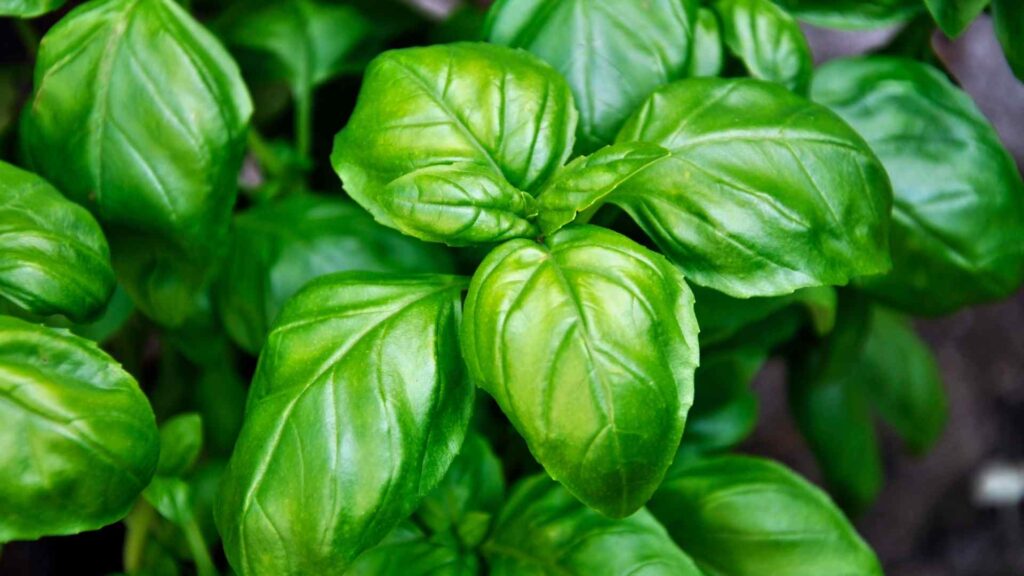
The ASPCA toxic and non-toxic plant list places basil among non-toxic plants and identifies it as Ocimum basilicum, including sweet basil and Thai basil. Non-toxic means it lacks a recognized poisoning syndrome at ordinary plant exposures, not that unlimited leaves cannot upset the stomach.
Grocery-store sweet basil, Genovese basil, and Thai basil sold as food usually fit that culinary category. Labels help because common names wander, and a decorative or wild plant that vaguely smells herbal is not automatically Ocimum basilicum.
Holy basil needs a narrower answer
Holy basil or tulsi is commonly Ocimum tenuiflorum, a different species that is often sold as tea, extract, tincture, or capsule. Do not extend the culinary-leaf answer to a medicinal product with a different concentration, carrier, dose, or ingredient panel.
A dog nibbling one correctly identified home-grown tulsi leaf is different from swallowing a bottle of supplement, but evidence is not strong enough to prescribe it for stress, inflammation, blood sugar, or infection. Call after a concentrated exposure or if identification is uncertain.
Fresh leaf preparation is deliberately boring
- Confirm the package or plant label says culinary basil, ideally with the scientific name.
- Choose a fresh leaf without mold, slime, fertilizer granules, or visible pesticide residue.
- Wash it thoroughly under running water and dry it with a clean towel.
- Remove tough stems, chop a tiny amount, and offer it plain rather than inside a recipe.
- Stop after the first taste and monitor for vomiting, diarrhea, itching, swelling, or discomfort.
The FDA fresh-herb safety review advises storing perishable herbs at 40°F or below and washing produce thoroughly under running water before preparation. Organic labeling does not remove the need to wash basil.
Do not use dish soap, bleach, essential oil wash, or household disinfectant on the leaves. Discard basil that is spoiled or contaminated rather than using the dog as the compost bin.
Fresh, dried, frozen, and cooked basil are not identical products
Fresh basil
A tiny chopped leaf gives the clearest ingredient control. Large handfuls can cause vomiting, gas, or diarrhea simply because an unfamiliar fibrous plant arrived all at once.
Dried basil
Dried flakes are more concentrated by volume than fresh leaves, and seasoning jars can contain blends rather than basil alone. Use only a tiny amount from a single-ingredient jar and check for onion, garlic, and salt.
Frozen basil cubes
Commercial cubes often include oil, salt, garlic, stock, or other herbs. A hard frozen cube can also be gulped, so the label and texture both matter.
Cooked basil
Heat does not neutralize garlic, onion, excess salt, or the fat in a finished dish. A leaf baked onto plain food is one thing; tomato sauce, curry, soup, pizza, and stir-fry are mixed recipes.
Pesto is not basil in convenient spoon form
Traditional pesto commonly combines basil with garlic, olive oil, Parmesan or another hard cheese, pine nuts, and salt. Store-bought versions can add cashews, walnuts, preservatives, lemon, or other seasonings.
Garlic can damage canine red blood cells, so our garlic guide explains why a missing pesto jar deserves an ingredient-and-dose assessment. Removing visible garlic pieces does not remove garlic already blended into the sauce.
Oil and cheese make pesto calorie-dense and rich, which can trigger vomiting or diarrhea and conflicts with many low-fat plans. Nuts add more fat and may create their own choking or mold concerns, depending on the type and condition.
Our cheese guide separates a tiny plain taste from rich sauces, while the almond guide explains why nut pieces and nut products need label checks. Pesto is not made safer by calling it fresh or artisanal.
Basil essential oil is not a strong leaf
Essential oil is a concentrated chemical mixture, often many times stronger than exposure from a garnish. It may also be blended with carrier oil, alcohol, fragrance, or other essential oils that change the risk.
The ASPCA essential-oil guidance warns that concentrated oils can cause problems after ingestion or direct coat and skin exposure, including vomiting, diarrhea, depression, unsteadiness, and low body temperature. It recommends avoiding direct application and keeping oils out of reach.
Do not put basil oil in food, water, on gums, on a collar, or onto itchy skin. Dogs groom their coats, so a topical application can become an oral exposure.
If oil spills, move the dog away, prevent licking, ventilate the space, save the bottle, and call. Do not scrub with a solvent, induce vomiting, or apply another oil unless a veterinary professional gives specific instructions.
Supplements and extracts require a product-level decision
Basil capsules, holy-basil products, glycerites, tinctures, teas, powders, and calming blends may contain concentrated plant compounds plus alcohol, sweeteners, caffeine, other herbs, or minerals. Natural is a marketing category, not a dose or safety guarantee.
Supplements can also interact with medication or complicate pregnancy, surgery, blood clotting, diabetes management, liver disease, and kidney disease. The veterinarian needs the complete label, concentration, amount, and product lot to assess an exposure.
Do not estimate a canine dose by shrinking a human serving according to body weight. Species metabolism, extraction method, and active-ingredient variability make that arithmetic unreliable.
Basil does not treat inflammation, anxiety, infection, or parasites
Laboratory findings about isolated basil compounds do not establish that a leaf garnish treats canine arthritis or inflammatory disease. A dog with pain, stiffness, limping, or reduced activity needs diagnosis and a treatment plan with known benefits and risks.
Basil aroma does not treat separation anxiety, noise fear, cognitive decline, or panic. Behavior problems can involve pain and medical disease, and effective plans may include environmental changes, training, medication, or referral.
Antimicrobial activity in a test tube is not permission to use basil for wounds, ear infections, urinary infections, or gastrointestinal illness. Applying plant material can contaminate tissue and delay appropriate testing.
Basil also does not repel or kill fleas, ticks, worms, mosquitoes, or heartworms at a safe culinary dose. Use parasite prevention selected for the dog’s species, weight, age, health, and local risks.
Stems, flowers, soil, and the whole garden pot
A soft basil stem or flower is not known as a special toxin, but fibrous stems can be awkward to swallow and a large amount can upset the stomach. Chop only the tender leaf portion if offering a taste.
Potting soil, fertilizer, compost, cocoa mulch, pesticides, slug bait, plant stakes, and plastic pots can be more hazardous than basil. A dog that digs up the container has created a garden-supply exposure, not a herb-snack question.
Moldy soil or compost can contain tremorgenic toxins that cause serious neurologic signs. Tremors, seizures, abnormal temperature, or loss of coordination after compost access is an emergency.
Treat calories and special diets still count
The UC Davis veterinary treat guideline recommends keeping all extras below 10 percent of daily calories and the complete balanced diet at 90 percent or more. A basil fleck contributes almost no calories, but the cheese, oil, meat, or yogurt used to deliver it does.
Plain yogurt is not automatically suitable for every dog because of lactose, fat, sweeteners, and prescription-diet constraints; see our yogurt guide. Do not build a complicated snack merely to make basil interesting.
Puppies need tightly balanced growth nutrition, and a leaf offers no developmental advantage. Dogs on elimination trials should receive no basil or flavored extras unless the supervising veterinarian includes them, because one unplanned ingredient can invalidate the trial.
What to do after a basil exposure
- Identify culinary leaf, pesto, sauce, essential oil, supplement, unknown plant, or garden material.
- Save the package and record ingredients, concentration, amount, time, dog’s weight, symptoms, and medical conditions.
- For pesto or prepared food, check garlic, onion, nuts, cheese, oil, salt, alcohol, chocolate, and sweeteners.
- Call promptly for oil, extract, supplement, an unknown plant, a large amount, unsafe co-ingredients, or symptoms.
- Seek emergency care for breathing trouble, facial swelling, collapse, tremors, seizures, severe weakness, or repeated vomiting.
A healthy adult dog that eats one washed culinary basil leaf and remains normal can generally be monitored. Remove access and return to the regular food rather than testing a larger serving.
Do not induce vomiting or give milk, oil, charcoal, salt, or peroxide unless a veterinary toxicology professional directs it. Concentrated oils and unknown products require case-specific handling.
Frequently asked questions
Can dogs eat sweet or Thai basil?
ASPCA lists Ocimum basilicum, including sweet and Thai basil, as non-toxic. Offer only a tiny washed plain amount because too much plant material can still upset digestion.
Can dogs eat pesto?
Do not offer it. Garlic, oil, cheese, salt, and nuts make pesto a different exposure from a basil leaf.
Can basil calm an anxious dog?
There is not good clinical evidence that a culinary amount treats canine anxiety. Ask a veterinarian or qualified behavior professional about a real treatment plan.
Is basil essential oil safe for dogs?
Do not give or apply it. Concentrated oil can cause toxic effects and is not comparable to fresh leaf.
Can dogs eat dried basil?
A tiny amount from a single-ingredient jar is unlikely to harm most healthy dogs. Avoid seasoning blends and remember that dried herb is concentrated by volume.
The bottom line
A tiny washed leaf of correctly identified sweet or Thai basil is a low-risk optional garnish for many healthy adult dogs. It does not treat pain, anxiety, infection, or parasites.
Keep pesto, essential oil, supplements, unidentified plants, and contaminated garden materials in separate risk categories. With basil, the most helpful habit is reading the label before admiring the smell.