Can Dogs Drink Beer? Alcohol, Hops, Dough, and Container Risks
Dogs should not drink beer. Ethanol is rapidly absorbed and can depress the brain, breathing, temperature control, and blood sugar, while brewing hops, fermenting dough, flavored products, and broken containers can add separate emergencies.
What to do now
- Known beer ingestion: remove access, save the container, estimate the maximum volume, and call a veterinarian or animal poison service promptly.
- Staggering, unusual sleepiness, vomiting, tremors, cold body, slow or difficult breathing, collapse, or seizures: go to emergency care now.
- Spent or raw hops: call immediately because dogs can develop dangerous overheating.
- Low-alcohol or alcohol-free beer: read the actual alcohol statement and ingredients rather than assuming zero.
- Can, glass, cap, tab, bottle, keg hardware, or packaging missing: report the cut, choking, or obstruction risk.
Record the product name, alcohol by volume, amount range, time, dog weight, symptoms, medical conditions, medicines, and everything else eaten. Do not wait to calculate a perfect dose when the amount is uncertain.
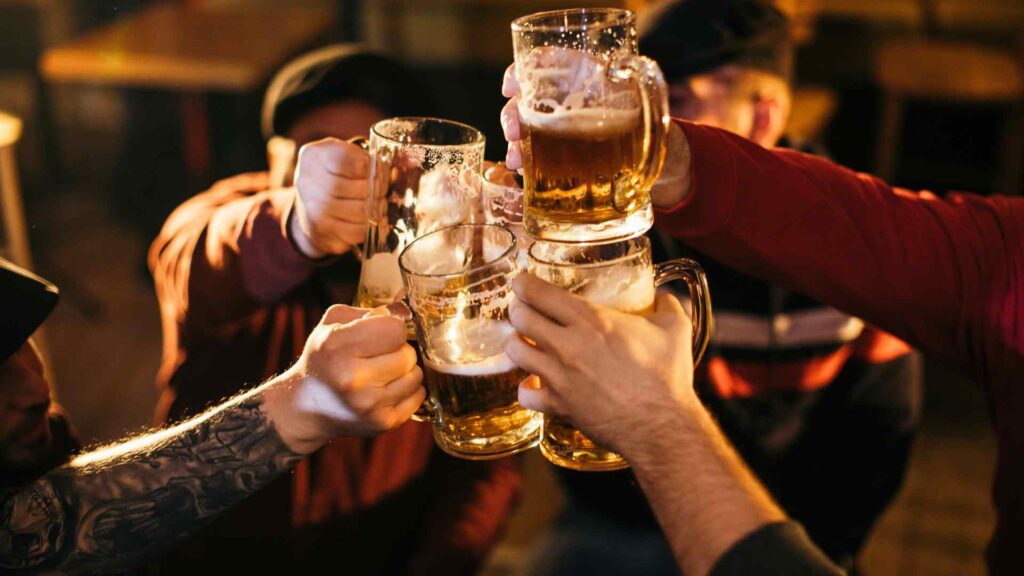
Beer is an ethanol exposure, not a dog treat
Beer usually contains water, malted grain, yeast, hops, and ethanol, with recipes adding fruit, spices, coffee, chocolate, lactose, sweeteners, or other flavorings. The ethanol alone is enough reason not to share it.
The Merck Veterinary Manual alcohol review explains that alcohols are quickly absorbed through the digestive tract. Signs can begin rapidly and severe cases can progress to coma, seizures, or death.
Possible signs include vomiting, diarrhea, drooling, disorientation, abnormal walking, lethargy, tremors, breathing trouble, low body temperature, slow heart rate, or seizures. A dog that looks merely drunk may be medically unstable.
The FDA pet-hazard guide lists alcoholic drinks and alcohol-containing foods among dangerous items. This is not a behavioral or obedience problem after ingestion.
Dose matters, but a home safe-dose table does not help
Risk depends on alcohol concentration, swallowed volume, dog weight, stomach contents, timing, age, health, and co-ingredients. A lick of foam and a knocked-over pint are not equivalent.
That difference calls for proportionate triage, not a universal permission line. Small dogs, puppies, frail seniors, and dogs with liver disease, low blood sugar risk, or neurologic illness may have less margin.
Beer style does not reliably reveal exposure because alcohol by volume ranges widely. Check the exact can or tap listing and report the highest plausible volume.
Do not use an online calculator to decide that observation is guaranteed safe. A poison professional can interpret product strength and patient factors while useful treatment time remains.
Do not induce vomiting at home
Alcohol can impair coordination and protective airway reflexes, raising aspiration risk. Do not give hydrogen peroxide, salt, mustard, oil, charcoal, coffee, or another home remedy unless a veterinarian specifically directs it.
Activated charcoal does not reliably bind small-chain alcohols, and forcing anything into a drowsy dog can be dangerous. Transport the dog on a stable surface with the head and airway positioned as the clinic advises.
Call ahead and keep the dog warm but not overheated during transport. Do not assume sleep will safely metabolize the alcohol.
Hops are a separate high-stakes hazard
Hops may be present as pellets, dried flowers, plugs, whole cones, wet brewing material, or spent mash. Home-brewing waste can smell food-like because it is mixed with grain.
The Merck Veterinary Manual hops review describes malignant hyperthermia in dogs, with possible agitation or lethargy, vomiting, diarrhea, rapid heart rate, rapid breathing, and severe temperature elevation.
Call immediately after known or possible hop ingestion, even if the dog looks normal. Do not wait for fever or try to manage dangerous overheating with an ice bath or alcohol on the paws.
Keep raw hops, spent hops, brewing grain, filters, bags, and compost in sealed containers behind a closed door. Outdoor compost does not make brewery waste inaccessible to a determined dog.
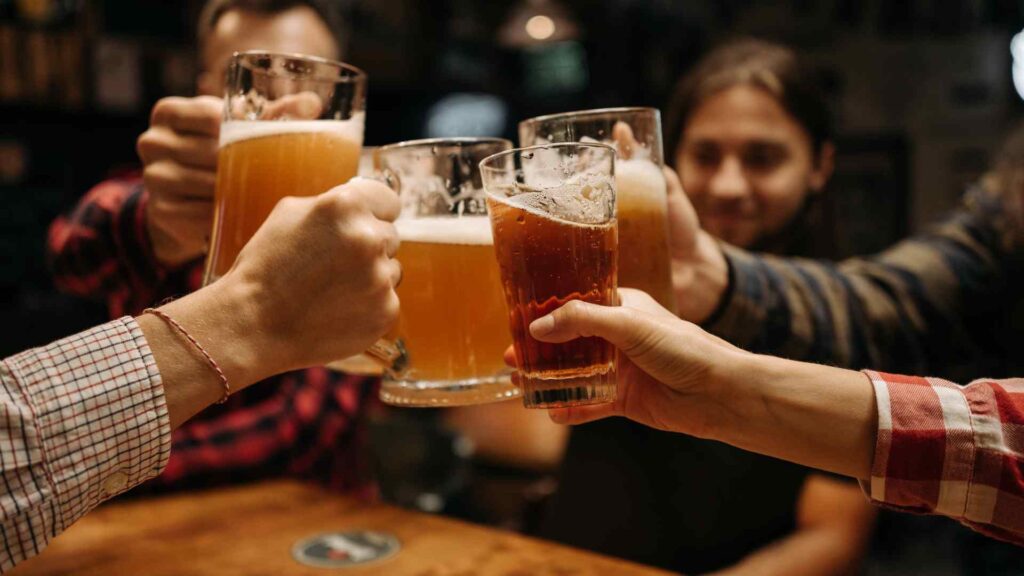
Brewing grain and spent mash have their own issues
Spent grain may retain alcohol, hops, yeast, and other ingredients, and large warm masses can spoil quickly. Mold, compost organisms, plastic bags, and brewing hardware can complicate a raid.
Do not treat spent grain as a fiber snack or use it in homemade dog biscuits unless a veterinarian has evaluated the complete recipe and hop contamination is impossible. The simplest rule is to keep brewing waste away from pets.
A dog that eats a substantial wet grain mass may vomit, bloat, or swallow packaging along with it. A painful swollen abdomen, repeated unproductive retching, weakness, or collapse needs emergency care.
Fermenting dough can produce alcohol inside the stomach
Raw yeast dough can expand in a dog’s warm stomach while producing ethanol. This creates both stomach-distention and alcohol-toxicosis risks.
The Merck Veterinary Manual bread-dough review recommends prompt treatment for this combined exposure. Report the dough mass, yeast type, recipe, time, and dog weight.
Our flour guide separates loose flour, ordinary raw batter, and active yeast dough. Do not feed more food to push dough through or wait for visible expansion.
Alcohol-free and low-alcohol labels need reading
Alcohol-free, nonalcoholic, and low-alcohol terms can follow different labeling rules and may not all mean absolute zero. Read the alcohol statement on the exact package rather than relying on the shelf category.
Even a true zero-alcohol product may contain hops, flavorings, sweeteners, sodium, carbonation, fruit concentrates, or specialty ingredients. It is still not formulated as a dog beverage.
A small accidental lick of a verified zero-alcohol plain product is different from a bowl of conventional beer. When the label is unclear or the amount is large, call with the package.
Do not use nonalcoholic beer as hydration, appetite support, a celebration drink, or a way to calm a dog. Fresh water and veterinary guidance are safer.
Stouts, sours, fruit beers, and flavored products
Stouts and porters may use coffee or chocolate, while pastry beers can add lactose, cacao, spices, sweeteners, or high alcohol. Report the full commercial name and ingredient information.
Fruit beer can add grapes, raisins, cherries with pits, citrus oils, xylitol flavor products, or concentrated sugar. A fruit picture does not tell you the exact recipe.
Cannabis-infused beverages introduce another neurologic exposure, and cocktails made with beer can add liquor, xylitol mixers, caffeine, chocolate, or grapes. Tell the clinician about every ingredient without embarrassment.
Our coffee guide explains why caffeine changes triage. Coffee stout is not ordinary beer with a harmless flavor name.
Beer with salty and fatty foods
A table raid may include beer with sausage, jerky, pizza, wings, onion dip, garlic bread, chocolate dessert, or skewers. The food does not absorb or neutralize the ethanol.
Our sausage guide covers fat, sodium, Allium seasoning, casings, and raw meat. Assess both the drink and the food rather than choosing one concern.
Salty snacks may increase thirst, but do not force water into a drowsy or poorly coordinated dog. Tell the clinic if the dog also ate a large amount of salt.
Cans, bottles, and party debris
A punctured aluminum can can cut the mouth, while pull tabs and caps can be swallowed. Broken glass can hide in wet floors, fur, paws, bedding, and food scraps.
Confine the dog away from debris, wear shoes, and avoid blindly sweeping sticky fur that may contain glass. Mouth bleeding, limping, possible swallowed metal or glass, or repeated gagging needs urgent assessment.
Plastic cups, six-pack rings, coolers, koozies, foil, toothpicks, and trash bags can choke, obstruct, entangle, or suffocate. Inventory the whole scene after a party or brewing spill.
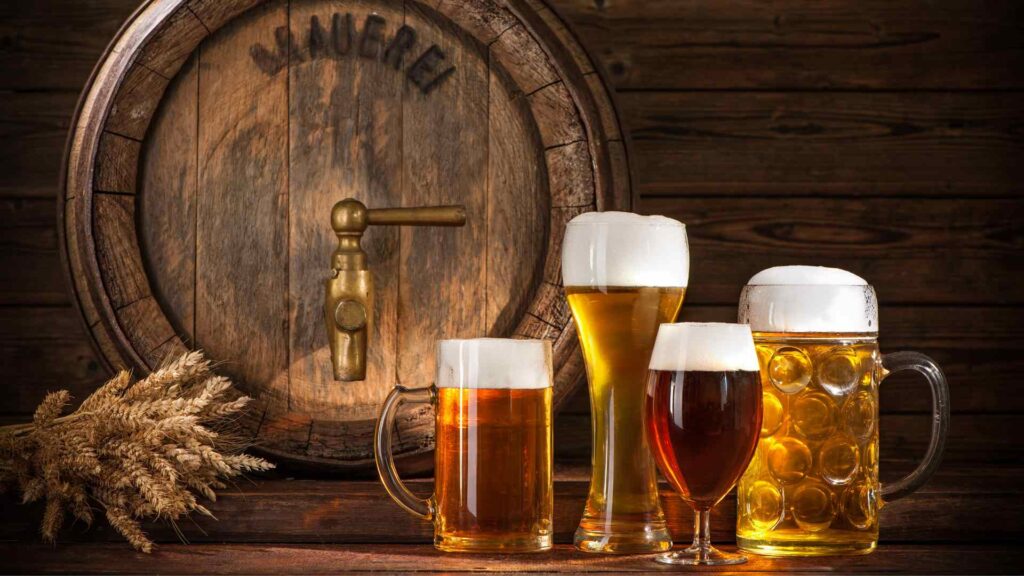
Information that makes the call faster
Have the dog’s weight, beer name, alcohol by volume, package size, amount left, time, symptoms, and medical history ready. Say whether hops, dough, cannabis, chocolate, coffee, xylitol, medication, or packaging was involved.
If several pets had access, give a plausible amount range for each rather than dividing the spill evenly. Separate them so new vomiting or behavior changes can be attributed accurately.
Bring the container in a sealed bag if travel is advised, but keep it away from the dog. Do not delay transport to search for a receipt or perfect measurement.
Draft beer and shared containers complicate the estimate
A tipped pint, pitcher, tasting flight, or growler rarely leaves a neat missing-volume line. Estimate the original fill, what remains, what soaked into towels or carpet, and whether another person or pet drank any.
Ask the brewery or restaurant for the product name and alcohol by volume when the receipt only says house beer. Describe whether the dog lapped liquid, chewed a soaked coaster, or ate foam and food from the floor.
Foam volume does not equal liquid volume, but foam is not a safety shield either. Give the professional the widest realistic amount range and let them interpret uncertainty.
Monitor only under professional guidance
Because alcohol signs can develop quickly, do not leave a recently exposed dog alone in a crate or yard. If home observation is recommended, ask exactly which signs, temperature concerns, feeding instructions, and time window apply to that dog.
A dog that becomes harder to wake, colder, less coordinated, or slower to breathe is worsening, not sleeping it off. Update the clinic immediately and transport as directed.
Prevent the next brewing or party exposure
Empty glasses and cans before bed, secure trash behind a closed door, and rinse sticky floors where a dog might continue licking. Move coolers, growlers, kegs, tasting glasses, and open recycling out of reach.
Home brewers should seal hops and spent material immediately rather than leaving warm bags beside the bin. Clean filters, tubing, grain, yeast slurry, and spills before allowing pets back into the work area.
Bottom line
Beer is not safe to share with dogs because ethanol can cause rapid, serious poisoning. Call promptly after ingestion and urgently for symptoms, hops, fermenting dough, concentrated or unknown alcohol, dangerous co-ingredients, or swallowed can and glass debris.