Can Dogs Eat Blueberries? Safe Prep, Portions, and Product Traps
Yes, most dogs can eat a few plain blueberries after fresh fruit is rinsed, spoiled berries are discarded, and each piece is mashed or cut for tiny dogs and eager gulpers. Blueberries are an optional treat, not a cancer preventive, urinary-tract treatment, antioxidant prescription, or shortcut around a complete diet.
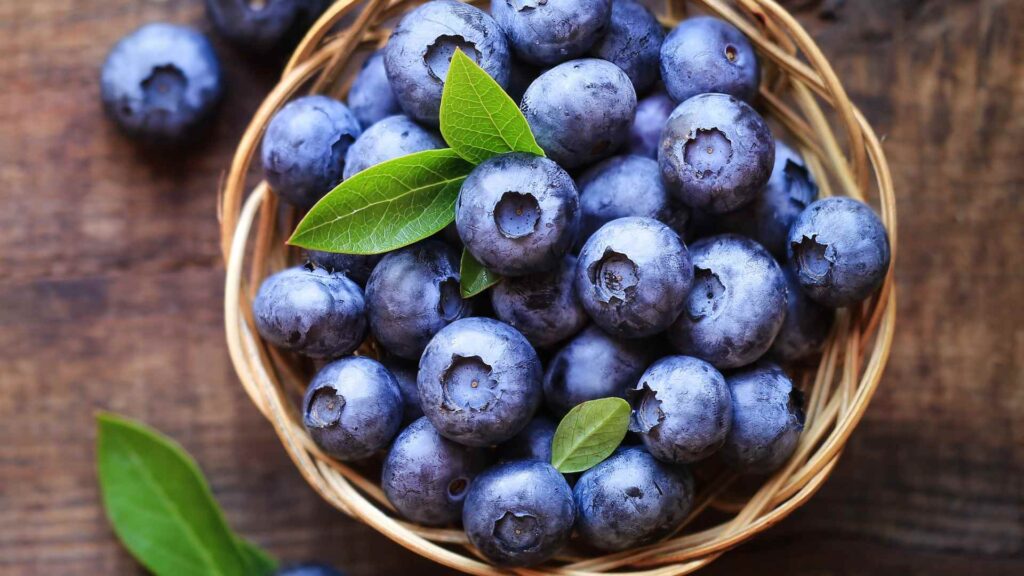
A sensible blueberry snack
Choose ripe berries that are firm, clean, and free of mold, leaking juice, or a fermented smell. Serve them plain, with no syrup, sugar, sweetener, cream, or batter.
A veterinarian-reviewed PetMD blueberry guide treats blueberries as an occasional snack and recommends sizing them to the dog. Small round fruit can be swallowed whole, so mashing is the easy answer for a toy breed, puppy, senior with dental trouble, or committed food inhaler.
Offer one berry or a small piece the first time, then watch for vomiting, diarrhea, gas, itching, or discomfort. A dog with diabetes, chronic digestive disease, obesity, a prescription diet, or an elimination-food trial needs veterinary approval before berries become routine.
Fresh blueberry preparation
- Sort out crushed, moldy, shriveled, or sour-smelling berries.
- Rinse under cool running water just before serving.
- Remove stems, leaves, and foreign plant material.
- Cut or mash according to the dog’s size and chewing style.
- Serve a small amount from a clean bowl or hand.
The FDA recommends washing produce under running water and advises against soap, detergent, or commercial produce wash. Washing can reduce surface contamination but cannot rescue rotten fruit or a recalled product.
Refrigerate perishable berries and keep their container clean. If a public-health recall matches the brand, lot, or package in your freezer, follow the recall instructions rather than feeding the fruit to a dog.
Blueberry stains are dramatic but not dangerous by themselves. Dark stool, blood, repeated vomiting, or illness should not be dismissed as berry color without veterinary advice.
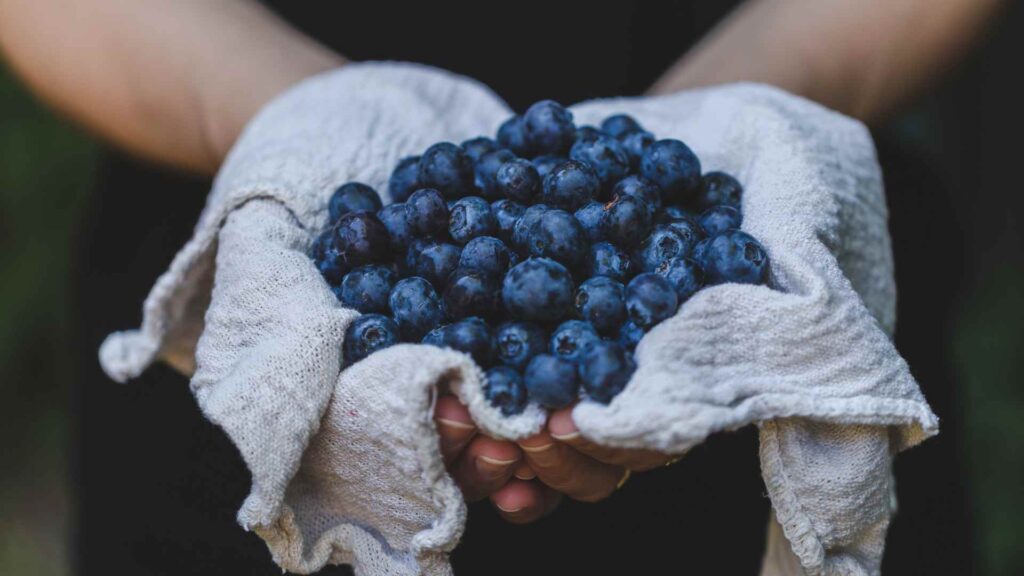
Fresh, frozen, and dried are not identical
Plain frozen blueberries can be used after thawing and checking the label for added sugar. A hard frozen sphere can challenge teeth or lodge in a small throat, so thaw, flatten, or mash instead of tossing it like a tiny ice marble.
Dried blueberries concentrate calories and sugar into a smaller volume, and commercial dried-fruit mixes often contain other ingredients. Check carefully for raisins because grapes and raisins require immediate veterinary attention in dogs.
Canned blueberries may be packed in syrup or sweetened juice. A stolen ordinary canned berry is more likely to cause stomach upset than poisoning, but it offers no advantage over rinsed fresh fruit.
Blueberry powder and supplements deserve label scrutiny for sweeteners, caffeine, vitamins, or herbs. A fruit name on a supplement does not prove the product or dose is suitable for dogs.
How many blueberries?
There is no universal berry count for every dog. One mashed berry may be enough for a tiny dog, while a healthy large dog may tolerate several, but nobody needs a cereal bowl full.
The WSAVA treat guide recommends keeping all extras below 10 percent of daily calories. That allowance covers training rewards, dental chews, table bites, and every fruit snack together.
Start below the calorie ceiling because fiber tolerance can be lower than calorie tolerance. A dog can develop loose stool from a berry pile long before the snack threatens the day’s energy balance.
Blueberries should not be added on top of a weight-loss diet as a supposed fat-burning food. Ask the veterinarian to calculate calories, then use measured meal pieces or approved low-calorie rewards within the plan.
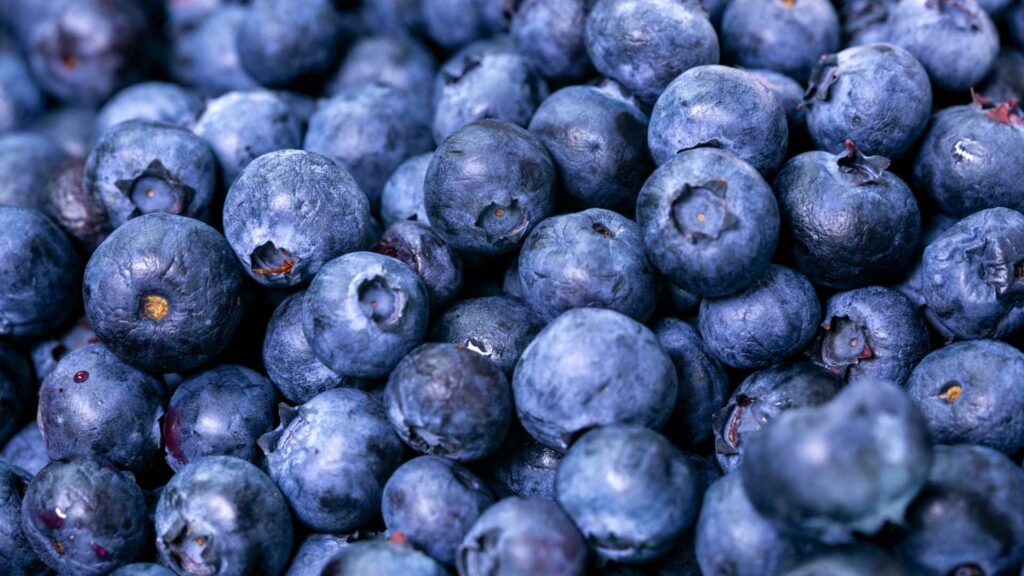
Wild blueberries need identification and location checks
Only offer wild fruit when you can identify the plant confidently. “Small blue berry” is not enough because unfamiliar woodland plants can carry fruit with very different risks.
Avoid berries beside sprayed areas, polluted road runoff, animal waste, or visible mold. Washing helps with surface dirt but does not make an unknown, chemically treated, or spoiled berry safe.
If a dog eats mystery berries, photograph the fruit, leaves, stems, and entire plant before removing access. Call the veterinarian or animal poison service with the location, estimated amount, timing, dog’s weight, and symptoms.
Do not induce vomiting after an unknown-plant exposure unless a veterinary professional directs it. Plant identity, symptoms, and timing change the safest response.
Yogurt, muffins, jam, and pancakes
Blueberry yogurt can contain added sugar or non-sugar sweeteners, and dairy can upset lactose-intolerant dogs. Our milk guide explains why tolerance varies, but plain berries avoid the question.
Muffins, pancakes, scones, pie, and breakfast bars add fat, sugar, salt, and recipe surprises. Chocolate, raisins, macadamia nuts, xylitol, and cannabis are examples that require ingredient-specific triage.
Jam and jelly are concentrated sweet products, and sugar-free versions may contain xylitol. The FDA warns that xylitol can cause dangerous hypoglycemia and sometimes liver injury in dogs, so call immediately after a possible exposure.
A lick of ordinary sugary jam is usually a digestive and calorie concern, but save the label before deciding. “No added sugar,” “keto,” and “low carb” make the ingredient panel more important, not less.
Smoothies may hide grapes, chocolate, caffeine, protein powders, supplements, nut butter, or xylitol. Offer a berry from the carton instead of reverse-engineering someone else’s blender recipe.

What blueberries cannot treat
Blueberries contain nutrients and colorful plant compounds, but a few berries do not deliver a studied medical dose. They cannot be promised to prevent cancer, reverse aging, cure inflammation, protect the brain, or strengthen immunity.
Cranberry and blueberry claims are sometimes blended into urinary-health marketing, but fruit does not diagnose or treat a canine urinary infection. Straining, frequent attempts, blood, accidents, pain, feverish behavior, or inability to urinate warrants veterinary care.
Our cranberry guide explains its separate product issues. Neither berry should replace urine testing, antibiotics when indicated, stone evaluation, or a prescribed urinary diet.
Blueberry fiber is not a reliable diarrhea or constipation remedy. Persistent, bloody, painful, or illness-associated stool changes need professional advice rather than a larger fruit portion.
After an accidental blueberry raid
Secure the rest and determine whether the dog ate plain berries, packaging, or a mixed product. Note the amount, time, ingredients, dog’s weight, health conditions, and behavior.
Several plain berries in a healthy dog often lead to monitoring for stomach upset after veterinary advice. A missing plastic carton, absorbent pad, or bag adds a foreign-body concern that fruit guidance does not cover.
Call promptly for repeated vomiting or diarrhea, blood, severe lethargy, facial swelling, breathing trouble, a painful or swollen abdomen, collapse, or seizures. Any possible grape, xylitol, chocolate, cannabis, or unknown wild-berry exposure deserves immediate expert guidance.
Do not give antidiarrheal medicine, induce vomiting, or impose a prolonged fast without direction. Puppies, toy breeds, seniors, and diabetic dogs can be harmed by casual home-treatment rules.

Quick blueberry questions
Can puppies eat blueberries?
A weaned puppy may taste a tiny mashed piece if the veterinarian has no concerns. Complete puppy food should keep almost all the calorie budget because balanced growth matters more than fruit variety.
Can dogs eat blueberry seeds?
The tiny seeds inside normal ripe blueberries are not handled like fruit pits and do not need removal. The berry’s round shape is the more practical choking issue.
Are blueberries better than blackberries?
Both can be optional plain treats, and neither is necessary. Our blackberry guide covers brambles, wild identification, jam, and product labels.
Can blueberries be served daily?
Daily use is rarely necessary and can quietly crowd the treat budget. If your veterinarian approves them, keep the amount small and count it every day.
The bottom line
A few washed, plain blueberries can be a pleasant occasional reward when they are fresh and sized for safe swallowing. Keep mixed products and mystery berries separate, watch the total treat budget, and leave antioxidant, cancer, urinary, and digestive treatment to evidence-based veterinary care.
Store unwashed berries in the refrigerator and rinse only the portion you are about to use. Moisture trapped around damaged fruit speeds spoilage, so inspect the bottom of the carton rather than trusting the polished berries displayed on top.
For training, a whole berry can be awkward because it rolls, bursts in a pocket, and may be swallowed without chewing. A tiny flattened piece works better, or use part of the dog’s measured regular food when many repetitions would turn several berries into a large portion.
Clean berry residue from food toys after use, including narrow grooves where fruit can ferment. Discard leftovers that have warmed, dried onto a surface, or collected hair and dirt during an outdoor session.
If children share treats with the dog, pre-portion the approved amount and supervise. This prevents a friendly handful from becoming half a carton and keeps grapes or sweetened blueberry snacks from being substituted by mistake.
Households with several dogs should portion separately because one fast eater can collect every rolling berry. Supervision also lets you see which dog develops a reaction after a first taste.
Blueberries are poor pill-hiding tools for medicines that must stay whole, remain dry, or be given without food. Ask the prescribing veterinarian before crushing a tablet into fruit, because the medicine’s instructions matter more than making the bite colorful.


