Can Dogs Eat Watermelon? Rind, Seeds, and Safe Pieces
Most healthy adult dogs can eat a few small pieces of plain seedless watermelon flesh. Remove every bit of rind and any mature black seeds, cut the flesh for the dog’s mouth, and keep frozen pieces small and supervised; watermelon is an optional treat, not treatment for dehydration, overheating, or heatstroke.
The safest bowl contains only flesh
Seedless watermelon is the easiest starting point, but seedless does not mean rind-free or completely seed-free. Small pale undeveloped seed coats may remain, so inspect each piece and remove anything firm or dark.
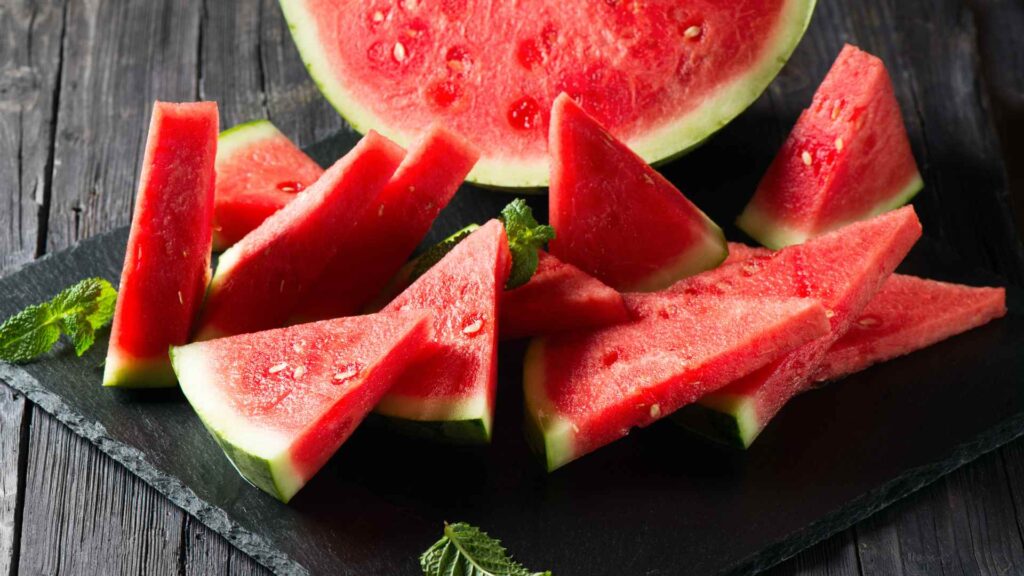
- Plain ripe flesh: cut into small seed-free, rind-free pieces.
- White rind and green peel: remove completely because they are tough and difficult to digest.
- Mature black or brown seeds: remove rather than encouraging a dog to swallow many.
- Whole wedge or half melon: unsafe presentation because the dog can tear off rind and large chunks.
- Juice, candy, ice pops, salad, and flavored products: assess all ingredients, not just watermelon.
Pineapple requires a similar flesh-versus-outside decision, and our pineapple guide covers its prickly rind and dense core. Fruit preparation is not one rule pasted onto every species.
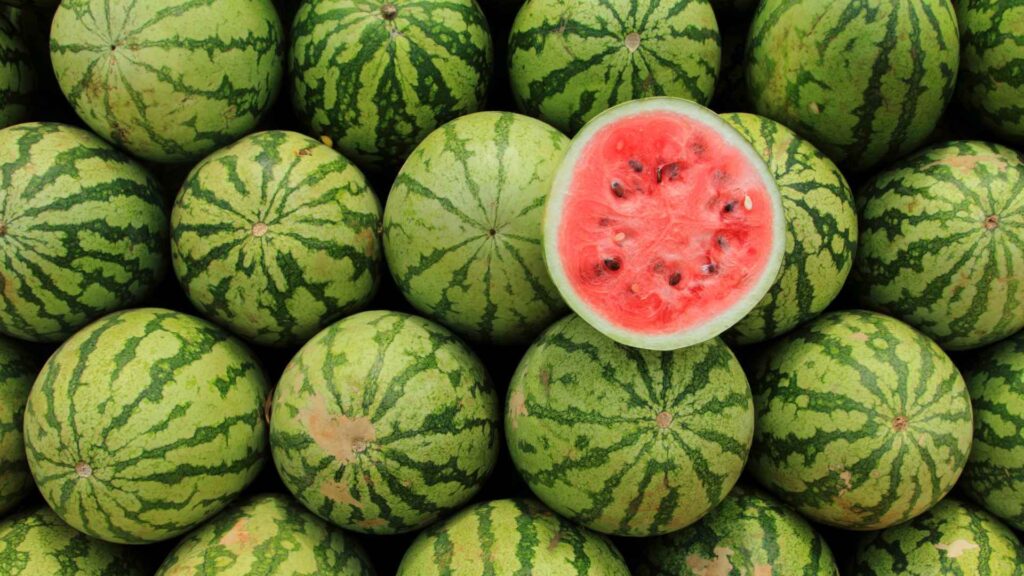
Rind is the main physical hazard
Watermelon rind is thick, fibrous, and capable of being torn into large curved pieces. It can choke a dog, lodge in the esophagus, cause vomiting, or obstruct the stomach or intestines.
The American Kennel Club watermelon guide recommends removing rind and seeds and serving only a few bite-sized pieces. The physical hazard depends on the dog and piece size, not on whether the rind contains a classic poison.
- Active choking, breathing difficulty, blue or pale gums, collapse, or severe distress is an emergency.
- Repeated gagging, drooling, retching, or trouble swallowing needs prompt veterinary assessment.
- Repeated vomiting, abdominal pain, food refusal, marked lethargy, or reduced stool can follow obstruction.
- A swallowed produce sticker, bag, rubber band, knife guard, skewer, or container changes the case.
Do not induce vomiting after rind ingestion unless a veterinary professional specifically directs it. A large rough piece can cause more trouble on the way back up, and waiting for symptoms may reduce treatment options.

Seeds need a calm, practical rule
A few pale undeveloped seeds in seedless fruit are unlikely to create a problem for most dogs. Mature dark seeds are firmer, and swallowing many adds choking and gastrointestinal concerns, especially for small dogs.
There is no reason to count out a universal safe number. Choose seedless fruit, inspect the portion, remove mature seeds, and call when a small dog ate a seed-heavy section or symptoms appear.
A dog that steals one seed should not be described as poisoned. A dog that gulped a rind-on wedge or a bowl full of mature seeds deserves a more serious physical-hazard assessment.
How to prepare watermelon safely
- Choose an intact melon without cracking, leaking, mold, or deeply damaged areas.
- Wash and scrub the outside under running water before cutting.
- Use a clean knife and board, then remove the green peel and white rind completely.
- Inspect the red or yellow flesh and remove mature seeds and hard pale clusters.
- Cut a few thin pieces for the dog and refrigerate the remaining cut fruit promptly.
The FDA produce-safety guide recommends washing produce before cutting so a knife does not carry surface contamination into the flesh. Use running water, not soap, detergent, bleach, or commercial produce wash.
Buy pre-cut watermelon only when it is refrigerated or surrounded by ice, and keep packaged cut fruit cold. Clean hands, boards, knives, dishes, and refrigerator containers reduce cross-contamination.
Yellow and orange watermelon
Flesh color does not change the preparation rules. Remove rind and mature seeds, inspect freshness, and keep the portion small.
Watermelon is not heatstroke treatment
Watermelon contains lots of water, but chewing fruit cannot replace unrestricted drinking water, cooling, and veterinary care. A dog with heatstroke can deteriorate while an owner offers snacks.
Heavy panting, weakness, confusion, vomiting, collapse, seizures, or very hot body temperature after heat exposure is an emergency. Move the dog out of the heat, begin safe cooling while contacting an emergency veterinarian, and do not force food or water into an impaired dog.
Even mild dehydration from vomiting or diarrhea needs attention if the dog cannot keep water down. Watermelon adds sugar and fiber to an already upset gut and cannot correct electrolyte or circulation problems.
Sugar and volume still matter
Watermelon is mostly water but still contains natural sugar and takes up stomach space quickly. A large bowl can cause gas, loose stool, vomiting, abdominal discomfort, or appetite loss.
Dogs with diabetes, obesity, chronic gastrointestinal disease, or a prescribed therapeutic diet need individualized advice. A low-calorie label does not make unlimited fruit compatible with every condition.
The UC Davis veterinary treat guideline recommends that all treats and extras stay below 10 percent of daily calories. It lists a measured watermelon portion as an example, but the allowance includes chews, training food, scraps, and medication helpers.
Ten percent is a ceiling, not a target. Begin with one small piece and stop after a few rather than turning a wedge into a serving chart.
Frozen watermelon deserves a tooth and choking check
Freezing turns soft fruit into a hard object, and a large cube can crack a tooth or slide toward the throat. Tiny dogs, puppies, seniors with dental disease, and gulpers need a softer option.
Freeze only seed-free, rind-free, thin pieces and allow them to soften slightly before serving. Supervise and remove a small slippery end piece before it is swallowed whole.
A frozen treat may feel pleasant, but it does not prevent or treat heatstroke. Keep walks, shade, water, surface temperature, humidity, and the dog’s health at the center of hot-weather safety.

Juice, puree, and ice pops
Watermelon juice
Juice removes the rind problem but makes sugar and volume fast to consume and may contain other juices, sweeteners, or flavoring. Water is the correct routine drink.
Pureed watermelon
A spoonful of plain seed-free puree can be easier for a dog with poor teeth, but it is also easy to overfeed. Do not use it to force fluids into a nauseated or neurologically impaired dog.
Ice pops and frozen blends
Human ice pops may contain added sugar, xylitol, chocolate, dairy, artificial flavors, or wooden sticks. A homemade blend is only as safe as every ingredient and its serving size.
If yogurt is part of a frozen treat, our yogurt guide covers lactose, fat, sweeteners, and why ordinary yogurt is not probiotic therapy. Check for xylitol every time.
Watermelon salad and party food
Fruit salad can contain grapes, raisins, cherries with pits, alcohol, chocolate, sweetener, skewers, or toothpicks. Picking out a watermelon cube after the dog raids the bowl does not reveal what else disappeared.
Grapes and raisins require prompt veterinary advice because individual dog sensitivity is unpredictable, as explained in our grape and raisin guide. Do not wait for vomiting or kidney-related signs.
Watermelon salads may also include feta, salty seasoning, onion, hot pepper, oil, or balsamic glaze. The familiar fruit does not neutralize the rest of the recipe.
Candy, gummies, soda, and flavored products
Watermelon flavor often means sugar, acids, colors, and sweeteners rather than meaningful fruit. Sugar-free gum, candy, drink mix, and supplements may contain xylitol and require immediate professional contact.
Edible cannabis gummies can also use fruit flavors and add a separate poisoning risk. Keep the package, prevent further access, and contact a veterinarian or poison service promptly.
Chocolate-covered fruit or watermelon-flavored chocolate needs the product-specific approach in our chocolate guide. Cocoa type, concentration, amount, time, and dog’s weight all matter.

Spoiled melon and outdoor scraps
Discard cut watermelon that is slimy, bubbly, fermented-smelling, moldy, leaking, or improperly stored. Do not make the dog the cleanup crew for fruit that people will not eat.
Picnic trash may include rind, skewers, plastic wrap, foil, corn cobs, bones, alcohol, grapes, onions, and food bags. Secure the entire bin instead of focusing on one melon.
Compost and fallen fruit can ferment or mold and attract wildlife. Tremors, seizures, severe weakness, repeated vomiting, collapse, or marked behavior change after a compost raid needs emergency care.
What to do after a watermelon raid
- Remove the food and locate rind, seeds, bags, stickers, skewers, sticks, and containers.
- Identify plain flesh versus rind-on fruit, a seed-heavy section, salad, candy, juice, or a frozen product.
- Estimate the amount, time, dog’s weight, symptoms, and relevant medical history.
- Check for xylitol, grapes, raisins, chocolate, cannabis, alcohol, onion, and swallowed objects.
- Call for rind ingestion, many mature seeds, unsafe ingredients, significant symptoms, or a vulnerable dog.
A healthy adult dog that ate several small seed-free, rind-free pieces and remains comfortable can usually be monitored. Keep water available and return to the normal diet without adding more fruit.
Rind exposure deserves more caution because piece size and dog size affect obstruction risk. Repeated vomiting, abdominal pain, food refusal, reduced stool, profound lethargy, gagging, or breathing trouble needs prompt care.
Frequently asked questions
Can puppies eat watermelon?
A tiny seed-free, rind-free piece may be tolerated, but puppies need almost all calories from complete growth food. Cut or mash it and supervise closely.
Can dogs eat seedless watermelon?
Yes, the flesh can be an occasional treat after every bit of rind and any firm seeds are removed. Seedless fruit still needs inspection and portion control.
What if my dog ate watermelon rind?
Call a veterinarian with the dog’s weight, estimated piece size, time, and symptoms. Do not wait for repeated vomiting or pain before asking whether imaging or monitoring is appropriate.
Can watermelon hydrate a sick dog?
It cannot replace water or veterinary fluid therapy and may worsen an upset stomach. A dog that cannot keep water down, seems weak, or has heat-related signs needs care.
Can dogs eat frozen watermelon?
A thin seed-free, rind-free piece can be offered after slight softening, but hard cubes create tooth and choking risks. Frozen fruit is enrichment, not heat treatment.
The bottom line
A few small pieces of plain seedless watermelon flesh can suit many healthy adult dogs. Remove rind and mature seeds, cut for the dog, supervise frozen pieces, and keep the day’s total treats modest.
Watermelon does not treat dehydration or heatstroke. After a raid, the missing rind, seeds, co-ingredients, packaging, symptoms, and dog’s size tell you far more than the fruit’s water percentage.