Can Dogs Eat Cashews? Plain Pieces, Mixed Nuts, and Real Risks
Dogs can eat a tiny piece of plain, unsalted cashew, and cashews are not known to contain a dog-specific toxin. They are still fatty, calorie-dense, easy to gulp, and often sold with salt, coatings, or dangerous companions, so “not toxic” is not the same as “good everyday treat.”
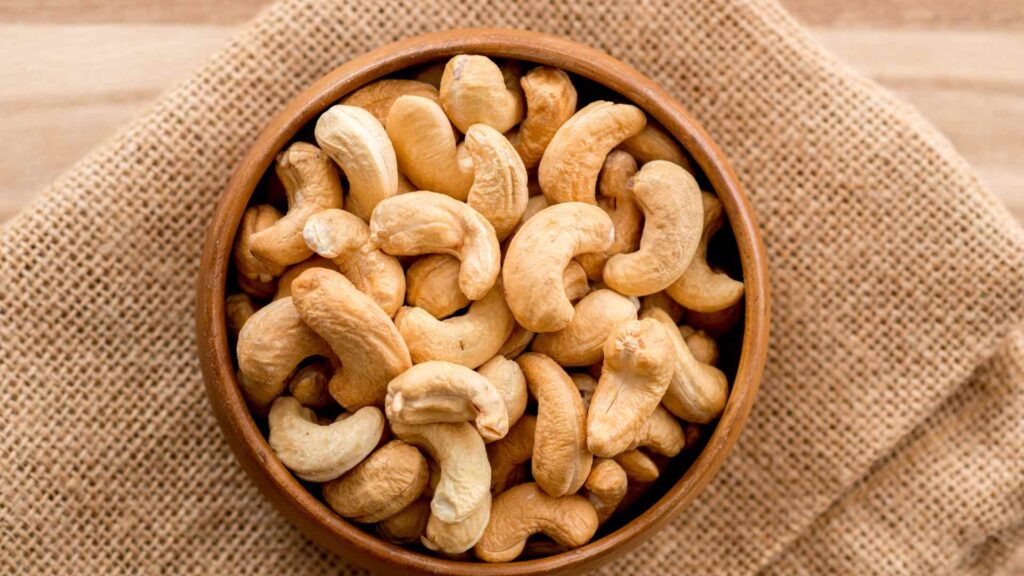
The useful answer
One small plain cashew is unlikely to harm most healthy medium or large dogs. A bowl of salted nuts, a chocolate-coated cashew, trail mix, or any serving for a dog with pancreatitis history is a different question.
Cashews add fat and calories without completing a canine diet, so there is no nutritional reason to seek them out. If you want to share, use a crumb or small broken piece and stop there.
Our broader guide to nuts and dogs explains why each nut and finished product needs its own check. The bag’s ingredient list matters more than the word “cashew” on the front.
Why fat and calories matter
Cashews concentrate a lot of energy into a small bite, which makes portions deceptively easy to overshoot. Regular handfuls can contribute to unwanted weight gain even when the dog never has an obvious stomach reaction.
A sudden rich snack may cause vomiting, diarrhea, poor appetite, gas, or abdominal discomfort. Dietary indiscretion and large amounts of table scraps are recognized pancreatitis risk factors in dogs, according to the Merck Veterinary Manual.
This does not mean one cashew causes pancreatitis. It means a large nut raid deserves more caution, particularly in a dog with a previous episode, high blood fats, obesity, diabetes, or a prescribed low-fat diet.
Repeated vomiting, a painful or tense abdomen, marked lethargy, loss of appetite, or inability to keep water down needs veterinary attention. Do not dismiss those signs as ordinary richness after a large serving.
Salt, spices, and coatings
Most snack cashews are designed for people, with salt, oil, smoke flavor, chili, garlic, onion, honey, sugar, or seasoning blends. These additions can cause thirst, gastrointestinal upset, or ingredient-specific toxicity.
Garlic and onion powders are concentrated and can damage canine red blood cells in sufficient amounts. Never assume “barbecue,” “ranch,” or “savory” seasoning is safe without reading the label.
A small lick of salt is not automatically salt poisoning, but a large salty snack raises more concern, especially when water is unavailable or the dog has kidney, heart, or fluid-balance problems. Keep fresh water accessible and call a veterinarian about a large exposure rather than forcing the dog to drink.
Chocolate-covered cashews combine the nut’s fat with cocoa methylxanthines. Use the package and our chocolate exposure guide, then call a veterinarian or animal poison service promptly.
Sugar-free coatings may contain xylitol, also called birch sugar or wood sugar, which can cause a dangerous blood-sugar drop and possible liver injury in dogs. The FDA advises immediate professional contact after possible xylitol ingestion.
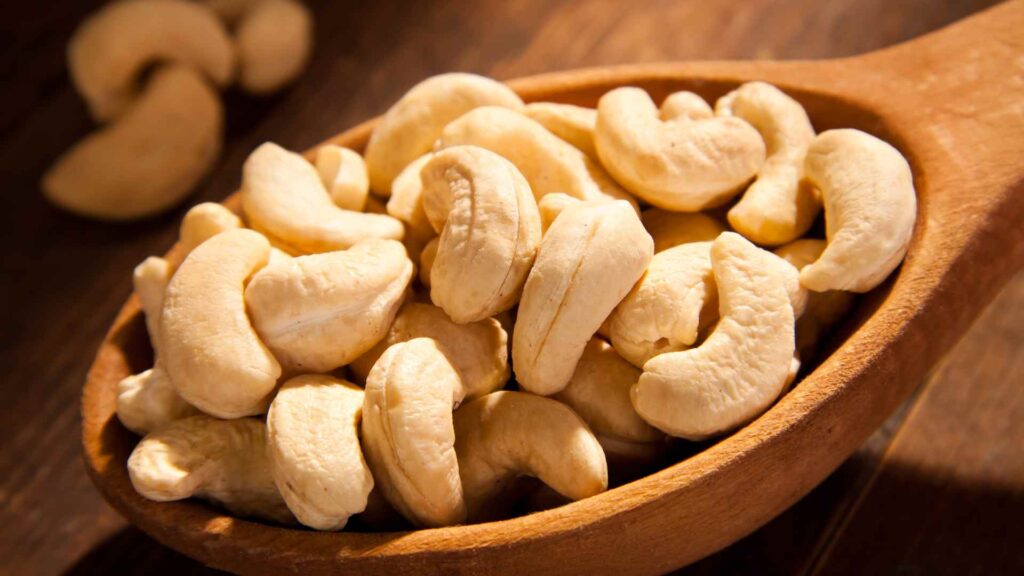
Mixed nuts and trail mix need a full inventory
A cashew found in mixed nuts may have shared a bowl with macadamias, raisins, chocolate pieces, coffee beans, or seasoned crackers. Cross-contact is less important than determining whether the dog swallowed those other items too.
Macadamia nuts are toxic to dogs and can cause vomiting, weakness, poor coordination, tremors, depression, and increased body temperature. The Merck veterinary review recommends exposure-based veterinary assessment rather than treating macadamias like ordinary fatty nuts.
Raisins and grapes can cause acute kidney injury in susceptible dogs, and risk is variable. Check our grape and raisin guide and call immediately when any may be missing.
Pecans and walnuts may be moldy or rancid, and all nuts can create a fat load. Our pecan guide covers that nut separately, but do not delay a poison call while sorting a complicated trail mix.
Take a photo of the ingredient list, weigh or count what remains, and save the package. “A few mixed nuts” is far less useful to a clinician than the brand, missing amount, and list of possible co-ingredients.
What “raw cashews” really means
Cashews grow inside a shell that contains irritating, caustic oils, so truly unprocessed in-shell cashews are not a dog treat. Do not offer shells, cashew fruit waste, or nuts gathered from a tree.
Retail cashews labeled “raw” have normally been removed from the shell and heat-treated during processing even though they are not roasted for flavor. That edible retail product is different from a genuinely unprocessed cashew still associated with its shell.
For a dog, the practical rule is simple: use only an edible human-grade kernel from a sealed product, never an in-shell or foraged cashew. Plain dry-roasted and retail “raw” kernels carry similar portion concerns because both are fatty and calorie-dense.
Whole nuts can be awkward to swallow
A whole curved cashew can become a choking hazard, particularly for a toy breed, puppy, senior, or dog that bolts food. Large swallowed pieces may also cause gastrointestinal trouble, although one chewed kernel is unlikely to obstruct most dogs.
Break the nut into a small crumb and supervise. Cashews are not dental chews, and their shape does not clean teeth.
Emergency choking signs include frantic pawing at the mouth, inability to breathe, blue or pale gums, collapse, or silent distress. Repeated gagging, drooling, regurgitation, and repeated attempts to swallow also need prompt veterinary assessment.
Can dogs have cashew butter or cashew milk?
Cashew butter concentrates many nuts into a small spoonful and may include salt, sugar, oil, chocolate, or xylitol. Read every ingredient, and compare it with our nut butter safety guide.
Cashew milk is usually mostly water, but formulas vary in sweeteners, oils, gums, flavors, vitamins, and nut concentration. It is not a puppy milk replacer, hydration aid, or nutritional supplement for dogs.
A lick of plain unsweetened cashew milk is unlikely to harm most healthy dogs, but there is no reason to pour a bowl. Avoid chocolate, coffee, sugar-free, macadamia-blend, and heavily fortified products.
How much cashew can a dog have?
No evidence-based chart assigns a number of cashews to each dog size, and a rigid table invites overfeeding. A crumb or small broken piece is enough to test tolerance in a healthy adult.
The World Small Animal Veterinary Association recommends keeping all treats below 10 percent of daily calories. That ceiling includes training rewards, chews, table scraps, pill foods, and every cashew combined.
Dogs on prescription diets, low-fat plans, elimination trials, or weight-loss programs should receive no cashews unless their veterinary team approves them. Regular kibble is a safer, more predictable reward.
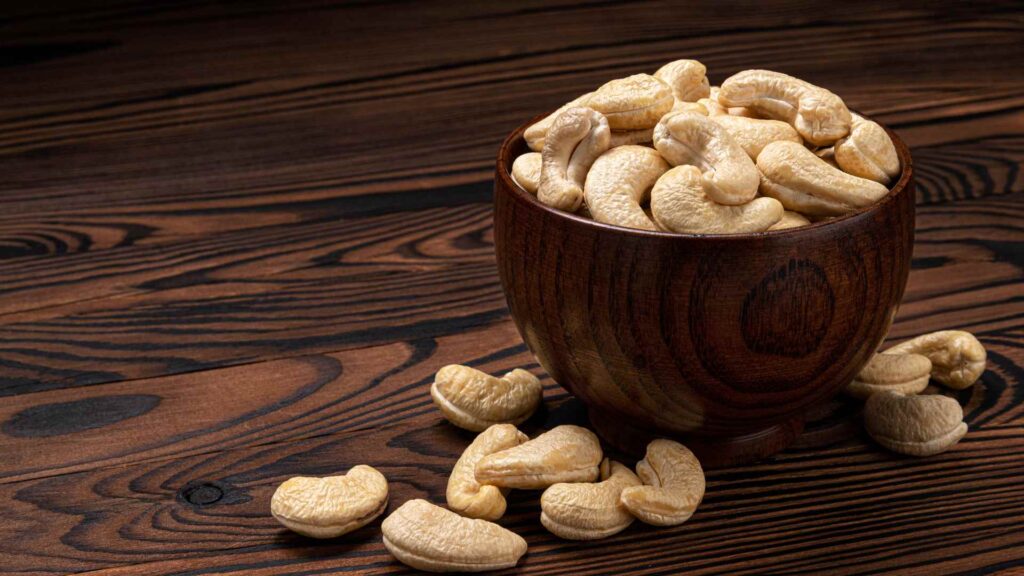
My dog ate cashews: what should I do?
Remove the bag, collect the label, and determine what type and amount were eaten. Note salt and seasonings, other nuts or fruit, chocolate or xylitol, time, dog weight, medical conditions, and current symptoms.
A healthy dog that ate one or two plain cashew pieces and remains comfortable can usually be observed. Provide normal water access, feed the usual balanced diet, and skip extra treats.
Call promptly after a large amount, an unknown quantity, a mixed product, a swallowed package, or any exposure involving macadamias, raisins, chocolate, xylitol, alcohol, or cannabis. The ASPCA food-hazard guide summarizes several of these ingredient risks.
Seek urgent care for breathing trouble, collapse, seizures, tremors, severe weakness, repeated vomiting, a swollen or painful abdomen, blood, or inability to keep water down. Do not induce vomiting, give salt, or administer human medication unless a veterinarian directs you.
Better rewards and safer storage
Part of the dog’s regular kibble is the simplest replacement for cashews because its calories and ingredients already belong to the daily plan. Small pieces of a veterinarian-approved fruit, vegetable, or lean cooked meat may also provide a high-value reward with less fat.
Food is not the only currency a dog understands. A sniff break, cheerful praise, a quick game, or access to a favorite toy can reward good behavior without expanding the treat budget.
Keep nut tubs, party bowls, gift baskets, baking supplies, and trail mix in closed cabinets rather than on counters or coffee tables. Cashews often sit beside chocolate, raisins, and macadamias during holidays, which turns a simple snack raid into a multi-ingredient toxicology problem.
Discard stale, rancid, moldy, or damp nuts and secure the bag or jar as well as the food. Plastic packaging can be swallowed, and a dog that pushes its head into a snack bag can face a suffocation hazard.
Frequently asked questions
Are cashews poisonous to dogs?
Plain edible cashew kernels are not known to contain a dog-specific toxin. Problems arise more often from fat, calories, salt, coatings, choking, large quantities, or toxic ingredients mixed with them.
Can puppies eat cashews?
Cashews offer no advantage to a growing puppy and a whole nut is an awkward shape. Use complete puppy food for rewards, or ask the veterinarian about a tiny plain crumb.
Can dogs eat roasted cashews?
A tiny piece of dry-roasted, unsalted, unseasoned cashew is generally the simplest form. Oil-roasted, salted, honey-roasted, spiced, and chocolate-coated products are poorer choices.
Do cashews cause allergies in dogs?
Dogs can react adversely to many foods, but one itch or loose stool does not diagnose a cashew allergy. Recurrent signs should be evaluated through a veterinarian-directed diet history and, when appropriate, a controlled elimination trial.
The bottom line
A tiny plain cashew piece is unlikely to hurt a healthy dog, but cashews are rich, calorie-dense, and unnecessary. Break the kernel, keep the portion genuinely small, and avoid salt, coatings, shells, and mixed products.
Macadamias, raisins, chocolate, xylitol, a large nut raid, or concerning symptoms changes the response from observation to a prompt professional call. Bring the package so the advice matches the food the dog actually ate.