Can Dogs Eat Peanuts? Shells, Salt, Fat, and Mold Explained
Many healthy adult dogs can eat one or two plain, fresh, shelled, unsalted peanuts, but peanuts are easy to overfeed. Avoid shells, salt, oil, sweet or spicy coatings, stale or moldy nuts, and mixed snacks; dogs with pancreatitis, obesity, food allergy concerns, or veterinary diets need a more cautious answer.
Peanuts are not macadamias, but that is not the whole story
A plain peanut does not cause the specific weakness and hyperthermia syndrome associated with macadamia nuts. The usual peanut problems are far more ordinary: too much fat, too many calories, salt, coatings, choking shapes, shells, mold contamination, and mixed ingredients.
The American Kennel Club peanut guide recommends only dry-roasted or raw unsalted peanuts, with shells removed and portions kept small. It also warns that repeated or large high-fat intake can cause digestive trouble and may contribute to pancreatitis.
Peanuts are legumes botanically, but snack bowls group them with nuts, so our nut-by-nut dog guide remains useful when several species are mixed together.
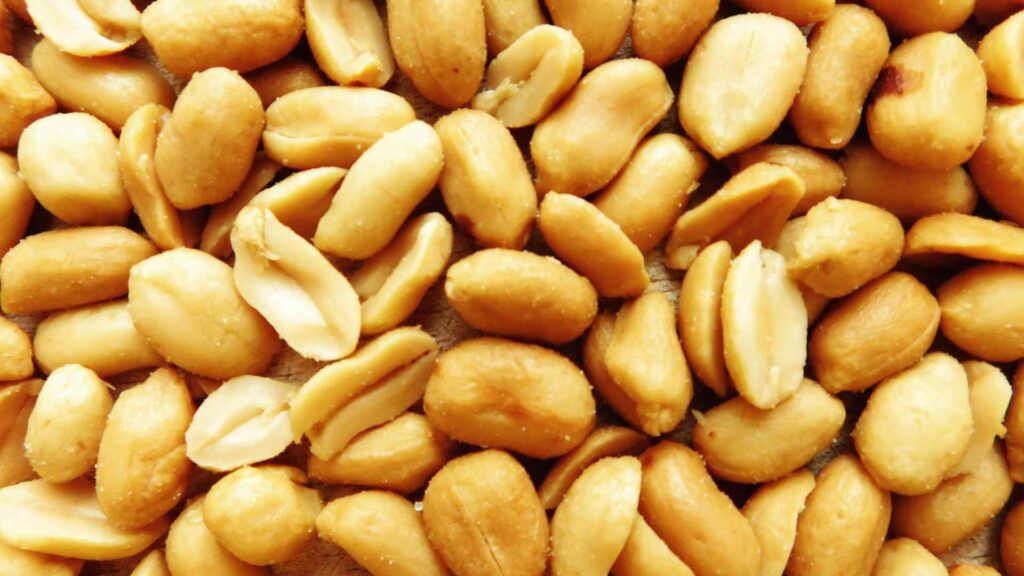
A peanut worth considering passes five checks
- It is fresh, commercially stored, and shows no moisture damage, rancid odor, insects, or spoilage.
- The papery pod and all shell pieces have been removed.
- The kernel is plain, unsalted, unseasoned, and not coated in oil, sugar, chocolate, or candy.
- It is separated into a small piece for a dog that chews rather than gulps.
- The dog is healthy, allowed treats, and has no relevant fat, calorie, allergy, or prescription-diet restriction.
If that checklist feels fussy, use a piece of the dog’s regular food instead. Peanuts are optional and provide no benefit that requires accepting preventable uncertainty.
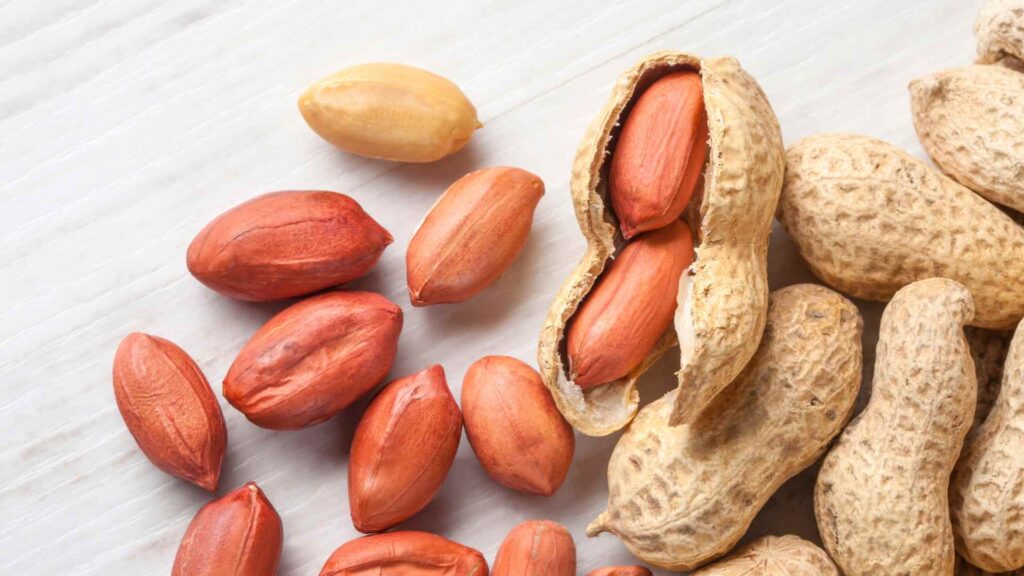
Peanut shells belong in secure trash
The outer pod is fibrous, hard to digest, and capable of becoming a choking or gastrointestinal foreign-body problem. Cracked edges can irritate the mouth, and many shells swallowed together are more concerning than one tiny fragment.
A dog raiding a bowl of in-shell peanuts may also swallow salt, plastic, a bag clip, desiccant packet, scoop, or serving utensil. Count shells and inspect every missing object.
The FDA dangerous-items guide explains that swallowed objects can obstruct the esophagus, stomach, or intestines. Food bags also pose suffocation and ingestion hazards.
Choking and obstruction signs
Difficulty breathing, blue or pale gums, collapse, or severe distress is an emergency. Repeated vomiting, inability to keep water down, abdominal pain, profound lethargy, appetite loss, or difficulty passing stool after shells or packaging also needs prompt veterinary care.
Salt and seasoning turn a kernel into a product
One salted peanut is unlikely to cause salt poisoning in a healthy dog with normal water access, but a large salted-nut raid can deliver substantial sodium. Dogs on sodium-restricted diets should not receive casual salted snacks at all.
Barbecue, ranch, chili, Cajun, garlic, onion, wasabi, and cheese seasonings can irritate the gastrointestinal tract or introduce toxic Alliums. Powder clings to the nuts and cannot be reliably removed by a quick rinse.
Honey-roasted and candied peanuts add sugar and often oil. Sugar-free coatings or candies require an immediate xylitol check, while chocolate-covered peanuts require a chocolate-specific assessment.
Fat and calories are the everyday limit
Peanuts concentrate calories and fat into small pieces, so a handful disappears faster than its dietary impact. This is especially important for small dogs and dogs receiving peanuts during every training session.
A large raid can lead to vomiting, diarrhea, abdominal discomfort, and reduced appetite. Dogs with current or previous pancreatitis, hyperlipidemia, obesity, or a prescribed low-fat diet should not receive peanuts without veterinary approval.
Not every dog that eats peanuts develops pancreatitis, and one plain kernel should not be described as a pancreatic emergency. Repeated vomiting, painful or tense abdomen, hunched posture, marked lethargy, or refusal to eat does require veterinary assessment.
The UC Davis veterinary treat guideline recommends keeping all treats and extras below 10 percent of daily calories. Peanuts share that allowance with chews, table scraps, training rewards, and pill foods.
Peanut butter is a separate label check
A whole peanut and a spoonful of peanut butter deliver different amounts and eating speeds. Peanut butter can add oil, sugar, salt, emulsifiers, chocolate, flavoring, or xylitol, and a dog can swallow a large calorie load in seconds.
Use our dedicated peanut butter guide before choosing a spread. The ingredient list matters every time because formulas and specialty products change.
The FDA xylitol warning says xylitol can cause a rapid, profound drop in canine blood sugar and may cause liver injury. Call a veterinarian or animal poison-control service immediately for any xylitol-containing spread.
Do not give syrup, food, or hydrogen peroxide as a home antidote unless a professional directs you. Weakness, poor coordination, collapse, tremors, or seizures after a possible xylitol exposure is an emergency.
Mold and aflatoxin deserve context, not panic
Peanuts are among crops that can be contaminated with aflatoxins produced by certain Aspergillus molds. Commercial food controls reduce risk, so a fresh peanut from an intact normal product is not presumed poisonous.
The FDA aflatoxin guide for pet owners notes that contaminated peanuts can cause poisoning and that toxins may be present without visible mold. It advises saving packaging and lot information when contaminated food is suspected.
The Merck Veterinary Manual aflatoxicosis review describes liver injury, poor appetite, depression, jaundice, bleeding, poor growth, and severe illness depending on dose and exposure duration.
Discard wet, stale, rancid, insect-damaged, visibly moldy, or recalled peanuts where pets cannot retrieve them. Do not use smelling, washing, roasting, or picking off visible mold as a home test or decontamination method.
When mold concern needs a call
Call when a dog eats a substantial amount of spoiled nuts, a recalled product, or food shared by multiple sick animals. Jaundice, unexplained bruising or bleeding, profound lethargy, vomiting, diarrhea, or appetite loss needs prompt veterinary care.
Peanut allergy is possible but not predictable from human allergy
Dogs can react adversely to food proteins, but canine food allergy does not mirror the prevalence or pattern of human peanut allergy. A family member’s allergy and a dog’s tolerance are separate questions.
Possible food-related signs include recurring itch, ear disease, vomiting, or diarrhea, yet none proves peanuts are responsible. Facial swelling, widespread hives, breathing difficulty, weakness, or collapse after eating is an emergency.
The Merck Veterinary Manual food-allergy review identifies a controlled elimination diet as the reference diagnostic approach. Mail-order hair, saliva, and similar tests do not reliably establish clinical food allergy.
Do not give peanuts during a veterinary elimination trial unless they are specifically allowed. Peanut flour, oil, butter, treats, flavored medication, and cross-contact can all matter to a strict trial.
Mixed nuts and snack mixes require an inventory
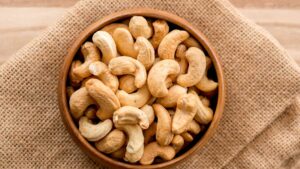
Mixed containers may include macadamias, raisins, chocolate, xylitol-sweetened candy, walnuts, pecans, almonds, pistachios, or cashews. The dog may not have selected only the familiar tan kernels.
Our pistachio guide covers shells, salt, fat, and mold, while almonds bring their own choking and obstruction concerns.
The cashew guide is also separate because preparation and portion details differ. Identify every ingredient and keep the package.
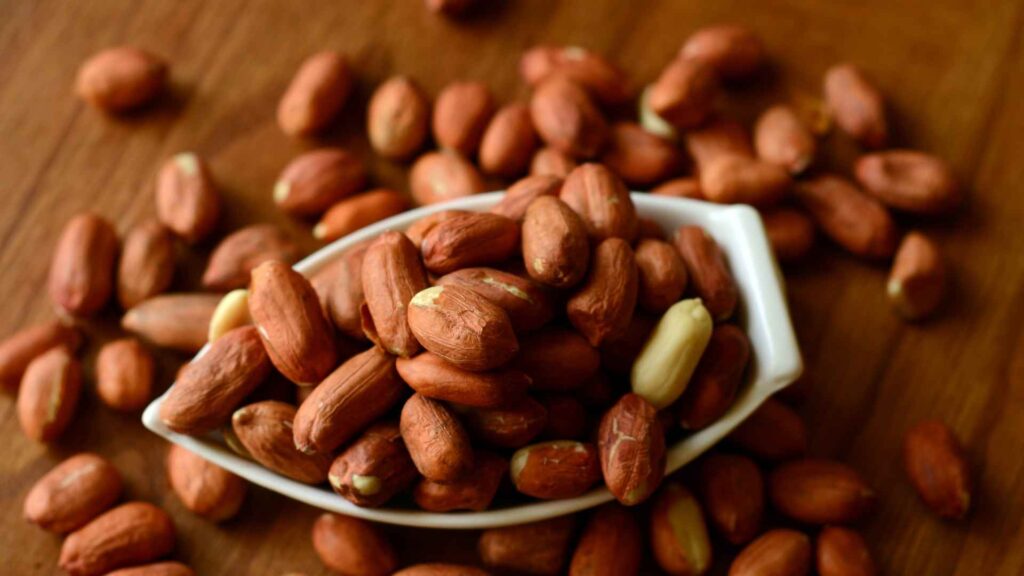
Peanut dishes are more than peanuts
Peanut brittle and candy
Brittle is hard, sugary, and may contain butter, chocolate, or xylitol in sugar-free versions. Hard shards can be awkward for teeth and swallowing, while wrappers add a foreign-body risk.
Peanut sauces
Satay and peanut sauces may contain onion, garlic, soy sauce, chili, sugar, coconut milk, oil, and skewers. The recipe, sodium, and missing sticks matter more than the peanut name.
Trail mix and granola
Trail mix frequently includes raisins, chocolate, macadamias, sweetener, and other nuts. Treat a raid as a multi-ingredient exposure and call promptly when grapes or raisins, xylitol, or chocolate are involved.
Boiled peanuts
Boiled peanuts are commonly prepared in salty brine and remain inside softened shells. They are not a safer dog format, and the liquid can contribute additional sodium.
How many peanuts can a dog eat?
No universal count works across peanut size, dog size, calorie need, health history, and diet. For a healthy adult dog trying a suitable peanut, one small kernel or piece is enough to learn tolerance.
There is no reason to push toward the 10 percent calorie ceiling or make peanuts daily. Measured pieces of complete dog food are easier to count and do not invite shell, seasoning, or mold confusion.
Puppies should receive nearly all calories from a complete growth diet. Dogs on prescription diets, weight-loss plans, or controlled fat, sodium, protein, or ingredient programs should use only approved rewards.
What to do after a peanut raid
- Remove access and save the package, recipe, ingredient list, lot code, and recall information.
- Estimate kernels and shells separately and identify salt, oil, coating, peanut butter, or mixed nuts.
- Check for xylitol, chocolate, raisins, macadamias, onion, garlic, alcohol, and cannabis.
- Inspect for missing plastic, foil, clips, desiccant packets, skewers, wrappers, or containers.
- Call promptly for xylitol, toxic mix-ins, shells, a large amount, spoiled product, medical restrictions, or symptoms.
Do not induce vomiting unless a veterinary professional directs you. A healthy adult dog who ate one plain shelled unsalted peanut and feels normal can usually be monitored with normal water and no more rich treats.
Frequently asked questions
Are peanuts toxic to dogs?
Fresh plain peanuts are not considered a specific canine toxin, but shells, fat, salt, coatings, mold, and mixed ingredients can make a snack unsafe.
Can dogs eat roasted peanuts?
Dry-roasted peanuts can fit the same rule when unsalted, unseasoned, shelled, fresh, and offered sparingly. Oil-roasted or flavored products are poorer choices.
Can dogs eat peanut shells?
No. Shells are fibrous and indigestible and can contribute to choking, irritation, or obstruction.
Can puppies eat peanuts?
There is no need to use peanuts as puppy treats. Their growth diet and small calorie allowance should be protected, and kernels or shells can be gulped.
Can peanuts cause pancreatitis?
A large or repeated high-fat intake may contribute in susceptible dogs, but one plain kernel does not guarantee disease. Persistent vomiting, pain, lethargy, or appetite loss needs veterinary care.
The bottom line
One or two fresh, plain, shelled, unsalted peanuts can be tolerated by many healthy adult dogs, but peanuts are calorie-dense and easy to overdo. Shells, coatings, salt, mold, and mixed snacks create the practical hazards.
Peanut butter needs its own xylitol and ingredient check, and peanuts are not interchangeable with macadamias or other nuts. Save labels and call for shells, large raids, unsafe additions, spoiled products, medical conflicts, or concerning symptoms.