Can Dogs Eat Celery? Safe Pieces, Strings, and Toppings
Most healthy adult dogs can eat a few small pieces of plain, washed celery. Cut across the stalk into bite-sized pieces, supervise chewing, and skip whole stalks, long strings, salt, dips, seasonings, and loaded snacks; celery is an optional treat, not a toothbrush, breath cure, hydration plan, or weight-loss treatment.
The simplest safe serving
- Choose a crisp stalk without slime, rot, heavy bruising, or mold.
- Wash it under running water and clean the cutting surface and knife.
- Trim the base and leaves if they are dirty or damaged.
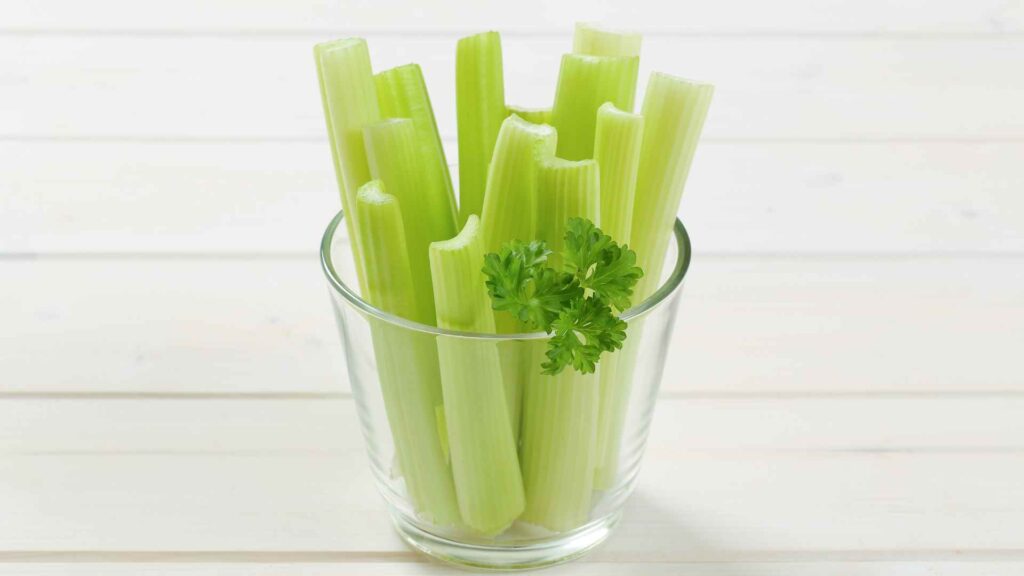
- Slice across the fibers into small pieces suited to the dog’s mouth.
- Offer one piece, supervise, and stop if coughing, gagging, vomiting, or diarrhea appears.
Peeling the strings is optional when the stalk is sliced thinly across the fibers. For tiny dogs, seniors with poor teeth, or dogs with swallowing trouble, finely chopping or lightly cooking plain celery may be easier.
The American Kennel Club celery guide also recommends bite-sized pieces because celery can become a choking hazard, particularly for small dogs. A whole crunchy stalk is a human presentation, not a canine serving size.
Why whole stalks and strings are awkward
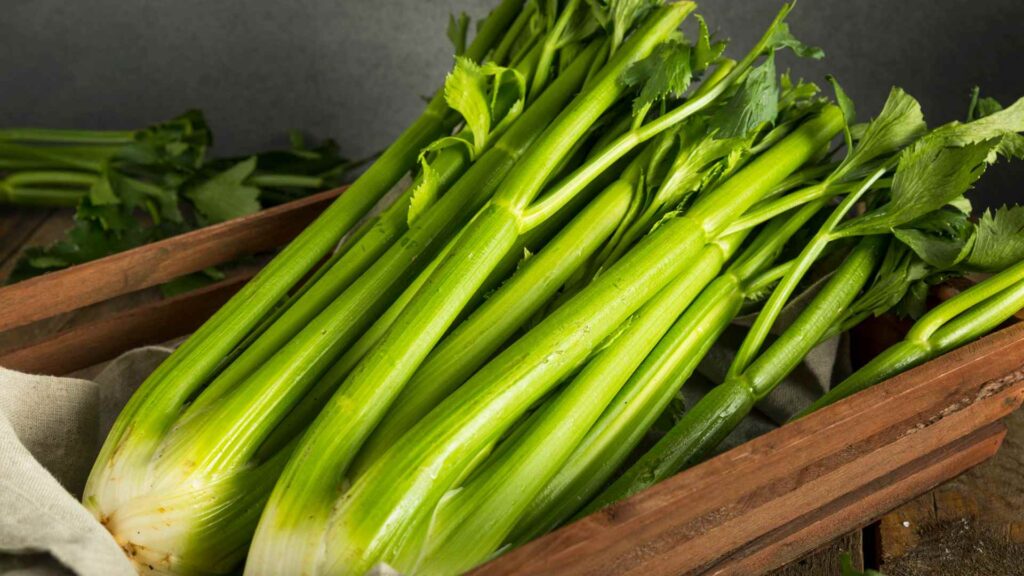
Long celery ribs are firm enough to break into irregular chunks but stringy enough to encourage prolonged chewing and gulping. A dog can cough, gag, or swallow a long piece before it is ready.
Celery strings are not toxic, yet stringy food can be unpleasant for a dog with dental disease or a swallowing disorder. Cutting crosswise shortens the fibers without inventing a need to remove every visible strand.
- Active choking, breathing difficulty, blue or pale gums, or collapse needs emergency help.
- Repeated gagging, drooling, pawing at the mouth, or trouble swallowing needs prompt assessment.
- Repeated vomiting, abdominal pain, profound lethargy, or food refusal is not a normal celery reaction.
- A dog that swallowed packaging, a toothpick, or a large foreign object needs a veterinary call.
Do not blindly sweep fingers deep into a struggling dog’s throat because an object can be pushed farther or the dog may bite involuntarily. Emergency first-aid training from a qualified instructor is more useful than trying to memorize a social-media maneuver.
Wash fresh celery properly
The FDA produce-safety guide recommends washing produce under running water, cutting away damaged areas, refrigerating pre-cut produce, and discarding rotten items. It specifically advises against soap, detergent, and commercial produce wash.
Separate celery from raw meat, poultry, seafood, and their utensils while preparing it. Clean hands, boards, knives, counters, and storage containers matter when the dog’s piece will be eaten raw.
Pre-washed or ready-to-eat packages can be used as labeled, but the dog’s piece still needs inspection and appropriate cutting. A best-by date does not override slime, off odor, leaking, or temperature abuse.
Raw versus cooked celery
Raw celery is fine for many dogs when chopped small and supervised. The crunch is not a nutritional requirement, and a dog that bolts food may do better with smaller or softer pieces.
Plain steamed celery can be easier to chew, but cook it without salt, butter, oil, broth, onion, garlic, or sauce. Cool it completely because soft food can still burn the mouth.
Celery from soup, stuffing, pot roast, casserole, or stir-fry has absorbed the rest of the dish. Removing one visible piece does not remove sodium, fat, onion, garlic, or seasoning already in it.
Celery does not brush a dog’s teeth
Crunching a vegetable is not a substitute for toothbrushing, professional dental assessment, or a proven dental product. Celery fragments do not clean below the gumline, diagnose infection, remove calculus safely, or repair a painful tooth.
The Veterinary Oral Health Council accepted-products list identifies products that meet its standards for controlling plaque or tartar. Celery is not a dental treatment simply because it makes a crisp sound.
Bad breath can come from periodontal disease, a broken tooth, oral infection, kidney disease, diabetes, gastrointestinal problems, or scavenged food. Masking odor briefly is not the same as treating its cause.
It is not a weight-loss or hydration therapy
Celery is low in calories, but weight loss still depends on a complete calorie plan, accurate portions, treats, activity, health status, and follow-up. Adding celery on top of an unchanged diet does not create a calorie deficit.
Its water content does not make it a treatment for dehydration, heat illness, vomiting, diarrhea, or kidney disease. Dogs need reliable access to fresh water, and a dog that cannot keep water down needs veterinary care rather than crunchy produce.
The UC Davis veterinary treat guideline recommends that treats and extras remain below 10 percent of daily calories. Low-calorie does not mean unlimited, especially when celery carries calorie-dense toppings.
Celery contains some sodium, but products matter more
The USDA celery nutrition page lists a modest amount of naturally occurring sodium in a medium stalk. That does not make a couple of plain pieces a salt-poisoning event for a healthy dog.
Canned celery, pickled celery, soup, broth, seasoned vegetable trays, and restaurant dishes can contain much more sodium. Dogs on prescribed sodium restriction or with heart, kidney, blood-pressure, or fluid-balance concerns need individualized approval.
Never sprinkle salt to make celery interesting. If the dog does not want a plain piece, no nutritional problem has been created.
Ants on a log is three foods, not one
The classic snack combines a whole celery stalk with nut butter and raisins. The shape can be awkward, the nut butter is calorie-dense and sticky, and raisins are a canine kidney-toxicity emergency.
Our almond butter guide covers xylitol and fat checks, while our grape and raisin guide explains why there is no safe wait-and-see dose. If raisins disappeared, contact a veterinarian or animal poison-control service promptly.
Some versions use peanut butter, cream cheese, seeds, candy, dried cranberries, or chocolate chips. Read the recipe and package labels rather than assuming the cute snack name predicts safety.
Dips, spreads, and stuffed celery
Ranch, blue-cheese dip, pimento cheese, hummus, buffalo spread, cream cheese, and deli salads can add fat, sodium, dairy, onion, garlic, spices, or unsafe sweeteners. Celery is merely the delivery vehicle.
Cheese brings its own fat, sodium, and lactose questions, covered in our cheese guide. A thin smear for a human may still overwhelm the calorie value of the celery beneath it.
Onion and garlic powders are common in savory dips, so consult our onion safety guide when an ingredient list includes Alliums. Keep the container and estimate the amount eaten.

Celery leaves, seed, salt, and juice
Celery leaves
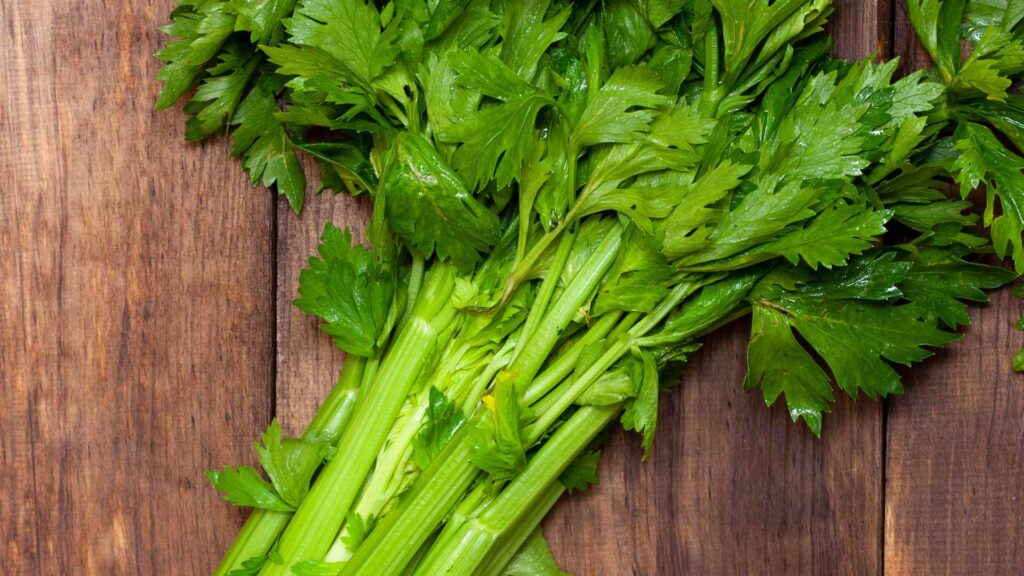
Clean, fresh leaves attached to grocery-store celery are not the main hazard, but they can hold dirt and are harder to portion than chopped stalk. Trim them when in doubt and never offer wilted, moldy, or pesticide-contaminated garden material.
Celery seed and celery salt
Celery seed is a concentrated seasoning, not a useful dog treat, while celery salt is deliberately salty. Keep spice jars away from pets and assess any large spill by ingredients and amount.
Celery juice
Juicing removes the chewing issue but makes fast consumption easy and may include apple, lemon, ginger, spinach, sweeteners, or salt. Water remains the correct routine drink.
Freeze-dried and dehydrated celery
Drying changes texture and concentrates food into a smaller volume. Commercial vegetable chips may add oil and seasoning, so they should not be treated as equivalent to one fresh chopped piece.
What to do after a celery mishap
- Remove the remaining stalks, dip, bowl, toothpicks, bag, twist tie, and packaging.
- Identify plain celery versus a loaded snack, soup, seasoned dish, juice, or dried product.
- Estimate the amount, piece size, time, dog’s weight, symptoms, and medical conditions.
- Check carefully for raisins, xylitol, onion, garlic, chocolate, high salt, and rich fat.
- Call for choking signs, swallowed objects, unsafe ingredients, repeated symptoms, or a medically vulnerable dog.
A healthy adult dog that ate several small plain pieces and remains comfortable can usually be monitored. Keep water available, return to the normal diet, and skip more extras for the day.
A stolen whole bunch may cause gastrointestinal upset even though celery is not a classic toxin. Repeated vomiting, bloody diarrhea, abdominal pain, profound lethargy, or inability to keep water down needs care.

Frequently asked questions
Can puppies eat celery?
A tiny, finely chopped plain piece may be tolerated, but puppies need almost all calories from a complete growth diet. Whole stalks and long pieces are a poor fit for small mouths.
Can dogs eat celery every day?
Daily celery is unnecessary. If it is used often, its pieces and any toppings must fit the complete diet, treat budget, chewing ability, and medical plan.
Does celery freshen dog breath?
It may briefly change mouth odor, but it does not treat the cause of persistent bad breath. Arrange a veterinary dental evaluation rather than hiding a warning sign.
Can dogs eat cooked celery?
Yes, when it is plain, soft, cooled, and cut small. Celery cooked in broth, soup, stuffing, sauce, butter, onion, or garlic is a mixed dish.
Is celery good for overweight dogs?
It can be a low-calorie treat option in an established weight plan, but it does not cause weight loss by itself. Ask the veterinarian for a calorie target and monitor body condition.
The bottom line
Plain celery is a reasonable occasional treat for many healthy adult dogs when it is washed and chopped across the strings. Whole stalks, dips, salt, seasoning, raisins, and packaging create the avoidable problems.
Keep celery in its lane as food, not dental care, breath treatment, hydration therapy, or a slimming program. A few carefully cut pieces are plenty.