Can Dogs Eat Avocado? Flesh, Pits, Persin, and Guacamole
Most dogs are not as sensitive to avocado persin as birds and livestock, and one small bite of plain ripe flesh is unlikely to be a poisoning emergency. Still, avocado is fatty, the pit can choke or obstruct, and the skin, leaves, stems, spoiled fruit, and guacamole create reasons to keep it off the regular treat menu.
Flesh, pit, plant, and guacamole need separate answers
- Ripe inner flesh: a tiny accidental bite is usually monitored in an otherwise healthy dog.
- Pit: a major choking and gastrointestinal foreign-body hazard, even when no toxin signs appear.
- Skin, leaves, stems, and bark: avoid exposure and call for advice if plant material was eaten.
- A large amount of flesh: concern shifts toward fat, calories, vomiting, diarrhea, and pancreatitis risk.
- Guacamole or avocado toast: assess onion, garlic, salt, fat, spicy ingredients, skewers, foil, and packaging.
This is not a recommendation to add avocado to a dog’s diet. It is a proportionate way to respond when a lick of plain flesh and a swallowed pit are clearly not the same event.
What persin means for dogs
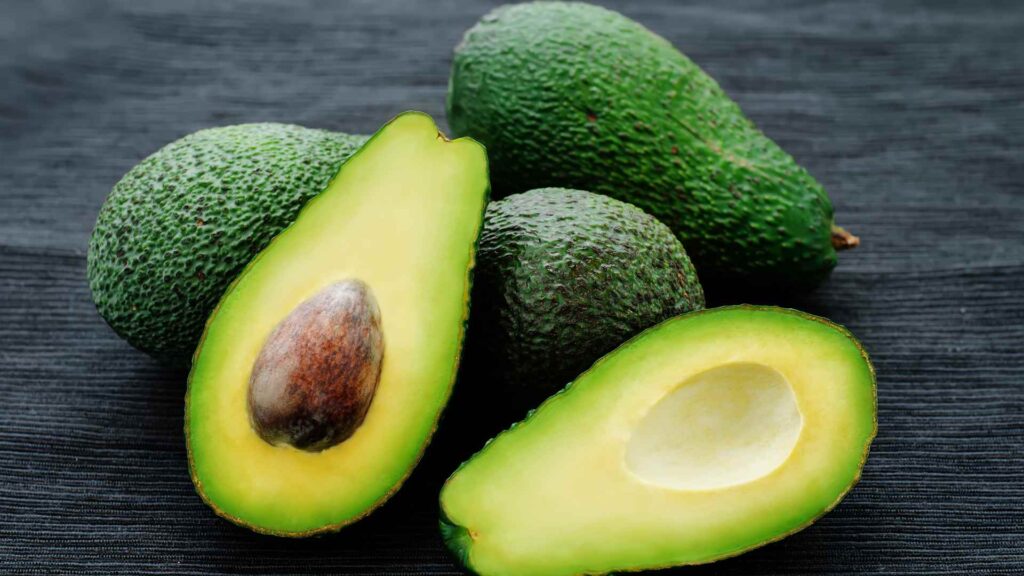
Avocado contains persin, but species sensitivity varies sharply. The Merck Veterinary Manual avocado review identifies birds and livestock as the animals at greatest risk and says leaves are the most toxic part.
Dogs appear relatively resistant compared with those species, although that does not make every avocado exposure harmless. Variety, plant part, amount, the dog’s health, and symptoms still belong in the assessment.
The ASPCA plant entry lists persin as the toxic principle and highlights severe effects in susceptible animals. A household with birds, rabbits, horses, goats, or other livestock should not borrow the dog-specific risk discussion.
Why blanket warnings miss the practical danger
The Pet Poison Helpline avocado entry states that avocado is not considered toxic to dogs and cats in the way it is to susceptible species, while emphasizing intestinal obstruction from the seed. That physical hazard can demand urgent treatment without classic poisoning signs.
Calling avocado deadly to every dog after any lick can cause needless panic. Calling it completely safe can cause an owner to miss a pit, fatty-food problem, plant exposure, or unsafe recipe.
The pit is the biggest dog-specific emergency
An avocado pit is large, smooth, slippery, and perfectly shaped for an enthusiastic dog to gulp. It may lodge in the throat, esophagus, stomach, or intestines and can require imaging, endoscopy, or surgery.
Do not assume a pit will dissolve because it is part of a fruit. It is a hard foreign object, and waiting for it to soften wastes valuable time.
- Active choking, blue or pale gums, collapse, or difficulty breathing needs emergency care now.
- Repeated retching, drooling, gagging, or trouble swallowing may indicate an esophageal problem.
- Repeated vomiting, abdominal pain, food refusal, marked lethargy, or reduced stool can follow obstruction.
- A dog may seem normal immediately after swallowing a pit, so call before symptoms settle the question.
Do not induce vomiting unless a veterinarian who has assessed the case explicitly directs it. Bringing a large pit back through the esophagus can add risk, and improvised remedies can delay definitive care.
Skin and plant material are not treats
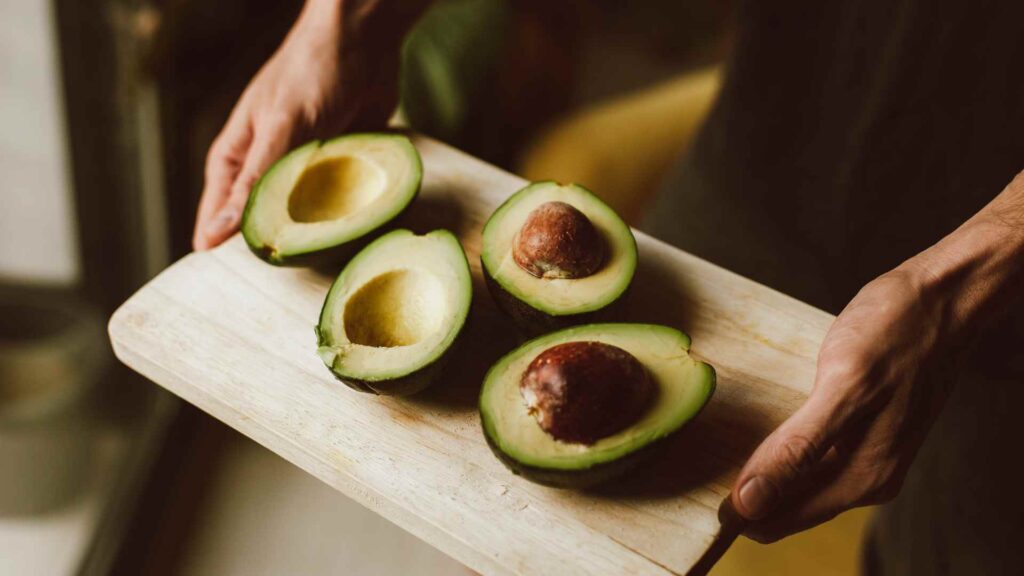
The leathery skin is hard to digest and can be gulped in large pieces. It also provides more fibrous material and less useful food than the ripe flesh, so there is no sensible reason to offer it.
Leaves, stems, bark, pruning debris, and fruit dropped under an avocado tree should be kept away from dogs and other animals. Secure compost and yard-waste bags because they can concentrate plant material, spoiled fruit, pits, and mold.
If a dog eats leaves or branches, photograph the plant and estimate the amount rather than guessing by the size of the mess. Call a veterinarian or animal poison-control service for case-specific guidance, especially with breathing changes, weakness, coughing, swelling, collapse, or repeated vomiting.
Fat and calories are the everyday flesh problem
Avocado flesh is calorie-dense and fatty compared with most fruits and vegetables. A tablespoon that looks modest on a human plate can take a noticeable bite out of a small dog’s daily treat budget.
A fatty raid may cause vomiting, diarrhea, abdominal discomfort, or appetite loss. Dogs with current or previous pancreatitis, hyperlipidemia, obesity, or a prescribed low-fat diet should avoid avocado unless their veterinarian has made room for it.
One small taste does not guarantee pancreatitis, so avoid predicting a crisis from the ingredient name alone. Persistent vomiting, a painful or tense abdomen, a hunched posture, profound lethargy, or refusal to eat deserves veterinary assessment.
The UC Davis veterinary treat guideline recommends keeping all treats and extras below 10 percent of daily calories. Avocado shares that allowance with chews, training rewards, table scraps, and food used for medication.
How to handle a tiny intentional taste
- Choose fresh, ripe avocado without mold, fermentation, or a rancid odor.
- Wash the intact fruit before cutting so dirt is not dragged through the flesh.
- Remove the pit and skin completely, then secure them before the dog enters the kitchen.
- Offer only a pea-sized piece of plain flesh to a healthy adult dog that chews normally.
- Stop after that taste and watch for vomiting, diarrhea, itching, swelling, or discomfort.
There is no universal avocado serving table because the better question is whether this rich food fits the individual dog. A lower-calorie piece of the dog’s regular food is usually easier.
Guacamole is not plain avocado
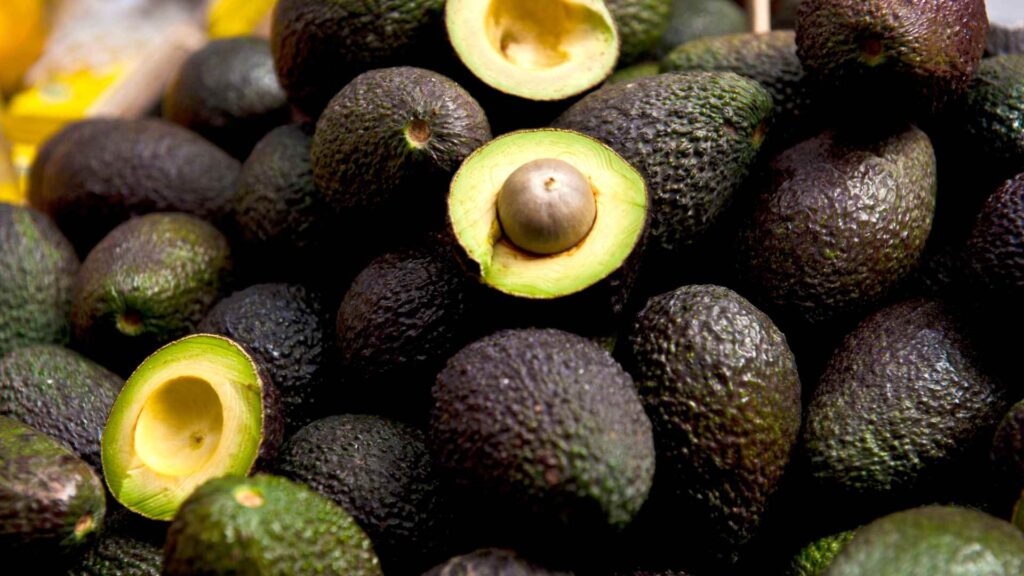
Guacamole commonly contains onion, garlic, salt, lime, jalapeño, cilantro, and sometimes tomato or dairy. Recipe and amount matter more than whether the bowl was homemade or came from a restaurant.
Onion and garlic are Alliums that can damage canine red blood cells, so use our onion guide and garlic guide to gather the right details. Powdered forms can be concentrated, and effects may be delayed.
Salt, hot peppers, acidic juice, and rich chips can add gastrointestinal distress even when the Allium dose is not toxic. Keep the ingredient list, recipe quantities, dog’s weight, amount eaten, and time of exposure for the call.
Tomato in a ripe red form is a different issue from green tomato plant material, as explained in our tomato safety guide. A mixed recipe must be evaluated ingredient by ingredient.
Avocado toast, salads, and sandwiches
These foods may add butter, oil, cheese, bacon, mayonnaise, garlic seasoning, onions, hot sauce, or high-sodium meat. The napkin, plastic wrap, foil, bread bag, and toothpicks also count after a counter raid.
Our bacon guide explains why rich salty meat changes a meal that seemed to be mostly produce. Do not let one familiar ingredient distract from the entire plate.
Spoiled avocado and compost have extra hazards
Brown color alone can reflect normal oxidation, but sour odor, bubbling, slime, visible mold, leaking, or fermentation means the food belongs in secure trash. Do not use a dog as a freshness test.
Compost may contain mold toxins, alcohol from fermentation, corn cobs, bones, fruit pits, coffee grounds, chocolate, onions, garlic, wrappers, and other hazards. A compost raid is not an avocado-only exposure.
Tremors, seizures, severe weakness, collapse, repeated vomiting, breathing difficulty, or marked behavior change after spoiled food needs emergency veterinary care. Retain a sample or photograph safely if it can help identify what was eaten.
What to do after an avocado raid
- Remove access and locate the pit, peel, leaves, food container, and packaging.
- Decide whether the dog ate plain flesh, plant material, a whole pit, guacamole, or a mixed dish.
- Estimate the amount, time, dog’s weight, symptoms, and relevant medical history.
- Check recipes for onion, garlic, xylitol, chocolate, raisins, alcohol, high salt, and rich fat.
- Call promptly for a missing pit, plant material, unsafe ingredients, a large amount, symptoms, or a medically vulnerable dog.
A healthy adult dog that licked a teaspoon of plain ripe flesh and remains normal can often be watched at home after professional guidance. Keep normal water available and skip further rich treats.
The same reassurance does not apply to a missing pit, a pan of guacamole, a potted avocado tree, or a dog with prior pancreatitis. Precise exposure details produce a better decision than the single word avocado.
Which dogs need a stricter answer
- Small dogs, puppies, and gulpers, because the pit and peel are large relative to their airway and gut.
- Dogs with prior foreign-body surgery, swallowing disorders, or chronic gastrointestinal disease.
- Dogs with pancreatitis, hyperlipidemia, obesity, or prescribed low-fat diets.
- Dogs with diabetes, kidney disease, heart disease, or another therapeutic diet.
- Pregnant, nursing, elderly, or otherwise medically fragile dogs.
A strict answer does not mean every crumb is toxic. It means there is less room for an unnecessary food to complicate an existing condition.
Frequently asked questions
Can dogs eat plain avocado flesh?
A tiny bite is unlikely to poison most dogs, but avocado is rich and unnecessary. Remove all skin and pit, and skip it for dogs with fat-sensitive or therapeutic diets.
What if my dog swallowed an avocado pit?
Call a veterinarian or emergency clinic promptly even if the dog seems normal. The pit can choke or obstruct, and early assessment preserves more options.
Can dogs eat avocado oil?
Avocado oil is concentrated fat and offers no treatment-level benefit for a dog already eating a balanced diet. Do not add it for skin, coat, joints, or constipation without veterinary direction.
Is avocado good for a dog’s coat?
Avocado is not a coat treatment. Hair loss, scaling, dull coat, or itch can reflect parasites, allergy, infection, endocrine disease, nutrition, or another problem that needs diagnosis.
Can dogs eat guacamole?
Do not offer it. Onion, garlic, salt, spicy ingredients, and the amount of rich avocado make guacamole a very different food from one plain bite.
The bottom line
A small lick of plain avocado flesh is not automatically a deadly persin exposure in a dog. The pit is the urgent physical hazard, while plant parts, rich portions, spoiled food, and guacamole ingredients need their own assessment.
If a pit is missing or the form is uncertain, call rather than waiting for symptoms. Purpose-made dog treats deliver the fun with far less detective work.