Can Dogs Eat Cheese? Types, Portions, and Red Flags
Many healthy dogs can eat one tiny piece of plain cheese, but cheese is not a universally good treat. Lactose sensitivity, milk-protein allergy, fat, sodium, calories, mold, and added garlic, onion, chives, fruit, nuts, or sweeteners can change the answer, so choose the type carefully and keep the serving genuinely small.
The quick cheese check
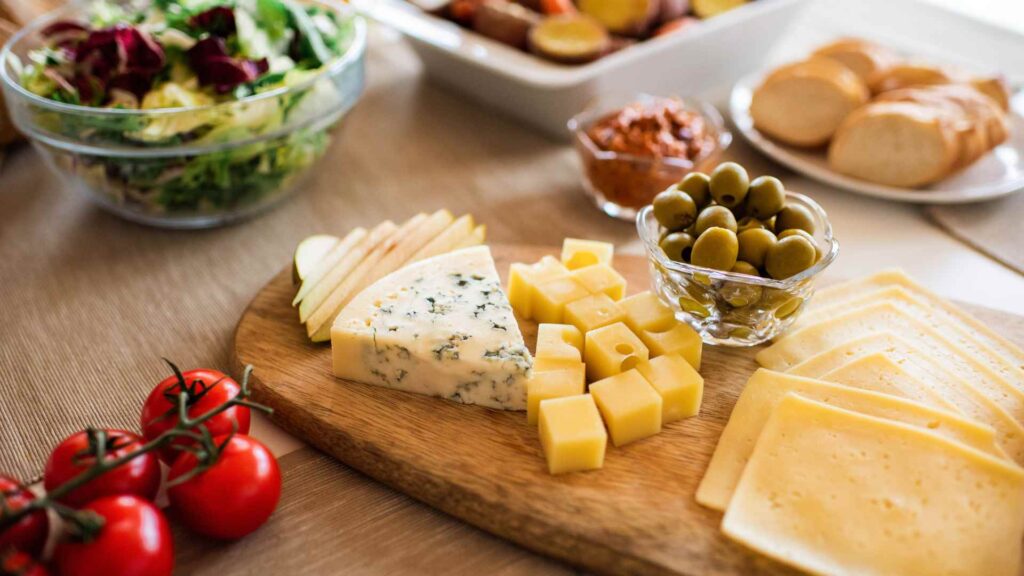
A pea-sized bit of plain, fresh mozzarella, Swiss, or mild cheddar is unlikely to harm most healthy adult dogs. A cheese board covered in blue cheese, flavored spreads, high-sodium processed slices, dried fruit, garlic, onion, nuts, and cured meat is a collection of separate risks.
The veterinarian-reviewed PetMD cheese guide recommends moderation and notes that lactose sensitivity and calorie load vary among dogs. The useful question is not whether cheese is broadly safe but which type, how much, and for which dog.
If your dog snatched one small, plain cube and feels normal, this is usually a monitor-at-home situation rather than a rush to the emergency room. Ingredient hazards, a large amount, a wrapper, or symptoms change that advice.
Lactose intolerance and dairy allergy are different
Lactose is the natural sugar in milk, and dogs vary in how well they digest it after weaning. Poor lactose digestion can lead to gas, abdominal rumbling, bloating, loose stool, or diarrhea after dairy.
Many aged cheeses contain less lactose than fresh milk because lactose drains with whey or is used during fermentation. “Less” is not “none,” and an individual dog’s response matters more than a chart of averages.
A true food allergy involves an immune response, usually to a protein rather than lactose. Possible signs include recurring itching, skin or ear problems, and gastrointestinal signs, but these are not specific enough to diagnose a dairy allergy from one snack.
If symptoms recur after dairy, stop offering it and discuss the pattern with a veterinarian. Do not test a suspected allergy repeatedly at home, and do not add cheese during a veterinary elimination-diet trial.
Fat and calories often matter more than lactose
Cheese concentrates energy into a small, persuasive cube. Frequent extras can quietly cause weight gain, particularly when cheese is used for training, pill hiding, puzzle toys, and consolation after the dog has already received normal treats.
Rich cheese can also cause vomiting or diarrhea and is inappropriate for many dogs with pancreatitis. The Merck Veterinary Manual’s pancreatitis guidance emphasizes low-fat feeding for affected dogs, so their treats must follow the same plan.
Not every stomach upset after cheese is pancreatitis, and diet is not the cause of every pancreatitis case. Repeated vomiting, a painful abdomen, refusal to eat, weakness, or marked lethargy still deserves prompt veterinary assessment.
A practical cheese-by-cheese guide
Mozzarella
Plain part-skim mozzarella is often lower in fat and sodium than many hard or processed cheeses, though products vary. Cut string cheese into tiny pieces rather than offering the stick whole, since a stretchy chunk can be gulped and choke.
Cheddar
A tiny piece of plain mild cheddar is usually tolerated by a healthy dog who handles dairy. It is calorie-dense and can be salty, so “one cube” should mean a training-treat-sized fleck, not a refrigerator-door cube built for humans.
Swiss
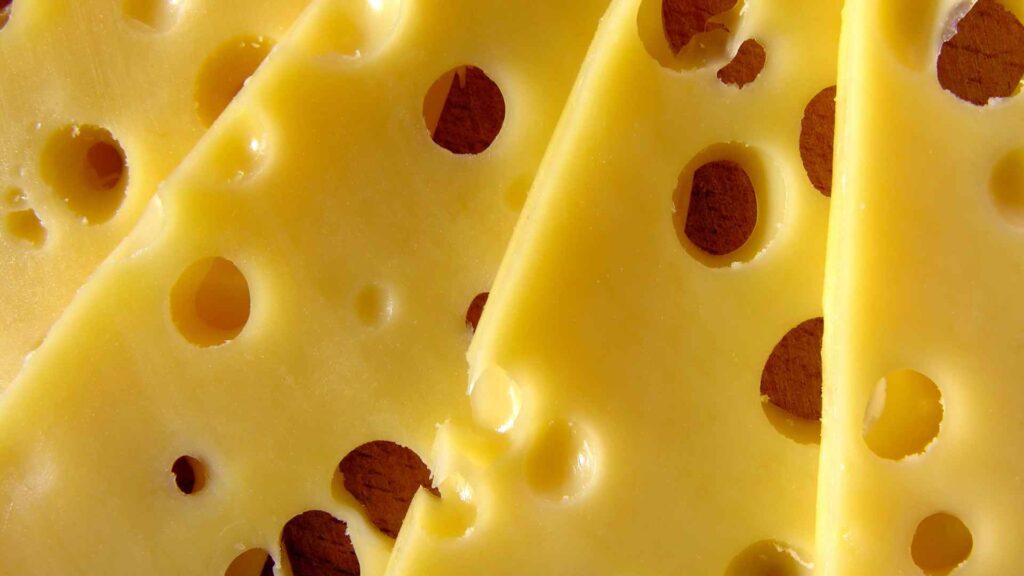
Plain Swiss cheese tends to be lower in sodium than some common cheeses and contains little lactose, but it still contributes fat and calories. The holes do not make the portion count as mostly air, despite an optimistic dog lobby.
Cottage cheese and ricotta
These fresh cheeses may contain more lactose than aged cheese, and cottage cheese can be surprisingly high in sodium. Choose plain, lower-fat, lower-sodium products if a veterinarian approves them, and offer only a small spoon-tip taste.
Cream cheese
Plain cream cheese is soft enough to hide a pill but often high in fat. Flavored versions commonly contain garlic, onion, chives, smoked salmon, jalapeño, sugar, or artificial sweeteners, so plain does important work in that sentence.
Goat cheese
Goat cheese is still dairy and can still deliver lactose, fat, sodium, and calories. It is not automatically hypoallergenic, and a dog allergic to cow’s milk protein should not be experimentally switched to goat cheese without veterinary guidance.
American slices and cheese products
A small plain piece is unlikely to poison a healthy dog, but processed cheese can be high in sodium and may include emulsifiers and flavorings. Read the label and use a less salty, less processed option when one is available.
Blue, mold-ripened, and spoiled cheese
Avoid deliberately feeding blue cheese and other mold-ripened cheeses. Their mold metabolites and variable composition add uncertainty that a dog does not need, especially when plenty of plain alternatives exist.
Spoiled or accidentally moldy cheese is more clearly concerning because uncontrolled mold growth can produce tremorgenic mycotoxins. The Merck Veterinary Manual’s tremorgenic mycotoxin review describes exposures from moldy dairy and food waste, with vomiting, agitation, poor coordination, tremors, elevated temperature, and seizures among possible signs.
Do not simply cut mold off spoiled cheese and hand the rest to the dog. Discard it in a secured bin or compost container the dog cannot raid.
Dangerous add-ins hide in attractive cheese
Cheese flavored with garlic, onion, chives, or leeks is unsafe because Allium ingredients can damage canine red blood cells. Powders count, so inspect spreads, seasoning crusts, dips, cheese balls, sauces, and snack packets.
Cheese boards may include grapes, raisins, macadamia nuts, walnuts, chocolate, alcohol-soaked fruit, cured meat, and toothpicks. The cheese may be the least urgent item on the missing-food list.
Sugar-free cheesecake, frosting, or flavored spread may contain xylitol, also labeled birch sugar. The FDA’s pet hazard guide explains that xylitol can cause dangerous hypoglycemia and liver injury, so suspected exposure needs an immediate professional call.
Pizza, nachos, macaroni and cheese, cheeseburgers, and cheese fries combine dairy with fat, salt, seasonings, and other toppings. One tiny dropped shred and a missing tray are different situations, and the full recipe decides the response.
Using cheese to give medication
Cheese can hide some pills, but first ask whether that medication may be given with food or dairy. Calcium and food can interfere with absorption of certain medicines, and some tablets must not be crushed, split, or handled casually.
If cheese is approved, use the smallest amount that fully covers the pill. Offer one empty taste, the medicated bite, then another empty taste, and confirm the dog swallowed rather than storing the tablet in a cheek for later negotiations.
For daily medication, repeated cheese calories and fat add up. Ask about a formulated pill pocket, a lower-calorie compatible food, a flavored liquid, or a compounded option if the current system requires a cheese course twice a day.
Never hide medicine in cheese for another household pet or assume two prescriptions share food instructions. The prescribing clinic or pharmacist should answer compatibility questions for that exact drug.
How much cheese is enough?
Start with a piece about the size of a pea or smaller, adjusted down for a tiny dog. There is no need to work up to a larger serving, because cheese’s value is flavor and convenience rather than nutritional necessity.
The World Small Animal Veterinary Association treat guide recommends keeping all treats below 10 percent of daily calories. Cheese can consume that allowance quickly, and the limit includes every other snack, chew, topper, and training reward.
The 10 percent figure is a ceiling, not a target or permission slip. Dogs losing weight, eating a prescription diet, or managing pancreatitis may need no cheese at all.
Dogs who should skip cheese
Dogs with pancreatitis or prescribed low-fat diets: Cheese often conflicts with treatment goals. Use only a treat or pill-hiding method approved by the veterinary team.
Dogs with dairy-triggered digestive signs: Gas and diarrhea are not a rite of passage. Stop the cheese rather than repeatedly testing how much discomfort the dog can tolerate.
Dogs with suspected milk-protein allergy: Avoid dairy until the veterinarian has evaluated the pattern. Lactose-free cheese can still contain milk proteins.
Dogs with heart, kidney, or sodium-restricted diets: Many cheeses are salty. The label’s sodium value and the dog’s prescribed target matter more than whether the cheese tastes mild.
Dogs on elimination diets: A hidden cheese bite can invalidate weeks of careful feeding. Use only treats and medication aids that the supervising veterinarian has approved.
What if your dog raided the cheese?
Identify the type, amount, ingredients, and time, then check whether rind, wax, plastic, foil, string, toothpicks, or packaging are also missing. Save labels and photograph the cheese board before cleanup if multiple foods were involved.
Call promptly after ingestion of moldy cheese, blue cheese in quantity, xylitol-containing food, grapes or raisins, macadamia nuts, garlic or onion, alcohol, a large wrapper, or a large fatty amount. Do not wait for symptoms after suspected xylitol exposure.
Seek urgent care for choking, repeated vomiting, severe abdominal pain, marked lethargy, weakness, poor coordination, tremors, seizures, collapse, or trouble breathing. These signs need professional evaluation rather than a dairy detox.
If a healthy dog ate one small piece of plain cheese and remains normal, monitor for gas, vomiting, loose stool, itching, or discomfort. Offer fresh water, skip more rich treats, and call if signs persist or worsen.
No, cheese is not a supplement
Cheese contains calcium and protein, but it is not an appropriate way to correct a deficiency or balance a homemade diet. Nutrients must be supplied in the correct amounts and relationships, and an unformulated cheese addition mostly adds fat, sodium, and calories.
Most cheese should not be marketed as a probiotic for dogs either. Processing and aging vary, viable organisms are not guaranteed at a therapeutic amount, and digestive disease needs a diagnosis rather than a hopeful cube.
Cheese alternatives and related guides
If dairy tolerance is the question, compare the guides to milk and Greek yogurt. Lactose, fat, sugar, sweeteners, and serving concentration differ across products.
If toppings are the concern, remember that garlic is unsafe for dogs, while fatty cured meats such as bacon introduce separate sodium and pancreatitis concerns. A complete ingredient audit beats judging a dish by its cheese layer.
The bottom line
A tiny piece of fresh, plain, lower-fat, lower-sodium cheese is acceptable for many healthy dogs who tolerate dairy. Keep it occasional, count the calories, cut it small, and stop if digestive or skin signs appear.
Avoid blue or spoiled cheese, dangerous flavorings, rich prepared dishes, and casual use in dogs with pancreatitis, allergies, prescription diets, or sodium restrictions. When cheese hides a pill, confirm with the prescriber that dairy fits the medication.