Can Dogs Eat Garlic? Why Every Form Is Unsafe
No, dogs should not be intentionally fed garlic in any form. Raw cloves, cooked garlic, powder, granules, supplements, oils, and garlic-seasoned foods can damage canine red blood cells; because anemia may develop days after exposure, call your veterinarian or an animal poison service promptly after a meaningful or uncertain ingestion instead of waiting for symptoms.
Why garlic is unsafe for dogs
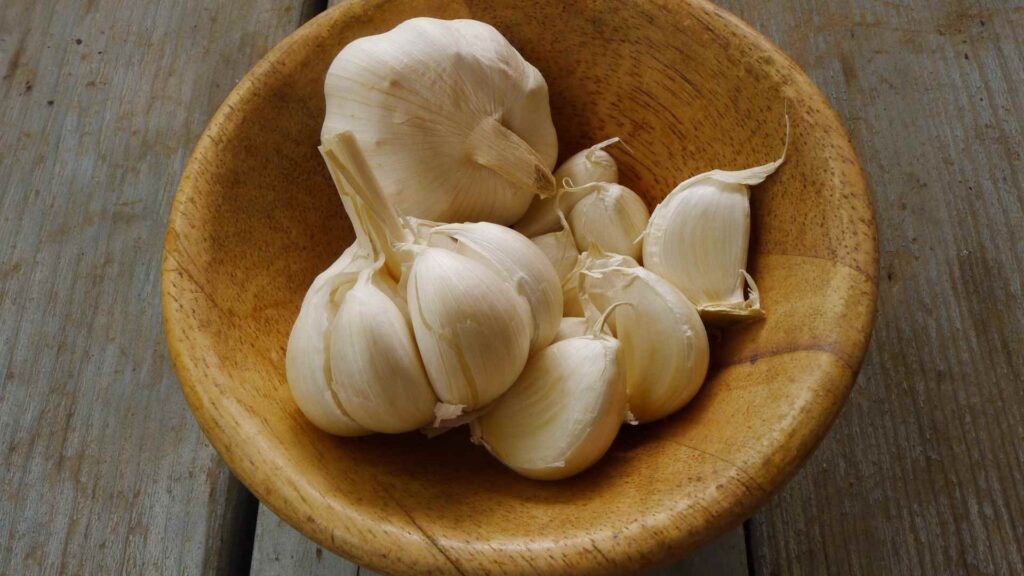
Garlic belongs to the Allium family with onion, chives, leeks, and shallots. These plants contain sulfur compounds that can cause oxidative injury to red blood cells, producing Heinz bodies, methemoglobinemia, and hemolysis, which means damaged red cells break apart faster than the body can replace them.
The Merck Veterinary Manual’s Allium toxicosis review states that garlic is three to five times more toxic than onion and that raw, cooked, dehydrated, and granulated forms have caused toxicosis. Concentrated powders and dry seasoning mixes are especially easy to ingest in a small volume.
This is not a simple case of stomach irritation. Severe red-cell destruction can reduce oxygen delivery, strain organs, and require oxygen support, intravenous fluids, or a blood transfusion.
The dangerous delay
A dog can appear normal soon after eating garlic while red-cell injury is developing. Merck reports that methemoglobin and Heinz bodies can increase within 24 hours, while hemolysis commonly appears three to five days after exposure.
That delay is why “he seems fine” is not a reliable all-clear on the day of a raid. Early veterinary advice may allow useful decontamination or planned bloodwork before clinical anemia becomes obvious.
Repeated smaller exposures over several meals also matter because the dog’s red cells may face continuing oxidative injury. When calling, report garlic-containing foods eaten over the preceding days, not only the most recent bite.
Signs of garlic toxicosis
Vomiting, diarrhea, drooling, or reduced appetite may occur earlier, but these signs are nonspecific. The more concerning delayed signs reflect anemia and poor oxygen delivery.
Watch for unusual tiredness, weakness, reluctance to exercise, rapid breathing, a fast heartbeat, pale gums, yellow gums or eyes, dark red or brown urine, collapse, or confusion. Any breathing difficulty, collapse, marked weakness, or abnormal gum color warrants emergency veterinary care.
The ASPCA’s garlic toxicology entry lists vomiting, red-cell breakdown, blood in urine, weakness, rapid heart rate, and panting among reported signs. Do not use gum color alone to rule exposure in or out, since anemia is confirmed with veterinary examination and blood testing.
Every form deserves caution
Raw garlic
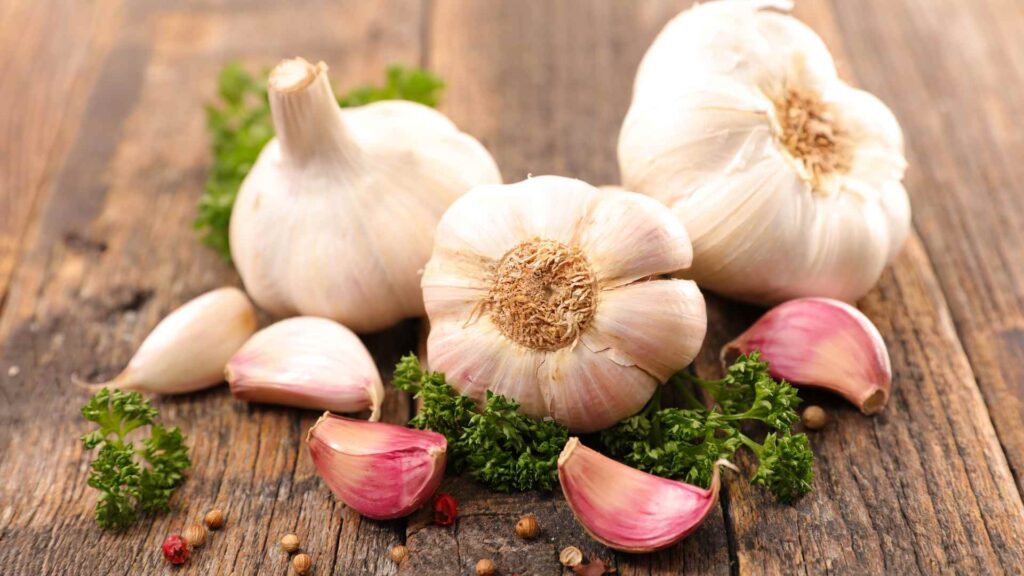
Whole cloves, minced garlic, crushed garlic, and raw paste are unsafe. Crushing and chewing disrupt plant cells and release reactive compounds, so an intact appearance is not a safety strategy.
Cooked or roasted garlic
Cooking does not make garlic dog-safe. A laboratory study indexed by the National Library of Medicine identified a thiosulfate from boiled garlic that produced oxidative damage in canine red blood cells.
Garlic powder and granules
Dried garlic is concentrated, widely used, and easy to miss in seasoning packets, sauces, soups, stocks, and prepared meats. A teaspoon of powder cannot be compared casually with a teaspoon of chopped fresh garlic because water content and concentration differ.
Garlic oil and infused oil
Garlic-infused cooking oil may contain garlic solids or extracted flavor compounds, and its exact concentration is rarely clear. The oil also adds a substantial fat load, creating a separate digestive or pancreatitis concern.
Garlic essential oil is highly concentrated and should not be given orally or applied to a dog without explicit veterinary direction. “Natural” describes its origin, not a margin of safety.
Supplements and chews
Do not start a garlic tablet, powder, yeast-and-garlic chew, or mixed herbal supplement on your own. If a veterinarian has prescribed a specific product for a specific reason, use only that product and dose, and confirm what to do if the dog gets extra.
There is no useful universal “safe dose”
Risk depends on the garlic form, concentration, amount, timing, repeated exposure, dog size, health, and individual red-cell susceptibility. Recipes also vary so much that translating “two bites of pasta” into grams of garlic is usually guesswork.
Published experimental doses and case reports help toxicologists assess risk, but they are not home-feeding targets or guarantees. A dog can fall below a quoted number and still need monitoring, while a tiny accidental taste may ultimately require only observation after a professional assesses the details.
The safest household rule is simple: do not intentionally feed garlic, and call for individualized triage when ingestion is more than a trace or the amount is uncertain. That approach is more useful than doing kitchen mathematics while the treatment window closes.
Foods that commonly hide garlic
Garlic bread, pizza, pasta sauce, pesto, gravy, soup, stew, curry, hummus, salsa, seasoned meat, rotisserie chicken skin, sausages, chips, and snack mixes can all contain garlic. It may appear as garlic powder, dehydrated garlic, spice blend, natural flavor, or an ingredient in bouillon and stock.
Many of these foods also contain onion, chives, or leeks, adding more Allium exposure. Rich sauces and greasy meat can create vomiting, diarrhea, or pancreatitis concerns alongside the red-cell risk.
Baby food, broth, and “plain” prepared meat deserve label checks before they are used to tempt a sick dog or hide medicine. A bland-looking beige food can still be heavily seasoned.
What to do right after garlic ingestion
Remove access, keep the package or recipe, and estimate the dog’s weight, the form and amount eaten, the time, and any garlic eaten in recent days. Photograph labels and measure what remains rather than discarding evidence during cleanup.
Call your veterinarian, an emergency veterinary hospital, or an animal poison service promptly. The professional may recommend home observation, examination, decontamination in a clinical setting, baseline bloodwork, or repeat testing several days later, depending on the actual exposure.
Do not induce vomiting unless a veterinary professional specifically instructs you after screening the dog and exposure. Hydrogen peroxide can cause severe gastrointestinal irritation and aspiration, while salt is itself toxic, so neither belongs in a DIY reflex.
Do not give milk, bread, activated charcoal, oil, or another “neutralizer” without direction. There is no kitchen ingredient that reliably cancels Allium oxidants after ingestion.
What veterinary care may involve
For a recent significant exposure, veterinary decontamination may be considered if it is safe for that dog. Later evaluation can include a physical examination, packed cell volume or complete blood count, blood-smear review, urinalysis, and repeat testing timed to the delayed hemolysis risk.
A severely affected dog may need hospitalization, oxygen, intravenous fluids, close monitoring, or a blood transfusion. Treatment supports the dog while damaged red cells are removed and the body rebuilds them.
The FDA’s pet hazard guide also directs owners to contact a veterinarian or poison-control resource after potentially dangerous food exposures. Early, accurate information is far more helpful than waiting for dramatic signs.
Dogs who deserve an especially low threshold for a call
Small dogs can receive more garlic per kilogram from the same stolen serving than large dogs. Puppies, seniors, pregnant dogs, and dogs with anemia, kidney disease, heart or lung disease, or another serious illness may have less reserve if red cells are damaged.
Medications and concurrent toxins can change the clinical picture, so report everything the dog receives. Do not assume a mixed-breed dog is protected or that a breed not mentioned on a toxicity page is resistant.
Garlic is not flea or parasite prevention
Do not feed garlic to repel fleas, ticks, mosquitoes, or intestinal worms. An unsafe ingredient is not made appropriate by attaching a prevention claim, and inconsistent home remedies leave dogs exposed to parasites that can cause real disease.
Use a veterinarian-recommended parasite plan chosen for the dog’s age, weight, health, travel, and local risks. If cost, administration, or side effects are a concern, ask for alternatives rather than substituting garlic.
Safer ways to flavor a dog’s food
A healthy dog should not need human seasoning, and a sudden refusal to eat can signal pain, nausea, dental disease, or another problem. If the veterinarian approves a topper, use a measured amount of plain dog-safe food rather than garlic, onion, salt, or rich sauce.
For ingredient-specific comparisons, read the guides to cheese, peanut butter, and Greek yogurt. Each can still be unsuitable for some dogs, but none requires accepting garlic’s red-cell toxicity.
Frequently asked questions
My dog ate one tiny garlic-seasoned crumb. Is this an emergency?
A trace exposure may be judged low risk, but the concentration and dog matter, and no article can inspect the recipe. Call if the amount is more than a trace, the product is concentrated, the dog is small or ill, repeated exposures occurred, or you are unsure.
Does cooking destroy garlic toxicity?
No. Cooked garlic still contains compounds capable of oxidizing canine red blood cells, so roasted cloves, simmered sauces, and garlic bread are not safe alternatives.
How long should I watch my dog?
Do not choose a monitoring window without professional advice because hemolysis can be delayed for several days. A veterinarian may recommend specific signs to watch and timed blood tests based on the exposure.
The bottom line
Garlic is unsafe for dogs whether raw, cooked, dried, powdered, supplemented, or infused into food. Concentration varies, clinical anemia can be delayed, and intentional feeding offers no benefit worth accepting red-cell injury.
After a meaningful or uncertain exposure, gather the product details and call a veterinarian or animal poison service promptly. Do not induce vomiting or wait for pale gums before asking for help.