Dog Ate a Corn Cob? Obstruction Signs and What to Do Now
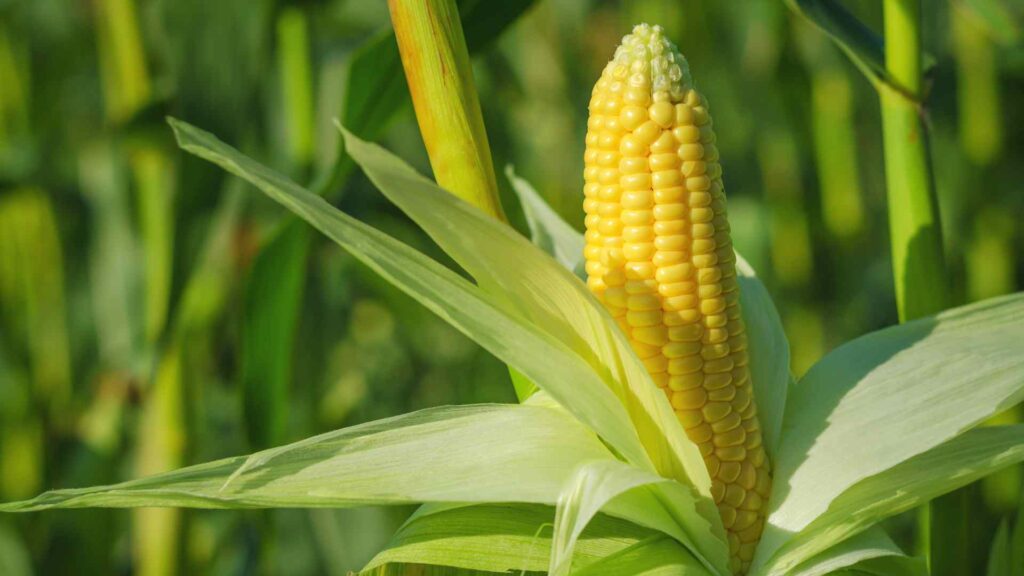
Dogs can eat a few plain corn kernels, but they should never be given the cob because a swallowed cob or segment can lodge in the stomach or intestine. Call a veterinarian or emergency clinic immediately even if your dog looks comfortable, do not wait for symptoms, and do not induce vomiting unless a veterinary professional specifically directs it.
If your dog swallowed corn cob, call now
Remove the remaining cob and phone your veterinarian or nearest emergency hospital. Report your dog’s weight, the approximate length and width of the missing piece, whether it was chewed, when it happened, and whether skewers, foil, plastic, or seasonings were also eaten.
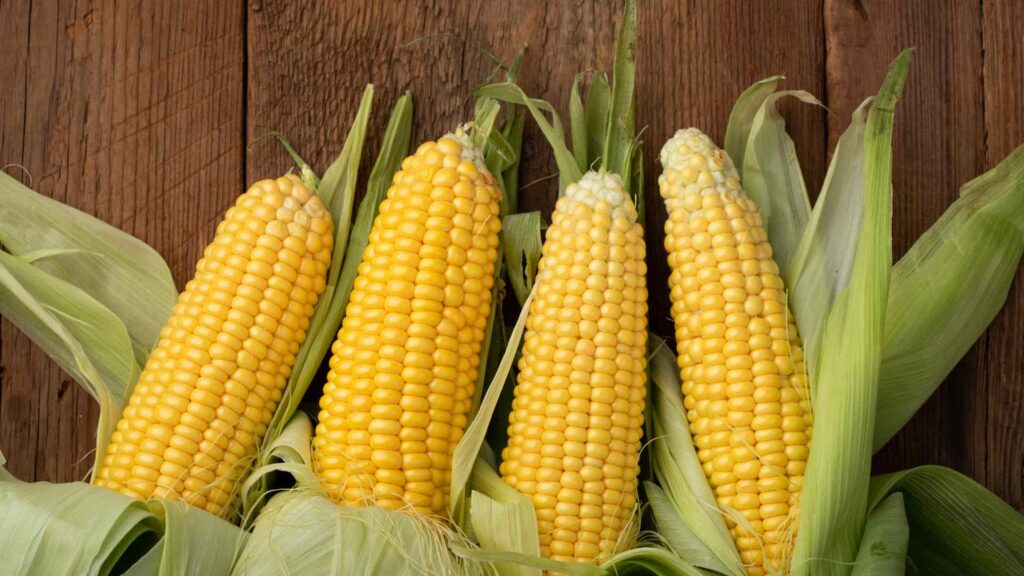
A whole cob is not required to cause trouble. Short rounds, gnawed ends, and compressed chunks can still become foreign bodies, and a large dog is not protected simply because its throat is wider.
Do not feed bread, pumpkin, oil, rice, bulky fiber, or a large meal to “push it through.” Do not give hydrogen peroxide, salt, mustard, or another home emetic unless the clinician managing the case tells you to do so.
Choking, blue or pale gums, collapse, or trouble moving air requires immediate emergency action. A dog breathing normally still needs a prompt call because obstruction farther down may not produce signs right away.
Why the cob is different from the kernels
Plain cooked corn kernels are digestible food, while the fibrous cob is a non-digestible object. The Cornell University College of Veterinary Medicine lists corn cobs among common canine gastrointestinal foreign bodies and describes obstruction as an emergency.
A cob can partially or completely block the passage of food and fluid. Pressure can damage the intestinal wall, and severe cases can progress to tissue death, perforation, abdominal infection, dehydration, and sepsis.
That possibility is why an internet wait-and-see plan is a poor bargain. Earlier assessment can leave more options open, while a dog that arrives after repeated vomiting and intestinal damage may need more extensive treatment.
Symptoms can be delayed or easy to miss
- Vomiting or repeated unproductive retching
- Loss of appetite or refusing even favorite food
- Abdominal pain, guarding, stretching, or restlessness
- Lethargy, weakness, or hiding
- Diarrhea, straining, or reduced stool
- A swollen abdomen or inability to keep water down
Signs vary with the cob’s location, whether the blockage is partial or complete, and how long it has been present. A dog may pass stool early in an obstruction because material already beyond the blockage can still leave the body.
One normal meal, bowel movement, or playful hour does not prove the cob has passed. Follow the veterinarian’s timing and monitoring instructions, and return promptly if symptoms appear or worsen.
Do not repeatedly press on the abdomen looking for a mass. A painful dog may bite, and an at-home belly check cannot rule out obstruction.
What imaging can and cannot answer
Veterinarians combine the exposure history, physical examination, blood work, and abdominal imaging. Radiographs or ultrasound may show the object itself or secondary patterns such as abnormal gas and fluid accumulation.
The Merck Veterinary Manual explains that plain radiographic findings are not specific to one cause of obstruction. Cornell also notes that imaging may be inconclusive even when the history and signs keep suspicion high.
A first image that does not give a definitive answer is not permission to ignore the known ingestion. The veterinarian may recommend repeat views, ultrasound, endoscopy, monitoring in hospital, or exploratory surgery based on the full case.
Avoid promises that a cob will always show clearly on an X-ray. The useful fact for the clinic is the strongest possible history: what went missing, its shape, and when.
How veterinarians may remove a cob
If the cob remains in the stomach and the timing and shape are favorable, retrieval with an endoscope may sometimes be possible. A cob lodged in the intestine commonly requires surgery, and damaged bowel may need to be removed and reconnected.
Treatment can also include intravenous fluids, pain relief, anti-nausea medication, blood testing, and monitoring. The plan depends on the dog’s condition and the object’s location, not a fixed schedule copied from another case.
Cornell reports that the best outcomes occur when obstruction is diagnosed and removed promptly. That is the reason for calling before symptoms, rather than a guarantee about which procedure a particular dog will need.
After surgery, follow feeding, activity, medication, incision-care, and recheck instructions closely. Vomiting, worsening pain, feverish behavior, discharge, swelling, collapse, or renewed appetite loss deserves an immediate call.
Kernels are a separate food
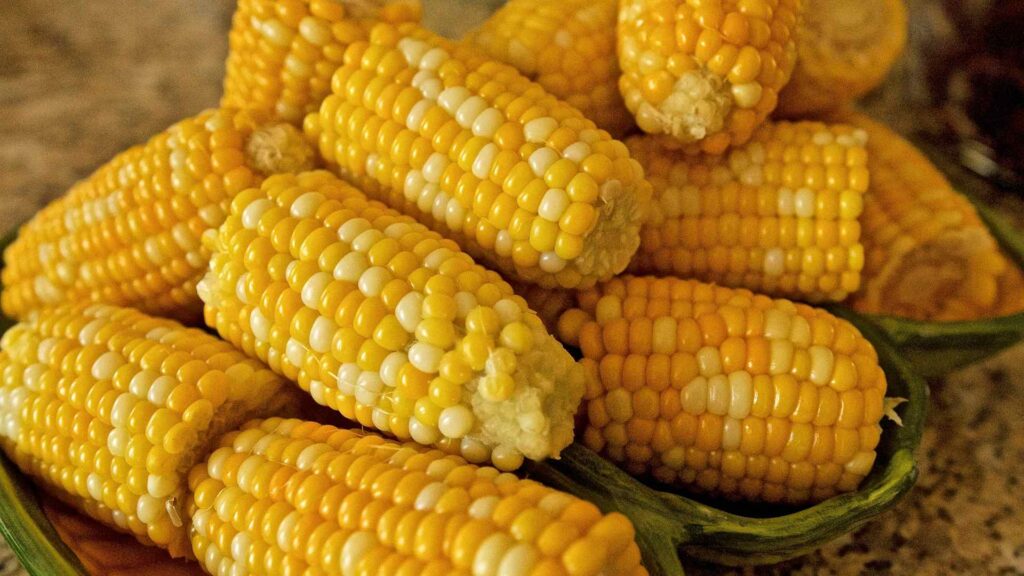
A few plain kernels removed from the cob can be an optional treat for many healthy dogs. Cornell’s barbecue safety guidance specifically separates unseasoned kernels from the obstruction hazard posed by cobs.
Cut kernels off before the cob reaches the dog, then put the cob straight into a secured bin. Do not let a dog “clean” the cob, because a quick bite can remove a dangerous segment before anyone reacts.
Corn is not a weight-loss, allergy, or digestive therapy, and visible kernels in stool do not prove the dog cannot use a balanced food containing corn. Our plain corn guide explains the ingredient separately from the cob.
Start with a small taste and stop if vomiting, diarrhea, itching, or other discomfort follows. Dogs on prescription diets or food trials should receive no extras without veterinary approval.
Butter, salt, and barbecue extras
Butter, mayonnaise, cheese, and salty seasoning turn plain kernels into a richer food. A stolen lick is usually a digestive and calorie question, but high-fat leftovers can be especially unsuitable for dogs with pancreatitis or fat-sensitive illness.
Garlic and onion powders may be buried in seasoning blends, while spicy sauces can irritate the mouth and stomach. Save labels and recipes if a dog raids a prepared dish.
Skewers can puncture the mouth, esophagus, stomach, or intestine, and greasy foil or plastic wrap can become foreign bodies. Mention every missing item during the call rather than treating the cob as the only concern.
Corn casserole, street corn, cornbread, and mixed salads can contain dairy, onion, garlic, bacon, xylitol, raisins, or other hazards. Our bread guide covers why a corn-based recipe is not the same as plain kernels.
Picnic and trash-can prevention
Place an empty lidded container beside the serving area specifically for finished cobs. A paper plate on the grass or an open trash bag is an invitation to a dog that can smell butter from across the yard.
Count cobs before and after serving when several people are eating. Ask guests and children to hand used cobs directly to an adult rather than leaving them on plates, tables, or low walls.
Secure garbage behind a closed door or in a latched can, and make compost inaccessible. Dogs can swallow old cob pieces even after the kernels and seasoning look unappealing to people.
At home, store uncooked cobs where counter-surfing dogs cannot reach them and close the refrigerator or pantry promptly. A raw cob presents the same foreign-body problem as a grilled one, even without butter or seasoning.
Clean under picnic tables, grills, and patio furniture before allowing the dog to roam. Remember foil, skewers, bones, fruit pits, and dropped medication while doing the sweep.
What to do when details are uncertain
If the cob is missing but no one saw the dog swallow it, call anyway and explain the uncertainty. A veterinarian can weigh the likelihood against the dog’s size, access, behavior, and available evidence.
Photograph an identical cob or measure the remaining portion if that can be done without delaying the call. Do not spend an hour dismantling the trash to produce a perfect estimate.
If several dogs had access, keep them separated and identify who has vomited, refused food, or behaved differently. The clinic may recommend assessment for more than one dog when the culprit cannot be identified.
Common corn-cob questions
Can a dog chew a cob without swallowing it?
It is not worth the gamble because chewing can quickly break off swallowable rounds and fibers. Offer a dog-appropriate chew selected for the individual dog instead.
Will a small cob piece pass naturally?
Some objects pass, but size alone cannot guarantee that outcome. Call immediately so a veterinarian can advise based on the piece, timing, dog, and available retrieval options.
Should I watch the stool for the cob?
Only if the veterinarian specifically chooses monitored passage as the plan. Home stool watching should never replace the initial call, and symptoms require reassessment even if fragments appear.
Can puppies have corn kernels?
A weaned puppy may taste a few soft, plain kernels if the veterinarian approves, but puppy food should supply balanced growth nutrition. Cobs remain completely off-limits.
Are canned kernels safe?
Plain low-sodium kernels may fit occasionally after draining and rinsing, but fresh or frozen plain kernels make sodium easier to avoid. Our green-bean guide covers similar canned-vegetable label checks.
The bottom line
Corn kernels and corn cobs are two different safety questions. A few plain kernels can be an optional treat, but any swallowed cob or cob segment deserves an immediate veterinary call before symptoms, with no DIY vomiting and no attempt to push it through with food.