Can Dogs Eat Mint? Leaves, Pennyroyal, Oils, and Xylitol
A healthy dog is unlikely to be harmed by one or two plain leaves from a correctly identified culinary mint, but mint is not a necessary snack. Large plant ingestions can cause vomiting or diarrhea, while pennyroyal, concentrated oils, extracts, gum, candy, and unknown garden plants require very different caution.
First identify what “mint” means
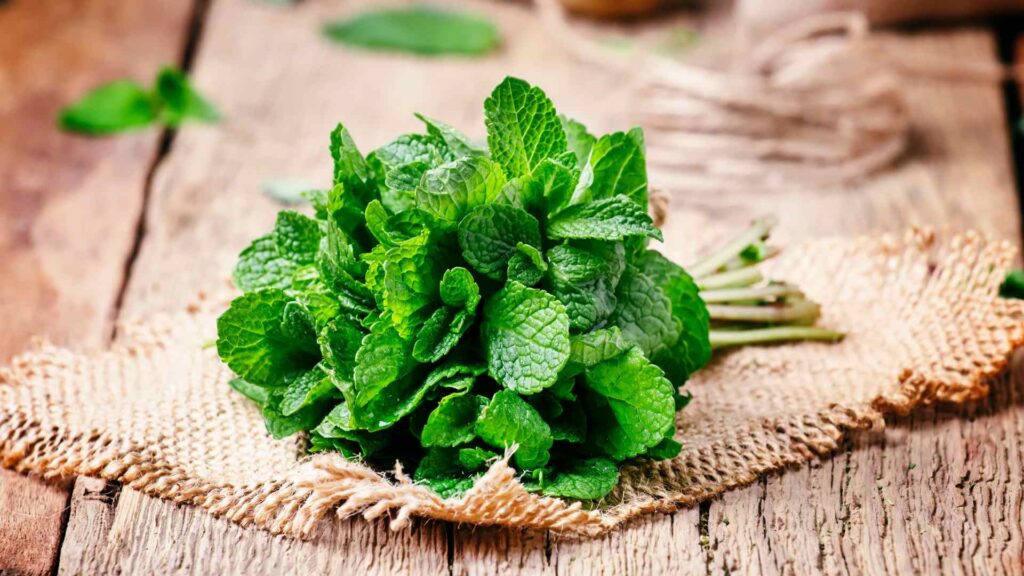
Peppermint and spearmint are familiar culinary members of the Mentha group, yet common names are unreliable in a mixed garden. Pennyroyal may also be called mint, and decorative or wild plants can be mislabeled by a phone app.
The ASPCA mint listing warns that essential oils in Mentha species can cause vomiting and diarrhea after large plant ingestions. That supports modest portions, not panic over a single correctly identified garnish leaf.
Pennyroyal is the exception that deserves a hard stop. Pet Poison Helpline identifies pennyroyal oil as toxic, and concentrated exposure has been associated with severe liver injury.
If identification is uncertain, do not feed the plant. Photograph the whole plant, leaves, stems, flowers, label, and growing location after an accidental ingestion, then call a veterinarian or poison service.
Fresh culinary leaves
Rinse a known peppermint or spearmint leaf under running water and remove soil, damaged tissue, and stems before considering a tiny taste. Avoid plants treated with pesticides, herbicides, fertilizer granules, or slug bait.
Chop the leaf so it cannot cling at the back of a tiny dog’s mouth, and offer no more if coughing, drooling, vomiting, diarrhea, itching, or discomfort follows. Dogs with chronic digestive disease, a prescription diet, or an elimination-food trial should receive no casual herbs.
Dried culinary mint is more concentrated by volume and easy to over-sprinkle. Seasoning blends may contain onion, garlic, salt, or other ingredients, so “mint seasoning” is not automatically plain mint.
A dog that dislikes the smell has made a perfectly sound decision. Complete food supplies necessary nutrition, and no canine health goal requires mint leaves.
Essential oil and extract are not leaves
Essential oils concentrate volatile plant chemicals far beyond the amount in a leaf. They should not be fed, rubbed onto a dog, placed in the mouth, added to water, or used as homemade flea control.
Pet Poison Helpline’s essential-oil guidance describes oral and skin exposure as routes of toxicity and singles out pennyroyal oil as a cause of liver failure. Natural origin does not make a concentrated product gentle.
Peppermint extract may contain alcohol and concentrated flavoring, while sprays can irritate the mouth, eyes, skin, stomach, or airways. Keep bottles and soaked cotton, diffuser liquids, and spill-cleaning materials out of reach.
After an oil or extract exposure, move the dog away from the source without getting product on yourself, save the label, and call promptly. Do not make the dog vomit and do not scrub the coat with another oil unless a toxicology professional gives decontamination instructions.
Drooling, vomiting, wobbliness, tremors, weakness, breathing trouble, collapse, or seizures requires urgent care. Eye exposure also deserves immediate veterinary or poison-service instructions.
Mint gum, candy, and breath mints
Human mints and gum are product exposures, not herb servings. Sugar-free versions may contain xylitol, and swallowed wrappers or a gum package can create additional foreign-body concerns.
The FDA warns that xylitol can rapidly lower canine blood sugar and may injure the liver. If a dog may have eaten a xylitol-containing mint or gum, call a veterinarian, emergency clinic, or animal poison service immediately rather than waiting for weakness.
Check for xylitol, birch sugar, wood sugar, chocolate, caffeine, nicotine, cannabis, and medications on the entire label. “Peppermint flavored” tells you almost nothing about the ingredient that drives the emergency.
Ordinary sugared candy still adds concentrated sugar, and hard sweets can lodge in the throat. Candy canes may splinter into sharp pieces, while foil and plastic wrappers can also be swallowed.
Never use human toothpaste or mouthwash to give a dog minty breath. Choose veterinary dental products appropriate for the dog and use them as directed.
Mint does not fix bad breath
A mint smell can briefly cover an odor without treating its source. Persistent canine bad breath can accompany plaque, periodontal disease, a broken tooth, oral growths, foreign material, kidney disease, diabetes, or other illness.
The American Veterinary Dental College owner resources emphasize prevention and professional dental care. Fresh leaves, candy, sprays, and oils do not remove disease below the gumline.
Drooling, bleeding, facial swelling, pawing at the mouth, reluctance to chew, or sudden foul odor warrants veterinary assessment. Do not press mint into painful gums or a tooth socket.
Dog-formulated dental chews can still contribute calories and may not suit every chewing style. Count them among treats and supervise according to the manufacturer and veterinarian.
Mint is not digestive medicine
Mint is often marketed to people for nausea or digestion, but a garnish leaf is not a diagnosis or dose-controlled canine treatment. Vomiting, diarrhea, gas, reduced appetite, or abdominal pain has many possible causes.
Do not give more mint to a dog that vomited after eating it. Repeated vomiting, blood, severe lethargy, a swollen or painful abdomen, or inability to keep water down needs prompt care.
Our honey guide covers another popular pantry remedy that should not delay cough, allergy, wound, or stomach evaluation. Combining folk remedies does not strengthen the evidence.
Mint is not flea control
Pennyroyal has a history in folk insect-repellent use, which is exactly why concentrated exposure still occurs. Do not apply pennyroyal, peppermint, or mixed essential oils to a dog or bedding as a homemade parasite treatment.
Effective flea control depends on the dog’s species, weight, age, health, and other pets in the home. Ask a veterinarian for a tested product and follow its label precisely.
Essential-oil diffusers also require care around pets, especially if liquid can spill onto fur or be licked. Stop use and seek advice if coughing, breathing irritation, drooling, vomiting, weakness, or abnormal behavior follows exposure.
Mint tea, ice cream, sauce, and baked goods
Plain cooled mint tea still offers no needed benefit, while blends may contain caffeine or other herbs. Tea bags and strings can become foreign bodies, so keep the cup and discarded bag away.
Mint ice cream adds dairy, sugar, and fat, and mint chocolate chip includes chocolate. Our chocolate guide explains why cocoa content, amount, and dog size drive urgent triage.
Mint sauce, chutney, pesto, and jelly may contain sugar, salt, vinegar, onion, garlic, raisins, or xylitol. Save the label and recipe after a raid rather than assuming the herb is the only ingredient.
Mint-flavored supplements and dental drops can be highly concentrated or combined with unfamiliar actives. Use only dog-specific products your veterinarian considers appropriate.
How much fresh mint?
There is no nutritional reason to establish a daily mint serving. If a veterinarian approves correctly identified peppermint or spearmint for a healthy dog, one finely chopped leaf is a more sensible experiment than a handful.
The WSAVA treat guide keeps all extras below 10 percent of daily calories. Herbs contribute few calories, but tolerance and ingredient certainty matter more than approaching that ceiling.
Puppies, tiny dogs, pregnant dogs, seniors, and dogs with liver disease, seizures, digestive disease, or immune compromise deserve extra caution around herbs and concentrated products. Ask before experimenting.
After an accidental mint exposure
Remove access and identify the form: leaf, plant, oil, extract, gum, candy, tea, medicine, or dental product. Save packaging and record the amount, time, dog’s weight, symptoms, and whether skin or eyes were exposed.
One or two confirmed culinary leaves in a healthy dog may lead to monitoring after veterinary advice. Unknown plants, pennyroyal, essential oils, xylitol products, medications, or significant symptoms warrant immediate expert guidance.
Do not induce vomiting or give milk, oil, activated charcoal, or human medicine without direction. The correct response changes sharply between a leaf, a concentrated oil, and a sweetened product.
Useful mint questions
Can dogs eat peppermint leaves?
A tiny amount of correctly identified plain peppermint leaf is unlikely to harm most healthy dogs, but large amounts can upset the stomach. Essential oil, extract, gum, and candy are separate products.
Can dogs eat spearmint?
The same modest fresh-leaf guidance applies after confident identification. Skip unknown garden plants and seasoning blends.
Is pennyroyal a kind of mint?
Pennyroyal carries a mint common name but should be kept away from dogs, especially its concentrated oil. Call after any suspected exposure rather than trying to identify a safe dose.
Can mint freshen dog breath?
It can mask odor briefly but cannot treat dental or medical disease. Persistent bad breath belongs with a veterinarian, not a herb garden.
The bottom line
A tiny amount of correctly identified culinary mint leaf is a low-stakes optional taste for many healthy dogs, but concentrated oil, pennyroyal, gum, candy, and unknown plants are different exposures. Skip health promises, read product labels, and call promptly when identification or ingredients are uncertain.
Kitchen pairings still need a label check
Mint is often paired with cinnamon, chocolate, dairy, sweeteners, or rich meat dishes, and each ingredient changes the question. Separate one clean leaf before cooking rather than picking it out of a finished recipe after oils and seasonings have spread.