Can Dogs Eat Crackers? Labels, Seasonings, and Choking Risks
One small piece of a plain cracker is unlikely to poison a healthy dog, but crackers are a broad label category rather than a bland-food treatment. Flavor powders, salt, fat, sugar, xylitol toppings, dry texture, serving foods, and packaging determine what a stolen cracker means.
The answer at a glance
- One bite of a plain cracker: usually a monitor-at-home situation for a healthy adult dog.
- Several crackers or a whole sleeve: call for advice if the amount is large for the dog’s size, symptoms develop, or the dog has a relevant medical condition.
- Flavored, topped, or sandwich crackers: check garlic, onion, chocolate, xylitol, fat, salt, and fillings.
- Sugar-free or homemade crackers: check immediately for xylitol, also called birch sugar, wood sugar, or birch bark extract.
- Missing wrapper, plastic tray, or foil: treat this as a possible foreign-body problem, not merely a snack raid.
Keep the box and count what remains before cleaning up. Brand, flavor, serving size, chocolate type, package material, time, and the dog’s weight give a veterinarian far more useful information than the phrase some crackers.
Why plain crackers are still poor dog treats
A basic cracker may contain wheat, rice, corn, oats, seeds, oil or shortening, leavening, salt, and flavoring. None of that makes a small plain piece inherently poisonous, but it also does not add anything a complete dog food is missing.
Refined starch, oil, and sometimes added sugar make calories easy to underestimate, especially when a rectangular sheet is described casually as one cracker. Labels vary in whether one serving means a sheet, two rectangles, or several smaller pieces, so use the package’s gram weight and calorie line.
Regular cracker handouts can quietly displace complete food or contribute to weight gain. They are also awkward training rewards because each crumb brings calories without much aroma, protein, or nutritional value.
Sodium varies by brand and flavor, and one crumb is unlikely to cause salt poisoning. A whole sleeve is a different exposure, particularly for a tiny dog or one on a sodium-restricted veterinary diet.
Wheat is safe for many dogs, but a dog on a food-elimination trial should not receive surprise ingredients. Do not diagnose a wheat allergy because one cracker caused loose stool, since overeating, fat, sugar, and abrupt diet change can produce the same symptom.
Plain, seeded, cheese, and sweet crackers are not identical
Seeded crackers can add fat, calories, hard fragments, and seasonings, while cheese crackers add dairy and sodium. Sweet crackers may contain honey, molasses, cinnamon, chocolate, raisins, or sugar substitutes, so the front style is only a starting point.
Cinnamon-flavored crackers often carry sugar and powder on the surface. The small culinary amount baked into one piece is different from swallowing dry cinnamon powder or concentrated cinnamon oil, both of which can irritate the mouth, airways, skin, or digestive tract.
Our cinnamon guide separates normal food flavoring from powder and essential-oil exposures. Call if a dog inhaled a cloud of powder, got oil on the coat, or develops coughing, breathing difficulty, repeated vomiting, or marked irritation.
Chocolate plains, frosted crackers, sandwich crackers, and novelty flavors need a fresh label review. Cocoa, chocolate chips, raisins, macadamia nuts, coffee flavoring, and sugar substitutes are not ordinary plain-cracker issues.
Chocolate coating changes the calculation
Flavored crackers can hide concentrated Alliums
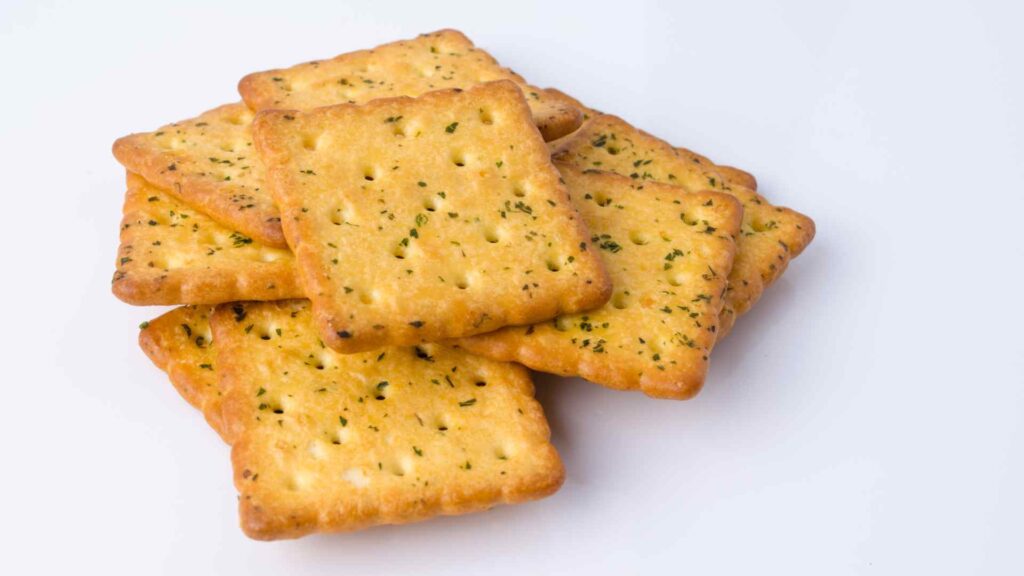
Ranch, sour-cream-and-onion, garlic, herb, pizza, barbecue, cheddar, and savory snack crackers often use onion powder or garlic powder. Seasoning dust is concentrated and may cling unevenly, so one heavily coated piece is not identical to a plain cracker.
The Merck Veterinary Manual Allium review explains that fresh, cooked, and dehydrated forms can damage red blood cells. Signs may be delayed, which is why a meaningful exposure deserves a call before pale gums, weakness, fast breathing, dark urine, or collapse.
Our garlic-powder guide covers concentrated seasoning and repeated exposure. Save the flavor bag and do not estimate Allium content from how strongly the cracker smells.
Hot chile, black pepper, vinegar powder, and smoke flavor can irritate the mouth, nose, or stomach without being equivalent to Allium toxicosis. Report coughing, eye exposure, persistent drooling, or breathing trouble promptly.
Chocolate contains the methylxanthines theobromine and caffeine, and darker products generally contain more than milk chocolate. The Merck Veterinary Manual chocolate review notes that product concentration and individual susceptibility vary, with possible vomiting, restlessness, rapid heart rate, tremors, or seizures.
Do not decide that chocolate is harmless because the cracker layer looks thin. Record the chocolate type, cacao percentage if listed, product weight, amount missing, dog’s weight, and time, then call a veterinarian or animal poison-control service for a case-specific calculation.
White chocolate contributes very little theobromine compared with dark chocolate, but its sugar and fat can still cause digestive trouble. A chocolate toxicity call should be driven by the actual coating and quantity rather than the word plain.
For more detailed triage by chocolate type, see our dog ate chocolate guide. Do not wait for tremors or a racing heartbeat before asking for help.

Sugar-free needs an immediate xylitol check
Most familiar crackers are sweetened with sugar, honey, molasses, or syrup, but recipes and specialty products change. Homemade low-carb crackers, bakery items, dessert crusts, and sugar-free spreads are especially important to check ingredient by ingredient.
The FDA’s xylitol warning for dog owners explains that xylitol can cause a rapid, profound drop in blood sugar and sometimes liver injury. The agency advises calling a veterinarian, emergency clinic, or animal poison-control center immediately after suspected ingestion.
Possible signs include vomiting, weakness, reduced activity, poor coordination, collapse, tremors, or seizures, but waiting for symptoms wastes the best early-treatment window. Never give syrup, sugar, food, peroxide, or charcoal unless the veterinary professional handling the case tells you to do so.
Toppings and dessert stacks combine separate risks
A cracker topped with chocolate, nut butter, marshmallow, frosting, jam, or cheese becomes a mixed-food exposure, and the proportions vary widely. Identify every topping and estimate how much of each disappeared.
Plain sugar-sweetened marshmallow is mainly a sticky, calorie-dense confection, while a xylitol-containing marshmallow is an emergency. Our marshmallow guide covers this label distinction and the extra choking concern for small dogs.
Snack boards and party leftovers may also include toothpicks, foil, plastic bags, or charred material. A missing skewer or food wrapper deserves a veterinary call even when the edible ingredients seem modest.
The wrapper may be the most important clue
Dry texture changes chewing and choking risk
Thin crackers crumble, while dense crispbreads, rice crackers, seeded crackers, and hard petal-shaped snacks can break into sharp or dry pieces. A fast-eating dog may gulp several before saliva softens them.
Coughing once after crumbs is different from continuous gagging, frantic pawing, blue or gray gums, or collapse. Breathing difficulty is an emergency, and blind finger sweeps can push material deeper or cause a bite.
Dogs with dental disease, missing teeth, swallowing disorders, short muzzles, or a history of choking should skip crackers. Breaking a permitted plain piece into tiny bits and supervising reduces risk but does not make the food nutritionally useful.
Cracker dust can irritate the eyes or airways after a bag is crushed or a dog dives into crumbs. Move the dog away from dust and call for persistent squinting, coughing, wheezing, or labored breathing.
Plastic sleeves, waxed paper, foil, clips, and pieces of cardboard are not digestible treats. They can lodge in the esophagus, stomach, or intestines, especially when balled around sticky food.
The Merck Veterinary Manual guide to gastrointestinal obstruction notes that foreign-body ingestion is a common cause of blockage in dogs and cats. Repeated vomiting, inability to keep water down, abdominal pain, a swollen belly, loss of appetite, straining, or marked lethargy warrants prompt evaluation.
Do not assume that passing one scrap proves the entire wrapper cleared. Save an identical wrapper if available and tell the clinic exactly what material and how much may be missing.
What to do after a cracker raid
- Secure the remaining food and keep every box, wrapper, recipe, and ingredient label.
- Count the missing crackers and identify plain, seeded, cheese, flavored, chocolate, frosted, sandwich, or topped form.
- Check for xylitol, chocolate type, raisins, macadamia nuts, caffeine, and missing packaging.
- Record the time, dog’s weight, symptoms, and conditions such as diabetes, pancreatitis, kidney disease, food allergy, or a prescription diet.
- Call promptly for a hazardous ingredient, missing wrapper, large or unknown amount, vulnerable dog, or any concerning sign.
A healthy adult dog that ate one small piece of plain cracker and remains comfortable can usually be observed. Keep water available, feed the normal meal, and skip extra snacks rather than trying to balance the cracker with another food.
Call urgently for weakness, collapse, tremors, seizures, breathing difficulty, repeated vomiting, severe restlessness, a very fast heartbeat, a painful swollen abdomen, or inability to keep water down. Those signs are not a wait-until-morning problem.
Do not induce vomiting at home unless a veterinarian or poison specialist gives case-specific instructions. The right action depends on the ingredient, time, symptoms, and aspiration risk.
If you choose to share a plain piece
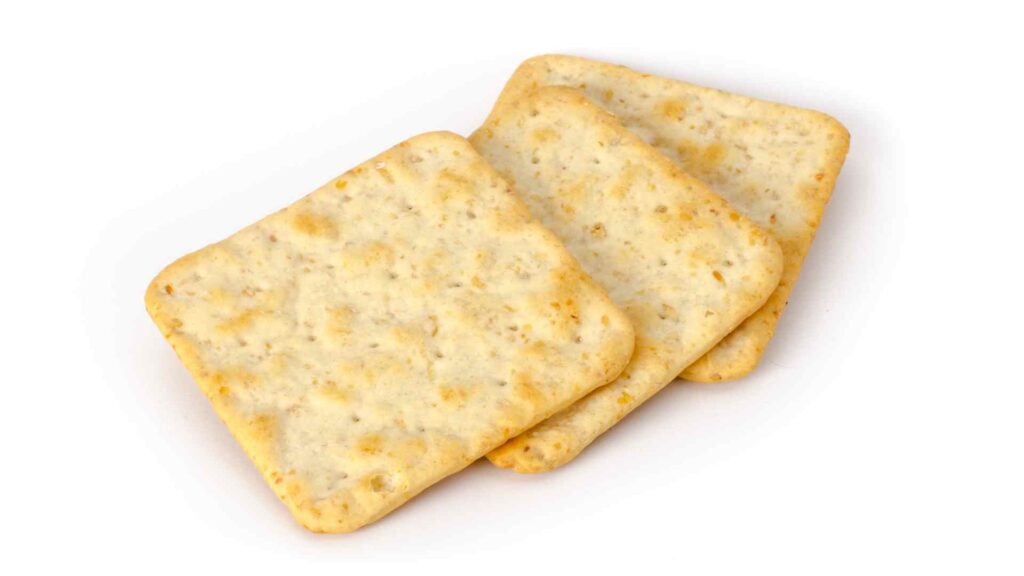
Check the label, break off a piece smaller than the dog’s regular training treat, and offer it once. Do not use crackers for a dog with diabetes, pancreatitis history, a wheat exclusion, swallowing trouble, obesity management, sodium restriction, or a veterinary diet without approval.
The World Small Animal Veterinary Association treat guide emphasizes a limited daily treat-calorie allowance. Crackers share that allowance with dental chews, training rewards, table scraps, and foods used to hide medicine.
Using a few pieces of the dog’s complete kibble is simpler for routine training. It avoids a second ingredient list, and the calories can be measured out of the normal meal.
Frequently asked questions
Can puppies eat crackers?
Do not make them a puppy treat. Puppies have small calorie budgets, developing chewing skills, and a greater need for complete growth food.
Can dogs eat flavored crackers?
One small piece still requires a label check because cheese, barbecue, ranch, pizza, herb, and spicy flavors can contain garlic or onion powders, salt, fat, and irritating spices. A lick of seasoning dust and an entire flavored sleeve are different exposures.
Can dogs eat crackers for an upset stomach?
Crackers are not a diagnosis or treatment for vomiting or diarrhea, and many contain salt, fat, dairy, or seasonings. Repeated vomiting, blood, pain, weakness, dehydration, or inability to keep water down needs veterinary advice rather than a bland snack.
Will one cracker cause diabetes?
No, that is not a proportionate claim. The concern is that repeated calorie-dense extras can interfere with weight and diet management, while an existing diabetic dog needs an individualized food plan.
Are homemade crackers safer?
Only if every ingredient is known and safe, and they are still optional calories. Homemade does not rule out xylitol, chocolate, raisins, macadamia nuts, excessive salt, or swallowed baking paper.
The bottom line
A tiny piece of a plain cracker is usually low risk for a healthy adult dog, but there is little reason to serve it regularly. Portion, flavor, medical history, and packaging determine whether the incident stays minor.
Chocolate, xylitol, concentrated seasonings, dangerous toppings, and missing wrappers deserve more attention than the cracker name itself. Read the full label, keep the package, and call early when an urgent ingredient or symptom appears.