Can Dogs Eat Garbanzo Beans? Cooking, Hummus, and Falafel
A few fully cooked plain garbanzo beans, also called chickpeas, are usually low risk for a healthy dog that tolerates them. Dry or undercooked beans, canned sodium, hummus, falafel, garlic, onion, frying fat, large portions, and packaging need separate decisions.
The safe version has four requirements
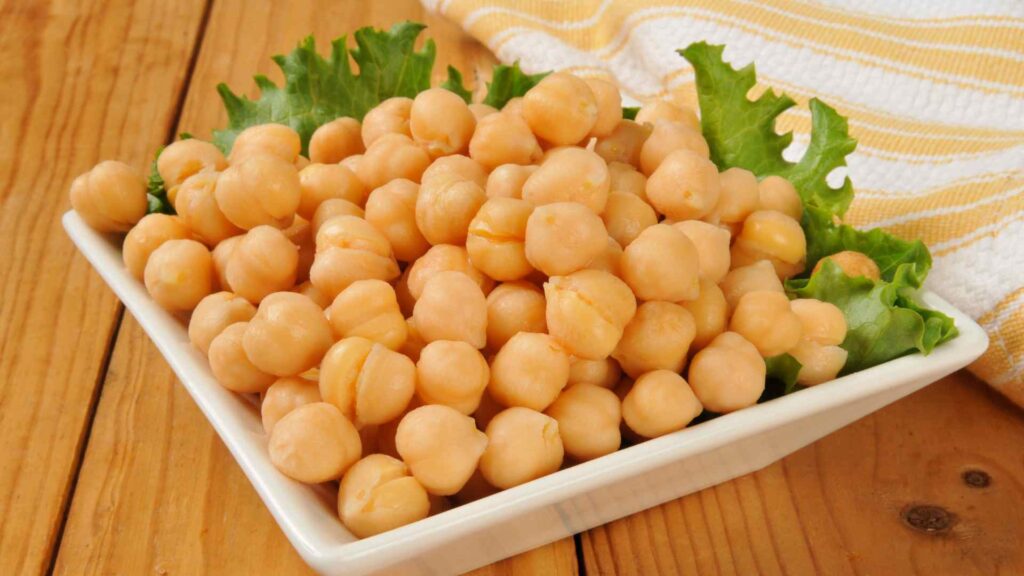
- Fully cooked: beans should be soft throughout, not crunchy or chalky in the center.
- Plain: no onion, garlic, chile, salt, bouillon, lard, bacon, sauce, or seasoning packet.
- Small: offer a spoonful, not a bowl, and count it within the treat allowance.
- Tolerated: stop if the dog develops gas, vomiting, loose stool, constipation, or discomfort.
- Compatible with the diet: ask before adding beans to a prescription, elimination, weight-loss, or homemade plan.
After an unplanned theft, save the can, bag, recipe, or restaurant label and estimate the amount and time. Report dry versus canned, cooking method, seasonings, toppings, packaging, and your dog’s weight and medical history.
Why cooking matters
Raw and undercooked legumes contain compounds that cooking reduces, and their hard starch is difficult to digest. Garbanzo beans should never be served dry, sprouted, soaked-only, or partly cooked as a crunchy treat.
The FDA natural-toxins guidance explains that phytohaemagglutinin is a lectin in raw or undercooked beans and that properly cooked beans have much lower levels. The strongest poisoning evidence concerns kidney beans, so it would be inaccurate to assign chickpeas the same lectin concentration or a made-up canine threshold.
The sensible canine rule is still to cook garbanzo beans thoroughly because raw beans offer no benefit and create avoidable digestive uncertainty. A dog that eats a few spilled dry beans is different from one that empties a bulk container.
Call for repeated vomiting, severe diarrhea, marked weakness, abdominal pain, refusal to eat, or inability to keep water down. Do not induce vomiting or give anti-diarrheal medicine unless a veterinarian directs you.
How to prepare dried garbanzo beans
Sort out stones, field debris, and damaged chickpeas, rinse them, soak if your recipe calls for it, discard the soak water, and cook in fresh water until completely tender. Follow a tested food-safety method rather than shortening the cooking time because the chickpeas look plump.
Do not add salt, broth, bouillon, onion, garlic, ham hock, bacon, chile, oil, or seasoning while preparing a portion for the dog. Remove the plain portion first, cool it, and refrigerate or freeze leftovers promptly.
A slow cooker may not soften every batch reliably, especially with old chickpeas or an overloaded pot. If beans remain firm, do not offer them to the dog and finish cooking them by a reliable method.
Pressure-cooked beans can be fine when fully cooked and plain, but release pressure and cool them safely before handling. The appliance method does not excuse seasonings or oversized portions.
Canned beans are convenient, not automatically plain
Canned garbanzo beans are already cooked, but products may contain salt, calcium chloride, flavorings, or seasonings. Choose a no-salt-added product when possible and read the ingredients rather than relying on the color of the liquid.
Draining and rinsing canned beans under running water can remove some surface sodium and canning liquid, but it does not erase onion, garlic, or other ingredients cooked into the product. If the label lists an unsafe ingredient, do not turn it into dog food by rinsing.
A lick of ordinary canning liquid is usually less concerning than a large salted intake, yet dogs with heart, kidney, blood-pressure, or fluid-balance problems may have individualized sodium restrictions. Call the veterinarian managing that diet rather than using a general safe amount.
Metal lids and pull tabs can cut the mouth or digestive tract, and cans may have sharp edges after a dog chews them. Seek immediate help when metal may be missing and do not induce vomiting.
Gas and digestive upset are common practical limits
Beans contain fermentable carbohydrates and fiber that can increase gas, stool volume, or urgency. A dog unfamiliar with legumes may react to a small serving, while another tolerates it without obvious trouble.
Introduce only a teaspoon or small spoonful, depending on dog size, and do not add several new foods at once. Those are tasting portions, not nutritional prescriptions.
Stop beans for vomiting, diarrhea, constipation, bloating, appetite loss, or obvious discomfort. A swollen painful abdomen, repeated unproductive retching, collapse, or breathing difficulty is an emergency.
Persistent gas is not proof that a food is detoxifying or improving the microbiome. It can mean the portion was too large, the food was poorly tolerated, or a medical digestive problem needs attention.
Onion and garlic are the high-stakes recipe problem
Garbanzo-bean soup, chili, burrito filling, restaurant sides, and seasoned cans commonly contain onion, garlic, onion powder, or garlic powder. These Allium ingredients can damage canine red blood cells in raw, cooked, dried, and concentrated forms.
The Merck Veterinary Manual Allium review explains that anemia may take several days to appear. A dog looking normal immediately after eating seasoned beans does not rule out a meaningful exposure.
Possible signs include vomiting, weakness, pale gums, fast breathing, rapid heart rate, dark urine, jaundice, or collapse. Call promptly with the recipe, ingredient quantities, amount missing, time, and dog’s weight rather than waiting for those signs.
Our guides to onions and garlic explain why cooking does not neutralize the concern. Do not assume a vegetarian or organic recipe is dog-safe.
Hummus, falafel, salads, and bowls
Hummus commonly combines chickpeas with garlic, tahini, oil, lemon, and salt. One lick and an emptied tub are different, but plain cooked chickpeas do not make garlic-rich hummus safe.
Falafel usually adds onion, garlic, herbs, spices, flour, and frying oil, and it may start from soaked but uncooked chickpeas. Save the restaurant ingredients and report the full serving size, not just the visible chickpea interior.
Salads and grain bowls can introduce raisins, grapes, onion, garlic, cheese, avocado pits, dressing, skewers, and wrappers. Assess every missing component and any swallowed packaging.
Our black-bean guide covers another legume with the same plain-versus-seasoned distinction. Safety of one cooked bean does not clear hummus, falafel, or a restaurant bowl.
Garbanzo beans cannot replace a complete diet
Roasted chickpeas are hard, salty snacks
Commercial roasted chickpeas may be crunchy enough to challenge teeth or lodge in the throat of a small, fast-eating dog. Flavors such as garlic, ranch, barbecue, chile, or cheese add another label problem.
A single dropped plain roasted chickpea is different from an entire pouch, but neither is a useful routine treat. Choose soft, fully cooked, unseasoned chickpeas if a veterinarian has cleared a taste.
Check the bag for seasoning, sodium, oil, sweet coatings, nuts, raisins, and oxygen absorbers. Report every missing package component after a raid.
Aquafaba, chickpea flour, and pasta are separate forms
Aquafaba is the liquid from cooked or canned chickpeas and may contain sodium from the can. A lick of plain no-salt liquid is usually less concerning than a bowl of salted brine, but it is not a hydration treatment.
Chickpea flour is still raw flour unless the manufacturer says it is heat-treated and ready to eat. Avoid inhalation clouds and cook dough or batter fully according to a tested recipe.
Chickpea pasta can be appropriate only as a small plain cooked piece, but sauces commonly add garlic, onion, cheese, salt, and fat. Our flour guide explains why powder, raw dough, and a cooked product are different exposures.
Do not use chickpea pasta or flour to self-treat a suspected grain allergy. A veterinary elimination trial requires controlled ingredients and enough time to interpret results.
Garbanzo beans contain protein, starch, and fiber, but those facts do not make them a muscle-building treatment, weight-loss drug, constipation cure, or complete protein plan for dogs. Nutrition depends on the entire recipe, nutrient proportions, digestibility, calories, and the individual animal.
The FDA complete-and-balanced pet food guide explains that too many table scraps can unbalance a diet and points owners to the nutritional adequacy statement. Beans are an extra unless they are part of a professionally formulated complete food.
The World Small Animal Veterinary Association treat guide recommends keeping all treats below 10 percent of daily calories. Replacing meat or complete kibble with beans can dilute essential amino acids, fatty acids, vitamins, and minerals even when calories look similar.
Dogs eating homemade, vegetarian, renal, diabetic, urinary, gastrointestinal, or weight-loss diets need individualized advice before beans become routine. Ask a board-certified veterinary nutritionist to formulate homemade diets rather than improvising around a protein percentage.
Allergy and food-sensitivity context
A dog can react to almost any dietary protein, but one itchy afternoon does not prove a chickpea allergy. Recurrent itching, ear disease, vomiting, or diarrhea deserves a veterinary workup and often a controlled elimination diet.
Facial swelling, hives, breathing difficulty, collapse, or rapidly worsening signs require emergency care. Stop the suspected food and save every ingredient label.
Do not add beans during an elimination trial unless they are specifically included in the plan. A new ingredient can invalidate weeks of careful observation.
Dry bags, bulk bins, and packaging
A dog that tears into dry beans may swallow a large hard volume plus plastic, paper, clips, ties, scoops, or desiccants. Take a photo of the spill and weigh an identical portion if that can be done safely.
Do not force water to expand or soften the beans inside the dog. Call for a large or unknown amount, a small dog, missing packaging, vomiting, abdominal pain, gagging, lethargy, or refusal to eat.
Store beans in a sealed pet-proof container and keep bulk-bin bags off the floor. Discard moldy, damp, insect-infested, or rodent-contaminated beans securely.
What to do after a bean theft
- Secure the remaining food and separate pets so you can estimate individual amounts.
- Identify dry, soaked, undercooked, cooked, canned, seasoned, or restaurant preparation.
- Check onion, garlic, salt, chile, chocolate, coffee, alcohol, sweeteners, fat, and packaging.
- Record amount, timing, dog weight, medical conditions, medications, and symptoms.
- Call for dangerous ingredients, a large or unknown amount, missing objects, medical vulnerability, or significant symptoms.
Do not induce vomiting with peroxide, salt, mustard, oil, or fingers unless a veterinarian specifically directs you. Timing, symptoms, hard dry material, sharp packaging, and aspiration risk can change the plan.
Bottom line
A small spoonful of fully cooked, plain garbanzo beans is usually reasonable for a healthy dog that tolerates it. Dry or undercooked beans, gas, large portions, sodium, Allium seasoning, mixed dishes, medical diets, and packaging require a more careful response.