Can Dogs Eat Goat Cheese? Fat, Lactose, and Add-Ins
A tiny crumble of plain, pasteurized goat cheese is unlikely to poison most healthy dogs, but goat cheese is not a smart routine treat. Its fat, calories, sodium, lactose, milk proteins, flavorings, and packaging can matter far more than the goat on the label.
The useful answer depends on the cheese
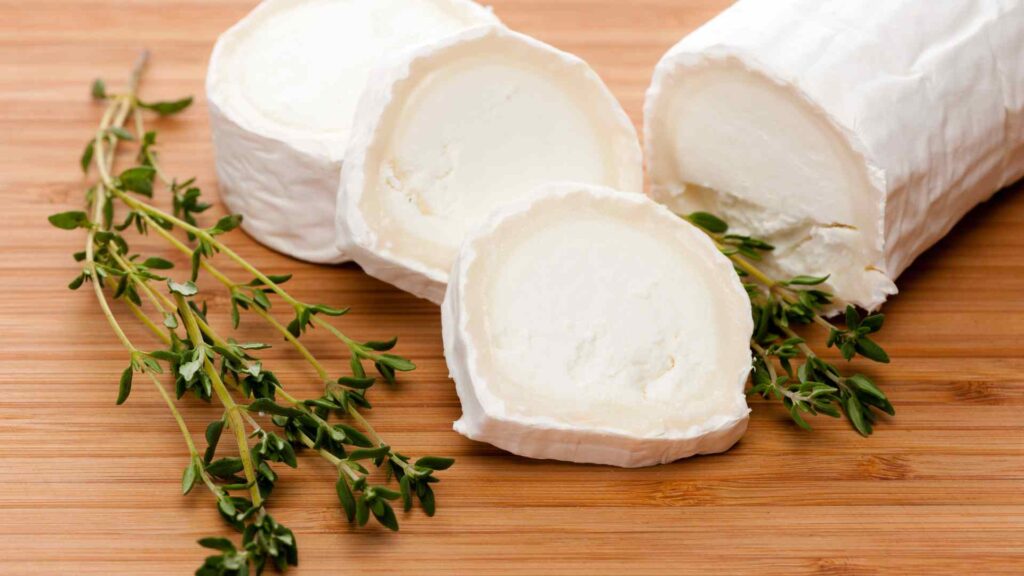
‘Goat cheese’ covers fresh soft chèvre, aged logs, brined feta-style cheese, ash-coated rounds, spreadable tubs, crumbles, and flavored products. Their moisture, fat, salt, cultures, rind, aging, and added ingredients differ, so one blanket verdict is not very helpful.
For a healthy dog that licks one plain pasteurized crumble, monitoring may be all that is advised. A large helping, a high-fat log, a garlic-and-herb spread, a raw-milk cheese, or a swallowed wrapper deserves a different response.
The first job is to identify the product rather than estimate by eye. Save the label and note how much is missing, when it happened, whether the dog has symptoms, and whether the cheese contained a rind, coating, mix-in, or packaging.
Goat cheese is still dairy
Goat milk does not make its cheese automatically easy for every dog to digest. The finished product can retain lactose, and a dog with poor lactose digestion may develop gas, loose stool, abdominal discomfort, or vomiting.
Lactose intolerance is a digestive problem involving the milk sugar lactose. Milk-protein allergy is an immune reaction, so switching animal species does not guarantee safety for a dog that reacts to dairy proteins.
Signs after dairy can overlap with many other problems, which is why labels matter. If a dog has a known food allergy, chronic skin or ear trouble, or a veterinary elimination diet, do not add goat cheese without the clinician managing that plan.
The Merck Veterinary Manual’s malabsorption overview notes that dogs can develop lactose intolerance when the intestinal brush border is damaged. That is a strong reason to skip dairy during active diarrhea or gastrointestinal illness.
Fat and calories are the bigger everyday problem
Soft goat cheese packs substantial energy into a small-looking bite. Several casual crumbles can quietly crowd out nutritionally complete food, especially for a small dog or one on a weight-management plan.
Fatty foods can also trigger vomiting or diarrhea, and high-fat intake is a concern in dogs susceptible to pancreatitis. The Merck veterinary pancreatitis guide describes vomiting, poor appetite, weakness, dehydration, and abdominal pain among common canine signs.
A dog with previous pancreatitis, high blood fats, obesity, diabetes, or a veterinarian-prescribed low-fat diet should not receive goat cheese casually. The safe choice is to ask what treat, if any, fits the medical diet rather than testing tolerance at home.
Do not assume ‘light,’ whipped, or spreadable means low fat or low calorie. Compare the nutrition panel and serving size, because air, water, oil, cream, and stabilizers can change texture without making the product suitable for a dog.
Salt varies widely among styles
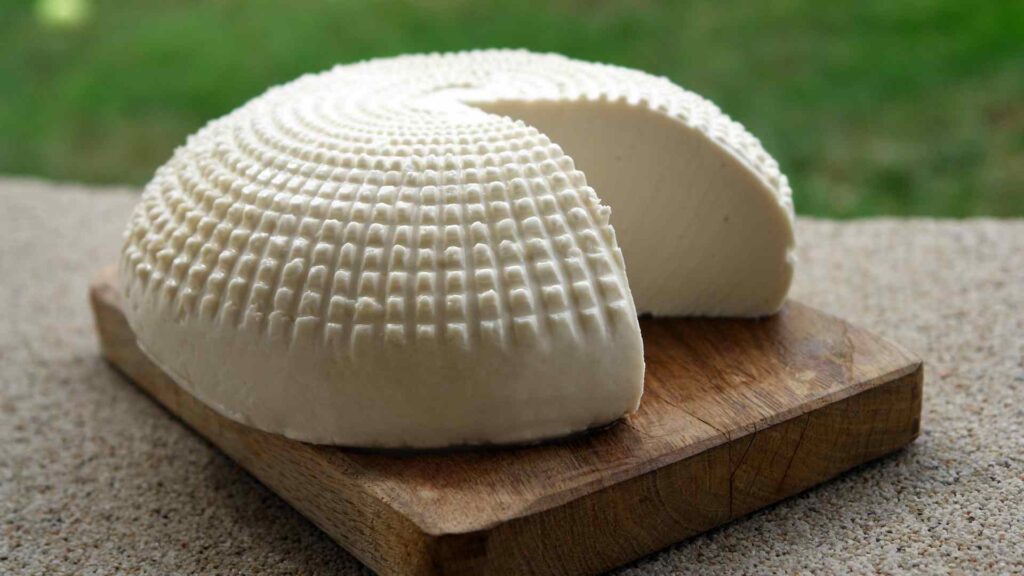
Fresh unsalted chèvre and brined feta-style goat cheese are not interchangeable. Brine, curing, seasoning, and serving sauces can push sodium much higher, and a dog that raids a whole tub may ingest both salty cheese and liquid.
Dogs with heart, kidney, or blood-pressure problems may have individual sodium restrictions. Follow the veterinarian’s diet instructions rather than using cheese as a pill pocket or topper because the portion looks small.
Rinsing a brined crumble may remove surface liquid, but it does not transform the cheese into a necessary dog food. If the dog already ate a large salty portion, call for advice instead of attempting to correct it by forcing water.
Plain, flavored, and coated goat cheese
Plain means genuinely plain, not simply mild. Read the full ingredient list for garlic, onion, chives, leek, shallot, pesto, hot pepper, alcohol, chocolate, raisins, nuts, honey, sweeteners, and concentrated seasoning.
Garlic and other Allium ingredients can damage canine red blood cells. If the log says garlic-and-herb, use our garlic safety guide and give the veterinary team the exact label and amount.
Fruit-coated logs may include raisins or grape-derived ingredients, while dessert cheese can contain chocolate or unusual sweeteners. A savory coating can add salt, and a nut crust can add fat or a species-specific hazard such as macadamia nuts.
Herb names deserve precision rather than guesswork. Rosemary or thyme in food-level amounts is not the same concern as an onion-family herb, while concentrated essential oils should never be treated like culinary leaves.
Raw-milk and soft-cheese handling
Raw goat milk and products made from it can carry disease-causing microbes. The FDA’s raw-milk safety page includes goat milk and names organisms such as Salmonella, Escherichia coli, Campylobacter, and Listeria among the hazards pasteurization is intended to control.
Dogs can become ill from contaminated food, and they can expose people through the household environment. Young children, older adults, pregnant people, and immunocompromised family members make careful refrigerator hygiene and handwashing especially important.
Choose pasteurized cheese if any is offered, keep it refrigerated, and observe use-by and storage instructions. The word ‘artisan’ does not tell you whether milk was pasteurized, so find that statement on the label or ask the producer.
High-moisture soft cheeses need cold storage and clean handling. The FDA’s consumer guidance for fresh soft cheese emphasizes refrigeration, pasteurized milk, and avoiding products made under uncertain sanitary conditions.
Rinds, mold, and spoilage
Some goat cheeses have edible bloomy, washed, ash, herb, or wax-coated exteriors. ‘Edible for people’ does not make a rind useful for dogs, and its salt, mold culture, alcohol wash, herbs, or dense texture can complicate an exposure.
Discard cheese that smells unexpectedly rancid, has mold not intended for that product, feels slimy, or sat warm beyond safe handling guidance. Do not feed spoiled food to a dog as a way to avoid waste.
Intentional surface mold and accidental spoilage are not interchangeable, yet neither needs to be a canine experiment. If a dog raided an aged or visibly moldy cheese and develops tremors, wobbliness, repeated vomiting, or seizures, seek urgent veterinary care.
Packaging may be more dangerous than the crumble
Foil, plastic film, wax paper, absorbent pads, clips, and the tub lid can disappear during a kitchen raid. These materials can choke, irritate the gut, or obstruct it, and greasy wrappers may be swallowed in surprisingly large folds.
Do not pull material from a dog’s mouth if doing so risks a bite, and never tug string or film protruding from the rectum. Call a veterinarian with the material, approximate size, timing, and symptoms.
Watch for repeated vomiting, retching, drooling, loss of appetite, abdominal pain, lethargy, straining, or failure to pass stool after suspected packaging ingestion. Foreign-body signs can emerge after the dairy-related stomach upset you expected.
What to do after an accidental serving
- Remove the remaining cheese and packaging, then save the label and product container.
- Estimate the amount missing and record the earliest and latest possible exposure time.
- Check every ingredient, including coatings, herbs, sweeteners, fruit, nuts, sauces, and rind treatments.
- Call promptly for a large portion, dangerous add-in, raw-milk concern, swallowed packaging, or any dog with a relevant medical history.
- Seek urgent care for repeated vomiting, a painful or swollen abdomen, collapse, tremors, breathing trouble, or severe lethargy.
Do not induce vomiting or give oils, salt, milk, bread, or extra food unless a veterinarian directs it. The right plan depends on what was swallowed and how long ago, and packaging can make home vomiting particularly risky.
When a tiny plain taste may be manageable
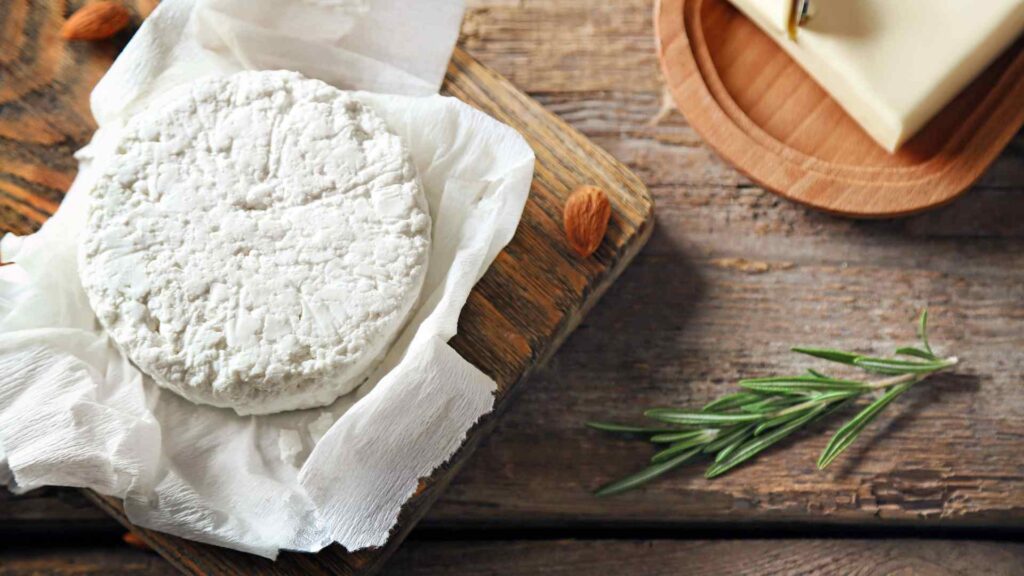
If a healthy dog ate only a pea-sized bit of plain pasteurized goat cheese, has no dairy sensitivity, and remains comfortable, a veterinarian may advise observation. Keep normal water available and avoid adding more rich food while watching for vomiting, diarrhea, gas, itching, or discomfort.
That is not a universal serving recommendation. Dog size, body condition, medical history, daily calorie needs, and the specific cheese all matter, so routine portions should come from the dog’s veterinary team.
UC Davis advises that treats should make up less than 10 percent of a dog’s daily calories in its canine treat guidelines. Goat cheese can consume that small allowance quickly without providing a complete diet.
Using cheese for pills
A tiny cheese smear can hide medication, but only if the prescriber approves it. Some medicines must be given without food, some diets prohibit dairy, and a high-fat pill routine can add meaningful calories over weeks.
Ask about lower-fat commercial pill wraps, a spoon-tip of the dog’s prescribed canned food, or another compatible option. Never crush or open a medicine into cheese unless a pharmacist or veterinarian confirms the medication can be altered.
If cheese is approved, use the smallest amount that fully contains the pill and watch the dog swallow. Long pieces or sticky balls can be spat out after the medicine is stripped away.
Better everyday rewards
A piece of the dog’s regular kibble is often the simplest reward because its calories are already part of the diet. Veterinary-approved pieces of carrot, cucumber, or plain lean food may also suit some dogs when cut safely.
Our broad cheese guide compares common dairy concerns, while the cream cheese guide covers spreadable products and flavored tubs. For aged styles, see the Swiss cheese guide.
Frequently asked questions
Is goat cheese lactose-free?
No. Amounts vary with production and aging, but goat cheese should not be treated as lactose-free or guaranteed digestible for a lactose-intolerant dog.
Is goat cheese safer than cow cheese?
Not automatically. Either can be fatty, salty, calorie-dense, flavored, spoiled, or poorly tolerated, so compare the actual products and the dog’s medical needs.
Can dogs eat goat-cheese rind?
Skip it. Rinds vary from soft mold cultures to wax, ash, herbs, salt, or washed coatings, and there is no nutritional reason to test one on a dog.
What if my dog ate an entire log?
Call your veterinarian or an emergency clinic with the dog’s weight, product label, amount, timing, and packaging status. A whole log raises concerns about fat, calories, salt, add-ins, stomach upset, pancreatitis in susceptible dogs, and possible foreign material.
The bottom line
A tiny crumble of plain pasteurized goat cheese is usually a monitoring question, not a poisoning crisis, for a healthy dog. Larger portions and products that are fatty, brined, raw-milk, moldy, garlic-flavored, dessert-coated, or swallowed with packaging require more caution.
Goat cheese offers no special probiotic, calcium, or digestive advantage that justifies the uncertainty. Read the label, keep the portion truly tiny if a veterinarian approves it, and choose a lower-calorie familiar reward for everyday use.