Can Dogs Eat Wasabi? Paste, Powder, and Irritation
Dogs should not be fed wasabi, but one tiny lick of ordinary paste is usually an irritation concern rather than proof of lethal poisoning. Check the exact product, because ‘wasabi’ may mean true wasabi, a horseradish-and-mustard blend, concentrated powder, or a prepared food with several additional hazards.
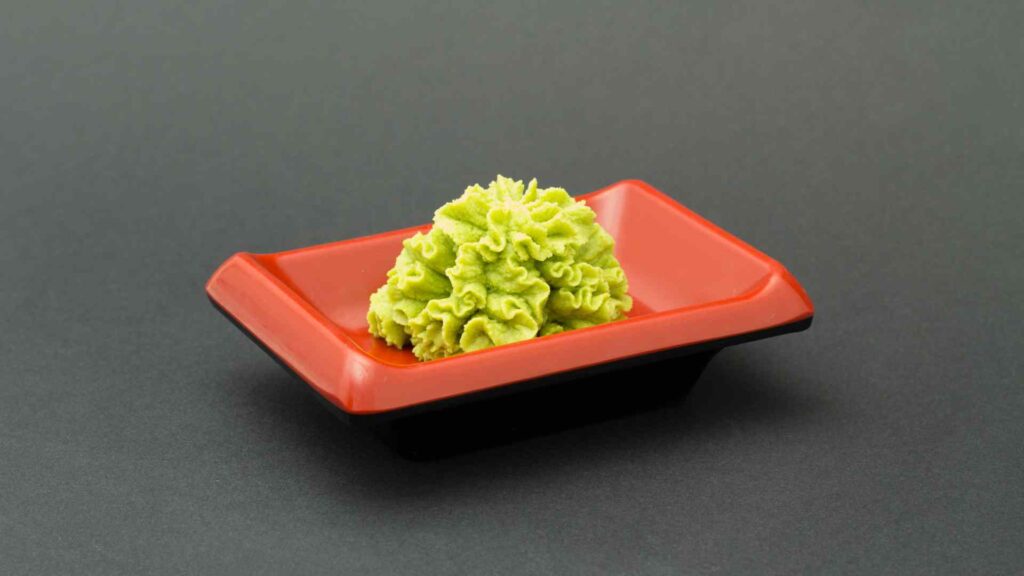
Start with the label, not the green color
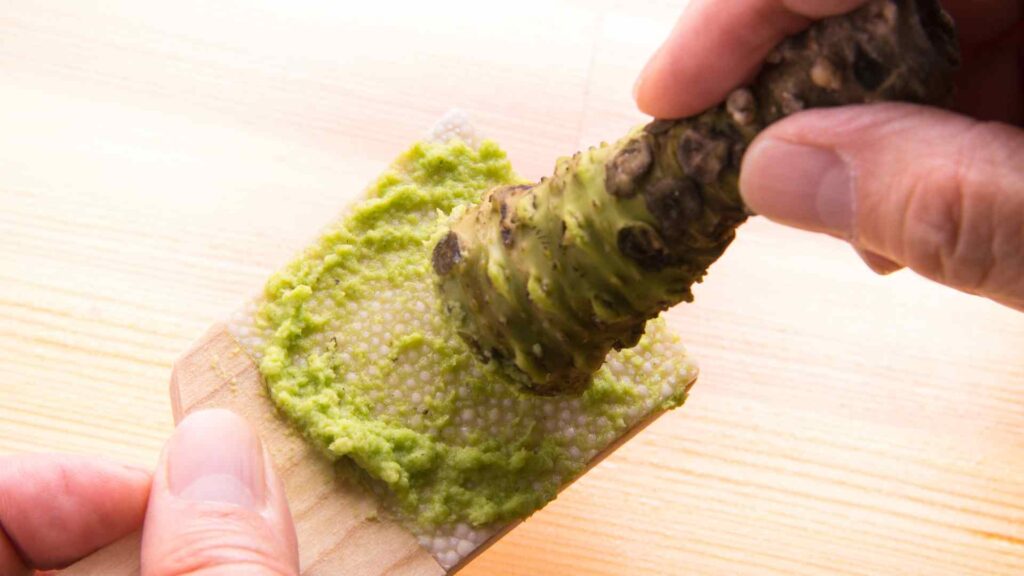
True wasabi comes from Wasabia japonica, also classified as Eutrema japonicum. Many restaurant pastes and supermarket powders get most of their heat from horseradish and mustard, with starch, color, oil, sugar, or salt added.
That distinction does not make either version a dog snack. It does explain why a fixed online ‘wasabi dose’ is unreliable: two green pastes can have very different ingredients and concentrations.
An official S&B food-service wasabi powder ingredient list, for example, identifies horseradish as 76 percent and true wasabi as 2 percent, with mustard and starch between them. Other brands and restaurant recipes will differ.
Save the tube, sachet, powder tin, menu listing, or delivery receipt. A veterinarian needs the brand, ingredients, amount missing, dog’s weight, time, symptoms, and any packaging swallowed far more than a guess based on color.
Why wasabi feels so sharp
The pungency associated with wasabi and mustard oils involves allyl isothiocyanate. It activates sensory pathways that register irritation and pain, which helps explain the sudden mouth, nose, and eye reaction rather than proving systemic poisoning.
A peer-reviewed study indexed by PubMed describes allyl isothiocyanate as the pungent principle of wasabi that activates TRPA1 on sensory nerve endings. The research is mechanistic, not a canine feeding trial, so it supports an irritation explanation rather than a dog serving limit.
A dog may drool, lick the lips, paw at the face, sneeze, cough, gag, or retreat after tasting a pungent paste. Vomiting, diarrhea, reduced appetite, and abdominal discomfort can follow a larger or concentrated exposure.
Powder creates a different route of exposure because it can puff into the nose and eyes. Human sensory research found dose-related nasal irritation from wasabi powder and allyl isothiocyanate, as summarized in this PubMed-indexed study.
Paste, powder, root, peas, and snacks are not interchangeable
Freshly grated true wasabi, prepared paste, dry powder, wasabi oil, extracts, coated peas, crackers, nuts, chips, mayonnaise, and sushi sauces each create a different ingredient puzzle. Concentrates and dry powders can produce more intense local exposure than a rice-grain smear of prepared paste.
Prepared tubes often contain horseradish, starch, oil, sugar, salt, water, flavors, and a smaller amount of wasabi. This manufacturer’s prepared wasabi example illustrates why checking the current package is essential rather than assuming a traditional recipe.
Wasabi peas add a hard round shape, starch, oil, salt, and a crunchy coating. Nuts or snack mixes add fat and may contain species-specific hazards, while broken packaging can be swallowed during a raid.
Wasabi mayonnaise and creamy dipping sauces add fat and calories. They may also contain garlic, onion, soy sauce, hot pepper, alcohol, or sweetener, so evaluate the whole recipe instead of blaming the green paste alone.
How much is concerning?
A pinhead lick left on a plate is not equivalent to chewing a tube or inhaling a cloud of powder. Risk rises with the amount, concentration, powder exposure, dog’s size, existing illness, symptoms, co-ingredients, and packaging.
There is no useful universal home dose table for a mixed condiment. The percentage of true wasabi, horseradish, mustard, salt, and other ingredients can change by brand, country, restaurant, and product line.
A comfortable dog after one tiny paste lick may only need label review and professional telephone advice. Repeated vomiting, breathing difficulty, marked facial or eye irritation, collapse, severe pain, or a substantial concentrated exposure calls for urgent veterinary assessment.
What to do immediately
- Remove the product and packaging, ventilate the area if powder became airborne, and keep the dog from rubbing irritated eyes on furniture.
- Save the exact label, recipe, menu, and remaining product, including the ingredient panel and serving size.
- Record the estimated amount, form, time, dog’s weight, current signs, and whether a tube, sachet, lid, skewer, or wrapper is missing.
- Call your veterinarian or an animal poison service for a concentrated exposure, uncertain product, concerning ingredient, symptoms, or packaging ingestion.
- Go to emergency care for breathing trouble, collapse, repeated unproductive retching, severe weakness, seizures, or persistent eye pain.
Do not induce vomiting, especially when powder, caustic cleaner, sharp packaging, or breathing signs are involved. Salt, hydrogen peroxide, oil, and fingers in the throat can create new injury and delay treatment.
Do not force milk, bread, rice, or large volumes of water to ‘cool’ the burn. Leave ordinary drinking water available for a dog that is alert and swallowing normally, then follow the veterinarian’s case-specific instructions.
If powder entered an eye, prevent rubbing and phone a veterinary clinic promptly for rinsing guidance. Persistent squinting, redness, cloudiness, discharge, or inability to open the eye warrants examination because eye injuries can worsen quickly.
Sushi brings its own checklist
When a dog steals sushi, the wasabi smear may be the smallest issue. Inventory raw or cooked fish, bones, soy sauce, avocado, pickled items, spicy mayonnaise, fried onion, sesame products, skewers, plastic grass, trays, and sauce packets.
Raw fish can carry pathogens or parasites, and fish bones can lodge in the mouth or digestive tract. Our fish guide explains why fully cooked, plain, carefully deboned fish is a different food from a mixed sushi platter.
Soy sauce can supply a concentrated sodium load. Check our soy sauce guide if a cup, bottle, or heavily soaked serving is missing, and tell the clinic whether the dog still has free access to normal drinking water.
Mustard and horseradish may be the actual heat source in imitation wasabi. The mustard guide covers condiment, powder, seed, and ingredient-specific concerns without recommending mustard as a home vomiting remedy.
Salt, soy, Alliums, and unusual sweeteners
Prepared wasabi and snacks can contain salt, while dips may add soy sauce or salty seasoning. A tiny smear and an emptied industrial-size tub are different exposures, but dogs with heart, kidney, or sodium restrictions deserve extra caution.
Garlic, onion, chive, or related powders may appear in seasoning blends and creamy sauces. These Allium ingredients can damage canine red blood cells, so report them by name rather than describing the food only as spicy.
Xylitol is not a standard ingredient in ordinary wasabi paste, and it should not be presented as though it is. Still, sugar-free specialty sauces, oral-care items, supplements, and novelty products require a label check for xylitol, birch sugar, or wood sugar.
The FDA warns that xylitol can cause dangerous low blood sugar and liver injury in dogs. If it appears on the label, call a veterinarian or animal poison service immediately even if the dog seems fine.
Tubes, packets, and takeout clutter
A chewed tube can deliver more paste than expected and leave sharp plastic edges. Single-serve packets, bottle caps, sushi grass, plastic film, bamboo skewers, chopstick wrappers, and absorbent pads can cause choking or intestinal obstruction.
Do not assume packaging will pass because the dog is large. Material shape, folds, sharp edges, amount, and location matter, and no safe-size rule can replace veterinary advice.
The FDA’s potentially dangerous pet items guide notes that food packaging and other household objects can cause choking or intestinal blockage. Report missing foreign material separately from the condiment exposure.
Seek care for repeated vomiting, drooling, abdominal pain, hunched posture, refusal of food, lethargy, straining, or reduced stool after a package disappears. A dog can have mouth irritation first and obstruction signs later.
Special-risk dogs
Small dogs receive more condiment per pound from the same spoonful. Puppies, frail seniors, and dogs with swallowing problems, gastrointestinal disease, pancreatitis history, kidney disease, heart disease, or dietary sodium restrictions may need a lower threshold for professional advice.
Flat-faced dogs and dogs with airway disease can be especially difficult to assess when coughing, gagging, or noisy breathing begins. Treat a breathing change as urgent rather than assuming every snort is a comic reaction to spice.
Dogs taking prescription medicines or eating therapeutic diets should not receive wasabi products as appetite stimulants or pill coatings. Ask the prescribing team for a compatible food if medication delivery is difficult.
What monitoring actually looks like
After a veterinarian advises home observation for a tiny, simple exposure, keep the dog in a calm area with normal access to water. Note drooling, vomiting, diarrhea, cough, eye irritation, appetite, energy, abdominal comfort, and stool rather than repeatedly offering food to test recovery.
Write down when each sign starts and take a short video of unusual breathing, gait, retching, or facial behavior if it is safe. Objective details help the clinic distinguish a fading irritant response from a problem that needs examination.
Do not mask symptoms with antacids, antihistamines, pain relievers, or human stomach medicines unless the veterinarian recommends a specific product and dose. Common human drugs can be dangerous to dogs or interfere with assessment.
Safer flavor is not the goal
Dogs do not need a pungent kick to enjoy food, and replacing wasabi with mustard, chile, horseradish, or garlic merely swaps one irritant or hazard for another. A complete dog food already supplies the nutrition the dog needs without a sushi-condiment experiment.
If a veterinarian permits toppers, use a measured amount of a familiar dog-safe food that fits the daily calorie plan. Plain cooked carrot or a small piece of the dog’s usual food is easier to identify, portion, and troubleshoot.
Keep all extras modest and avoid teaching a dog to expect food from plates or takeout containers. That habit prevents not only wasabi theft but also access to salty sauces, bones, skewers, and wrappers.
Frequently asked questions
Is wasabi poisonous to dogs?
Wasabi products are not appropriate dog food and can cause painful irritation and stomach upset, but one tiny paste lick should not automatically be described as fatal poisoning. Concentration, amount, exact ingredients, symptoms, and swallowed packaging determine the response.
Is restaurant wasabi real wasabi?
Often it is a horseradish-and-mustard blend, but recipes vary. Ask the restaurant or check the manufacturer rather than guessing from color or heat.
Can wasabi clear a dog’s nose or kill worms?
No. Pungency is irritation, not a veterinary decongestant or parasite treatment, and exposing the nose or mouth deliberately can cause pain and delay effective care.
Can I rinse my dog’s mouth?
Do not spray or force water into the mouth because the dog can inhale it or bite in distress. Offer normal drinking water if the dog is alert and swallowing, then ask a veterinarian what the specific exposure requires.
What if the product says horseradish instead?
Treat it as an irritant exposure and read every ingredient, including mustard, salt, oil, garlic, onion, chile, and sweeteners. Give the exact label to the veterinary professional rather than substituting the word wasabi.
The bottom line
Skip wasabi for dogs. A minuscule lick of ordinary paste often calls for label checking and calm monitoring advice, while concentrated paste or powder, eye or airway exposure, dangerous co-ingredients, significant symptoms, or swallowed packaging justify prompt veterinary help.
For a salty product or a large sauce exposure, also review our salt guide. The most useful action is not guessing whether the green paste was authentic, but preserving the label and reporting the complete meal accurately.