Can Dogs Eat Grapes? The Kidney Risk and What to Do Now
No, dogs should not eat grapes, raisins, sultanas, or Zante currants because these Vitis fruits can cause acute kidney injury and susceptibility is unpredictable. If your dog ate any amount, call a veterinarian or animal poison control service immediately, do not calculate a safe serving at home, and do not wait for symptoms.
If this just happened, stop reading and call
Contact your veterinarian or nearest emergency clinic now. You can also call ASPCA Animal Poison Control at 888-426-4435 or Pet Poison Helpline at 855-764-7661, both of which may charge a consultation fee.
Tell them your dog’s weight, what product was eaten, the best estimate of quantity, when it happened, and whether symptoms are present. Save packaging, recipes, photos, and any remaining fruit, because details help the toxicology team choose the next step.
Do not induce vomiting with hydrogen peroxide, salt, mustard, oil, fingers, or another home method unless a veterinary professional specifically instructs you for this dog. Decontamination can be time-sensitive, but it is not safe in every patient or situation.
Do not wait for vomiting, lethargy, thirst, or urination changes. The best opportunity to reduce risk is often while a dog still looks completely normal.
Why grapes are a kidney emergency
Grape and raisin exposure has been associated with acute kidney injury in dogs. The Cornell University College of Veterinary Medicine says any ingestion of grapes or related Vitis fruits should be considered serious because neither the affected dog nor the illness-producing amount can be predicted.
Tartaric acid and its salt, potassium bitartrate, are considered the most likely toxic principles, but concentration varies among fruits and products. That variability helps explain why a dog’s previous uneventful theft does not prove the next exposure will be safe.
The Merck Veterinary Manual’s peer-reviewed toxicology chapter describes gastrointestinal signs followed by possible oliguric or anuric kidney failure. Once urine production stops, the prognosis becomes very poor.
This is why a dose table would be irresponsible here. Body weight matters to the clinician, but it cannot turn one grape into a guaranteed safe event or justify watching at home without professional advice.
Every common grape variety counts
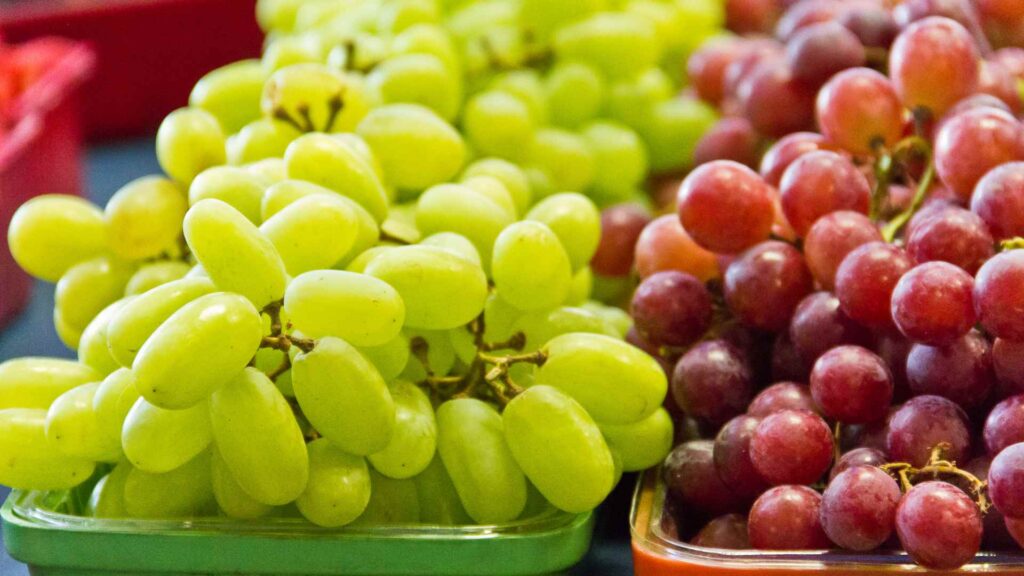
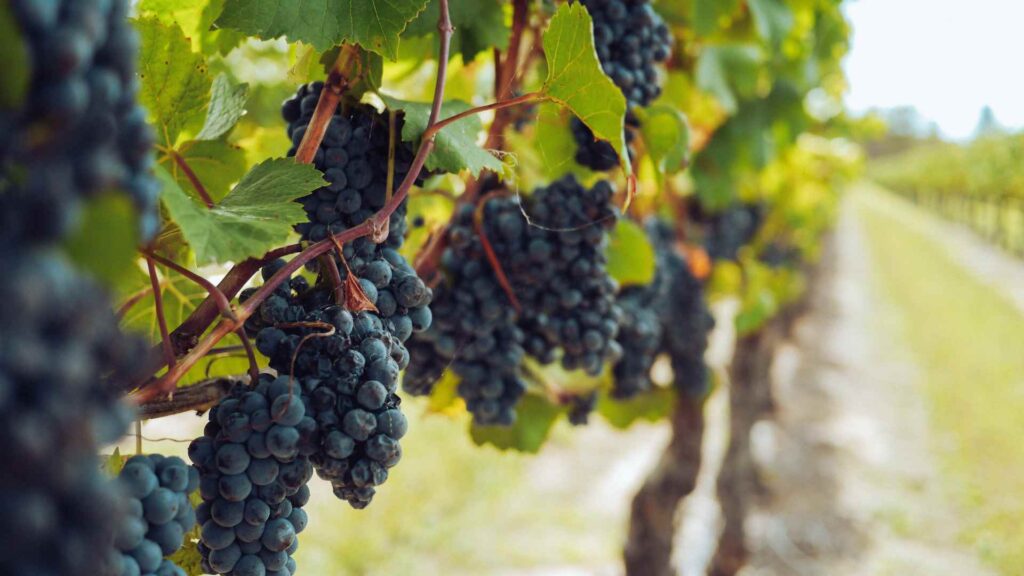
Red, green, black, seedless, seeded, organic, conventional, store-bought, homegrown, and wine grapes all come from the relevant fruit group. Washing, peeling, freezing, cooking, or removing seeds does not create a dog-safe grape.
Raisins and sultanas are dried grapes, so they remain dangerous. Their smaller size makes it easy to underestimate how much fruit a dog swallowed from cereal, trail mix, lunch boxes, or baked goods.
Zante currants, also called Corinthian currants, are tiny dried Vitis grapes and belong in the same urgent category. The word “currant” can be confusing, so keep the package and let the veterinarian identify the ingredient rather than guessing from color.
True currants from the Ribes genus are botanically different and have not been associated with the same kidney injury in the Merck review. That distinction is useful for identification, but an unknown dried currant in a product should be treated as uncertain until an expert confirms what it is.
Foods that hide grapes and raisins
- Raisin bread, bagels, buns, and cinnamon-raisin toast
- Oatmeal-raisin cookies, fruitcake, scones, and muffins
- Raisin bran, muesli, granola, energy bars, and trail mix
- Chocolate-covered raisins and yogurt-covered raisins
- Stuffing, rice dishes, chutney, tagine, and salads containing dried fruit
- Holiday candy, snack mixes, and charcuterie boards
These products can add a second hazard such as chocolate, xylitol, macadamia nuts, onion, garlic, alcohol, caffeine, or packaging. Report the complete ingredient list during the call instead of focusing only on the raisins.
Our bread guide explains other bread-related risks, but a raisin loaf is never made safe by baking. Heat does not give permission to wait.
A dog that ate oatmeal raisin cookies has both raisin exposure and a recipe question. Our oatmeal guide applies only to properly prepared plain oats, not a toxic dried-fruit dessert.
Juice, jelly, wine, and grape flavor need product-specific advice
Not every purple “grape” product contains intact Vitis fruit, and veterinary sources differ on which processed grape products have produced the classic kidney syndrome. That uncertainty is a reason to call with the exact label, not a reason to declare every product harmless or equally toxic.
Grape juice concentrate, jelly, gummies, candy, sports drinks, and flavored medicine can contain sweeteners, medications, caffeine, or other ingredients that change the triage. Sugar-free products may contain xylitol, which is a separate canine emergency.
Wine and foods made with wine add alcohol risk and should never be offered. Grapeseed oil and grape flavoring are not interchangeable with whole grapes, but supplement and product exposures still deserve label-based veterinary guidance when the amount or composition is uncertain.
Wild grapevines and winery pressings also belong off-limits. Secure fallen fruit, harvest waste, compost, and trash so a dog cannot sample first and leave the identification work for later.
Signs can be delayed
Early signs commonly include vomiting, diarrhea, poor appetite, lethargy, abdominal discomfort, weakness, and dehydration. They may begin within hours, but an apparently comfortable dog has not been medically cleared.
As kidney injury progresses, a dog may drink or urinate more, then produce very little or no urine. Tremors, profound weakness, foul breath associated with uremia, or collapse can accompany severe illness.
Cornell notes that early blood values may be normal, which is why a veterinarian may recommend repeat blood and urine testing over the following days. One reassuring result shortly after exposure does not automatically close the case.
Do not monitor urine by withholding water or delaying bathroom trips. Keep the dog accessible, follow the clinic’s instructions, and report any change promptly.
What the veterinary team may do
Treatment depends on time since exposure, amount, symptoms, examination, and toxicology advice. A veterinary team may induce vomiting with an appropriate medicine, assess hydration, run blood and urine tests, provide intravenous fluids, and monitor kidney function and urine output.
The VCA toxicology overview emphasizes immediate professional contact and early decontamination. It also explains that no specific laboratory test confirms grape poisoning, so the exposure history matters.
Activated charcoal is not a guaranteed or simple home solution, and veterinary sources note uncertainty about its effectiveness for this toxin. Do not administer charcoal products unless the treating professional directs them.
Hospital plans are individualized, so an online promise of a fixed number of fluid hours or blood tests is misleading. Dogs that develop reduced or absent urine output require especially intensive management, and dialysis availability may affect options.
Early action can improve the chance of preventing or minimizing kidney damage. That is the practical reason to call before signs, not an invitation to predict the outcome from the number of grapes missing.

What not to do after exposure
- Do not wait for symptoms or a change in urination.
- Do not use an online dose table to decide the dog is safe.
- Do not give hydrogen peroxide unless a veterinary professional specifically directs it.
- Do not offer food, milk, bread, oil, salt, or charcoal as a home antidote.
- Do not assume past uneventful grape eating creates immunity.
A veterinarian may ask you to travel while a poison-control consultation is underway. Call ahead when possible, follow driving instructions, and bring the package rather than spending precious time searching for a perfect answer online.
If the dog is already collapsing, seizing, struggling to breathe, or unable to stand, go to the nearest emergency clinic immediately. Have another person call during the trip if that can be done safely.
Prevention that works in real kitchens
Store grapes and raisins in closed containers inside a refrigerator or latched cabinet. Open bowls on a counter, children’s snack cups, and backpacks on the floor are common gaps in otherwise careful homes.
Sweep under tables after snacks and check sofa cushions, car seats, and lunch bags. One runaway grape rolls beautifully and disappears under furniture with almost theatrical efficiency.
Teach children that grapes never go to the dog, and give them an approved treat to share instead. Guests also need a quick warning before fruitcake, trail mix, cheese boards, and chocolate-covered raisins appear.
Use a covered, dog-proof trash can and an inaccessible compost bin. Raisin boxes, bakery wrappers, grape stems, and discarded fruit still smell interesting after people consider them finished.
If grapevines grow in the yard, fence them away from dogs and collect fallen fruit. Homegrown and pesticide-free grapes remain Vitis grapes.
Safer fruit choices
A dog does not need fruit, but there are safer optional choices when properly prepared. Small pieces of banana, pit-free peach flesh, or seedless and rind-free cantaloupe each have their own portion and texture rules.
Do not offer a substitute while managing a suspected grape exposure unless the veterinary team says feeding is appropriate. The emergency call comes before snack replacement.
For everyday treats, the WSAVA guide recommends keeping all extras below 10 percent of daily calories. Safe fruit is still optional and should not displace complete food.

Grape questions with clear answers
My dog ate one grape and looks fine. Do I still call?
Yes. Call a veterinarian or animal poison service immediately because appearance and quantity cannot reliably predict which dog will develop kidney injury.
Are raisins worse than grapes?
Both require immediate action, and dried fruit can pack more grape material into a small volume. Do not spend time ranking them before calling.
Are seeded grapes safer?
No. Seeded and seedless grapes have both been associated with illness, as have different colors and growing methods.
What about true black currants?
Ribes currants are botanically different from Zante currants and are not linked to the same kidney syndrome in veterinary reviews. If a label merely says “currants,” keep it and ask the toxicology professional to identify the product.
Can a dog build tolerance after eating grapes before?
No reliable protective tolerance has been established. Previous luck should never be used to delay care after a new exposure.
The bottom line
Grapes, raisins, sultanas, and Zante currants have no place in a dog’s treat bowl. Any known or suspected ingestion deserves an immediate veterinarian or poison-control call, even when the dog looks normal, because early professional care offers the best chance to protect the kidneys.