Can Dogs Eat Grits? Plain Bowls, Toppings, and Burns
A small spoonful of plain, fully cooked, cooled grits is unlikely to poison most healthy dogs, but grits are not a useful routine topper. Dry grain, steaming bowls, butter, cheese, salt, sugar, garlic, onion, shrimp dishes, breakfast meats, spoiled leftovers, and oversized portions change the answer.
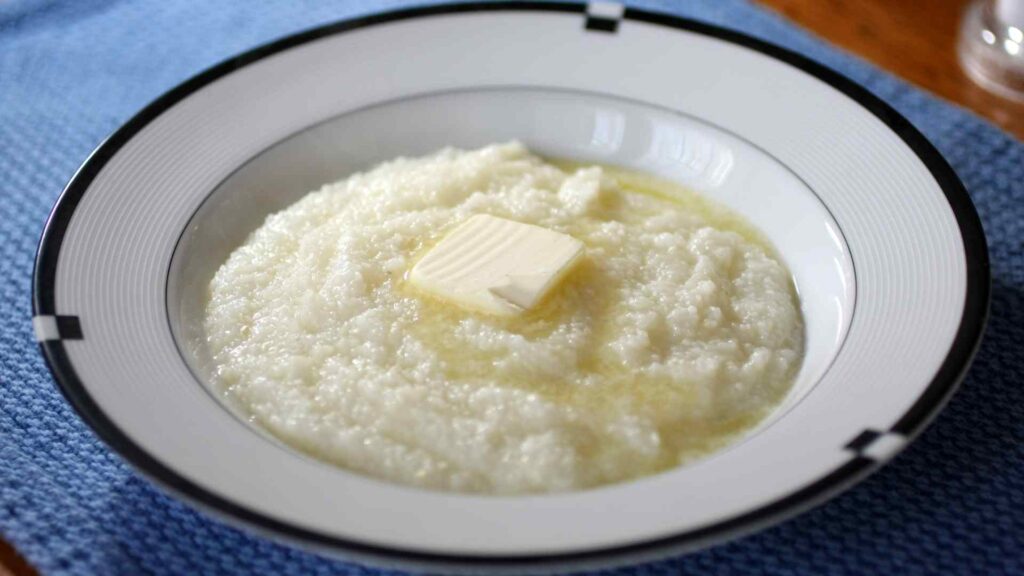
Plain grits are cooked corn, not a canine treatment
Grits are coarsely ground corn cooked with liquid until soft. Stone-ground, quick, instant, white, yellow, hominy, and flavored packets differ in texture, fortification, sodium, and added ingredients.
A complete dog food already supplies balanced carbohydrate, fat, protein, vitamins, and minerals. Grits should not be used to boost energy, settle every stomach, treat diarrhea, replace a meal, or create a homemade bland diet without veterinary direction.
Save the box or packet and identify the preparation liquid, toppings, portion, time, dog’s weight, symptoms, and missing packaging. Instant cheese grits and a plain water-cooked batch are not the same food.
Cooked, dry, and undercooked forms
Fully hydrated plain grits are soft, while dry grits are coarse particles that can scatter into the nose, trigger coughing, or expand after swallowing. A dog that tears open a bag may also eat paper, plastic, a measuring scoop, or a moisture packet.
Undercooked grits can remain gritty and difficult to swallow in a sticky mouthful. Cook according to the package with plain water, then cool thoroughly and thin any gluey clumps before considering a tiny veterinary-approved taste.
Do not pour dry meal over kibble as a fiber or calorie supplement. It unbalances the serving, increases calories, and can be messy enough to create an inhalation or packaging raid.
Hot grits can burn
Grits hold heat and cling to tissue, so the surface may look calm while the center remains scalding. A tipped bowl can burn the tongue, lips, esophagus, skin, and paws.
Prevent licking after a spill and call a clinic for first-aid instructions. Severe pain, blistering, drooling, refusal to swallow, facial burns, coughing, or breathing difficulty needs urgent examination.
Do not apply butter, oil, ice, toothpaste, essential oils, or human burn creams unless a veterinarian directs it. Sticky home products can trap heat or be swallowed during grooming.
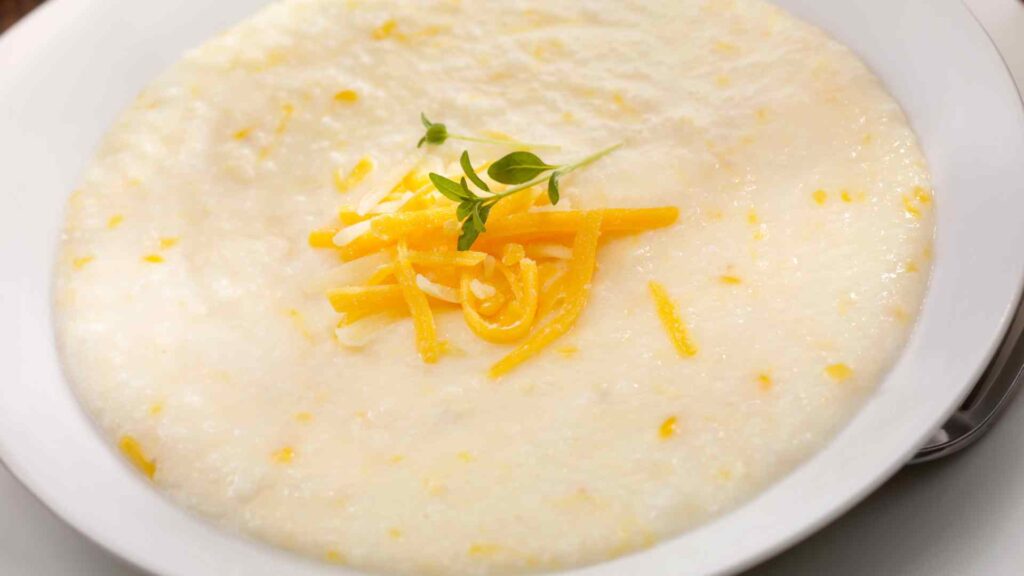
Butter, cream, and cheese add fat
Traditional recipes may use butter, cream, whole milk, cheese, or bacon grease. These additions raise calories and fat and can cause vomiting or diarrhea after a large serving.
High-fat dietary indiscretion is a concern for pancreatitis-prone dogs. The Merck Veterinary Manual’s pancreatitis review lists vomiting, poor appetite, weakness, dehydration, diarrhea, and abdominal pain among common severe signs.
Dogs with previous pancreatitis, obesity, diabetes, high blood fats, or a prescribed low-fat diet should skip rich grits. Seek urgent care for repeated vomiting, a painful or swollen abdomen, marked weakness, collapse, or inability to keep water down.
Milk and cheese can also cause digestive upset in lactose-intolerant dogs, while milk-protein allergy is a separate immune problem. A lactose-free label does not make a rich bowl appropriate for an allergic or fat-restricted dog.
Salt, sugar, and flavored packets
Instant grits can contain significant sodium, cheese powder, artificial or natural flavors, and preservatives. Low-sodium does not mean sodium-free, so read the current label rather than relying on brand memory.
Brown sugar, maple syrup, honey, and ordinary sugar add calories without creating a better dog food. Sugar-free toppings require an immediate xylitol label check, including the names birch sugar and wood sugar.
A tiny lick of plain grits is not comparable to a dog emptying several seasoning packets. Large salt exposures or xylitol-containing products require prompt veterinary or poison-service advice.
Our salt guide covers concentrated sodium, while the maple syrup guide distinguishes pure syrup from sugar-free and flavored products.
Savory grits and Alliums
Shrimp and grits may contain garlic, onion, scallions, sausage, bacon, ham, hot sauce, butter, cheese, stock, and alcohol. The dish should be assessed as a recipe, not as plain corn porridge.
Garlic and onion-family ingredients can damage canine red blood cells, even when cooked or powdered. Our cooked onion guide explains delayed and cumulative Allium signs.
Shrimp shells and tails can choke or injure the digestive tract, while skewers, foil, and plastic takeout lids can obstruct. Breakfast bowls add bacon, sausage, eggs, gravy, and hot grease to the inventory.
Do not pick out visible onion or shrimp shells and feed the remaining grits. Juices, powders, salt, fat, and small fragments remain mixed through the bowl.
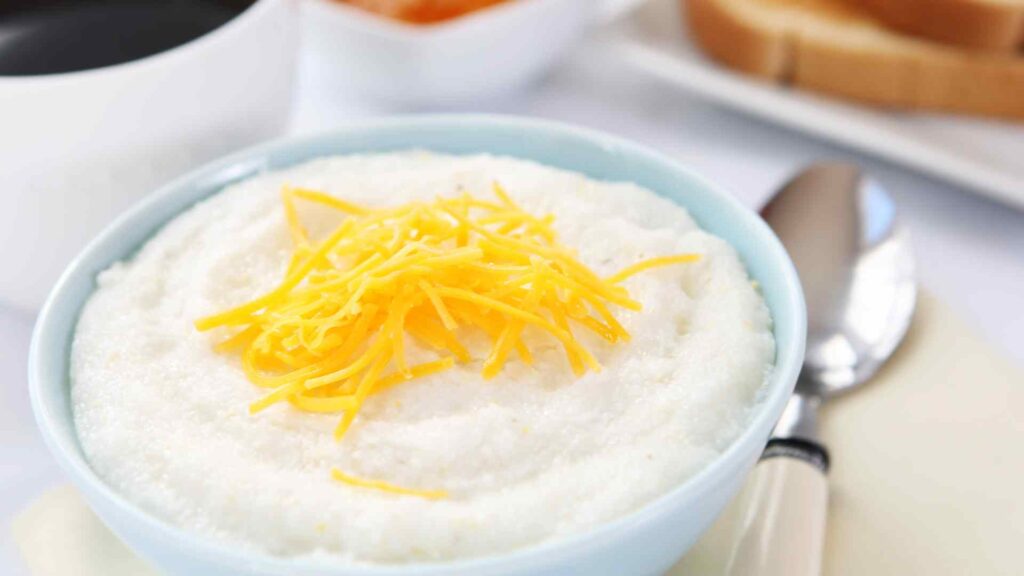
Corn allergy and therapeutic diets
Corn is not inherently toxic to dogs, and most dogs do not need to avoid it. A dog with a confirmed food allergy or a veterinary elimination diet should receive only foods specifically approved for that plan.
The Merck nutrition guide distinguishes immune food allergy from nonimmune intolerance and notes that gastrointestinal or itchy skin signs can occur in adverse food reactions. Proper elimination and controlled challenge are more reliable than home testing.
Dogs with kidney, heart, urinary, gastrointestinal, diabetic, or weight-management diets may have restrictions involving sodium, fat, carbohydrate, phosphorus, protein, or total calories. Ask the clinician managing the diet before adding grits.
Portion and meal displacement
The UC Davis dog treat guidelines advise that at least 90 percent of daily calories come from complete and balanced food. Grits, meat scraps, cheese, and every other extra share the remaining allowance.
A cereal bowl can fill a small dog while displacing nutrients from its balanced meal. Soft texture does not make a large serving nutritionally complete or automatically easy on a sick stomach.
There is no universal spoonful-by-dog-size table because grits vary in water, toppings, and calorie density, and dogs vary in needs and disease. If approved, think taste rather than side dish.
Leftovers and food safety
Cooked grits are moist food and should be refrigerated promptly in a covered container. Cream, cheese, seafood, and meat toppings make careful storage even more important.
Federal food-safety guidance advises refrigerating leftovers within two hours, as summarized in this refrigerated-food safety chart. When storage time or temperature is uncertain, discard the food rather than serving it to a dog.
Throw away grits with mold, sour odor, slime, unusual color, or repeated room-temperature exposure. Moldy cereal foods can expose dogs to tremorgenic toxins, so tremors, wobbliness, agitation, vomiting, or seizures after spoiled food needs emergency care.
What to do after a bowl raid
- Move the bowl, hot pot, leftovers, and packaging out of reach, and keep the dog away from a spill.
- Save the packet or recipe and list liquid, butter, cream, cheese, salt, sugar, sweetener, Alliums, meat, seafood, sauce, and alcohol.
- Estimate the amount, temperature, time, dog’s weight, symptoms, medical history, and any missing shells, skewers, foil, or plastic.
- Call for burns, dangerous ingredients, a large rich portion, repeated vomiting, abdominal pain, high-risk history, spoiled food, or swallowed packaging.
- Seek emergency care for breathing trouble, collapse, seizures, severe burns, repeated retching, marked weakness, or inability to keep water down.
Do not induce vomiting or give hydrogen peroxide, salt, oil, bread, milk, antacids, or human pain medicine without veterinary direction. A hot burn, sharp shell, or packaging exposure can make home emesis especially unsafe.
A small plain taste
If a veterinarian approves grits for a healthy dog, cook them in water without seasoning, cool completely, and offer only a tiny spoon-tip. Avoid sticky clumps and supervise swallowing.
Stop if vomiting, diarrhea, gas, itching, ear trouble, or discomfort follows. A dog that is already sick should receive the clinician’s recommended food rather than an improvised bowl of cereal.
Regular kibble is easier to budget as a reward. If a soft food is needed for medication, ask whether the dog’s prescribed canned diet is compatible instead of defaulting to buttery grits.
Grits, polenta, cornmeal, and hominy
Grits and polenta are both cooked ground-corn foods, but grind, corn type, processing, and customary toppings differ. Hominy grits are made from treated corn, while a bag of dry cornmeal is still not a ready-to-eat dog supplement.
The label and finished recipe matter more than the regional name. Plain soft cooled corn porridge creates a different question from fried grit cakes, cheese polenta, cornmeal batter, or seasoned instant packets.
Fried grit cakes add oil and may have a crisp hard edge, while batter may accompany fish, onion, salt, or hot grease. Assess those products as complete dishes instead of applying advice for a plain spoonful.
Frequently asked questions
Can dogs eat cheese grits?
Skip them as a routine treat. Cheese adds fat, sodium, calories, lactose, and milk protein, while packets may contain garlic or onion flavor.
Are grits a bland diet for diarrhea?
Not automatically. Diarrhea has many causes, and a home bland diet can be incomplete or inappropriate, so follow veterinary feeding guidance.
My dog ate a small plain cooled spoonful. What now?
A comfortable healthy dog will often only need observation, but call if symptoms, medical restrictions, a large amount, hot temperature, seasonings, spoilage, or packaging are involved.
The bottom line
Plain cooked cooled grits are not a classic dog toxin, but they are an optional extra rather than a treatment or balanced meal. Dry grain, hot bowls, rich toppings, salt, sweeteners, Alliums, seafood pieces, spoilage, and packages deserve separate attention.
Keep the serving tiny if a veterinarian approves it, read every packet, and store leftovers safely. A familiar piece of complete dog food is usually a simpler reward than a breakfast bowl with a long ingredient story.