Can Dogs Eat Kale? Portions, Stems, Compounds, and Seasonings
Most healthy adult dogs can eat a small amount of washed, plain kale, but there is no reason to make it a daily superfood. Finely chop tender leaves, remove thick stems, keep portions small, and avoid seasoned dishes, chips, smoothies, powders, supplements, or routine use in dogs with urinary, thyroid, or prescription-diet concerns.
A practical answer before the chemistry lesson
- One small plain leaf piece: usually a minor food exposure for a healthy adult dog.
- A fibrous stem or whole bunch: assess choking, quantity, packaging, and symptoms.
- Kale sautéed with onion or garlic: the recipe changes the risk.
- Kale chips: inspect salt, oil, seasoning, and the missing bag.
- Kale powder, extract, or daily concentrated smoothie: ask the veterinarian before use.
Kale sits in the cabbage family alongside broccoli, cauliflower, collards, Brussels sprouts, and other Brassica vegetables. The family shares plant compounds, but concentration, preparation, portion, and the dog’s health determine whether those compounds are meaningful.
How to prepare a small kale taste
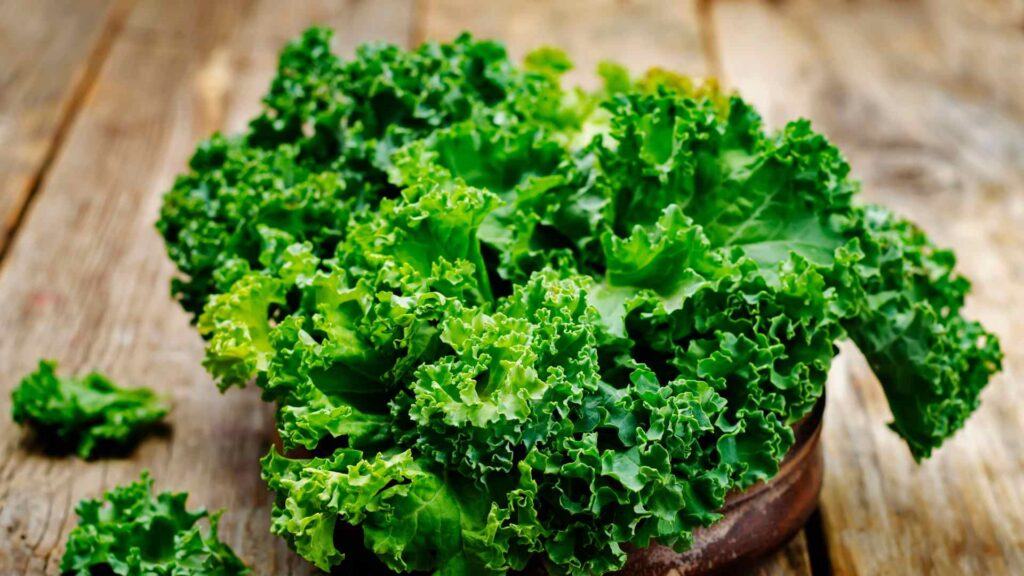
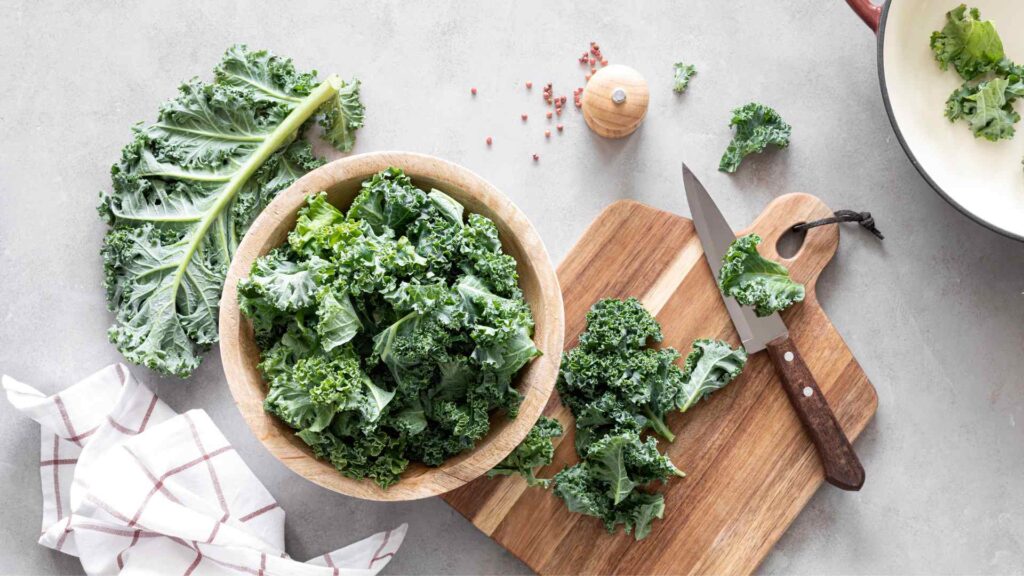
Wash intact leaves under running water and remove damaged areas. The FDA produce-safety guidance recommends clean hands and running water, not soap, bleach, or commercial produce wash.
Remove the tough central rib and stem, then finely chop the leaf. Serve one soft plain piece raw or lightly steamed, fully cooled, with no oil, salt, butter, cheese, stock, garlic, onion, or spice.
Cooking changes texture and some plant compounds, but it does not turn a large bowl into balanced dog food. Tender cooked leaf is simply easier to chew and portion than a long raw strip.
Stop if the dog develops vomiting, diarrhea, gas, discomfort, itching, or refuses the food. There is no prize for persuading a dog to like kale.
Kale is optional, not nutritional insurance
Kale contains vitamins, minerals, fiber, and phytochemicals, but a dog-safe taste cannot correct a deficiency or treat cancer, arthritis, anemia, immune disease, poor eyesight, or a dull coat. A larger amount creates more diet displacement rather than a precise therapy.
The UC Davis veterinary treat guideline recommends that all extras stay below 10 percent of daily calories. At least 90 percent should come from complete and balanced food.
Vegetables can be low in calories, but replacing a measured meal with a pile of greens can dilute protein, amino acids, fat, vitamins, and minerals. Weight loss should preserve essential nutrition and be planned for the dog.
Oxalate claims need proportion
Kale contains oxalate, but internet lists often present wildly different numbers because cultivar, sample, growing conditions, preparation, and measurement method vary. It is inaccurate to treat one small leaf as a predictable calcium-oxalate stone dose.
A human feeding study indexed by PubMed measured native oxalic acid in kale far below the spinach comparison meal. That study is not canine stone guidance, but it directly challenges the casual claim that kale is automatically an exceptionally high-oxalate vegetable.
Dogs with a history of calcium oxalate stones, abnormal urine minerals, kidney disease, or a therapeutic urinary diet should not receive routine kale without the managing veterinarian’s approval. Their total diet, water intake, urine chemistry, medications, and stone type matter.
Do not add kale as a home urinary remedy or remove prescribed food to make room for it. Straining, frequent attempts to urinate, blood in urine, pain, or inability to pass urine needs urgent veterinary care.
Glucosinolates and isothiocyanates are real, but dose matters
Kale and other Brassica vegetables contain glucosinolates that can break down into isothiocyanates and related compounds. Their levels vary by cultivar and processing, so a powder or extract is not equivalent to a leaf fragment.
The peer-reviewed lacinato kale metabolome study indexed by PubMed documents multiple glucosinolates in kale. It describes food composition and does not establish that an occasional small canine serving causes toxicosis or prevents disease.
A large sudden helping can still irritate digestion, causing gas, vomiting, or diarrhea. Avoid concentrated kale powders, extracts, or daily green blends because exposure is harder to judge and canine benefit has not been established.
Kale and thyroid claims also need context
Kale is described as goitrogenic because some breakdown products can interfere with thyroid hormone production under certain conditions. That mechanism does not prove a tiny occasional bite will cause hypothyroidism in a dog eating a complete diet.
The Merck Veterinary Manual goiter review lists kale among goitrogenic plants and notes its goitrogens are less potent than those in soybeans. It does not provide a kale-treat dose for pet dogs.
A dog with diagnosed thyroid disease, iodine-sensitive nutrition, or thyroid medication should have toppers reviewed by the veterinarian. Do not use kale to treat or prevent thyroid disease, and do not change medication around a vegetable snack.
What about thallium?
Thallium is a genuinely toxic element, but viral claims that ordinary store-bought kale is uniquely poisoning dogs skip the required evidence: product concentration, contaminated source, amount eaten, dog weight, symptoms, and testing. A trace-detection headline is not a canine toxicity threshold.
The Agency for Toxic Substances and Disease Registry thallium fact sheet says exposure can occur through produce grown in contaminated soil and that environmental levels are generally below those known to cause adverse effects. It does not single out normal kale servings as a pet hazard.
Do not feed produce from soil known to be contaminated with heavy metals, and follow local public-health advisories. Suspected environmental or supplement exposure needs a veterinarian or poison-control consultation, not internet detox remedies.
Stems, ribs, and whole leaves
A thick kale stem is fibrous and can be gulped like a stick, while a whole leaf can fold into a slippery wad. Remove stems and chop leaves to reduce choking and make the serving visible.
Active choking, breathing trouble, blue or gray gums, or collapse is an emergency. Repeated gagging, drooling, pawing at the mouth, or inability to swallow also needs urgent assessment.
A missing large stem followed by repeated vomiting, appetite loss, abdominal pain, lethargy, bloating, or reduced stool warrants a call. Do not force more food or induce vomiting unless a professional directs it.
Raw versus cooked kale
A tiny raw chopped leaf piece may be tolerated by a healthy dog, but it is chewy and can produce gas. Plain steaming softens the leaf without adding ingredients and is the easier default.
Boiling can leach water-soluble compounds, but that is not a reason to serve kale cooking water as broth. Discard seasoned water and do not chase a theoretical nutrient advantage.
Fermented kale, kimchi, and sauerkraut-style products are not plain cooked greens. They may contain substantial salt, garlic, onion, chile, or unfamiliar fermentation ingredients.
Kale chips are a snack-food question
Kale chips are usually coated with oil and salt, and flavors may add garlic, onion, cheese, chile, yeast seasoning, nuts, or sweetener. Their crisp texture also makes it easy for a dog to consume a whole bag.
Our garlic guide explains why powdered garlic still matters, while our onion guide covers cooked and dried forms. Save the chip label because seasoning blends change.
One plain crumb is usually a smaller concern than a large oily, salty serving or a swallowed bag. Dogs with pancreatitis history, heart disease, kidney disease, or prescribed sodium limits need extra caution.
Sautéed kale, soups, and casseroles
Restaurant kale often comes with bacon, sausage, butter, oil, salt, stock, onion, garlic, cheese, or cream. Soups may add leeks, chives, noodles, beans, and seasoned meat.
Our cauliflower guide uses the same recipe-first approach for another Brassica vegetable. The vegetable’s presence does not neutralize the dish around it.
A large rich meal can cause vomiting or diarrhea and may be unsuitable for a dog with pancreatitis history or fat restriction. Record the full recipe rather than reporting only kale.
Smoothies, powders, and supplements
Green smoothies can combine kale with grapes, raisins, chocolate protein powder, caffeine, sweetener, avocado, dairy, or supplements. A blender also makes several leaves disappear into one quick drink.
Kale powder and concentrated greens products may include tea extracts, herbs, probiotics, vitamins, minerals, mushrooms, or sugar alcohols. Do not assume a human wellness product is safe because the front label shows vegetables.
Save the ingredient panel and call after a significant supplement exposure. Do not use a green powder to treat cancer, detoxify metals, improve thyroid function, cure anemia, or balance homemade food.
Garden kale and produce handling
Keep dogs away from fertilizer, compost, slug bait, pesticides, sharp stakes, plant labels, and plastic mulch. Garden access can create a chemical or foreign-object exposure even when the edible leaf itself is familiar.
Discard visibly moldy, slimy, fermented, or spoiled leaves. Do not let a dog clean up produce rejected from the refrigerator or compost.
Food allergy and individual tolerance
A dog can react poorly to almost any new food, but itching or vomiting after a kale dish does not prove kale allergy. Meat, dairy, seasoning, environmental allergens, parasites, and infection may be more likely explanations.
The Merck Veterinary Manual food-allergy review describes a strict elimination diet and rechallenge as the reference diagnostic approach. Dogs in a diet trial should receive no kale unless it is specifically included.
Facial swelling, widespread hives, breathing difficulty, weakness, or collapse is an emergency. Milder recurring skin, ear, or digestive signs need a structured veterinary workup.
What to do after a kale raid
- Identify plain raw or cooked kale, stem, chips, soup, casserole, smoothie, powder, supplement, spoiled leaves, or garden material.
- Estimate the amount and time, then record dog weight, symptoms, conditions, and medications.
- Save recipes and labels for seasoning, broth, chips, powders, sweeteners, and supplements.
- Check for missing bags, clips, skewers, plant tags, fertilizer, pesticide, compost, or other garden products.
- Call promptly for unsafe co-ingredients, a large amount, concentrated products, foreign objects, medical-diet conflicts, or significant symptoms.
A healthy adult dog that eats one small piece of washed plain leaf and remains comfortable can usually be monitored. Keep water available and return to the normal complete diet.
Do not induce vomiting or give oil, milk, charcoal, thyroid medicine, or human stomach remedies unless a veterinary professional directs it. The recipe and dog’s symptoms determine the response.
Frequently asked questions
Is kale toxic to dogs?
A small plain food portion is not established as a canine poison, but large amounts, concentrated products, stems, seasonings, and individual medical conditions can cause problems. Dose and context matter.
Can dogs eat raw kale?
A tiny finely chopped raw piece may be tolerated, but plain steamed leaf is easier to chew. Remove the stem and keep either form occasional.
Does kale cause kidney stones?
One bite does not predict a stone, and kale is often mislabeled as exceptionally high in oxalate. Dogs with urinary stones or a therapeutic urinary diet should follow their veterinarian’s specific plan.
Can kale prevent cancer?
No canine treatment claim follows from kale’s nutrient or glucosinolate content. Cancer prevention and therapy cannot be reduced to adding a leafy vegetable.
The bottom line
A small amount of washed, finely chopped, plain kale leaf can be an occasional extra for many healthy adult dogs. Remove tough stems, start with one bite, and keep the complete diet in charge.
Kale chips, seasoned dishes, smoothies, powders, supplements, large portions, garden chemicals, and urinary or thyroid conditions require a different assessment. The internet chemistry debate should never outrun the actual dose and dog.