Can Dogs Eat Lentils? Cooking, Diet Context, and Risks
Dogs can eat a small amount of fully cooked, plain lentils, but dry, undercooked, canned, or seasoned lentils require different answers. Lentils are not a protein therapy or a complete meal, and their appearance in diet-associated DCM investigations does not mean that one spoonful is toxic.
The practical answer
A healthy dog can usually try a few soft lentils cooked in water with no salt, oil, broth, onion, garlic, or spice. Start tiny because the fiber and fermentable carbohydrates can cause gas, loose stool, or abdominal discomfort.
If the dog ate dry lentils, a half-cooked batch, a large amount, a seasoned dish, or packaging, keep the recipe and call when symptoms or concerning ingredients are present. Repeated vomiting, marked bloating, pain, weakness, collapse, or unproductive retching needs urgent care.
Cooked plain lentils are not poisonous
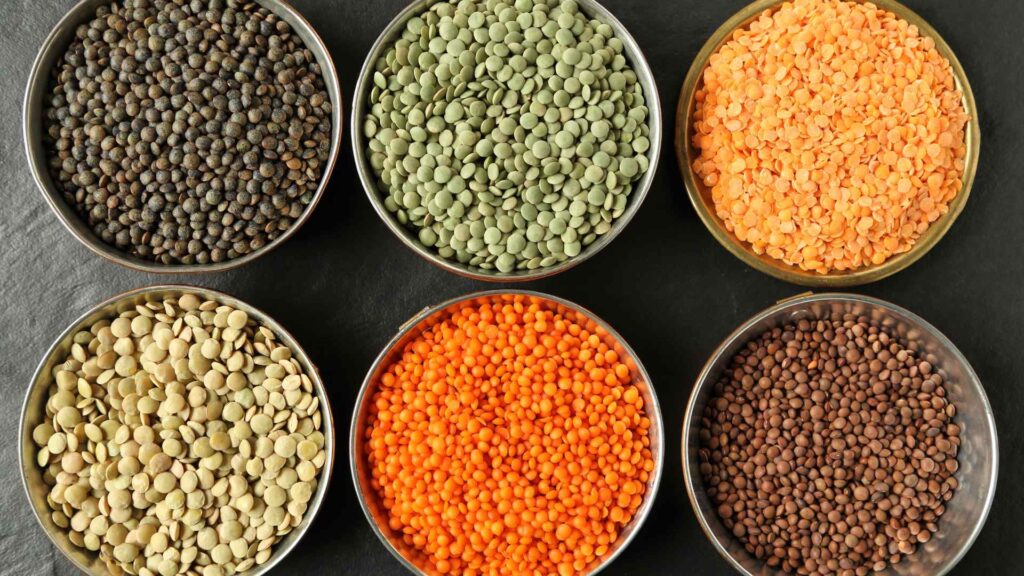
Brown, green, red, yellow, and black culinary lentils can be edible after proper cooking, though texture and cooking time vary. They should be soft enough to mash, cooled, and offered as an occasional extra rather than a bowl.
A food can be non-toxic yet unsuitable for an individual dog. Chronic gastrointestinal disease, a prescription diet, food allergy testing, kidney disease, or another condition can change whether lentils belong at all.
Dry and undercooked lentils
Dry lentils are hard, expand with water, and are difficult to digest, while undercooked legumes retain more antinutritional compounds than properly cooked ones. Do not let a dog raid a pantry bag or eat crunchy lentils from an unfinished pot.
The FDA explains that lectins in raw or undercooked legumes can cause gastrointestinal illness, with proper cooking reducing the concern. The strongest food-safety warning centers on kidney beans, so do not pretend every lentil has an identical toxin level.
Soaking and rinsing may help cooking, but they do not replace adequate heat. Follow reliable human food-safety directions and never use a slow, lukewarm soak as the final preparation.
Canned lentils
Canned lentils are fully cooked, but many sit in salty liquid. Choose no-salt-added when possible, drain and rinse, and still serve only a small amount.
Rinsing does not remove onion, garlic, chili, smoke flavor, bacon, or sauce already included in a recipe. The FDA sodium label guide explains how to multiply sodium per serving by the servings actually eaten.
Soup, curry, dal, and packaged meals
The lentils may be the least concerning part of a prepared dish. Onion, garlic, butter, cream, coconut milk, salty broth, chili, raisins, and fatty meat can change the risk.
The ASPCA notes that onion and garlic can injure red blood cells in dogs, depending on dose. Powdered seasonings count even when no vegetable pieces are visible.
Keep the package or recipe and report the whole dish. Our garlic guide and salt guide help separate co-ingredient risks.
Gas is common, severe bloating is not
Gut microbes ferment some lentil carbohydrates, so gas and softer stool can follow an unfamiliar serving. Introduce slowly and stop if the dog is uncomfortable rather than increasing lentils as a fiber experiment.
A rapidly enlarging abdomen, repeated unproductive retching, severe restlessness, breathing difficulty, collapse, or pale gums is not ordinary flatulence. Seek emergency care because gastric dilation and volvulus or another acute problem cannot be diagnosed at home.
The DCM question needs careful language
The FDA investigated reports of canine dilated cardiomyopathy associated with certain diets, many labeled grain-free and containing peas or other pulses, including lentils, high in ingredient lists. The FDA describes the issue as complex and multifactorial, not as proof that lentils are a direct toxin.
A spoonful of cooked lentils is not the exposure pattern under investigation, and owners should not stop a prescribed or nutritionally complete diet abruptly. Discuss the whole diet, formulation, duration, dog’s breed, symptoms, and medical history with a veterinarian.
Weakness, exercise intolerance, coughing, fainting, rapid breathing, or breathing effort warrants examination regardless of diet. Food lists cannot diagnose heart disease.
Lentils do not replace balanced protein
Lentils provide plant protein and fiber, but a bowl does not supply every nutrient in the right canine proportions. Substituting lentils for complete food can dilute essential amino acids, fatty acids, vitamins, and minerals.
The UC Davis veterinary nutrition service recommends keeping extras at no more than 10 percent of daily calories. Regular home-cooked diets should be formulated by a board-certified veterinary nutritionist.
Our broad bean guide explains why one rule does not cover every legume. Peas have their own diet-formulation discussion in the pea guide.
How to prepare a taste
- Choose familiar culinary lentils and inspect them for stones or debris.
- Rinse and cook in plain water until completely soft.
- Cool, mash if needed, and offer only a tiny amount.
- Add no salt, broth, butter, oil, onion, garlic, or spice.
- Watch for gas, vomiting, diarrhea, itching, or discomfort before considering another occasion.
After an accidental ingestion
Remove the food, save the label or recipe, estimate the amount and time, and note the dog’s weight, conditions, medicines, and symptoms. Check for a missing can lid, pouch, plastic liner, clip, or absorbent packet.
Do not induce vomiting or give a home remedy unless a veterinary professional directs it. Call for significant Alliums, a large amount, dry lentils plus symptoms, severe bloating, persistent vomiting, weakness, or swallowed packaging.
Frequently asked questions
Can dogs eat lentils every day?
Daily inclusion should come from a complete commercial formula or a recipe created by a veterinary nutritionist. Repeated spoonfuls can cause gas and displace balanced food.
Are lentils toxic because of DCM?
No. The FDA investigation concerns complex diet patterns and formulation, not proof that an occasional cooked lentil poisons the heart.
Can puppies eat lentils?
A tiny cooked plain taste is unlikely to be toxic, but puppies need nearly all calories from a complete growth diet. Avoid routine toppers without veterinary approval.
Portions without a rigid chart
No single spoonful suits every dog because cooked moisture, total diet, body size, health, and tolerance vary. Begin with a tiny taste, and count it with every other topper and treat offered that day.
A dog already eating lentils in a complete commercial formula does not need extra lentils on top. Ingredient familiarity does not create a nutritional gap that another scoop must fill.
Lentil pasta, chips, and snacks
Lentil pasta may be mostly lentil flour, but sauces can add garlic, onion, cheese, cream, salt, and fat. Plain fully cooked noodles are less concerning than the finished dinner, yet they remain calorie-dense extras.
Lentil chips and puffs commonly contain oil, sodium, and seasoning powders. A stolen handful is a product-label question, not evidence that plain cooked lentils are unsafe.
Sprouted and fermented lentils
Sprouting changes texture but does not guarantee that a legume is ready or safe without cooking. Home sprouts also require careful hygiene because warm, moist growing conditions can support bacterial contamination.
Fermented batters may include salt, spices, onion, or garlic. Do not use the word fermented as a health claim or assume it creates a probiotic treatment for dogs.
Storing cooked lentils
Cool leftovers promptly, refrigerate them in a clean covered container, and follow ordinary food-safety limits. Discard lentils that smell wrong, show mold, become slimy, or sit out beyond safe handling guidance.
A dog that eats spoiled food and develops repeated vomiting, diarrhea, fever, weakness, tremors, or unusual behavior needs veterinary advice. Keep a sample or photo when safe.
Special diets need special answers
Dogs with kidney, heart, urinary, gastrointestinal, endocrine, or food-responsive disease may have restrictions involving protein, phosphorus, potassium, sodium, fiber, or calories. A generic claim that lentils are healthy cannot override those targets.
During an elimination diet, one spoonful can invalidate the trial. Ask the supervising veterinarian before offering any legume, flavored medicine, chew, or table scrap.
Reading a dog-food label
The position of lentils on an ingredient list does not reveal the finished food’s amino acid balance, digestibility, processing, formulation expertise, or feeding-test evidence. Evaluate the manufacturer and complete nutrient profile rather than ranking one ingredient alone.
If a dog is doing well on a veterinarian-recommended complete diet, do not panic-switch because lentils appear on the label. Sudden changes can cause gastrointestinal upset and complicate evaluation of genuine symptoms.
Call the manufacturer with specific questions about nutritional expertise, quality control, feeding research, and who formulates the diet. A polished package and a short ingredient list do not answer those questions.
When symptoms matter more than ingredients
A dog that remains bright after a few plain cooked lentils usually needs only observation, but repeated vomiting, watery diarrhea, refusal of food, marked lethargy, or abdominal pain changes the plan. Call even when the recipe seems harmless because illness can coincide with a food theft.
Keep normal fresh water available unless a veterinarian says otherwise, and do not start anti-diarrheal medicine from the human cabinet. The dog’s age, hydration, underlying disease, and other possible exposures affect which treatment is appropriate.
If several pets shared the dish, track each animal separately. Body weight, amount eaten, symptoms, and medical history can lead to different advice for dogs in the same household.
Bottom line
Fully cooked plain lentils can be an occasional extra for some healthy dogs, while dry, undercooked, salty, and seasoned forms need more caution. Keep diet-associated DCM language tied to whole-formula evidence, not fear about a spoonful.