Dog Ate Macadamia Nuts? Toxic Signs and What to Do Now
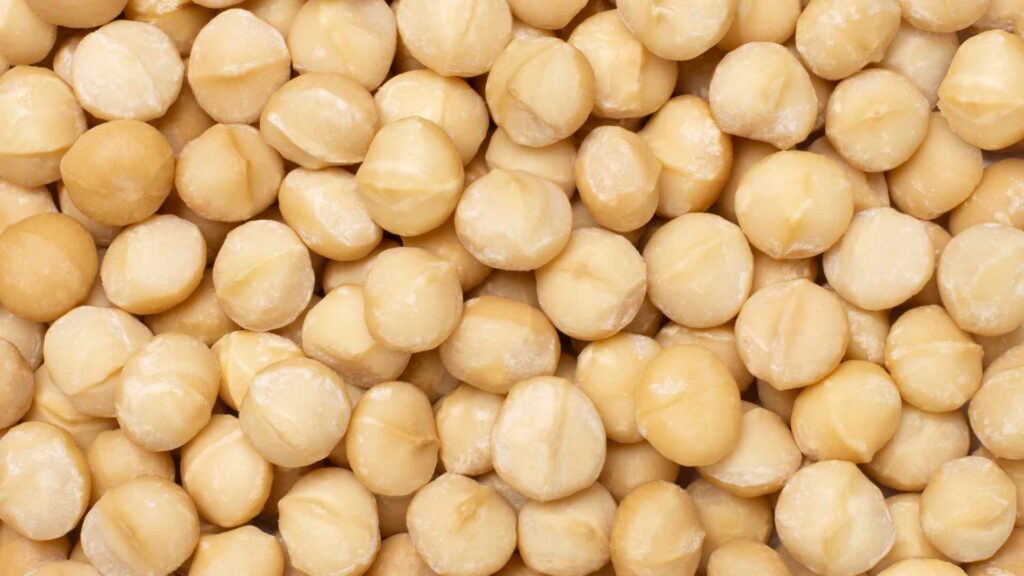
If your dog ate macadamia nuts, call a veterinarian, emergency clinic, or animal poison-control service promptly. Weakness, abnormal walking, vomiting, tremors, depression, pain, and increased body temperature can develop within hours, and mixed products may add chocolate or xylitol.
What to do now
- Secure the remaining nuts, food, wrappers, shells, and other pets.
- Call a veterinary professional with the product, amount range, time, dog weight, symptoms, conditions, and medications.
- Check chocolate, cocoa, xylitol, coffee, raisins, alcohol, cannabis, salt, spices, and mold.
- Count bags, boxes, foil, clips, lids, shells, freshness packets, and every missing nonfood item.
- Keep the dog quiet and follow professional transport, monitoring, and treatment instructions.
Do not wait for weakness before calling because early options depend on timing. Do not induce vomiting with peroxide, salt, mustard, oil, or fingers unless the treating professional specifically directs you.

Macadamia toxicosis is a dog-specific syndrome
Dogs are the species in which the characteristic syndrome has been reported, and the precise toxic mechanism remains unknown. Both raw and roasted macadamia nuts should be treated as exposures.
The Merck Veterinary Manual macadamia review describes vomiting, weakness, central nervous system depression, abnormal coordination, tremors, and hyperthermia, often developing within 12 hours. Many dogs recover within 12 to 48 hours, but severity and co-ingredients affect the care needed.
A favorable average outcome is not permission to monitor every exposure without advice. Severe weakness, pain, overheating, repeated vomiting, or another toxin in the food can require examination and supportive treatment.
Macadamias are specifically listed among unsafe treats in the World Small Animal Veterinary Association treat guide. They should not be intentionally fed in any form.
Why this guide does not give a DIY dose table
Veterinary references report doses associated with signs, but package size, nut weight, partial chewing, mixed products, and individual response create uncertainty. A rounded household nut count is not a medical clearance.
Report the maximum plausible amount and let the professional calculate the exposure against the dog’s weight. Weigh an identical nut or unopened package only if that can be done without delaying the call.
Do not assume a large dog is safe because a small dog became ill in a story, and do not assume a previous uneventful theft predicts this one. Product ingredients and canine response vary.
Signs and timing
Weakness often affects the rear legs and may look like reluctance to stand, a wobbly gait, stiff steps, or collapse. Dogs may also seem unusually quiet, painful, depressed, or unable to coordinate normal movement.
Vomiting can occur, and tremors may accompany muscle weakness or fever. Do not exercise a weak dog to test whether the legs improve because falls and overheating are possible.
Seek urgent care for severe tremors, collapse, seizures, breathing trouble, repeated vomiting, marked pain, very high temperature, or inability to walk. Transport on a blanket or stable surface if lifting is needed.
Do not wrestle with a painful dog to measure rectal temperature unless a veterinary professional instructs you and it can be done safely. Report observable heat, panting, tremors, behavior, and walking instead.

Chocolate-covered macadamias combine toxins
Chocolate adds theobromine and caffeine, which can cause vomiting, restlessness, rapid heart rate, abnormal rhythms, tremors, overheating, or seizures. Dark, baking, and high-cacao products generally create more methylxanthine concern than white chocolate.
Save the cocoa percentage, chocolate type, product weight, number missing, and dog weight. Our chocolate exposure guide helps gather the details while the veterinary professional assesses both toxins.
White chocolate contains little methylxanthine but still adds fat and sugar, and the macadamia remains toxic. Do not downgrade the entire exposure because the coating is pale.
Xylitol can make a product immediately life-threatening
Sugar-free chocolate, nut butter, keto bars, protein products, and baked goods may contain xylitol, also called birch sugar, wood sugar, or birch bark extract. Xylitol can rapidly lower canine blood sugar and may cause liver injury.
The FDA xylitol warning advises immediate veterinary or poison-control contact after suspected ingestion. Do not wait for vomiting, weakness, stumbling, collapse, tremors, or seizures.
Read the ingredient list rather than assuming sugar-free means xylitol-free. Tell the clinic both the sweetener and the macadamia amount.
Cookies, cakes, and mixed nuts
Macadamias appear in cookies, brownies, banana bread, cakes, granola, cereal, ice cream, candy, pesto-style sauces, and mixed nuts. Recipes may add raisins, chocolate, coffee, alcohol, cannabis, or xylitol.
Raw yeast dough adds expansion and alcohol risks, while rich baked goods can contribute to digestive upset or pancreatitis. Save the recipe, batch yield, number missing, and wrapper.
Our nut-by-nut guide can identify other nuts in a mix, but it does not reduce the urgency of macadamia exposure. Start the professional call first.
Shells add choking and obstruction risk
Macadamia shells are exceptionally hard and can damage teeth, lodge in the throat, or obstruct the digestive tract. Processing fragments can also have sharp edges.
Call promptly when shell pieces may be missing and report gagging, repeated swallowing, vomiting, abdominal pain, refusal to eat, straining, or lethargy. Do not induce vomiting or pull deeply lodged material.
Whole nuts can choke a small dog even without shells, especially when coated in sticky caramel or butter. Keep all nuts in closed cabinets rather than open bowls.
Mold can cause a different neurologic emergency
Old, damp, composted, or visibly moldy nuts may contain tremorgenic mycotoxins in addition to the macadamia risk. Mold-associated signs can include agitation, drooling, vomiting, abnormal sensitivity, rapid heart rate, tremors, overheating, and seizures.
The Merck Veterinary Manual tremorgenic mycotoxin review identifies moldy nuts and food waste as possible sources. Tell the clinic about storage conditions, compost access, visible growth, odor, and other discarded food.
Do not feed suspect nuts to another animal or wildlife and do not handle mold without washing hands afterward. Save a sealed sample only if it can be collected safely.
Fat, salt, and pancreatitis still matter
Macadamia nuts are high in fat, and flavored products may add oil, butter, and salt. Digestive upset or pancreatitis can overlap with the toxic syndrome and extend the monitoring problem.
Report persistent vomiting, belly pain, appetite loss, dehydration, or worsening lethargy even if the dog’s walking improves. Recovery from weakness does not prove every co-problem is resolved.
Dogs with previous pancreatitis, high blood fats, obesity, or a prescribed low-fat diet need an especially careful assessment. Do not offer food or water contrary to the clinic’s instructions.
Packaging can change the plan
Nut bags, gift boxes, foil, plastic trays, clips, ribbons, skewers, jars, lids, and freshness packets may disappear during a raid. These objects can choke, cut, or obstruct.
Report every missing item and do not pull ribbon or string from the rectum. Repeated vomiting, inability to keep water down, a painful belly, or refusal to eat warrants urgent care.
What the veterinary team may do
The professional will use timing, amount, weight, symptoms, co-ingredients, and packaging to decide whether examination, professional decontamination, temperature monitoring, fluids, anti-nausea care, pain relief, or other support is appropriate. Most affected dogs recover, but that does not make unsupervised home treatment the safest default.
Ask how long to monitor walking, vomiting, temperature-related signs, appetite, and pain, and when recheck is needed. Keep written discharge instructions and the product label.
Do not give human fever reducers or pain medicines because ibuprofen, naproxen, and acetaminophen can harm dogs. Use only medication prescribed for this patient.
Monitoring means more than watching the food bowl
When a veterinary professional recommends home monitoring, ask for a specific end time and a list of signs that should trigger an examination. Write down walking ability, vomiting, comfort, interest in food, urination, alertness, and any tremors so changes are easier to describe.
Keep the dog on one floor, block stairs, and use a leash for brief bathroom trips if the rear legs look weak. A towel sling can help support a dog only if the clinic advises it and the dog can breathe comfortably.
Do not offer a large meal to prove appetite or let the dog exercise to prove strength. Follow the clinic’s feeding and activity plan because nausea, weakness, pain, and overheating can make those tests unsafe.
A dog that appears normal at the first call still needs the monitoring period the professional recommends. Signs may develop after the owner discovers the wrapper, and the true eating time may be earlier than the discovery time.
Macadamia oil, flour, milk, and flavoring
Macadamia oil does not present the same solid-nut exposure, but it is concentrated fat and may cause digestive upset or contribute to pancreatitis after a large theft. Flavored oils can also contain garlic, onion, chile, or other ingredients that need separate review.
Macadamia flour, meal, butter, milk, cookies, protein bars, and ice cream may contain enough nut material to matter, and recipes rarely state the nut weight per bite. Treat them as unknown-dose mixed products and call with the complete label.
Products marketed simply as nut butter may blend several nuts and sweeteners. Compare each ingredient with our dog food danger overview, but let the veterinarian or poison service resolve the combined exposure.
A macadamia scent or artificial flavor without nut material is not automatically the characteristic toxicosis, yet the rest of the product can still be risky. Confirm the actual ingredients and amount rather than deciding from the flavor name.
Bottom line
Macadamia nuts are toxic to dogs and every known exposure deserves prompt professional contact. Gather amount, time, weight, symptoms, chocolate or xylitol, shells, mold, and packaging, and do not use a DIY dose table or induce vomiting on your own.