Can Dogs Eat Turkey Bacon? Sodium, Fat, and Label Risks
One tiny bite of fully cooked turkey bacon is usually low risk for a healthy dog, but it is a poor routine treat. Sodium, fat, garlic or onion seasoning, raw-poultry handling, oversized portions, and swallowed wrappers matter more than its lean-sounding turkey label.
The quick decision guide
- One thumbnail-size cooked bite: check the label and watch for digestive upset.
- Several strips or an unknown amount: call if the dog is small, medically restricted, or symptomatic.
- Raw turkey bacon: prevent further access, save the package, and consider foodborne-pathogen and ingredient risks.
- Garlic or onion in the ingredients: call promptly for a dose-based assessment rather than waiting for signs.
- Wrapper, absorbent pad, clip, tray, or plastic film missing: contact a veterinarian because packaging creates a separate obstruction risk.
Save the package and note brand, ingredients, nutrition facts, strip count, amount left, time, dog weight, conditions, medications, and symptoms. Turkey bacon recipes vary enough that the front name alone is not useful triage.
Turkey bacon is processed meat, not plain turkey
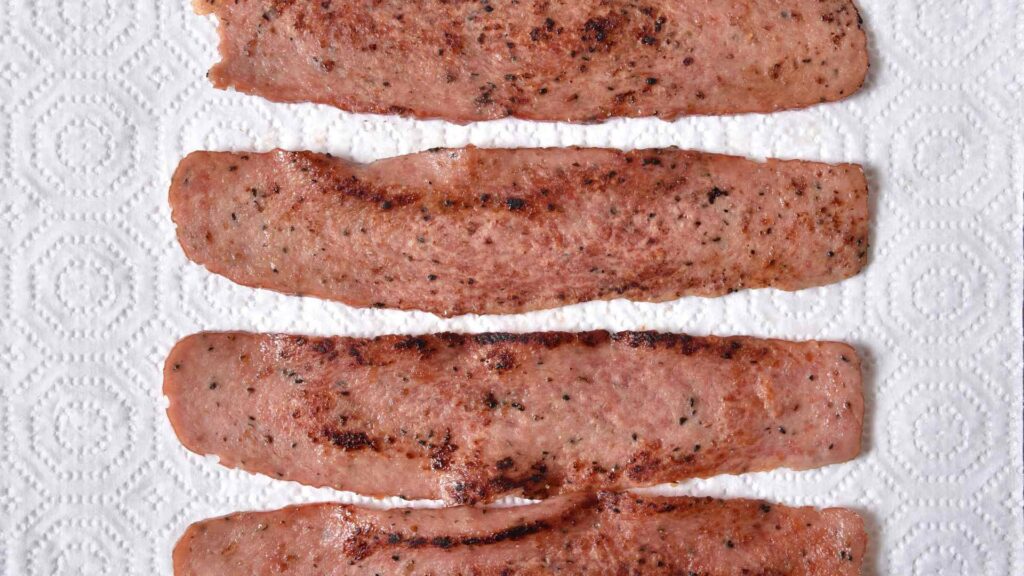
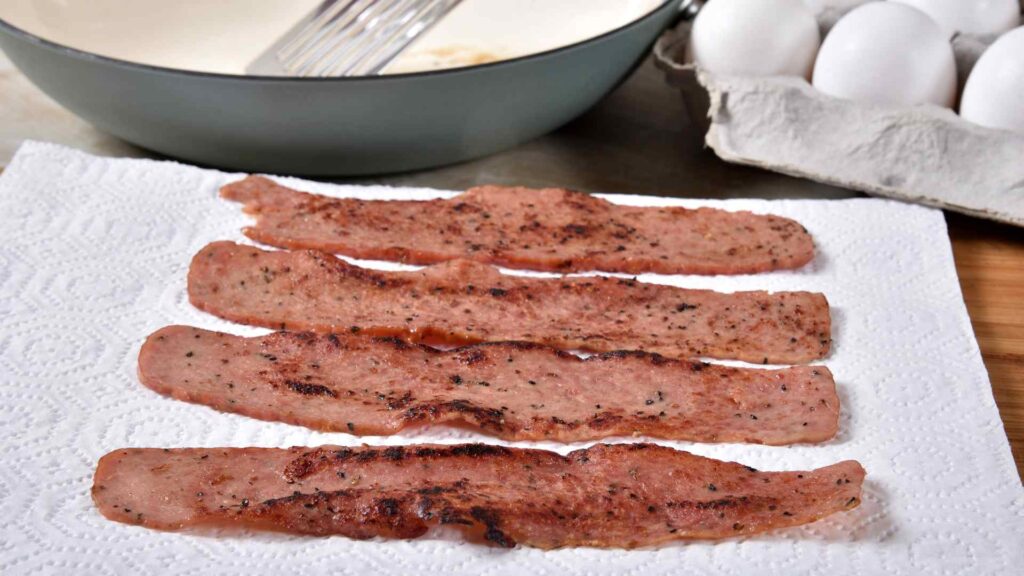
Turkey bacon is generally made from chopped or formed turkey meat that is cured, seasoned, and often smoked. It may contain dark meat, skin, added fat, salt, sugar, nitrite, smoke flavor, starches, phosphates, and spices.
A product can contain less fat than a particular pork bacon and still be too salty, fatty, or calorie-dense for routine dog treats. Compare actual panels rather than relying on lean, natural, uncured, or turkey marketing.
The USDA bacon safety guide explains that turkey bacon is cured turkey meat and that bacon commonly uses salt, nitrite, smoke, sugar, and flavorings. It also notes that uncured labels may still use ingredients that naturally supply nitrate or nitrite.
Our plain turkey guide covers fully cooked, unseasoned poultry portions. Turkey bacon does not inherit the same nutritional profile merely because both start with turkey.
Sodium is the everyday reason to skip it
Curing depends heavily on salt, and sodium per strip varies by brand, thickness, and serving size. One small bite is unlikely to cause salt poisoning, but a package raid can deliver far more sodium than expected.
Dogs with heart disease, kidney disease, high blood pressure, fluid-balance problems, or prescribed sodium restriction need case-specific advice. A general article cannot override the veterinarian managing that diet.
Keep normal access to fresh water unless a veterinarian says otherwise, but never force water into the mouth. Marked thirst, repeated vomiting, wobbliness, weakness, tremors, seizures, or unusual dullness warrants urgent care.
Reduced-sodium describes a comparison with another product and does not automatically mean low enough for a dog. Check the milligrams per serving and how many servings disappeared.
Fat can trigger more than a loose stool
Turkey bacon can include skin and added fat, and frying oil adds more. A large fatty theft can cause vomiting or diarrhea and may contribute to pancreatitis in susceptible dogs.
The Merck Veterinary Manual pancreatitis overview describes vomiting, appetite loss, weakness, abdominal pain, dehydration, and diarrhea among possible signs. Those signs after a bacon raid deserve veterinary assessment.
Dogs with previous pancreatitis, high blood fats, obesity, endocrine disease, or a low-fat prescription diet should not receive turkey bacon casually. A clear-looking strip can still contain meaningful fat.
Do not fast a vomiting dog or give human pain medicine without instructions. The veterinary team can decide whether examination, anti-nausea care, pain control, fluids, or testing is needed.
Garlic and onion change the urgency
Flavor blends may contain garlic, onion, onion powder, garlic powder, chives, or unspecified spices. These Allium ingredients can damage canine red blood cells in raw, cooked, and concentrated forms.
The Merck Veterinary Manual Allium review notes that anemia can take several days to appear. A dog looking normal after breakfast does not clear an exposure.
Possible signs include vomiting, weakness, pale gums, fast breathing, rapid heart rate, dark urine, jaundice, or collapse. Call promptly with the label, amount, time, and dog weight rather than waiting for these signs.
Our garlic powder guide explains why concentrated seasoning deserves respect. Smell and the word lightly seasoned cannot quantify risk.
Nitrite belongs in perspective
Nitrite helps preserve cured meats, control dangerous bacteria, maintain color, and create characteristic flavor. It is one reason turkey bacon is processed meat, but it is not usually the acute emergency after one stolen bite.
The more practical immediate concerns are total sodium, fat, Allium seasonings, raw handling, amount, and packaging. Long-term dietary prudence still favors keeping processed meats occasional or absent rather than making daily dog treats from them.
Uncured or no-nitrites-added marketing does not remove salt, fat, calories, smoke flavor, or spices and may allow naturally occurring nitrate from celery-based ingredients. Read the whole label instead of choosing by one claim.
Raw turkey bacon needs safe handling
Some turkey bacon is fully cooked, while other packages require cooking, and cured color makes visual doneness unreliable. Follow the package directions and do not serve raw or partially cooked product to a dog.
Wash hands, counters, utensils, and bowls after raw poultry contact, prevent cross-contamination, and refrigerate promptly. Dogs can become ill or spread foodborne organisms through saliva and stool even when they show mild signs.
Our raw bacon guide covers handling, pathogens, fat, and packages in more detail. Turkey changes the species, not the need for safe cooking and cleanup.
Call for repeated vomiting, bloody diarrhea, feverish behavior, marked weakness, pain, or symptoms in vulnerable people after handling contaminated food. Tell both veterinary and human clinicians about the raw-poultry exposure.
Maple, peppered, and specialty flavors
Maple turkey bacon may add sugar or syrup, peppered versions add irritation, and spicy products can contain chile. Smoke, barbecue, ranch, or breakfast flavors may hide garlic and onion.
Sugar is mostly a calorie concern in ordinary amounts, while xylitol in a specialty sugar-free glaze would be an emergency. Chocolate, coffee, alcohol, or hot pepper additions require separate assessment.
Save restaurant or butcher ingredient information when possible and report uncertainty honestly. Do not assume a house-made product is simpler than a packaged one.
Wrappers and absorbent pads can obstruct
Dogs attracted to bacon grease may swallow plastic film, foam trays, paper, clips, labels, oxygen absorbers, and the absorbent pad under raw meat. These items can choke, irritate, or obstruct.
Report every missing item and call for repeated vomiting, gagging, abdominal pain, refusal to eat, lethargy, straining, or inability to keep water down. Do not induce vomiting when sharp or bulky packaging may be present.
Greasy trash bags can also wrap around the face and cause suffocation. Store food waste in a lidded, pet-proof bin immediately.
No lean-protein shortcut
Turkey bacon should not be used to build muscle, add healthy protein, promote weight loss, hide daily medicine, or rescue a poor appetite. A complete diet already supplies protein in balance with energy, amino acids, fats, vitamins, and minerals.
The World Small Animal Veterinary Association treat guide recommends keeping treats below 10 percent of daily calories. Processed meat spends that allowance quickly while adding sodium and fat.
Use pieces of the measured daily food for routine rewards or ask the veterinarian for a lean, unseasoned option compatible with the dog’s health plan. Play, sniffing time, and praise can also reward behavior without calories.
What to do after a theft
- Secure remaining food, raw drippings, packaging, and other pets.
- Check amount, sodium, fat, garlic, onion, sweeteners, cooking status, and every flavor.
- Record time, dog weight, conditions, medications, prescribed diet, and symptoms.
- Call for a large or unknown amount, Alliums, xylitol, raw-food illness, packaging, medical vulnerability, or significant signs.
- Follow the veterinary plan and keep the label available.
Do not induce vomiting or give salt, peroxide, mustard, oil, milk, food, or medication unless a veterinarian directs you. Ingredients, timing, signs, raw material, and packaging change the safest plan.
How to judge a planned taste
If a healthy adult dog is going to receive a taste, start with a fully cooked product whose complete ingredient list contains no garlic or onion. Blot away cooking grease, remove every crisp or sharp edge, and offer a piece no larger than a thumbnail rather than a strip.
That small serving is a ceiling for an occasional taste, not a daily recommendation or a medically safe dose. Toy dogs, puppies, seniors, dogs with sensitive stomachs, and dogs on therapeutic diets may need to skip it entirely.
Count the calories and sodium from turkey bacon alongside training treats, dental chews, table scraps, and food used for pills. Extras arrive from several directions, so a piece that looks trivial can become part of a surprisingly large daily total.
Plain cooked turkey is usually easier to portion and evaluate when a meat reward is appropriate. Ordinary kibble, a veterinarian-approved low-fat treat, or a small piece from the dog’s regular food avoids the cured-meat complications.
Common label traps
Serving sizes on human-food labels may cover several slices, so calculate what actually disappeared instead of comparing one stolen strip with a printed serving. Also check whether the sodium figure is for prepared or unprepared food and whether frying instructions add oil.
Natural flavors and spices do not tell a pet owner exactly which flavor compounds are present. When the manufacturer cannot clarify a blend after a meaningful exposure, give the veterinarian that uncertainty rather than guessing it is harmless.
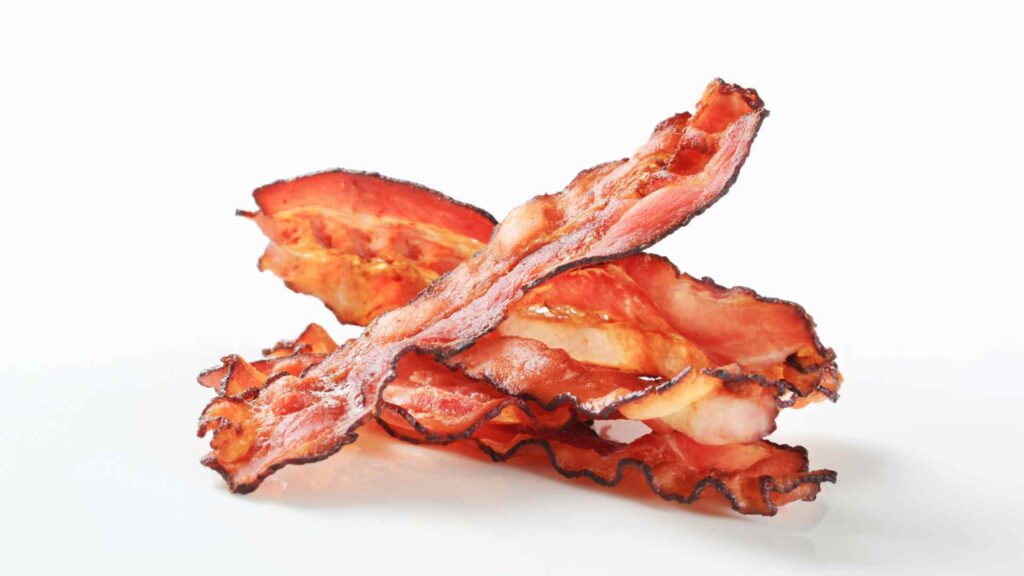
Turkey bacon is also different from a plain bite of cooked bacon only in degree, not in the basic questions to ask. Both require attention to fat, salt, seasoning, portion, cooking status, and packaging.
Bottom line
One tiny cooked bite of turkey bacon is usually low risk, but it is processed meat rather than a lean dog treat. Sodium, fat, Alliums, raw handling, specialty flavors, oversized portions, medical diets, and packaging deserve closer attention.