Can Dogs Eat Mango? Safe Flesh, Sugar, and Pit Risks
Yes, most healthy dogs can eat a few small pieces of ripe mango flesh. Wash the fruit, peel it, remove the entire large flat pit before the dog comes near it, and cut the flesh into bite-sized pieces; mango is sugary, and the pit can choke or obstruct, so this is an occasional treat rather than a bowlful.
The safe part is the prepared flesh
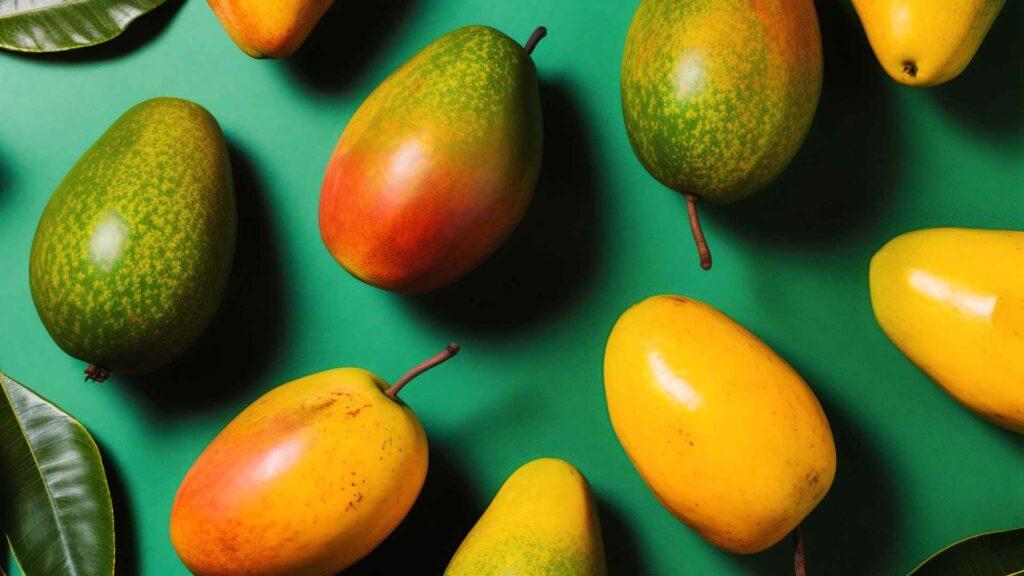
Soft yellow or orange flesh from a ripe mango is the part to share. The pit, fibrous material clinging to it, skin, stem, and leaves stay out of the dog’s serving.
The veterinarian-reviewed PetMD mango guide recommends washing, peeling, removing the pit completely, and cutting the flesh into small pieces. That preparation is easy to do before the dog joins the fruit operation and much harder once a slippery pit hits the floor.
A dog who dislikes mango is not missing a required nutrient. Complete and balanced dog food supplies the dog’s nutritional needs, while mango simply offers flavor and variety.
The pit is the main emergency risk
Mangoes contain one large, flat, fibrous pit surrounding the seed. Its shape and size make it a serious choking and gastrointestinal foreign-body hazard, and enthusiastic chewing can peel away strings or fragments without making the center digestible.
The Merck Veterinary Manual’s obstruction overview explains that swallowed objects can lodge in the stomach or intestine and cause vomiting, appetite loss, abdominal pain, dehydration, and lethargy. Removal may require endoscopy or surgery.
Call a veterinarian immediately if a dog swallows a mango pit, even when the dog initially looks normal. Early imaging or removal decisions can be easier than waiting for a large object to travel and lodge farther along the digestive tract.
Do not crack the pit open or feed the inner seed material. The hard, fibrous structure has no place in a dog treat, and breaking it creates smaller pieces that can still choke, irritate, or obstruct.
Why peeling is the sensible choice
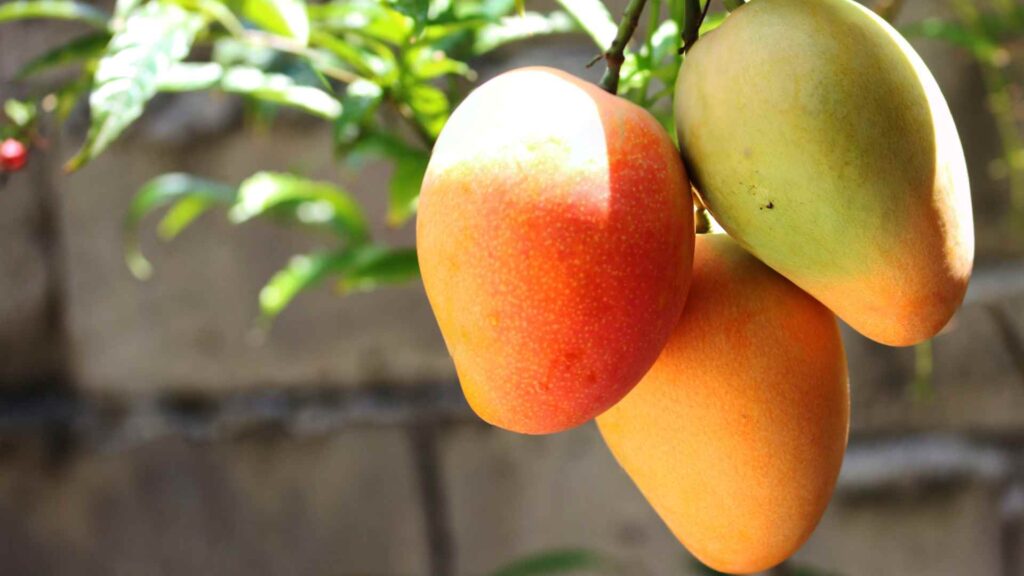
Mango skin is tough, chewy, and harder to digest than the flesh. Peeling reduces the chance of a strip being gulped, removes surface residue after washing, and makes portioning much easier.
A tiny accidental piece of clean peel is unlikely to poison a healthy dog, but there is no benefit to deliberately serving it. Dogs with sensitive digestion, swallowing trouble, or a history of foreign-body ingestion deserve an especially strict flesh-only rule.
How to prepare mango safely
1. Choose ripe, sound fruit
A ripe mango should give slightly without smelling fermented or showing mold, leaks, or extensive decay. Discard spoiled fruit rather than assigning cleanup duty to the dog.
2. Wash before cutting
Rinse the outside under running water and rub the surface. The knife passes through the skin into the flesh, so washing still matters even though the peel will be removed.
3. Separate the pit immediately
Slice the two broad cheeks away from the flat pit, trim remaining flesh, then place the pit straight into a secured bin or lidded compost container. Do not leave it on the counter for a dog who studies gravity.
4. Peel and dice
Remove the skin and cut the slippery flesh into small cubes sized for the dog’s mouth. Dice especially finely for toy breeds, puppies, seniors, and dogs that swallow first and consider chewing later.
5. Begin with one piece
Mango’s sugar and fiber can cause gas, vomiting, or diarrhea when a dog eats too much or is not used to fruit. Offer one tiny piece, then wait before deciding whether it suits the dog.
Sugar and portion size
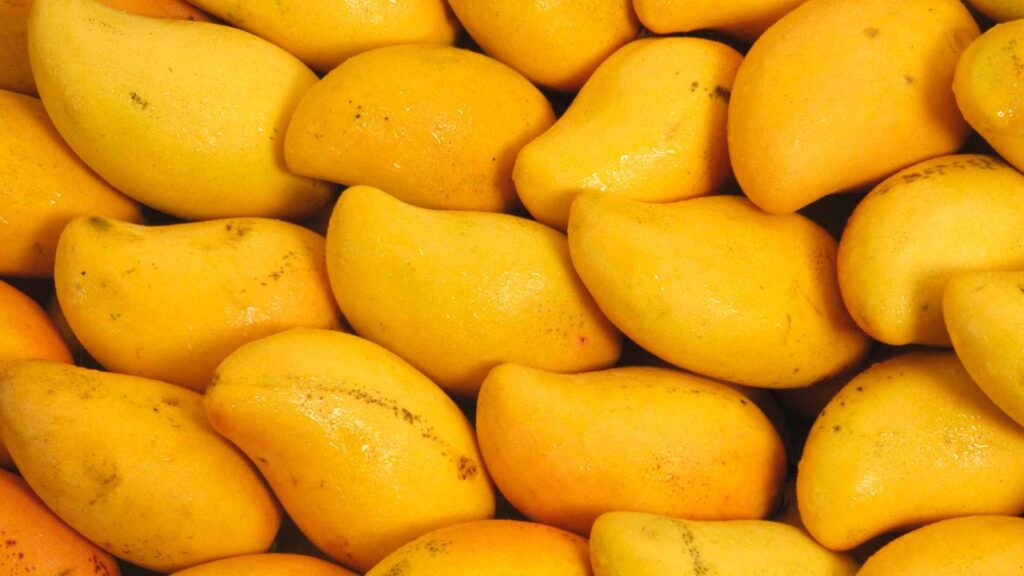
Mango is naturally sweet, and water content does not make its sugar or calories disappear. A few cubes are enough for most treat occasions, with a smaller amount for a small dog and no need to work toward a full serving.
The World Small Animal Veterinary Association treat guide recommends keeping all treats under 10 percent of daily calories. Mango shares that allowance with biscuits, chews, table food, pill-hiding foods, and training rewards.
Dogs with diabetes should not receive mango unless the treating veterinarian has included it in the feeding plan. Dogs losing weight can also spend a small calorie budget more strategically than on repeated sweet fruit.
Mango does not treat low energy, improve immunity, prevent disease, restore vision, or correct vitamin deficiency. Nutrient claims about the fruit are not evidence that a snack produces a medical outcome in a dog.
Fresh, frozen, dried, and canned mango
Fresh mango: Ripe, peeled, pit-free flesh gives the most control over ingredients and texture. Serve at room temperature or chilled in small pieces.
Frozen mango: Plain pit-free fruit is not chemically different, but freezing makes pieces hard and easier to gulp. Thaw it for dogs with dental disease, use tiny pieces, and supervise rather than offering a large frozen cube.
Dried mango: Removing water concentrates sugar and calories into a small strip, while commercial products may add sugar, oil, sulfites, or flavoring. A tiny piece of unsweetened dried mango is the upper end of reasonable, and chewy strips can be swallowed in chunks.
Canned mango: Products packed in syrup or sweetened juice add more sugar and are not good dog treats. A no-sugar-added label still requires an ingredient check for sweeteners and mixed fruit.
Mango purée: Plain flesh blended at home can be offered as a thin smear, but commercial purées and baby foods may include sugar, lemon, dairy, other fruits, or sweeteners. A smooth texture also makes it easy to serve far more than intended.

Mango chutney, salsa, smoothies, and desserts
Mango chutney commonly combines sugar with onion, garlic, chili, salt, raisins, or spices. Mango salsa may include onion, garlic, jalapeño, and heavy salt, turning dog-safe flesh into a recipe dogs should skip.
Smoothies can contain grapes, raisins, chocolate, coffee, protein powders, supplements, or xylitol-sweetened yogurt. The FDA’s pet hazard guide explains why xylitol, grapes and raisins, chocolate, onion, and garlic require special care.
Mango ice cream, sticky rice, cake, candy, and frozen bars add sugar and may include rich dairy, coconut milk, chocolate, macadamia nuts, or artificial sweeteners. Read the label after a raid and evaluate every ingredient, not only the fruit named on the front.
Dogs who should skip or limit mango
Dogs with diabetes: Mango can alter the carbohydrate content and timing of a managed meal. Ask the treating veterinarian before using it as a treat or medication aid.
Dogs on weight-loss plans: Mango may fit in tiny amounts, but fruit calories still count. Use the reward options approved for the dog’s calorie target.
Dogs with sensitive digestion: Sugar and fiber can worsen gas or loose stool. Do not use mango to treat constipation or diarrhea without veterinary direction.
Dogs on prescription or elimination diets: An unapproved fruit can disrupt therapeutic nutrient targets or a food trial. The diet instructions get the final vote.
Dogs with dental or swallowing problems: Soft ripe mango is easier than many snacks, but slippery pieces can still be gulped. Ask whether the dog needs a specific texture and cut size.
What to do after a mango raid
First determine whether only flesh disappeared or the pit, skin, stem, packaging, or a prepared product is missing too. Record the amount, time, dog weight, symptoms, and complete ingredient list.
Call a veterinarian immediately after a swallowed mango pit, even when the dog seems comfortable. Do not induce vomiting, because a large flat object can lodge or cause damage on the way back up.
Seek urgent care for choking, trouble breathing, repeated retching, repeated vomiting, abdominal pain or swelling, loss of appetite, marked lethargy, inability to keep water down, or collapse. These signs fit a possible obstruction and are not safely managed with fiber, oil, or a wait-and-see meal.
If a healthy dog ate extra pit-free flesh and remains normal, monitor for vomiting, gas, or diarrhea, keep fresh water available, and skip further treats. Call if symptoms persist or involve a puppy, senior, small dog, or medically fragile pet.
For chutney, candy, smoothies, or desserts, call promptly if the product contains xylitol, grapes or raisins, onion, garlic, chocolate, macadamia nuts, alcohol, or another known hazard. Keep the wrapper or recipe.

Simple ways to share
Use one or two tiny fresh cubes as occasional training rewards, mash a teaspoon into a familiar food toy, or chill small pieces on a warm day. The dog gets novelty without acquiring a personal mango half.
For other soft fruits, compare banana, blueberries, and properly prepared pear or peach. Each still needs its own portion and pit, core, seed, or peel check.
Never let fruit variety blur a critical exception: grapes and raisins are unsafe for dogs and can cause acute kidney injury. Mixed fruit cups and smoothies therefore need a complete ingredient audit.
Frequently asked questions
Can puppies eat mango?
A puppy eating solid food can try one tiny piece of ripe, peeled, pit-free flesh. Puppy food should provide nearly all calories, and the piece must be small enough to prevent gulping.
Can dogs eat mango skin?
Peel it before serving because the skin is tough, fibrous, and difficult to digest. A tiny accidental strip is usually less concerning than a swallowed large peel, but monitor and call if symptoms appear.
Can dogs eat green mango?
Unripe mango is firmer, more sour, and more likely to be difficult on a sensitive stomach. Choose ripe soft flesh instead and keep the same peel-and-pit precautions.
The bottom line
A few small pieces of ripe, peeled, pit-free mango flesh are fine for many healthy dogs. Keep portions modest, introduce one piece first, and let balanced dog food cover nutrition.
The large flat pit is the nonnegotiable hazard, while dried, canned, sweetened, and seasoned mango products require separate caution. If a pit is swallowed, call a veterinarian immediately rather than waiting for obstruction signs.