Can Dogs Eat Carrots? Raw, Cooked, Frozen, and Safe Cuts
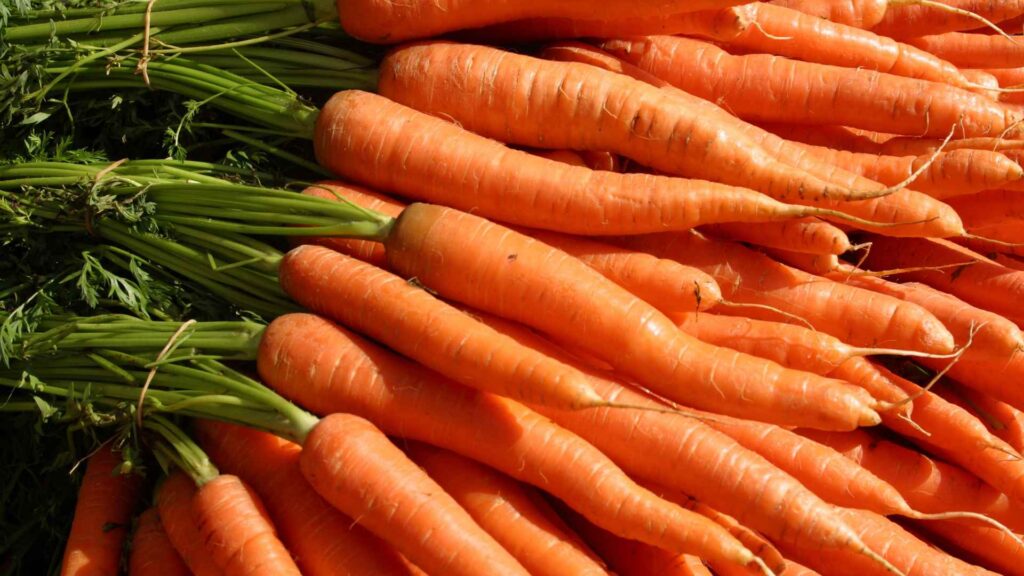
Yes, most healthy dogs can eat plain carrots, raw or cooked. Wash them, remove the leafy top, and cut the carrot into pieces sized for the dog’s mouth; do not hand over a whole carrot or large frozen chunk, because hardness and shape can cause choking, obstruction, or dental injury even though the vegetable itself is dog-safe.
The short answer, with the important cut-size clause
A few small raw carrot pieces can be a crisp occasional treat for a dog who chews comfortably. Soft steamed or boiled carrot is often easier for puppies, seniors, dogs with dental disease, and pets that tend to gulp.
The veterinarian-reviewed PetMD carrot guide recommends washing, serving plain, and cutting carrots into bite-sized pieces. That preparation matters more than whether the carrot is orange, purple, yellow, white, raw, or cooked.
Carrots are not necessary if a dog eats a complete and balanced food, but many dogs enjoy their sweetness and crunch. A dog who spits one out has offered a review, not revealed a nutritional emergency.
Whole carrots are awkward chews
A whole carrot can encourage a dog to bite off and swallow a thick cylinder. The remaining tapered end can also become just the right size to wedge in the throat, particularly for small dogs and enthusiastic gulpers.
Large swallowed pieces may cause a gastrointestinal obstruction. The Merck Veterinary Manual’s obstruction overview lists vomiting, appetite loss, abdominal pain, dehydration, and lethargy among concerning signs, and some cases need endoscopic or surgical removal.
Cut round carrots lengthwise before dicing so the pieces are not thick coins that can be gulped intact. Size down further for toy breeds, puppies, dogs with short muzzles, seniors, and any pet with a personal policy against chewing.
Frozen is harder, not automatically safer
Freezing turns a firm vegetable into a much harder object. A large frozen carrot or solid chunk can damage teeth, cause choking, or be swallowed before it softens.
Dogs with worn, fractured, diseased, or recently treated teeth should not be given hard frozen foods. The Merck Veterinary Manual’s dental guidance cautions that hard chew items can crack teeth, while evidence-based dental care depends on appropriate products and regular hygiene.
If you want a cool carrot treat, chill small cooked pieces in the refrigerator or partially thaw tiny frozen dice before supervised serving. Never use a whole frozen carrot as an unsupervised teething stick.
Raw or cooked: choose for the dog
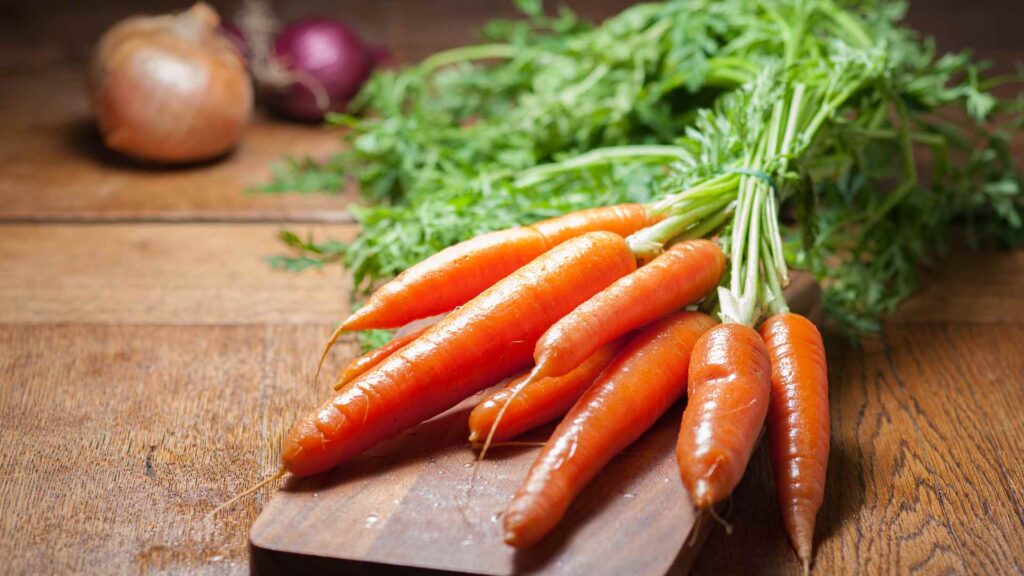
Raw carrot: It offers crunch and keeps its shape for training rewards, but it demands more chewing. Slice, dice, or grate it, and supervise the first serving to see whether the dog chews or vacuums.
Steamed or boiled carrot: Cooking softens the fibers and makes the pieces easier to mash. Drain, cool, and serve without salt, butter, oil, honey, or seasoning.
Baked or roasted carrot: Plain pieces are fine after they become soft and cool, but most human recipes use oil, salt, garlic, onion, maple syrup, or spice blends. Set aside the dog’s portion before seasoning.
Canned carrot: No-salt-added carrots with a simple ingredient list can work after draining, though they may be very soft. Regular canned vegetables can carry substantial sodium and offer no advantage over fresh or plain frozen carrots.
Grated or puréed carrot: A small amount can be mixed into food or spread thinly on a lick mat. Commercial baby food and purées require a label check for onion, garlic, salt, sugar, and mixed ingredients.
How to prepare carrots in five calm steps
1. Choose sound carrots
Discard carrots that are moldy, slimy, rotten, or badly spoiled. A slightly limp carrot may be unexciting, but decay is not a dog-food salvage project.
2. Wash and trim
Scrub under running water and cut off the leafy top and tough stem end. Peeling is optional for a fresh well-washed carrot, though it can help dogs with delicate digestion or texture difficulty.
3. Cut for the mouth and chewing style
Use tiny dice or thin lengthwise strips for small dogs, and avoid thick circular coins. Larger dogs can still gulp, so body size does not earn a whole carrot.
4. Keep it plain
Carrots need no butter, oil, salt, sugar, honey, garlic, onion, or sauce. Plain preparation keeps the portion easy to count and avoids turning a light vegetable into a rich side dish.
5. Offer one piece first
Unfamiliar fiber can cause gas, loose stool, or vomiting in some dogs. Begin with one piece, then wait before adding carrots to the treat rotation.
Portions, sugar, and calories
Carrots are less calorie-dense than many biscuits and cheese, but they still contain calories and natural sugar. “Vegetable” does not mean unlimited, and a bowl of carrots can crowd out balanced food or upset the stomach.
The UC Davis School of Veterinary Medicine treat guidance includes carrots among lower-calorie examples while keeping all extras below 10 percent of daily calories. The remaining 90 percent or more should come from complete and balanced food.
Start with one small piece, not a size-based pile, and include carrots with every other snack in the day’s total. Dogs with diabetes need veterinary approval because carbohydrates and meal timing are part of glucose management.
Carrots can fit some weight-management plans, but they do not cause weight loss. Safe weight change comes from a complete calorie plan that protects essential nutrients and lean tissue, not substituting an orange snack at random.
Carrots do not brush teeth
Crunching may rub a little material from some tooth surfaces, but a carrot does not replace brushing, professional dental care, or a product tested for plaque or tartar control. It also cannot clean below the gumline, where periodontal disease does its serious work.
Choose dental products with evidence for their intended claim and ask the veterinary team to demonstrate tooth brushing. Do not increase carrot size or hardness in the hope of turning a snack into a toothbrush.
A broken tooth may show a red, pink, gray, or black center, but some fractures are subtle. Sudden chewing on one side, dropping food, facial swelling, mouth bleeding, or pain warrants a dental examination.
Carrots will not restore eyesight
Carrots contain beta-carotene, which dogs can use in vitamin A metabolism, but a healthy dog on balanced food should already receive enough vitamin A. Extra carrot does not sharpen normal vision or treat cataracts, glaucoma, retinal disease, injury, or age-related sight loss.
Sudden vision change, bumping into objects, eye redness, cloudiness, squinting, discharge, or a painful eye requires veterinary care. A produce drawer cannot diagnose an eye problem.
Carrot cake and prepared dishes
Carrot cake is cake, not a vegetable serving. It can contain sugar, oil, butter, cream-cheese frosting, raisins, walnuts, macadamia nuts, chocolate, nutmeg, or xylitol in sugar-free products.
Glazed carrots may include butter, honey, brown sugar, salt, and spices, while soups and stews often contain onion and garlic. The FDA’s pet hazard guide explains why xylitol, grapes and raisins, macadamia nuts, onion, garlic, and chocolate require special caution.
A tiny lick of ordinary cake is different from a missing sugar-free slice or raisin-filled loaf. Save the recipe or package and call promptly if a recognized hazard may be involved.
Dogs who need a different plan
Dogs with dental disease: Use soft cooked dice or another approved treat, and avoid frozen carrots. Mouth pain deserves examination rather than a tougher chewing assignment.
Dogs with swallowing disorders: Follow the prescribed texture and piece size. Even a soft vegetable can be aspirated or lodged when swallowing is abnormal.
Dogs with diabetes: Ask whether carrot fits the carbohydrate plan and how it should be counted. Do not assume a vegetable is metabolically free.
Dogs on prescription or elimination diets: Carrot is still an extra ingredient and can interfere with a food trial. Use only approved treats.
Dogs with chronic digestive disease: Fiber affects conditions differently and may worsen some symptoms. Do not prescribe carrots for constipation or diarrhea without the veterinary team’s guidance.
What to do after a carrot mishap
For a swallowed large piece or whole carrot, note the size, whether it was raw or frozen, when it happened, and the dog’s weight and symptoms. Call the veterinarian promptly, especially for a small dog or a piece large enough to obstruct.
Seek urgent care for choking, trouble breathing, repeated gagging or retching, repeated vomiting, abdominal pain or swelling, inability to keep water down, marked lethargy, or collapse. Do not push food, bread, oil, or more fiber in an attempt to move a possible blockage.
If a healthy dog ate too many small plain pieces and remains comfortable, monitor for gas, vomiting, or diarrhea and skip further treats. Provide normal access to fresh water and call if signs persist or worsen.
For cake, soup, glazed carrots, or baby food, review every ingredient and keep the package. Call immediately for xylitol and promptly for meaningful grape, raisin, onion, garlic, chocolate, or macadamia exposure.
Simple serving ideas
Use tiny raw dice as training rewards for a good chewer, soften pieces with steam for a senior, grate a little over regular food, or spread a thin cooled purée on a lick mat. Supervise, count the pieces, and refrigerate cooked leftovers promptly.
For more crisp options, compare the preparation rules for cucumbers, green beans, and bell peppers. Cooked sweet potato and plain potato require their own preparation precautions.
Frequently asked questions
Can puppies eat carrots?
A puppy eating solid food can try one tiny soft piece, but puppy food should provide nearly all calories. Avoid whole and frozen carrots, and supervise closely.
Can dogs eat carrot tops?
The leafy tops are not a useful dog treat and can carry dirt, agricultural residues, or stringy material. Trim them off and serve only washed carrot root in safe pieces.
Can dogs eat baby carrots?
Yes, after washing and cutting them smaller. A whole baby carrot can still be a firm gulpable cylinder, particularly for a small dog.
The bottom line
Plain raw or cooked carrots can be an easy occasional treat for many healthy dogs. Wash, trim, cut them into safe pieces, introduce one bite, and count every portion with the day’s other extras.
Whole and frozen carrots add choking, obstruction, and dental risks, while carrot cake and seasoned dishes add recipe hazards. Carrots do not replace dental care, vision treatment, digestive treatment, or a properly managed weight-loss plan.