Can Dogs Eat Olives? Pits, Brine, and Stuffing Explained
A healthy adult dog can usually eat a tiny piece of plain, pitted olive, but olives are not a useful everyday treat. Pits can choke, break teeth, or obstruct; brine adds sodium; and stuffed or marinated olives may contain garlic, onion, alcohol, cheese, chilies, or extra oil.
The olive itself is the least complicated part
Plain olive flesh is not known as a canine toxin, and a small pitted piece rarely causes trouble. The typical deli or cocktail olive is less simple because curing, stuffing, seasoning, and serving liquids add most of the practical risk.
The American Kennel Club olive safety guide likewise describes plain unsalted olives as non-toxic in small quantities while flagging pits, sodium, seasonings, and alcohol. That is a sensible framework, not an invitation to open the jar for the dog.
Dogs eating a complete and balanced diet do not need the fat, vitamin E, iron, or plant compounds in olives. One small fruit cannot deliver a therapeutic dose, while its sodium and calories are easy to overlook.
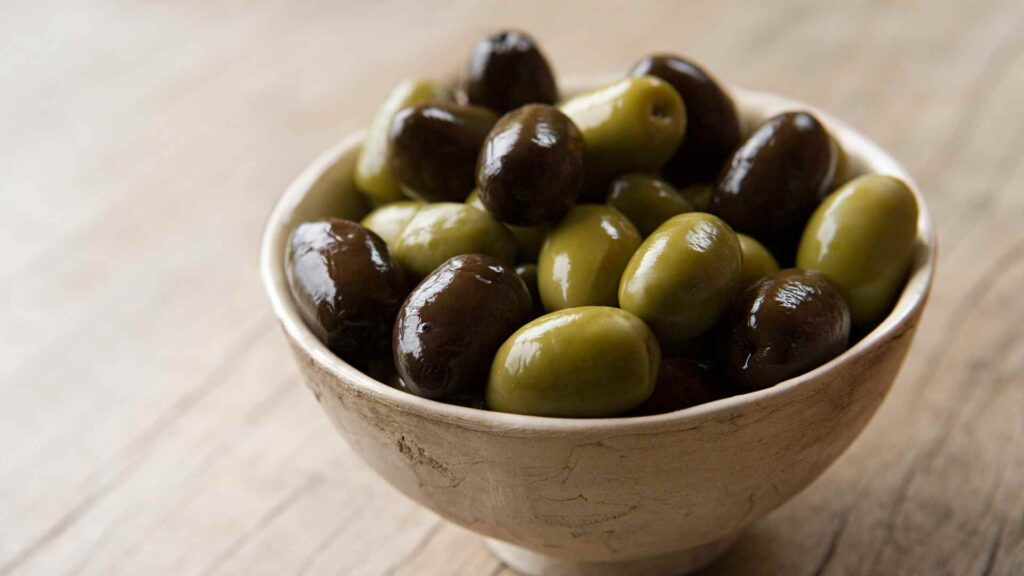
Use this four-part olive check
- Pit: choose pitted olives and inspect the cavity because processing can miss one.
- Pack: prefer plain, lower-sodium olives and never pour brine into the bowl.
- Stuffing: reject garlic, onion, blue cheese, chili, almond, and mystery fillings.
- Preparation: skip oily marinades, tapenade, pizza toppings, cocktails, and mixed antipasto.
If all four checks pass, cut off a tiny piece rather than handing over a whole olive. A slippery round fruit can still be gulped, especially by a small dog or an enthusiastic retriever of snacks.
Pits are a physical hazard
An olive pit is hard enough to fracture a tooth and smooth enough to be swallowed. It can lodge in the airway or gastrointestinal tract, although one swallowed pit does not cause an obstruction in every dog.
The FDA overview of potentially dangerous pet items notes that swallowed nonfood objects can obstruct the esophagus, stomach, or intestines. An olive pit belongs in that physical-hazard category even though the flesh is not toxic.
Signs of choking
- Sudden coughing, gagging, or frantic pawing at the mouth.
- Difficulty breathing or noisy breathing.
- Blue, gray, or very pale gums.
- Collapse or inability to swallow.
Breathing trouble is an emergency. Do not reach blindly into the mouth or throat of a panicked dog, because you can push the object deeper or be bitten.
Signs of a possible obstruction
Repeated vomiting, loss of appetite, abdominal pain or swelling, inability to keep water down, unusual lethargy, or difficulty passing stool warrants prompt veterinary care. Tell the clinic the approximate pit size, number, and time of ingestion.
Do not induce vomiting unless a veterinary professional specifically directs you. A hard object can create additional injury on the way back up.
Brine and sodium: the dose matters
Most table olives are cured, and many are stored in salty brine. Rinsing can remove surface liquid but cannot make a salty product sodium-free, so the nutrition label remains more useful than the faucet.
The Merck Veterinary Manual review of salt toxicosis explains that excessive sodium chloride, especially when water is limited, can cause vomiting, weakness, diarrhea, tremors, and seizures in dogs. Serious toxicosis is not the expected outcome from one ordinary olive in a healthy dog with water available.
That distinction prevents two errors: panic over a single theft and casual feeding of a salty handful. A dog that raids a large jar, drinks brine, lacks water, has a sodium-restricted condition, or develops neurologic signs needs veterinary advice.
If your dog likes the tangy crunch more than the olive itself, do not substitute pickles. Pickles bring their own brine, seasoning, and ingredient problems.
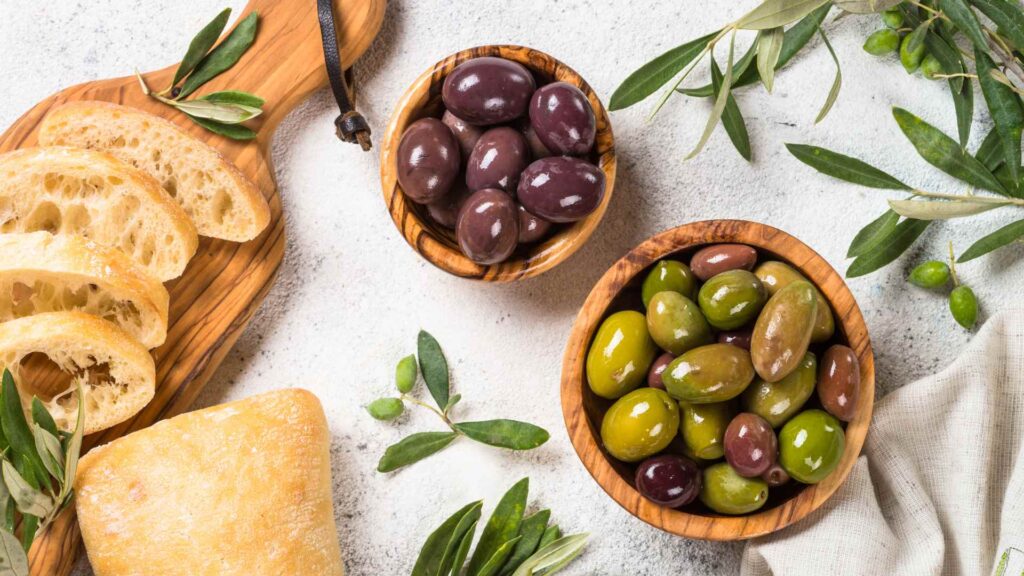
Stuffed olives are ingredient traps
Garlic and onion
Garlic-stuffed olives and antipasto blends are unsuitable because Allium plants can damage canine red blood cells. Removing the visible clove does not remove garlic flavoring or juices from the surrounding olive.
The ASPCA list of people foods to avoid explains that onion, garlic, and chives can cause gastrointestinal irritation and red blood cell damage. Our guides to garlic and onions cover those exposures in more detail.
Cheese fillings
Cream-cheese, feta, and blue-cheese stuffing adds dairy, fat, and sodium. Moldy or spoiled dairy belongs in the trash, and a cheese-stuffed olive combines more questions than a treat needs.
Almonds and other nuts
An almond-stuffed olive adds a firm choking shape and more fat. Mixed platters can also contain macadamias, which are toxic to dogs, so identify the full spread rather than assuming every round item was an olive.
Pimento and pepper
Plain sweet pimento is not the same concern as garlic, but commercial fillings may include salt, preservatives, or seasoning. Hot peppers and chili marinades can irritate the mouth and gastrointestinal tract.
Anchovy stuffing
Anchovy-stuffed olives are extremely salty and may contain seasoning or oil. The fish is not the benefit it appears to be once packed into a brined cocktail snack.
Oil-packed and marinated olives
Oil adds calorie density, and a rich marinade may provoke vomiting or diarrhea. Dogs with pancreatitis, hyperlipidemia, obesity, or a prescribed low-fat diet should not receive oily olives without veterinary approval.
Herb flecks are not enough to identify a marinade. It may contain garlic, onion, chili, citrus oil, vinegar, wine, or concentrated flavorings that are not obvious by sight.
Plain culinary olive oil for dogs is a separate question, but it is still pure fat and not a guaranteed coat remedy. Adding oil to a complete diet should have a specific nutritional purpose and a veterinary-approved amount.
Tapenade, pizza, salads, and martinis
Tapenade
Tapenade commonly combines olives with capers, anchovies, garlic, oil, lemon, and herbs. Its concentrated salt and variable recipe make it a poor dog food even when garlic is absent.
Pizza and baked dishes
The olive is rarely the main issue on pizza, focaccia, casseroles, or pasta. Onion, garlic, rich cheese, processed meat, sauce, and total fat change the risk and may cause a much larger dietary indiscretion.
Salads and antipasto
Mixed platters can include grapes, raisins, macadamia nuts, cured meat, cheese, skewers, toothpicks, and oily dressing. Inventory everything missing before deciding that the dog merely ate olives.
Cocktails
A martini olive may carry alcohol and salty liquid. Alcohol can be dangerous to dogs, so a swallowed cocktail or multiple alcohol-soaked garnishes deserves prompt veterinary or poison-control advice.
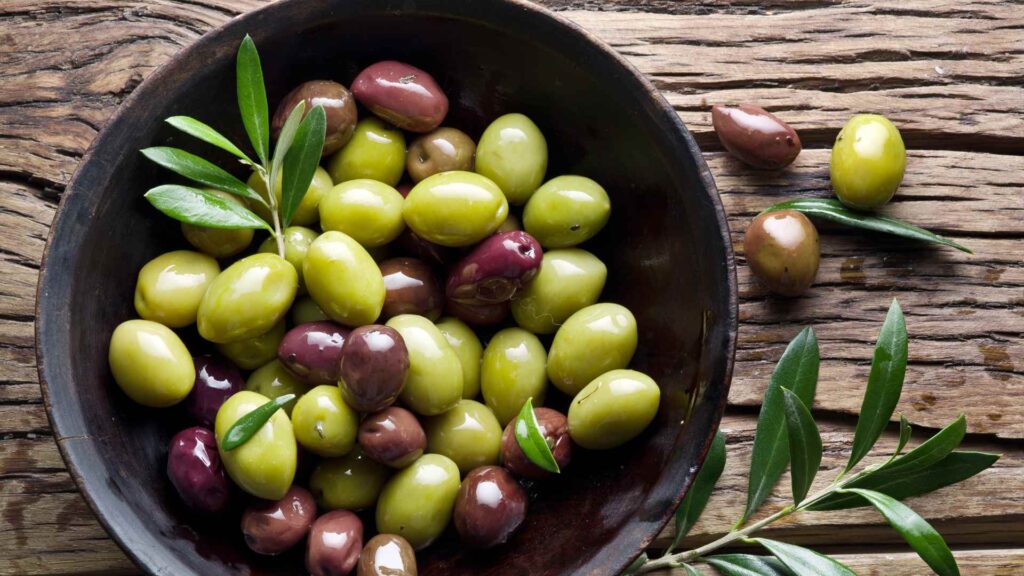
Green olives versus black olives
Color mostly reflects ripeness and processing rather than a simple safe-versus-unsafe divide. Both green and black olives can be non-toxic as plain pitted flesh, and both can be salty, stuffed, marinated, or served with pits.
Canned black olives may taste milder and sometimes contain less sodium than strongly brined green olives, but labels vary. Compare actual products instead of choosing by color.
Kalamata, Castelvetrano, Manzanilla, and other named varieties follow the same decision tree. Pit, brine, stuffing, and marinade matter more than a romantic place name on the jar.
How much olive can a dog eat?
There is no evidence-based one-olive-for-small-dogs and three-for-large-dogs rule. Olive size, sodium, calories, and the dog’s health plan vary too much for a universal count.
The UC Davis veterinary treat guidance recommends keeping all treats and extra foods below 10 percent of daily calories. A tiny chopped piece is enough for a first taste, and many dogs are better served by a lower-sodium reward.
Ten percent is a ceiling shared by every snack, not a target for olives. Dogs on cardiac, kidney, urinary, weight-loss, low-fat, or elimination diets should follow their veterinarian’s approved list.
Who should skip olives?
- Dogs on sodium-restricted or other prescription diets.
- Dogs with pancreatitis, hyperlipidemia, obesity, or fat-sensitive digestion.
- Dogs that gulp food or have a history of foreign-body obstruction.
- Dogs with painful or fractured teeth.
- Dogs on strict elimination diets.
- Puppies whose growth diet and small calorie allowance should not be displaced.
A senior dog may handle one suitable piece, but age brings more heart, kidney, dental, and digestive conditions into the decision. Soft does not automatically mean appropriate.
What to do after an olive raid
- Remove the food and keep the jar, deli label, recipe, or cocktail ingredients.
- Count missing pits and look for missing toothpicks, skewers, lids, and packaging.
- Identify brine, alcohol, garlic, onion, blue cheese, nuts, raisins, and seasonings.
- Call a veterinarian promptly for pits, a large salty amount, alcohol, toxic add-ins, missing objects, a medically restricted dog, or symptoms.
- Do not induce vomiting or force water unless a veterinary professional instructs you.
A healthy dog who ate one plain pitted olive and feels normal can usually be monitored. Keep fresh water available, avoid more treats, and call if vomiting, diarrhea, pain, weakness, excessive thirst, tremors, or other concerning changes appear.
Frequently asked questions
Can dogs eat canned black olives?
A tiny piece may be acceptable if it is plain, pitted, and relatively low in sodium. Drain it, check the cavity for a missed pit, and read the label.
Can dogs eat green olives?
Plain pitted flesh is not toxic, but green olives are often strongly brined or stuffed. Preparation matters more than color.
Will one olive pit block my dog?
Not always, but the risk depends on pit and dog size, location, and symptoms. Call the veterinarian for individualized advice rather than waiting for repeated vomiting or pain.
Can dogs eat olives every day?
There is no nutritional reason to do so, and sodium and calories can accumulate. Choose an easier-to-control daily reward if the veterinarian approves treats.
Are olives good for a dog’s coat?
A piece of olive is not a coat treatment. Itching, hair loss, scaling, or recurrent skin trouble needs diagnosis, and dietary fat supplementation should be designed around the whole diet.
The bottom line
A tiny piece of plain, pitted, lower-sodium olive can be tolerated by many healthy adult dogs, but the nutritional payoff is negligible. Pits, brine, stuffing, marinade, and the rest of the dish create the meaningful risks.
When a dog swallows a pit, drinks brine or alcohol, raids an antipasto tray, eats Allium-seasoned olives, or develops symptoms, call a veterinary professional with the complete ingredient and object list. Details beat guesswork every time.