Can Dogs Eat Popsicles? Ingredients, Sticks, and Heat
A small lick of a conventional water-and-sugar popsicle is usually low risk for a healthy dog, but the label and the hardware matter. Xylitol, grape, chocolate, caffeine, alcohol, dairy, medication, a large frozen piece, the wooden stick, and plastic wrapper can turn a simple-looking summer theft into an urgent call.

Read the box before judging the color
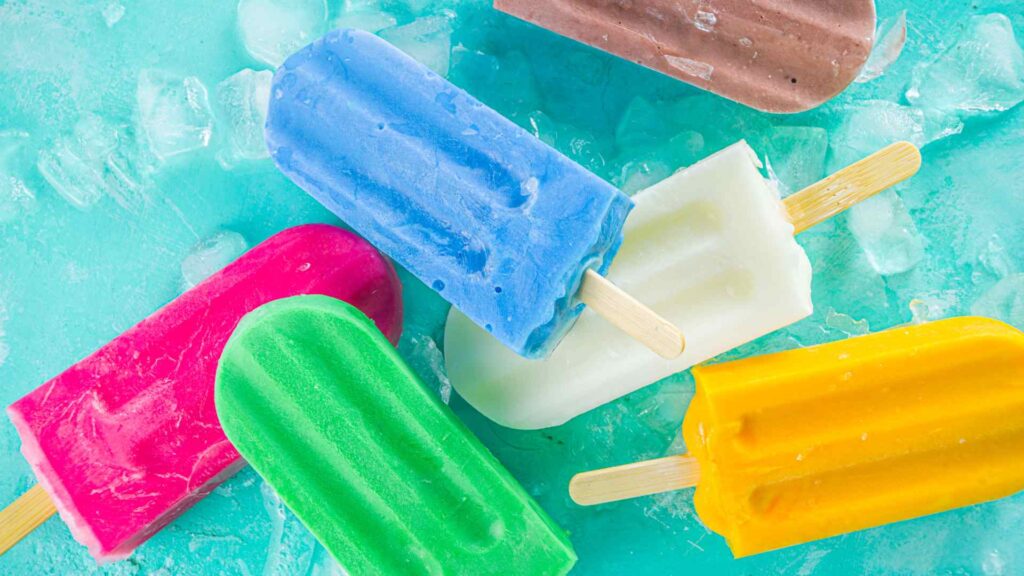
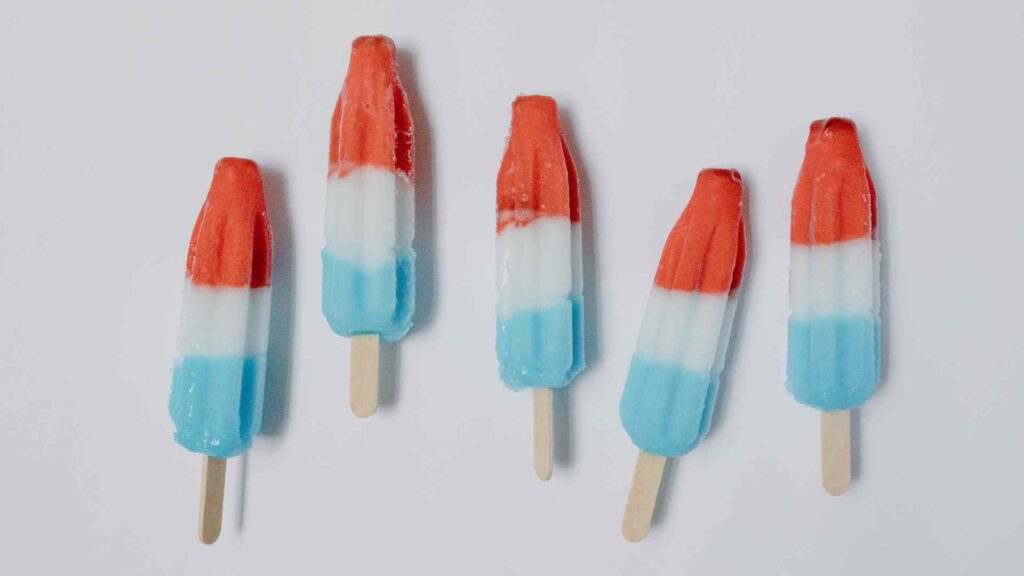
Popsicles may be fruit-juice bars, flavored ice, dairy bars, coffee desserts, electrolyte products, cocktail pops, supplement treats, or homemade mixtures. Similar colors say nothing reliable about sweeteners or active ingredients.
Save the box and individual wrapper, then record flavor, amount, time, dog’s weight, health conditions, medicines, symptoms, and any missing stick or film. A product photo is useful when the outer carton disappeared.
A small conventional lick
If a healthy dog licked a little ordinary non-grape, xylitol-free ice pop and remains comfortable, remove it and observe. Keep normal fresh water available and continue the regular complete diet.
Ordinary sugar is not a canine poison in the same way xylitol is, but it adds calories and can cause gastrointestinal upset after a large amount. Our sugar guide separates those risks clearly.
Sugar-free requires an exact label check
Sugar-free, keto, low-carb, and no-sugar-added products use different sweeteners. Look specifically for xylitol, birch sugar, wood sugar, and birch bark extract every time, including homemade recipes and powdered drink mixes.
The FDA advises immediate veterinary contact after possible xylitol ingestion. Xylitol can cause rapid, profound low blood sugar in dogs and may also injure the liver.
Do not wait for xylitol symptoms
Vomiting, weakness, reduced activity, staggering, shaking, collapse, seizures, or unusual bleeding after a sugar-free product is urgent. A dog can look normal during the early window.
Do not induce vomiting or give syrup, honey, food, or another sugar unless a veterinarian directs it for this dog. The amount of xylitol per pop may not be listed, so keep the manufacturer information available.
Grape and raisin ingredients
A grape-colored pop made only with artificial flavor is not identical to one made with grape juice, grape concentrate, raisins, or Vitis-derived ingredients. Read the actual ingredient list instead of relying on the flavor name.
The Merck Veterinary Manual describes acute kidney injury after grape and raisin exposure, with variable sensitivity among dogs. Call promptly after a meaningful or uncertain grape-derived exposure rather than waiting for vomiting or urination changes.
Chocolate and cocoa bars
Chocolate-coated ice cream bars, fudge pops, mocha pops, and cocoa mixtures contain methylxanthines. Dark chocolate and cocoa powder can be much more concentrated than a thin milk-chocolate coating.
The Merck Veterinary Manual explains that risk varies with chocolate type, amount, and dog size. Restlessness, repeated vomiting, rapid heartbeat, tremors, overheating, or seizures needs urgent care.
Coffee, tea, and energy pops
Cold-brew bars, tea pops, energy products, and some chocolate desserts can contain caffeine or other stimulants. Save milligrams per serving and count how many servings disappeared.
Agitation, panting, rapid heartbeat, tremors, vomiting, abnormal rhythm, high temperature, or seizures is an emergency. Do not try to counter a stimulant with exercise, food, or a sedating home product.
Alcohol and cocktail pops
Frozen cocktails, wine pops, hard seltzer ice pops, and homemade adult treats may contain meaningful alcohol even though they are frozen. Freezing does not remove ethanol.
Vomiting, wobbliness, unusual sleepiness, low body temperature, slow breathing, tremors, collapse, or seizures after an alcoholic pop is urgent. Do not use coffee, a cold shower, or forced food to sober the dog.
Dairy bars and rich coatings
Ice cream bars and yogurt pops may cause gas, diarrhea, nausea, or vomiting in lactose-sensitive dogs. Cream, nut butter, coconut fat, chocolate coating, and rich fillings can also create a substantial fat and calorie load.
Repeated vomiting, appetite loss, weakness, dehydration, abdominal pain, or a hunched posture needs assessment, especially in a dog with previous pancreatitis. Our Greek-yogurt guide explains why dairy tolerance and product ingredients vary.
Fruit is not a safety shortcut
A package covered in fruit pictures may still contain sugar, xylitol, grape concentrate, citrus oil, chocolate, alcohol, or herbal ingredients. Whole fruit pieces, seeds, rind, and tough frozen chunks add their own texture concerns.
Our orange guide separates flesh from peel, oils, juice, sugar, and acidity. A fruit pop is not vitamin therapy or a substitute for a complete diet.
Medication, cannabis, and supplement pops
Homemade freezer treats may contain cannabis, sleep aids, vitamins, protein powder, electrolyte concentrate, or prescription medication. A frozen format does not make those doses safe for another dog.
Keep the exact active ingredients, strength, and amount missing. Marked sleepiness, agitation, urine dribbling, low heart rate, tremors, weakness, or altered behavior after a medicated product deserves immediate advice.
The wooden stick is not edible
A stick can splinter, cut the mouth, lodge in the throat, or perforate and obstruct the gastrointestinal tract. Bite marks on the remaining end do not prove the missing section was chewed safely.
Do not induce vomiting after a swallowed stick unless a veterinarian specifically directs it. Drooling, gagging, repeated swallowing, vomiting, abdominal pain, refusal of food, blood, or lethargy needs prompt evaluation.
Wrappers and plastic sleeves
Thin film can disappear along with melted syrup and may choke or obstruct. Large snack bags also create a suffocation hazard when a dog puts its head inside.
The FDA warns about food bags and foreign-body hazards. Count wrappers, tear strips, box pieces, and sticks before cleanup.
Hard frozen pieces and teeth
A dog that bites a rock-hard pop can fracture a vulnerable tooth, while a rounded chunk can lodge in the throat. Let a veterinarian-approved homemade piece soften and keep portions small enough to supervise.
Sudden yelping, mouth bleeding, facial swelling, pawing, refusal to chew, or a visible tooth injury needs dental advice. Frozen does not mean dental-cleaning.
Choking and aspiration
Coughing, gagging, repeated swallowing, drooling, noisy breathing, blue or gray gums, panic, or collapse is an emergency. Melted liquid can also be aspirated if it is forced into a struggling or weak dog.
Do not pour water into the mouth, push food down with bread, or sweep blindly with fingers. Call emergency care and follow instructions appropriate to the dog’s airway status.
Popsicles do not treat heatstroke
A cold treat may feel pleasant to a comfortable dog, but it does not reverse dangerous heat-related illness. Heavy or noisy panting, weakness, wobbliness, confusion, vomiting, diarrhea, collapse, or seizures after heat exposure requires immediate veterinary contact.
The UC Davis School of Veterinary Medicine describes heatstroke as life-threatening and advises room-temperature water plus a fan when directed, not ice water. Move the dog out of heat and follow the clinic’s cooling and transport instructions rather than offering a popsicle and waiting.
Do not force eating during overheating
A distressed, weak, confused, or heavily panting dog may not swallow safely. Forcing a frozen treat or water can delay care and increase aspiration risk.
Prevention is simpler: provide shade, normal fresh water, ventilation, rest, and appropriate exercise timing. A popsicle is an optional food, not a hydration plan or cooling protocol.
Homemade pops still need labels
Write the recipe and date on the freezer container so nobody has to reconstruct it during an emergency. Check peanut butter, yogurt, broth, drink powder, fruit concentrate, and sweetener separately.
Avoid using sticks, skewers, toothpicks, or brittle edible handles. A shallow silicone mold can create a supervised, portioned piece, but it does not make an unsuitable ingredient safe.
Broth and electrolyte mixes
Human broth can contain onion, garlic, excessive sodium, or fat, and “low sodium” is a comparison claim rather than a guarantee that it fits a dog’s medical plan. Human electrolyte powders may contain sweeteners, caffeine, vitamins, or mineral concentrations a dog does not need.
Do not use a frozen broth or sports-drink pop to treat vomiting, diarrhea, kidney disease, dehydration, or heat illness. Those conditions need a fluid plan based on examination and laboratory findings.
Portions and complete nutrition
Count every frozen treat among toppers, chews, scraps, and pill foods. Puppies, toy breeds, and dogs on calorie-controlled diets can lose nutritional balance quickly when sweet or dairy extras crowd out complete food.
A plain-water ice chip has different calories from a creamy bar, but neither earns a health halo. The safest treat is one the dog can swallow comfortably and the veterinarian has approved for the dog’s diet.
After a multipack raid
Separate pets and count intact pops, sticks, sleeves, box pieces, and puddles. Give a minimum and maximum estimate rather than dividing the missing products equally among dogs.
The smallest dog or the dog with a prior pancreatic, endocrine, kidney, liver, swallowing, or dental problem may need different advice. Product identity can matter more than body size when xylitol or medication is present.
What to do after a popsicle theft
- Remove remaining pops, sticks, wrappers, boxes, melted liquid, and accessible trash.
- Save the complete ingredient list, Nutrition Facts, flavor, sweeteners, and active ingredients.
- Estimate the amount and time, then record the dog’s weight, conditions, medicines, and symptoms.
- Check specifically for xylitol, grape, chocolate, caffeine, alcohol, dairy, cannabis, and supplements.
- Call immediately for dangerous ingredients, serious signs, a large or uncertain amount, or missing hardware.
Do not induce vomiting or give salt, oil, milk, charcoal, sugar, or another remedy without veterinary direction. Sticks, aspiration risk, and fast-acting ingredients can make home treatment unsafe.
Bottom line
A small lick of an ordinary water-and-sugar pop may only require observation, but popsicles are label-specific and hardware-heavy. Check for xylitol, grape, chocolate, caffeine, alcohol, dairy, and medication, account for every stick and wrapper, protect teeth and airways, and treat heatstroke as an emergency rather than a snack problem.