Can Dogs Eat Raw Beef? Pathogens, Fat, Bones, and Handling
Raw beef is not a risk-free treat or a necessary upgrade for dogs. It can carry pathogens, contaminate people and surfaces, add excessive fat or unbalanced calories, arrive with bones, seasonings, spoilage, absorbent pads, or plastic, and provide no proven protein or iron advantage over an appropriate complete diet.
The simplest safe version
- Choose a lean boneless cut such as trimmed loin or tenderloin.
- Cook it to the food-safe temperature for that cut and verify with a thermometer.
- Use no salt, brine, cure, rub, smoke flavor, onion, garlic, sauce, butter, or oil.
- Remove visible fat and cut the cooled meat into small pieces.
- Treat it as an occasional extra, not a substitute for complete dog food.
Steak is not automatically fatty, and it is not automatically lean. A trimmed tenderloin cube and a strip of belly have very different fat loads even though both came from a pig.
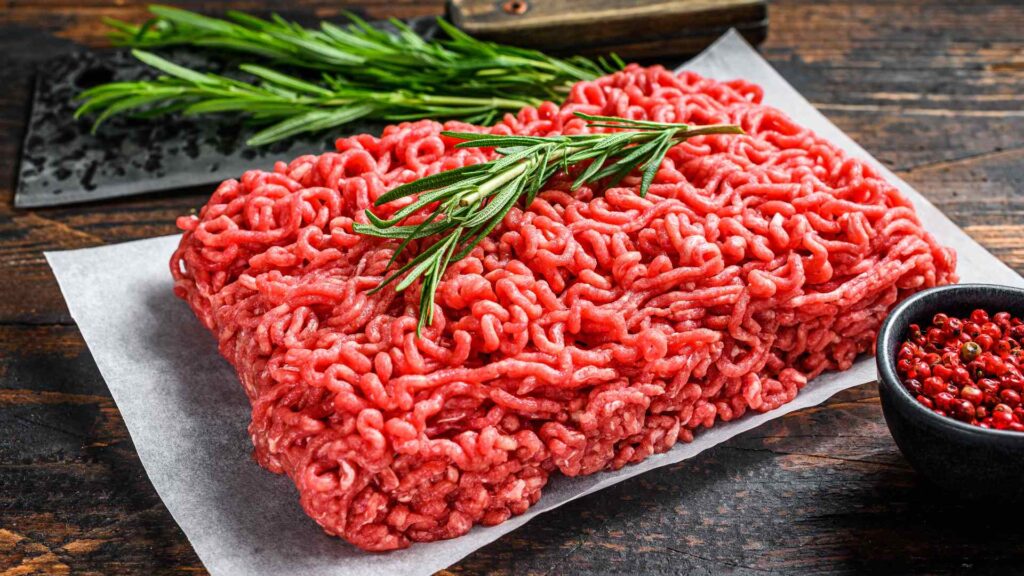
Raw does not mean fresher or more natural to the dog
A refrigerator-cold steak, ground beef, butcher trim, organ mix, and commercial raw pet product have different handling histories and contamination controls. None is sterile simply because it looks fresh.
Dogs can become ill, and they can also shed pathogens without obvious symptoms. That matters to everyone touching bowls, floors, bedding, faces, or stool.
Ground beef and whole cuts differ
Grinding moves surface organisms throughout the batch and creates more handling opportunities. A whole intact cut and ground beef therefore do not share one cooking instruction.
USDA safe-temperature guidance lists different targets for whole beef cuts and ground meats. Use a food thermometer rather than color.
A dog does not gain a special benefit from a red or bloody center. Proper cooking reduces pathogen risk while plain preparation keeps seasoning out.
Raw diets create household exposure
FDA warns that raw pet food can endanger pets and people through bacteria such as Salmonella and Listeria. Freezing, freeze-drying, or high-pressure marketing does not justify assuming zero risk.
Merck’s nutrition overview lists pathogen exposure, nutrient imbalance, dental injury, obstruction, and perforation among raw meat-based diet risks.
Households with young children, older adults, pregnant people, or anyone immunocompromised need particular caution. Discuss food choice with the veterinarian and the person’s clinician when relevant.
Cross-contamination happens before the bowl
Raw beef juices can spread from hands, knives, boards, counters, sinks, refrigerator shelves, grocery bags, and the dog’s muzzle. Use separate clean tools and wash hands thoroughly.
Do not rinse raw beef in the sink because splashing can spread contamination. Clean and disinfect surfaces according to food-safety guidance.
Pick up uneaten raw food promptly and follow the product’s storage instructions. Do not leave a raw bowl at room temperature for grazing.
Fat, portions, and complete nutrition
Ground beef percentage, trimmings, marrow, suet, and organ mixes can carry substantial fat and calories. A small sample can be richer than it appears.
Dogs with previous pancreatitis, high blood fats, obesity, diabetes, intestinal disease, or prescribed diets need stricter limits. Repeated vomiting, abdominal pain, appetite loss, or marked lethargy needs veterinary advice.
Beef contains protein and iron, but raw beef is not a protein, muscle-building, anemia, or energy treatment. Complete dog food balances amino acids, minerals, vitamins, fat, and calories across the whole diet.
Bones are a separate mechanical hazard
Raw bones can still fracture teeth, wedge in the mouth, choke, lodge in the esophagus, obstruct or perforate the intestine, and carry pathogens. Cooking introduces additional cracking and splintering concerns.
There is no universal safe bone size based on dog breed or jaw width. Call after a swallowed bone and do not induce vomiting or feed bulky material to push it through.
Seasoned raw beef and marinades
Burger mixtures, tartare, meatballs, kebabs, and marinated steak may contain onion, garlic, salt, pepper, chile, alcohol, raw egg, sauce, or skewers. Get the complete recipe.
Meat sold for human cooking may have been blade-tenderized, injected, or mechanically handled. The label and cooking instructions matter.
Spoilage and packaging
Sour odor, slime, swelling, leaking, unusual color with other spoilage signs, or broken temperature control makes meat unsuitable. Do not use a dog to avoid wasting questionable beef.
Plastic film, foam trays, absorbent pads, netting, butcher paper, clips, price labels, skewers, and desiccants can be swallowed during a raid. Report every missing item.
After a raw beef raid
- Identify whole cut, ground beef, organ mix, commercial raw diet, fatty trim, bone, seasoned mixture, spoiled meat, or packaging.
- Save labels and estimate amount, time, dog weight, symptoms, conditions, medications, and normal diet.
- Record room-temperature time, storage history, fat percentage, bones, seasonings, and missing pads, film, tray pieces, or skewers.
- Call promptly for symptoms, bones, spoilage, significant fat, dangerous seasonings, large or unknown amount, vulnerable household contacts, or missing packaging.
- Do not induce vomiting or give antibiotics, antidiarrheals, charcoal, oil, or other home treatment unless directed.
Steak bones are not a safe bonus
Cooked bones can crack or splinter, while raw bones can still break teeth, lodge in the esophagus, obstruct the intestine, carry pathogens, or cause constipation and rectal injury. Ribs, chop bones, knuckles, neck bones, and steak bones all deserve the same caution.
The Merck Veterinary Manual esophageal foreign-body review notes that bones are the most common esophageal foreign body in dogs. Drooling, gagging, repeated swallowing, regurgitation, and difficulty swallowing are warning signs.
Active choking, breathing difficulty, blue or gray gums, or collapse is an emergency. Do not reach blindly into the throat or pull a deeply lodged bone unless an emergency professional directs you in real time.
A swallowed bone can create trouble later even if the dog initially acts normal. Repeated vomiting, appetite loss, abdominal pain, lethargy, bloating, blood, straining, or reduced stool needs prompt care.
Do not induce vomiting after a bone is swallowed because a sharp fragment can cause more injury on the way back. Do not try to wrap it in bread, feed bulky fiber, or push it through with oil.
Fat, skin, grease, and pancreatitis
Steak fat, trimmings, cooking grease, pan drippings, rib fat, crackling, and visible trimmings concentrate fat and calories. A tiny lick is different from drinking the roasting pan, but neither is a useful treat.
The Merck Veterinary Manual pancreatitis review identifies dietary indiscretion as a common suspected risk factor in dogs. Vomiting and abdominal pain after a rich-food raid can fit pancreatitis, but diagnosis requires the whole clinical picture.
Dogs with previous pancreatitis, high triglycerides, obesity, diabetes, or prescribed fat restriction should not receive steak fat. Repeated vomiting, marked pain, appetite loss, weakness, dehydration, or a hunched posture warrants a prompt call.
Fatty and cured beef products are not plain steak
Cured beef and fatty restaurant scraps can carry much more sodium and fat than an unseasoned lean cut. Glazes can add sugar, honey, maple, spice, alcohol, or sugar-free sweeteners.
One tiny dropped cured-meat crumb is unlikely to poison a healthy large dog, but a missing package or pan of grease can cause significant digestive and dietary problems. Packaging, absorbent pads, foil, netting, and skewers may be the most urgent part of the raid.
Dogs with heart, kidney, urinary, or blood-pressure concerns may have strict sodium instructions. Do not use salty deli meat as routine pill food without checking the medical plan.
Processed beef products are not plain steak
Processed steak may contain salt, garlic, onion, pepper, chile, fennel, smoke flavor, cheese, preservatives, or mixed meats. Casings can be tough, and links are easy to swallow whole.
Our onion guide and garlic guide explain why cooked and powdered Alliums still matter. Save the current package because recipes and meat blends change.
Sugar-free barbecue sauce, glaze, or ketchup requires an immediate xylitol check. Chocolate, raisins, macadamias, alcohol, and hot chiles can also appear in specialty sauces or charcuterie boards.
Barbecue steak and sauces
Barbecued steak may be cooked with fatty trimmings, rub, sauce, stock, smoke, salt, onion, or garlic. Bones, butcher’s string, foil, skewers, corn cobs, and greasy paper can disappear during the same picnic raid.
Do not rinse sauced meat and assume every ingredient is gone. Seasoning and fat can be mixed throughout, so record the recipe and amount for the veterinary call.
Organ meat is a separate food
Steak liver is not a casual unlimited treat simply because it contains nutrients. Organ meats are concentrated ingredients whose amount should be controlled within a complete recipe.
A home-prepared diet based on steak muscle and liver can still be deficient or excessive in essential nutrients. Ask a board-certified veterinary nutritionist to formulate long-term homemade food rather than balancing it by instinct.
Steak is protein, not a protein miracle
Dogs need amino acids, energy, fatty acids, vitamins, and minerals in appropriate proportions. Plain steak can contribute protein, but adding more does not automatically build muscle, fix anemia, improve immunity, or make an incomplete diet balanced.
The UC Davis veterinary treat guideline recommends that treats and extras remain below 10 percent of daily calories. At least 90 percent should come from complete and balanced food.
For a different fully cooked animal-food example, our egg guide separates food safety from nutrition hype. Our salmon guide does the same for fish.
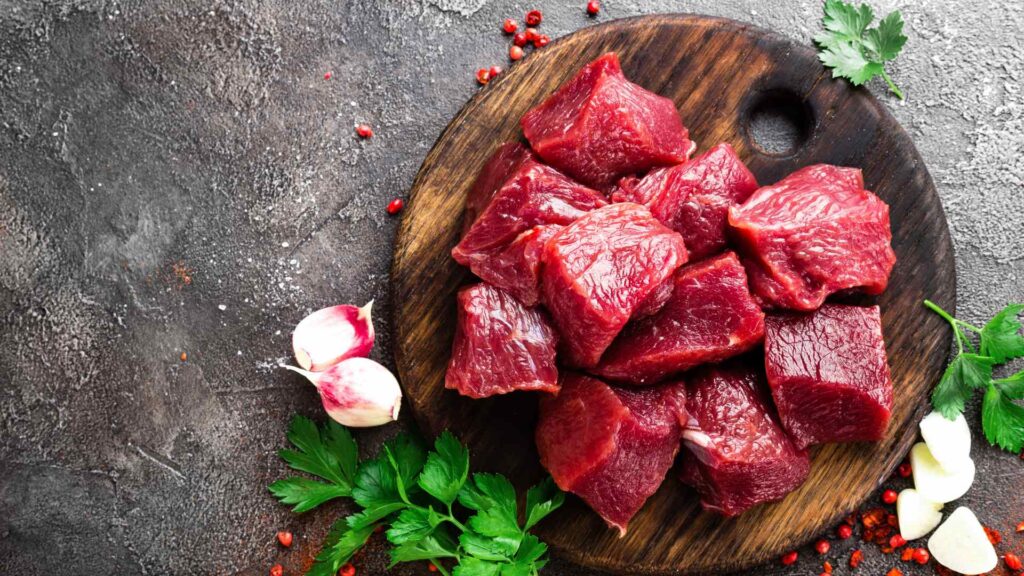
Steak allergy requires a real diagnostic plan
Steak protein can be part of an adverse food reaction in an individual dog, but vomiting after a fatty scrap does not prove allergy because fat, seasoning, quantity, and infection are competing explanations. Chronic itching and ear or digestive signs also have many causes.
The Merck Veterinary Manual food-allergy review describes a strict elimination diet and rechallenge as the reference diagnostic method. Hair, saliva, and convenient food-sensitivity panels do not establish a steak allergy.
Facial swelling, widespread hives, breathing trouble, weakness, or collapse is an emergency. Recurrent milder signs deserve a veterinarian-guided diet trial rather than random meat swapping.
What to do after an accidental steak meal
- Identify raw, cooked, wild, fatty, cured, seasoned, spoiled, or moldy steak and note every bone.
- Record the amount, time, dog’s weight, symptoms, medical conditions, and medications.
- Save the recipe and labels for rub, sauce, sausage, cured meat, sweetener, and preservatives.
- Count missing bones, pads, string, netting, skewers, foil, plastic, and other packaging.
- Call promptly for raw steak, bones, large fat exposure, unsafe seasonings, packaging, or significant symptoms.
A healthy adult dog that eats one small piece of plain, fully cooked, lean, boneless steak and remains comfortable can usually be monitored. Keep water available and return to the normal complete diet.
Do not induce vomiting or give human stomach medicine unless a veterinary professional directs it. Bones, existing symptoms, aspiration risk, and timing can make home treatment dangerous.
Frequently asked questions
Can dogs eat a plain steak piece?
Only a small piece of plain, fully cooked, lean, boneless meat is a reasonable treat. Remove the chop bone, visible fat, rub, sauce, and pan grease.
Can dogs eat raw steak?
Do not offer it. Raw or undercooked steak can expose dogs and household members to pathogens and parasites without providing a unique benefit.
Can dogs eat steak fat?
A tiny dropped crumb is usually a minor event for a healthy dog, but cured meat is salty and fatty and should not be a planned treat. A large amount, grease, packaging, or symptoms needs a call.
Can dogs eat steak bones?
No steak bone is risk-free. Cooked bones can splinter, while raw bones can lodge, obstruct, break teeth, and carry pathogens.
The bottom line
A few cooled bites of plain, fully cooked, lean, boneless steak can be an occasional extra for many healthy adult dogs. Use a thermometer, trim the fat, cut the meat small, and keep complete food in charge.
Raw steak, bones, grease, cured meat, sausage, barbecue, unsafe seasonings, and packaging each change the response. The exact cut and preparation matter far more than the word steak.