Can Dogs Eat Rhubarb? Stalks, Leaves, and Urgent Steps
Do not let a dog eat rhubarb leaves or unidentified pieces of the plant. The familiar stalk is much less concerning than the leaves, but a stolen stalk, pie, compost raid, or garden exposure still needs ingredient and amount checking because the physical form and companion ingredients can change the risk.
The answer changes by plant part
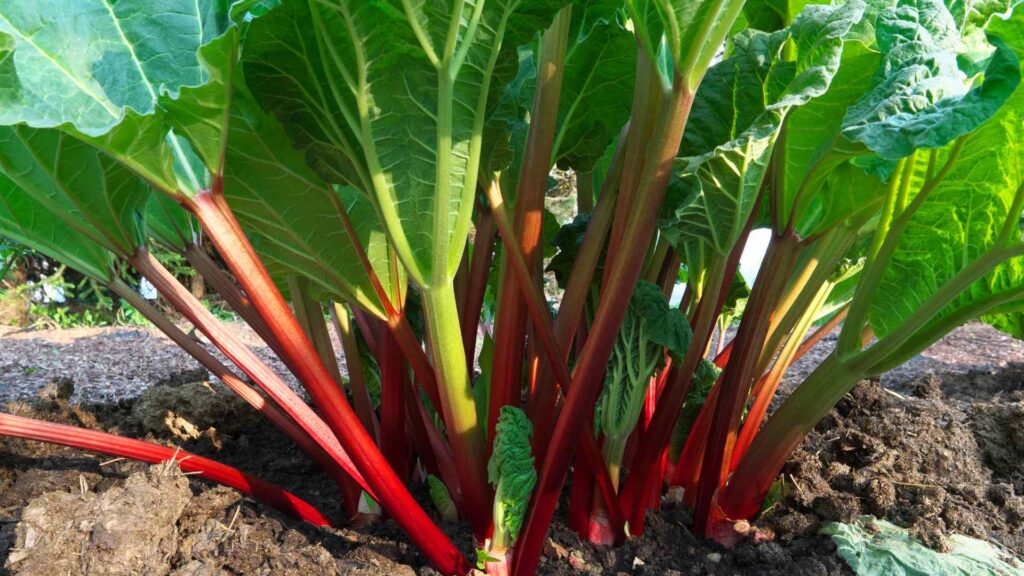
Garden rhubarb is grown for its thick leaf stalks, often called petioles. People cook those stalks, while the broad leaves are discarded because the plant is not uniformly edible.
The Merck Veterinary Manual’s plant toxicology review lists garden rhubarb among soluble-oxalate plants and specifically says the stalks are edible and not a concern. That distinction is more accurate than claiming every crumb of rhubarb is equally poisonous.
Leaves and substantial plant exposures deserve prompt professional advice because soluble oxalates can bind calcium and, after large ingestion, contribute to low blood calcium and kidney injury. Merck also notes that a small taste more often causes stomach upset than life-threatening systemic signs.
No reliable household glance can tell you the dose a dog received. Plant maturity, leaf-to-stalk ratio, amount chewed, dog’s size, timing, existing kidney health, and whether material was swallowed all belong in the assessment.
Leaves, stalks, roots, and flowers
The leaf blade is the part to treat most cautiously, including wilted leaves clipped from a garden. Do not assume drying, freezing, simmering, or composting neutralizes a plant exposure.
A plain stalk is not the same toxicology problem, yet a long, stringy raw stalk can still choke or cause digestive upset. Large tough pieces may be hard for a fast eater to chew and can become a physical foreign-body concern.
Roots, crowns, flower stalks, and unidentified garden pieces are not foods to offer. If you cannot determine which part disappeared, report it as an uncertain rhubarb-plant exposure rather than guessing that it was only edible stalk.
The ASPCA rhubarb entry identifies soluble calcium oxalates and lists salivation, tremors, and kidney failure among possible effects. Its broad plant warning supports prompt triage, while Merck supplies the important stalk-versus-leaf nuance.
What soluble oxalates can do
After a large enough exposure, soluble oxalate can bind calcium in the bloodstream. Low calcium can affect muscles and nerves, while calcium oxalate precipitation in kidney tubules can damage renal tissue.
Possible early signs include drooling, vomiting, poor appetite, lethargy, wobbliness, tremors, and seizures. Kidney-related signs may include increased thirst or urination at first, then reduced urine output, worsening vomiting, weakness, or refusal of food.
These signs are not unique to rhubarb, and their absence immediately after a garden raid does not identify the swallowed plant part. A veterinarian may use the exposure history, examination, electrolytes, kidney values, urine findings, and follow-up testing to judge risk.
Do not turn those signs into a DIY diagnosis. Tremors, seizures, collapse, severe weakness, repeated vomiting, or inability to urinate are emergencies regardless of the suspected cause.
Rhubarb pie is a different ingredient problem
Cooked stalk in a pie does not become leaf toxin, but dessert adds sugar, fat, crust, and sometimes dairy. A large serving can trigger vomiting or diarrhea and may be especially troublesome for a dog with pancreatitis, obesity, diabetes, or a prescribed diet.
Sugar-free filling needs an immediate label check for xylitol, which may also be called birch sugar or wood sugar. The FDA warns that xylitol can cause dangerous low blood sugar and liver injury in dogs, so any listed xylitol exposure is an urgent call.
Rhubarb desserts may be combined with grapes, raisins, currants from Vitis species, chocolate, macadamia nuts, alcohol, nutmeg, or caffeine. The ASPCA people-food guide warns that grapes and raisins can cause kidney failure in dogs, with individual sensitivity that is not predictable.
Our sugar guide explains why ordinary sugar is different from xylitol, while the caramel guide covers sticky sweets, wrappers, and dangerous mix-ins. Give the clinic the complete recipe rather than reporting only rhubarb.
Garden and compost exposures
Fence rhubarb beds away from dogs that browse, dig, or carry plants. Fallen leaves should go straight into a secured container rather than a pile accessible from the yard.
Compost can concentrate uncertainty because leaves mix with moldy food, coffee grounds, fruit pits, onions, garlic, and other discarded items. A warm pile may also contain tremorgenic molds, so wobbliness or tremors after a compost raid demand urgent care.
Herbicides, slug bait, fertilizers, cocoa mulch, and garden chemicals may be more immediately dangerous than the plant. Save every product label used near the bed and tell the veterinary team whether a container, granule, or treated soil was accessible.
Do not identify a plant solely from one red stalk. Swiss chard, burdock, dock, ornamental plants, and weeds can be confused in casual descriptions, so photograph the whole plant, leaf, stem, growth location, and any label without delaying the call.
What to do after an exposure
- Remove access and safely collect a sample or clear photographs of the plant and food.
- Record the dog’s weight, estimated amount, plant part, preparation, earliest and latest possible time, and current signs.
- Save dessert labels, recipes, sweetener packages, garden-product containers, and any vomited plant pieces for identification.
- Call a veterinarian, emergency veterinary hospital, or animal poison service promptly for leaf, plant, uncertain-part, substantial, or symptomatic exposure.
- Go to emergency care for seizures, tremors, collapse, severe weakness, repeated vomiting, breathing trouble, or reduced urine output.
Do not induce vomiting unless a veterinary professional directs it for this exact case. Hydrogen peroxide, salt, oil, fingers in the throat, and other online methods can cause aspiration, irritation, sodium poisoning, or delayed treatment.
Do not give calcium supplements, dairy, charcoal, antacids, or large forced volumes of water to ‘bind’ the plant. Clinical treatment depends on the amount, timing, symptoms, electrolytes, kidney status, and whether another ingredient was swallowed.
What a veterinarian may recommend
Advice may range from home observation after a clearly tiny stalk taste to examination and monitored decontamination after leaf ingestion. A larger or uncertain plant exposure may require blood work, urinalysis, intravenous fluids, calcium monitoring, and repeat kidney testing.
Bring the sample in a sealed bag and keep photographs on your phone. Do not transport loose plant material where a child, another pet, or clinic patient can reach it.
Report previous kidney disease, urinary problems, dehydration, pregnancy, medications, and any vomiting or diarrhea before the incident. Those details can change how a clinician interprets the exposure and laboratory results.
A small stalk bite versus a leaf raid
A healthy dog that nibbled a thumbnail-sized piece of clean, plain stalk and remains comfortable is not in the same category as a dog that shredded several leaves. Call if uncertain, then monitor only as directed for vomiting, diarrhea, appetite change, discomfort, thirst, urination, energy, gait, and tremors.
A long stalk can create choking risk even when its chemistry is less concerning. Gagging, repeated swallowing, pawing at the mouth, noisy breathing, blue or gray gums, or collapse require immediate action.
Do not use a stalk as a chew, dental cleaner, fiber treatment, or weight-loss tool. A complete dog food already balances nutrients, and tough strings are a poor trade for an unproven health claim.
Prevention that works in real kitchens
Cut the leaf from harvested stalks and place it directly into inaccessible waste. Do not leave trimmings on a counter edge, in an open produce bag, or beside a garden gate while you carry the stalks indoors.
Cool pies and crumbles behind a closed door or inside an appliance rather than on the stovetop. Secure bins with a locking lid, especially when foil, string, plastic wrap, or sweetener packets are discarded with leftovers.
Teach leave it and trade using dog-safe rewards, but do not rely on training as the only barrier. Physical separation is more dependable when guests, children, or harvest work create distractions.
Frequently asked questions
Can dogs eat cooked rhubarb stalk?
Plain cooked stalk is much less concerning than leaves, but it offers no special benefit and can still cause stomach upset. Dessert recipes add more important risks, so check every ingredient and portion.
Are rhubarb leaves dangerous after cooking?
Yes, do not feed cooked leaves. Preparation does not provide a reliable home detoxification method, and an exposure should be discussed with a veterinary professional.
My dog ate one leaf bite but looks normal. Can I wait?
Call promptly rather than waiting for signs, because the amount swallowed is uncertain and early appearance may not predict kidney or calcium effects. Give the dog’s weight, timing, plant part, amount, and health history.
Can frozen rhubarb be safer?
Freezing changes texture, not the identity of the plant part or every companion ingredient. Check whether the bag contains stalk only, leaves, sweetener, fruit, or a prepared filling.
The bottom line
Keep rhubarb leaves and unidentified plant material away from dogs, while recognizing that a tiny plain stalk taste is a more proportionate concern. Preserve the plant and recipe evidence, call for uncertain or meaningful exposures, and treat tremors, seizures, repeated vomiting, severe weakness, or urine changes as urgent.
For sweet frozen versions, our popsicle guide covers xylitol, grape products, sticks, and wrappers. The safest plan is still simple: secure the garden, secure the dessert, and skip rhubarb as a dog treat.