Can Dogs Have Salt? Normal Sodium, Poisoning, and Urgent Signs
Dogs need sodium in a complete diet, but they should not be given extra salt. A few crumbs of an ordinary salty snack are different from eating table salt, salt dough, brine, deicer, or drinking seawater; concentrated exposure or neurologic signs require urgent veterinary advice, and water correction must not become a do-it-yourself experiment.
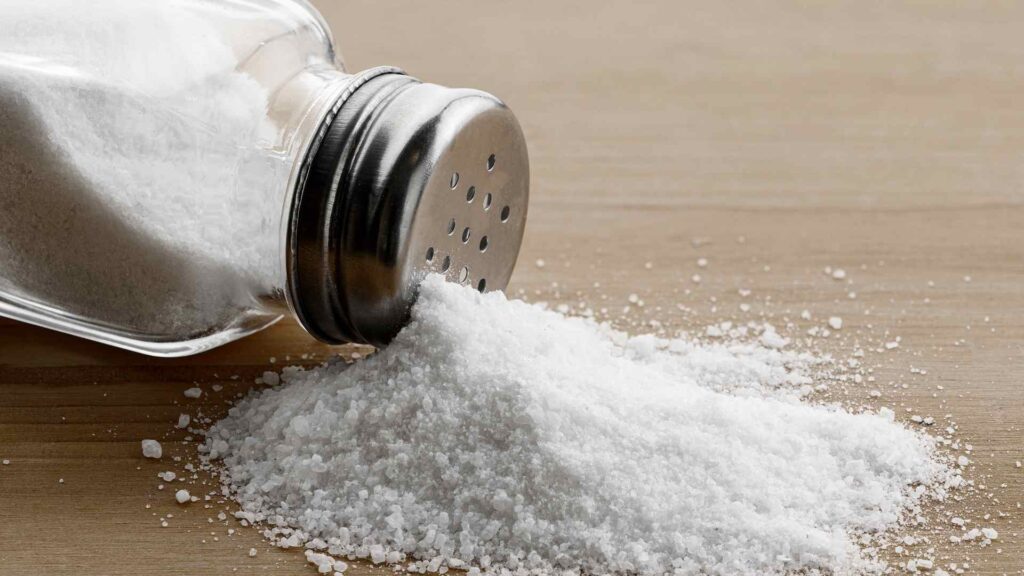
Sodium is essential, while extra salt is optional
Sodium helps maintain fluid balance and normal nerve and muscle function. Complete and balanced dog food already includes it in a formulated amount, so a healthy dog does not need a pinch from the shaker.
Salt usually means sodium chloride, but labels may list sodium contributed by several ingredients. Human Nutrition Facts percentages are designed for people and cannot be converted into a canine daily allowance by comparing body weights.
Veterinary diets may intentionally adjust sodium for a diagnosed condition. Do not add salt to a prescription diet or choose a low-sodium human food as a replacement without the prescribing veterinarian’s guidance.
Normal dietary sodium is necessary, while a concentrated salt exposure can cause life-threatening hypernatremia. Those facts are compatible, and “salt is essential” is never a reason to add it by hand.
What salt toxicosis actually means
Salt toxicosis can follow excessive sodium intake, especially when fresh water is unavailable or the dog cannot regulate water normally. The resulting high blood sodium pulls water out of cells, with the nervous system among the most important targets.
The Merck Veterinary Manual lists depression, weakness, incoordination, muscle tremors, gastrointestinal signs, and seizure-like activity. It also explains that treatment must return water and electrolytes toward normal in a controlled way.
Risk is affected by the amount and concentration, dog size, water access, kidney and hormonal function, vomiting or diarrhea, and how quickly the exposure occurred. A universal spoon-per-pound table hides too many of those variables.
Fresh water reduces risk in many ordinary situations, but it is not a guarantee after a concentrated ingestion. A dog can vomit, become confused, or drink poorly, and forcing a large volume can create aspiration or additional electrolyte problems.
Small snack versus concentrated source
One potato chip or a few salted popcorn crumbs are unlikely to cause salt toxicosis in a healthy dog with normal water access. They still add fat, flavorings, and calories, so “unlikely to poison” does not mean “good routine treat.”
A missing saltshaker, torn seasoning packet, brine container, salt crust, or batch of dough is a different exposure. The actual product weight and sodium concentration matter more than whether the dog looks thirsty right now.
Processed foods can combine salt with fat, onion, garlic, bones, wrappers, or choking hazards. Read the hot dog guide and bacon guide when the salty item is meat rather than plain salt.
The soy sauce guide covers a particularly concentrated liquid source, while the pickle guide separates cucumber from brine and seasonings.
Salt dough and homemade play dough are emergencies in disguise
Salt-dough ornaments and homemade play dough can pack a large amount of table salt into a tempting, food-smelling object. Paint, glitter, ribbon, hooks, and varnish may add separate hazards.
The FDA holiday-hazard guide specifically warns that salt dough and homemade play dough can harm pets. Do not wait for symptoms while trying to calculate from an incomplete craft recipe.
Save an identical ornament or the recipe, weigh what remains if practical, and call a veterinarian or animal poison service immediately. Report decorative coatings and missing hanging hardware too.
Commercial modeling compounds vary, and “non-toxic” on a child’s product is not a veterinary assessment of a large ingestion. Keep the tub or ingredient sheet so the advisor can separate sodium risk from foreign material and other chemicals.
Seawater, brine, and salty outdoor water
Dogs can swallow seawater while fetching, swimming, biting waves, or licking a wet toy. Repeated small mouthfuls across a long beach session can matter even when there was no obvious drinking episode.
Bring fresh water, offer normal breaks, and interrupt obsessive wave biting. Vomiting, diarrhea, unusual thirst, wobbliness, confusion, tremors, or seizures after ocean play needs urgent veterinary assessment.
Saltwater pools still require attention because products and concentrations differ, and pool chemicals add other questions. Rinse the coat after swimming so the dog does not ingest more while grooming.
Pickling brine, meat brine, olive liquid, bouillon, and concentrated soup base can deliver sodium quickly. Inventory onion, garlic, alcohol, spices, and containers along with the salt.
Deicers and road salt
Deicing products may contain sodium chloride, calcium chloride, magnesium chloride, or other ingredients, so “road salt” is not one formula. Paw irritation and ingestion during grooming can occur after winter walks.
Wipe or rinse paws and the spaces between toes after treated surfaces, then dry them. Do not let a dog lick a deicer bag, garage spill, or slushy puddle.
If a substantial amount is missing, save the bag and contact a veterinarian or poison service. The FDA household-hazard page emphasizes that toxicity depends on the material, amount, animal, and circumstances.
Boots can reduce contact if the dog tolerates them, but inspect for trapped crystals and rubbing. “Pet-friendly” deicer should still be stored out of reach and is not intended to be eaten.

Why forced water can be dangerous
Leave normal fresh water available for a dog that is alert, swallowing normally, and has only had a minor salty snack. Do not force water by syringe, funnel, hose, or repeated huge bowls after a suspected poisoning.
Severe hypernatremia is corrected carefully because moving sodium too quickly can worsen brain swelling and neurologic injury. That is why veterinary treatment involves measured fluids, repeated electrolyte checks, and adjustment to the individual patient.
Sports drinks, electrolyte powders, broth, and oral rehydration products can add sodium or other ingredients. They are not universal antidotes, and sugar-free versions require a xylitol label check.
Never use salt to make a dog vomit. Merck identifies salt used as an emetic as a source of companion-animal poisoning, and safer next steps depend on what was swallowed.
Signs that make the call urgent
Early signs can include vomiting, diarrhea, drooling, pronounced thirst, frequent urination, reduced appetite, lethargy, or unusual behavior. More serious signs include weakness, staggering, tremors, rigid movements, seizures, collapse, or coma.
Symptoms can overlap with many other emergencies, so do not diagnose salt poisoning from thirst alone. A veterinary team can measure sodium, assess hydration and kidney function, and look for other causes.
Call before symptoms after a concentrated source such as salt dough, table salt, seasoning mix, seawater binge, brine, or deicer. Waiting for a seizure wastes the period when professionals can plan safer monitoring and treatment.
The ASPCA people-food guide also lists vomiting, diarrhea, depression, tremors, and seizures among salt-toxicity signs.
Dogs with less room for salty extras
Dogs with heart disease, kidney disease, high blood pressure, fluid-retention problems, or a sodium-modified prescription diet should not receive casual salty foods. Their medical limit is not the same as an acute poisoning threshold.
Puppies and toy dogs have less body mass for a fixed amount from a craft project or seasoning packet. Senior dogs may also have unrecognized kidney or hormonal disease that changes water regulation.
Dogs taking diuretics, corticosteroids, or other medicines affecting water and electrolytes need individualized advice. Do not stop a prescribed drug or change the diet after an exposure unless the treating veterinarian directs it.
Labels, treats, and everyday prevention
Do not rank dog foods by whether salt appears early or late in the ingredient list. A complete diet is evaluated through its nutritional adequacy, formulation, quality control, feeding amount, and suitability for the individual dog.
Low-sodium labels on human food compare that product with a regulatory standard for people, not with a veterinary diet. A reduced-sodium soup, deli meat, or sauce can still be a poor treat and may contain onion or garlic.
Coordinate treat rules across the household because several “tiny” salty handouts can become a routine pattern. Measured kibble, a compatible commercial treat, or a small piece of veterinarian-approved plain food is easier to count.
Keep salt shakers, seasoning packets, stock cubes, craft dough, deicer, and brine behind closed storage. At the beach, schedule water breaks and stop games that encourage repeated wave biting before the dog becomes frantic or sick.
What to do after a salt exposure
Remove access, identify the source, and save the package or recipe. Note dog weight, amount missing, concentration, time, water access, vomiting, urine output, behavior, and any wrappers or hardware swallowed.
For one small salty snack and a well dog, normal water access and monitoring may be enough. For concentrated products, unknown amounts, water deprivation, repeated vomiting, or any neurologic sign, call immediately.
Do not induce vomiting or give peroxide, salt, milk, oil, diuretics, sports drinks, or human medicines. Do not withhold water as punishment, and do not force a rapid water load.
During transport, keep the dog quiet and prevent falls if coordination is poor. Bring the container or recipe because the emergency team needs the real sodium concentration, not a brand guess.
The bottom line
Sodium belongs in a properly formulated canine diet, while extra table salt does not. A crumb from a normal snack is generally a monitoring issue, but salt dough, brine, seawater, deicer, seasoning concentrates, and water deprivation can become emergencies.
Keep normal fresh water available when swallowing is safe, then call rather than attempting to flush the dog at home. Amount, concentration, water access, health history, and symptoms are the facts that guide care.