Can Dogs Eat Raw Chicken? Pathogens, Bones, and Safe Handling
Dogs should not be fed raw chicken as a casual meal or treat because it can carry bacteria that sicken dogs or people, raw bones can choke or injure, and chicken alone is not a complete diet. If your dog just stole some, the amount, bones, packaging, symptoms, and household health risks determine the next step.
Why raw chicken is a household issue, not just a dog-food choice
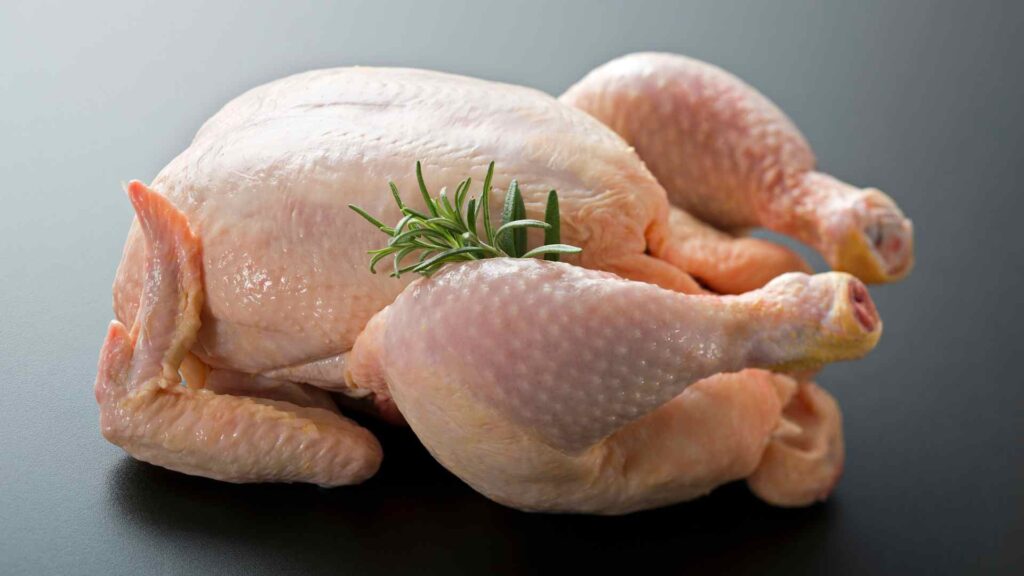
Raw poultry can carry Salmonella, Campylobacter, Listeria monocytogenes, and other pathogens. A package that looks fresh and smells normal can still be contaminated because these organisms are invisible.
The FDA pet-food handling guidance says raw pet food is more likely than processed pet food to contain harmful bacteria and advises against feeding a raw diet. The concern includes the person preparing it, the dog, other pets, and anyone touching contaminated surfaces or stool.
Dogs are not reliably protected by a short digestive tract or a supposedly stronger stomach. Some develop illness, while others can carry and shed bacteria without looking sick.
That quiet shedding matters around young children, older adults, pregnant people, and anyone with a weakened immune system. It also matters for therapy dogs and dogs that visit hospitals, schools, care facilities, or homes with medically vulnerable people.
What the evidence says about contamination
In an FDA sampling project, raw pet-food samples were much more likely than the other tested categories to contain Salmonella or Listeria monocytogenes. The agency’s raw pet-food report explains both the test results and the routes by which people can be exposed.
The CDC pet-food safety page also advises against raw pet food and recommends choosing a main diet labeled complete and balanced. This is a public-health recommendation, not a claim that every piece of raw chicken contains a pathogen.
Freezing does not reliably sterilize poultry, and refrigeration only slows bacterial growth. The WSAVA raw-diet guide notes that freezing, dehydration, and freeze-drying do not kill every bacterium.
Organic, free-range, local, air-chilled, human-grade, and butcher-fresh labels do not prove a piece is pathogen-free. Sourcing can affect many qualities, but it cannot replace a validated control step such as thorough cooking.
How infection may look in a dog
Possible signs include vomiting, diarrhea, fever, reduced appetite, abdominal discomfort, and lethargy. Bloody diarrhea, repeated vomiting, profound weakness, collapse, or inability to keep water down needs prompt veterinary attention.
Puppies, senior dogs, pregnant dogs, and dogs with cancer, immune disease, significant chronic illness, or immune-suppressing medication may have less margin for infection. A healthy adult can become ill too, so risk groups are not the only dogs worth monitoring.
A dog can shed Salmonella without symptoms, according to the AAHA raw-protein guidance. Normal behavior after the meal does not make the bowl, floor, saliva, or stool hygienically harmless.
Do not start leftover antibiotics or human anti-diarrheal drugs. Testing and treatment depend on the clinical picture, hydration, other illnesses, and public-health context.
Raw chicken bones are still bones
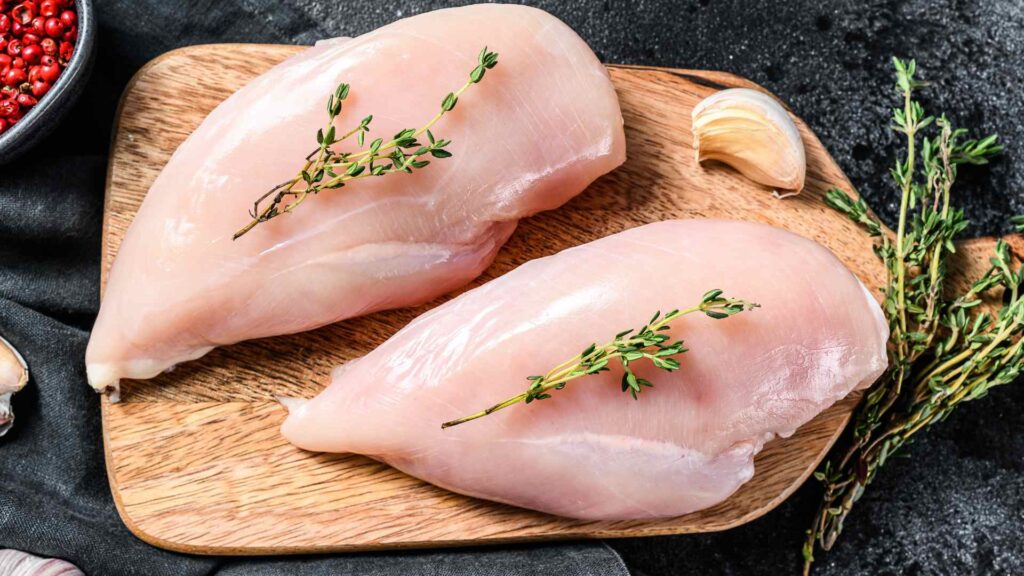
Raw bones may be softer than cooked bones, but that does not make them safe. Wings, necks, drumsticks, ribs, and chopped carcasses can crack teeth, lodge in the throat or esophagus, obstruct the gut, cause constipation, or injure tissue.
A dog that gulps can swallow a surprisingly large section without chewing. Small dogs are not the only ones at risk because enthusiastic large dogs may swallow bigger pieces.
Gagging, repeated swallowing, drooling, pawing at the mouth, regurgitation, coughing, or breathing difficulty can signal a lodged bone. Breathing trouble is an emergency, and blind finger sweeps can push an object deeper or lead to a bite.
Later warning signs include repeated vomiting, appetite loss, a painful or swollen abdomen, straining, bloody stool, marked lethargy, or inability to keep water down. Do not feed bread, pumpkin, oil, or another bulky food in an attempt to cushion or push a bone through.
Bones are not a substitute for brushing and veterinary dental care. The WSAVA guide specifically notes tooth fractures and obstruction among bone risks and says feeding bones does not prevent periodontal tooth loss.
Chicken meat alone is not a complete diet
Chicken muscle meat provides protein and other nutrients, but a bowl of chicken is not nutritionally complete. Rotating among random meats or adding a few vegetables does not reliably correct calcium, vitamin, trace-mineral, fatty-acid, and energy imbalances.
Puppies are especially vulnerable to an improperly balanced homemade diet because growth magnifies errors in calcium, phosphorus, and total energy. “Natural” is not a nutrient analysis, and visible variety is not proof of adequacy.
A commercial raw product should be evaluated as a full product, not assumed balanced because it is packaged. Look for the intended life stage, nutritional adequacy statement, feeding directions, calorie information, manufacturer contact details, and meaningful quality-control information.
If someone wants to prepare a long-term homemade diet, the safe route is a recipe formulated for that individual by a board-certified veterinary nutritionist and followed exactly. Chicken plus online supplement suggestions is not an equivalent plan.
Commercial raw products still need scrutiny
A frozen nugget or subscription box can look more controlled than chicken from a grocery tray, but packaging does not make raw food sterile. High-pressure processing may reduce some microbes, yet AAHA notes that effectiveness depends on the organism and processing conditions.
Check the manufacturer’s pathogen-control plan, final-product testing, recall communication, and whether a qualified nutrition professional formulates the food. A vague promise about premium ingredients is not the same information.
Keep the original package and lot code until the food is finished because recalls are often lot-specific. If a dog or person becomes ill, those details can help the veterinarian, physician, manufacturer, and public-health team connect the event to a product.
Commercial raw diets can also vary in fat and calorie density. A dog with pancreatitis, chronic digestive disease, obesity, or a prescription diet needs an individual nutrition discussion before any switch.
Raw chicken treats and chews count too
Freeze-dried chicken hearts, necks, feet, jerky, and raw-coated kibble can preserve the same basic questions about pathogens, bones, and nutritional role. Dry-looking does not necessarily mean cooked or sterile.
Read the processing statement and handling instructions instead of guessing from texture. Wash hands after handling animal-origin treats and keep them away from children’s play areas and human food surfaces.
A single-ingredient chicken treat may fit as a measured extra for some dogs, but it is not a complete meal unless the label explicitly establishes nutritional adequacy for that use. Treat calories still belong in the daily total.
Cooked, plain chicken is the simpler option
Fully cooked, boneless, unseasoned chicken can be a small treat for many dogs that tolerate it. Cook poultry to a safe internal temperature, prevent cross-contamination, remove every bone, and skip skin, drippings, butter, salt, sauces, onion, and garlic.
The decision is different for a dog with a chicken allergy, a veterinary elimination diet, pancreatitis, or a prescription diet. Even plain chicken can undermine a diagnostic food trial or add unwanted fat and calories.
Seasoned roast chicken may involve Alliums, high sodium, skewers, foil, string, or fatty skin. Check the garlic safety guide when garlic appears and the turkey guide for similar poultry preparation hazards.
Raw eggs, raw fish, and raw poultry share some food-safety questions, but their risks are not identical. The site’s egg guide and fish guide address those foods separately.
If raw feeding is already part of the household
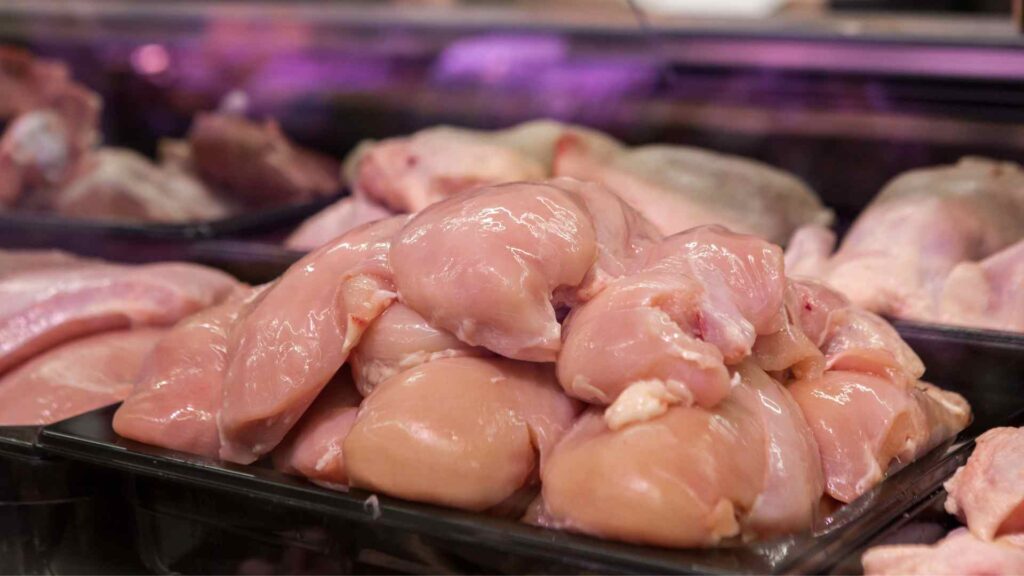
Do not mistake safer handling for proof that raw feeding becomes risk-free. Wash hands with soap and water, keep raw food away from human meals, use dedicated utensils, clean bowls promptly, refrigerate safely, and discard leftovers without letting pets raid the bin.
Clean and disinfect surfaces according to the product instructions, including the required wet contact time. A quick swipe with a damp cloth may spread contamination instead of removing it.
Keep the dog away from counters and dishwashers during preparation, and prevent face licking immediately after eating. Pick up stool promptly, wash hands afterward, and keep vulnerable household members away from feeding and cleanup areas.
Do not rinse raw chicken in the sink because splashing can spread bacteria around the kitchen. If the package leaks, isolate it, clean the refrigerator shelf, and wash any reusable bag or container it touched.
What to do after an accidental raw-chicken raid
First, remove access and count what is missing: meat, bones, absorbent pad, plastic film, tray, clips, twine, skewers, and trash. Save the label or photograph it, and note the dog’s weight, time, approximate amount, and current behavior.
A healthy dog that swallowed a small amount of boneless raw chicken and remains well may only need veterinary guidance and close monitoring. Bones, large quantities, spoiled meat, packaging, significant illness, or a high-risk household lowers the threshold for a call.
Call promptly for repeated vomiting, bloody diarrhea, fever, pronounced lethargy, abdominal pain, regurgitation, gagging, drooling, trouble breathing, collapse, or neurologic changes. Also call if a puppy, frail senior, immune-compromised dog, or pregnant dog ate a meaningful amount.
Do not induce vomiting or give peroxide, salt, oil, bread, antibiotics, charcoal, or human medicine unless a veterinary professional directs it for this exact exposure. Vomiting can be especially hazardous when sharp bones or packaging are involved.
The bottom line
Raw chicken is not a special shortcut to better nutrition. Its pathogen, bone, household, and diet-balance risks make thoroughly cooked, boneless, plain chicken the more practical occasional option for dogs allowed to have it.
After a theft, inventory the whole package and watch the dog rather than panicking over the word raw. Symptoms, bones, packaging, amount, individual health, and vulnerable people in the home tell you how quickly to call.