Can Dogs Eat Spinach? Oxalates, Portions, and Safe Prep
Yes, many healthy dogs can eat a small amount of plain spinach occasionally. It is not a necessary part of a dog’s diet, however, and dogs with kidney disease, a history of calcium oxalate stones, or a prescribed veterinary diet should not share it until their veterinarian says it fits their individual plan.
The quick answer: when spinach is okay
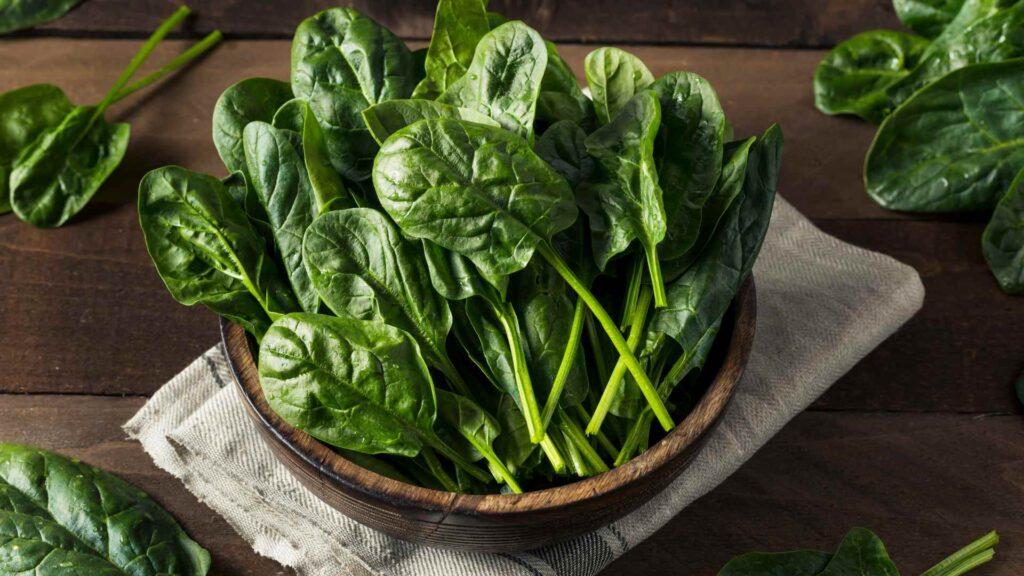
A few bites of washed, unseasoned spinach are generally a low-risk treat for a healthy adult dog. Think garnish, not green mountain: spinach should be a tiny extra beside a complete and balanced food, never a replacement for it.
The simplest safe version is fresh spinach that has been washed and chopped, or lightly steamed spinach served after it cools. Skip butter, oil, cheese sauce, cream, salt, garlic, onion, spice blends, and anything labeled “spinach dip,” because the company spinach keeps can be much more troublesome than the leaf itself.
If your dog has urinary stones, kidney or urinary disease, another chronic illness, or a therapeutic diet, ask the veterinarian who knows that history before experimenting. That advice matters more than any one-size-fits-all serving suggestion online.
Why oxalates deserve context, not panic
Spinach contains soluble oxalates, naturally occurring compounds that can bind minerals such as calcium. This fact often gets inflated into the claim that spinach is automatically “toxic to the kidneys,” but that is not a fair description of an occasional small serving for a healthy dog.
Calcium oxalate urinary stones are a real veterinary problem, yet they are not explained by one vegetable alone. The Merck Veterinary Manual’s overview of canine urolithiasis describes a mix of genetic, metabolic, urinary, and dietary factors, with certain breeds and individual dogs carrying greater risk.
That distinction is useful at snack time. A healthy Labrador stealing one baby spinach leaf is in a very different situation from a dog with recurring calcium oxalate stones being fed spinach daily.
For dogs with a stone history, the treatment diet and water-intake plan are carefully chosen to influence urine chemistry and reduce recurrence risk. Adding a high-oxalate extra can work against that plan, so the right answer comes from the treating veterinarian rather than a generic “safe foods” list.
The same caution applies to kidney disease, where nutrient needs vary by diagnosis and stage. Spinach does not cleanse kidneys, cure disease, treat anemia, or provide a shortcut around veterinary care.
Does a dog need spinach for nutrition?
No. Spinach contains fiber and several vitamins and minerals, but a dog eating a complete and balanced commercial food should already receive the nutrients needed in appropriate amounts and proportions.
More of a nutrient is not always better, and a single ingredient is not a health treatment. The Merck Veterinary Manual’s nutrition guidance emphasizes that needs depend on life stage and that excesses or imbalances can matter, which is why treats belong on the sidelines.
If your dog likes leafy textures, spinach can provide novelty without many calories when served plainly. A dog who turns up a dignified nose is not missing a dietary requirement, and there is no reason to disguise spinach in cheese or butter to win the argument.
How to prepare spinach safely
1. Start with fresh, sound leaves
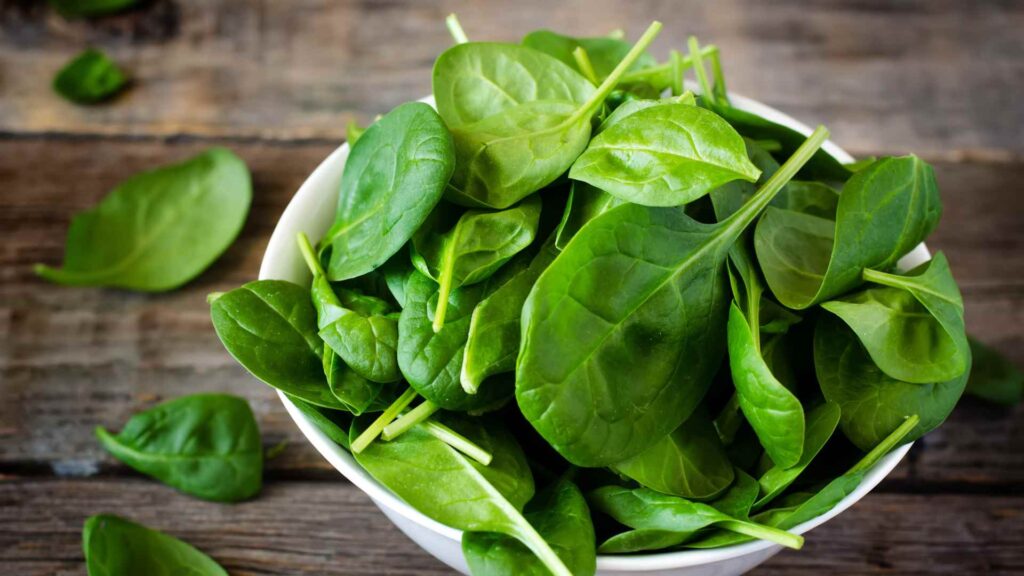
Discard slimy, badly wilted, or moldy leaves. Wash fresh spinach thoroughly under running water to remove soil and reduce surface contamination, even if the package says it was prewashed.
2. Keep it plain
Plain raw or gently steamed spinach is the practical choice. Do not add garlic or onion, both of which can damage red blood cells in dogs; the FDA’s pet hazard guide lists these allium ingredients among foods that can harm pets.
Rich additions create separate problems. Creamed spinach, cheesy casseroles, buttery leftovers, and restaurant sides may deliver enough fat or salt to trigger stomach upset, and very fatty food is an especially poor gamble for dogs with pancreatitis or a history of it.
3. Chop it before serving
Leaves can be stringy, especially when cooked, so chop them into small pieces that suit your dog’s mouth. Chopping also makes it easier to mix a modest amount into regular food instead of offering a slippery wad that may be gulped.
4. Offer a tiny taste first
Begin with a bite or two, then wait and watch for vomiting, loose stool, excess gas, itching, or any other unusual response. Individual tolerance varies, and starting small is kinder than discovering the limit after the bowl is empty.
How much spinach can a dog have?
There is no medically meaningful spinach dose table that fits every dog. Body size matters, but so do calorie needs, digestive tolerance, health history, the rest of the diet, and whether other treats are arriving that day.
Use a taste-sized portion rather than a bowlful: one or two small chopped leaves for a little dog, or a few chopped leaves for a larger dog, is a conservative starting point. This is practical guidance for an occasional treat, not a therapeutic dose or a daily target.
The World Small Animal Veterinary Association treat guide recommends keeping treats below 10 percent of daily calories so the main diet stays nutritionally balanced. Spinach itself is light, but the rule covers all extras combined, including training treats, dental chews, table scraps, and the mysterious bites supplied by generous family members.
Spinach does not need to become a routine just because the first taste went well. Rotating small, dog-safe extras can provide variety, and vegetables such as plain green beans or crisp lettuce may be easier choices for some dogs.
Raw, cooked, frozen, or canned?
Raw spinach: A washed, finely chopped leaf is acceptable for many healthy dogs, though larger raw leaves can be awkward to chew. Raw spinach is also bulky and may cause gas or loose stool if a dog eats a substantial amount.
Steamed spinach: Light steaming softens the leaves and can make chopping easier. Let it cool completely, drain excess water, and serve without seasoning or cooking fat.
Frozen spinach: Plain frozen spinach can work after it is cooked according to the package, cooled, drained, and checked for additives. Avoid frozen creamed spinach and prepared blends, which commonly include dairy, salt, onion, garlic, or sauces.
Canned spinach: It is often high in sodium and may contain seasonings, so it is not the best treat. A no-salt-added product with a simple ingredient list is less concerning, but fresh or plain frozen spinach gives you more control.
Spinach powder and supplements: Concentrated products are not interchangeable with a few leaves. Do not add a powder, extract, or human multivitamin to a dog’s diet unless the veterinarian has recommended that exact product and amount.
Spinach dishes dogs should skip
Spinach artichoke dip, spanakopita, quiche, pizza, pasta sauce, and creamed spinach are human dishes, not sensible dog treats. Their recipes can contain garlic, onion, heavy dairy, lots of fat, salt, pastry, or other ingredients that change the risk calculation.
A tiny lick of a mild dish may cause nothing more than regretful breath, but check the ingredient list before deciding what to do. Onion and garlic can appear as powders, and concentrated powders still count.
Green smoothies deserve the same ingredient-by-ingredient check. Grapes, raisins, xylitol or “birch sugar,” chocolate, caffeine, macadamia nuts, and certain supplements can turn a spinach-containing drink into an emergency.
Which dogs need extra caution?
Dogs with calcium oxalate stones or urinary disease: Treats can affect a carefully managed diet, so get individual veterinary approval. Do not assume that boiling spinach makes it compatible with a stone-prevention plan.
Dogs with kidney disease: Nutrient and mineral goals differ from one patient to another. Follow the veterinary diet plan and ask before adding any recurring extra, including foods that seem wholesome.
Dogs with sensitive stomachs: Spinach fiber can cause gas, vomiting, or diarrhea when introduced quickly or eaten in excess. A single tiny taste and a quiet observation period are more useful than a brave first helping.
Puppies and very small dogs: Their calorie budgets and mouths are small, so portions and pieces should be small too. Growing puppies do best when extras do not crowd out food formulated for growth.
Dogs on prescription diets or medication: Ask the prescribing veterinarian whether spinach fits. The concern may be the underlying disease, altered nutrient targets, or simply the need to keep the diet consistent.
What if your dog ate a lot of spinach?
First, identify what was eaten, how much, when, and whether it was plain spinach or a prepared dish. Save the package or recipe, and check for onion, garlic, xylitol, grapes or raisins, excessive fat, and any nonfood packaging that may also be missing.
Call your veterinarian or an animal poison service promptly if the dish included a known hazard, the amount was large, your dog has kidney or urinary disease, or any symptom develops. Do not induce vomiting or give hydrogen peroxide, salt, milk, oil, or another home remedy unless a veterinary professional specifically directs you.
Watch for repeated vomiting, persistent diarrhea, marked lethargy, weakness, abdominal pain, tremors, difficulty breathing, pale gums, trouble urinating, or collapse. Those signs warrant urgent veterinary assessment rather than home monitoring.
If a healthy dog ate a modest handful of plain leaves and remains comfortable, mild digestive upset is the most likely practical concern. Offer access to fresh water, pause new treats, and contact the clinic if symptoms appear or you are uncertain about the amount.
Better ways to serve vegetables
Use vegetables as small rewards, food toppers, or bits tucked into a puzzle toy, not as a home-designed nutrition program. Plain broccoli and cauliflower also need small portions because too much can make a dog impressively gassy.
If you are comparing leafy options, read the separate guide to cabbage for dogs. Each food has its own preparation quirks, while the durable rules stay wonderfully boring: plain, bite-size, occasional, and counted with all the other treats.
Frequently asked questions
Can dogs eat baby spinach?
Yes, a healthy dog can generally have a few washed, plain baby spinach leaves. Chop them for small dogs and use the same caution for kidney disease, urinary stones, therapeutic diets, and sensitive stomachs.
Does cooking remove all the oxalate?
No cooking method should be treated as a magic switch that makes spinach oxalate-free. Steaming can soften leaves for easier serving, but a dog on a stone-prevention or kidney diet still needs individualized veterinary advice.
Can dogs eat spinach every day?
There is rarely a reason to make it daily, and regular extras can quietly displace balanced food. If you want spinach to be a frequent topper, ask your veterinarian to consider the dog’s complete diet, health history, calorie needs, and urinary risk.
The bottom line
For a healthy dog, a small amount of washed, chopped, plain spinach is usually fine as an occasional treat. Keep portions modest, avoid rich or allium-seasoned dishes, and let a complete and balanced dog food do the nutritional heavy lifting.
For a dog with kidney disease, calcium oxalate stones, urinary problems, or a prescription diet, pause and ask the treating veterinarian first. That is not spinach being villainous; it is good dietary care being specific.