Can Dogs Eat Bell Peppers? Colors, Prep, and Safety
Yes, dogs can eat plain bell pepper flesh in small portions. Red, yellow, orange, and green bell peppers are all reasonable occasional treats for most healthy dogs, but remove the stem, core, and seeds, cut the flesh into easy-to-chew pieces, and keep spicy peppers and seasoned pepper dishes off the menu.
The simple answer, color by color
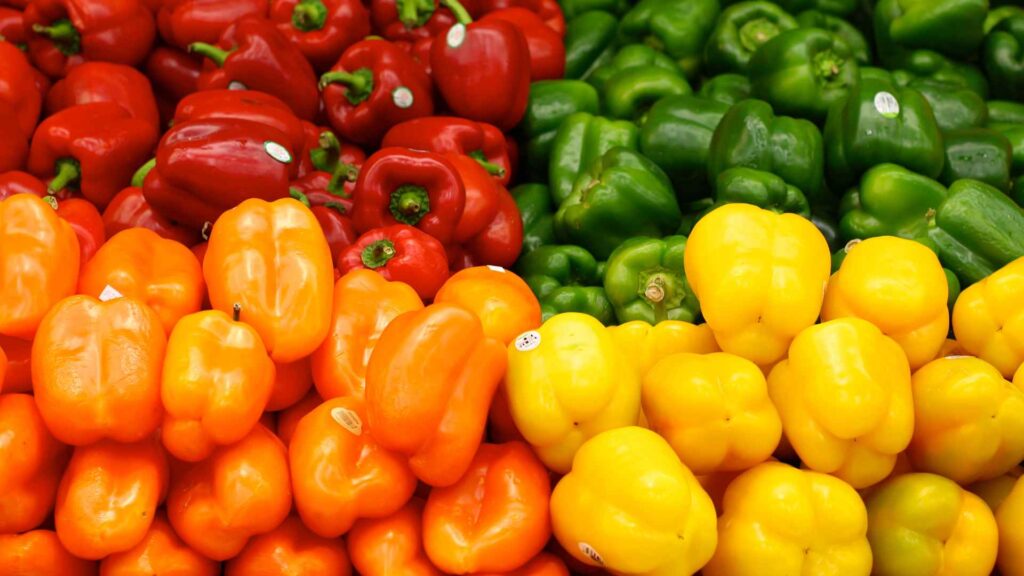
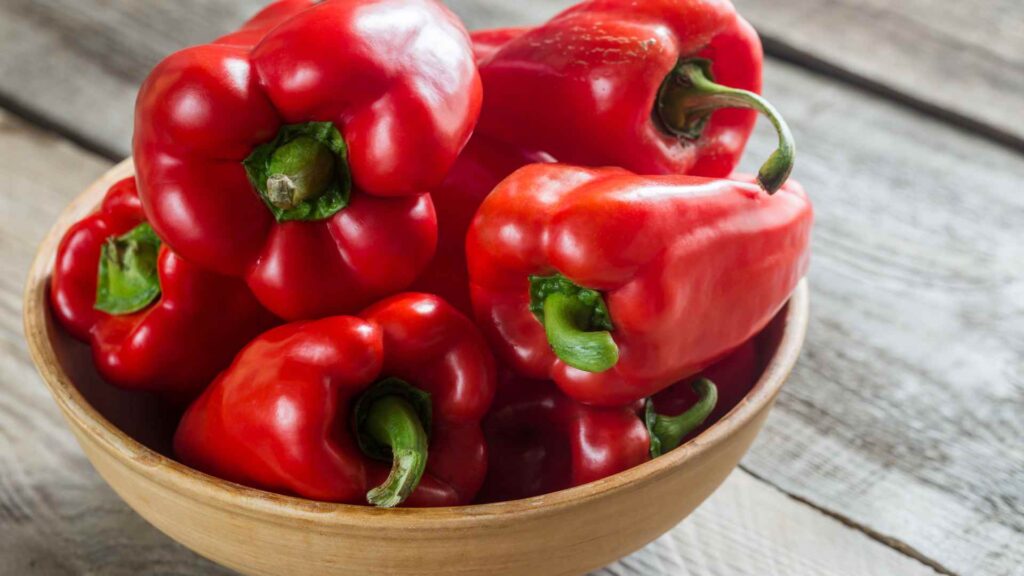
All common sweet bell pepper colors come from the same general type of mild pepper and are not poisonous to dogs. Green peppers are harvested earlier and taste more bitter, while red, yellow, and orange peppers are riper and usually sweeter.
Color does not need to decide the snack. Choose a fresh pepper your dog enjoys, serve only a little plain flesh, and count it with the day’s other treats.
The word “pepper” causes avoidable confusion, so check exactly what is in your hand. Sweet bell peppers are different from jalapeños, serranos, habaneros, and other hot peppers that contain capsaicin and can cause pain, drooling, vomiting, or diarrhea.
What parts should you remove?
Serve the colorful outer flesh and remove the woody stem, tough core, and seed cluster. Bell pepper seeds are not known as a dog poison, but they add no benefit and can be irritating, messy, or easy for an enthusiastic gulper to inhale with a larger piece.
The stem is fibrous and difficult to chew, and a large chunk of core can become a choking or gastrointestinal foreign-body concern. The Merck Veterinary Manual’s obstruction overview explains that swallowed material can lodge in the digestive tract and may require urgent treatment.
A whole pepper is also the wrong shape for a dog snack, especially for a small dog or a pet who swallows before chewing. Cut the cleaned flesh into pieces comfortably smaller than the dog’s usual treats, and supervise while it is eaten.
Bell peppers are a treat, not a vitamin plan
Bell peppers contain fiber and nutrients, including vitamin C and carotenoids, but that does not make them a required supplement. Healthy dogs make vitamin C in their bodies, and a complete and balanced dog food is designed to supply essential nutrients in suitable amounts.
It is easy to turn a colorful ingredient into a sweeping wellness promise, but the honest benefit here is simpler. Bell pepper can be a crunchy, low-calorie bit of variety for a dog who likes it.
It will not detox a dog, boost immunity on command, treat inflammation, prevent cancer, or correct a nutritional deficiency. If your dog has a diagnosed deficiency or illness, the useful next step is a veterinary plan rather than a bigger pepper serving.
How to prepare bell pepper for a dog
1. Wash it well
Rinse the pepper under running water and rub the surface before cutting. Discard peppers that are moldy, slimy, badly damaged, or spoiled rather than trimming a suspicious spot and hoping for the best.
2. Remove the stem, core, and seeds
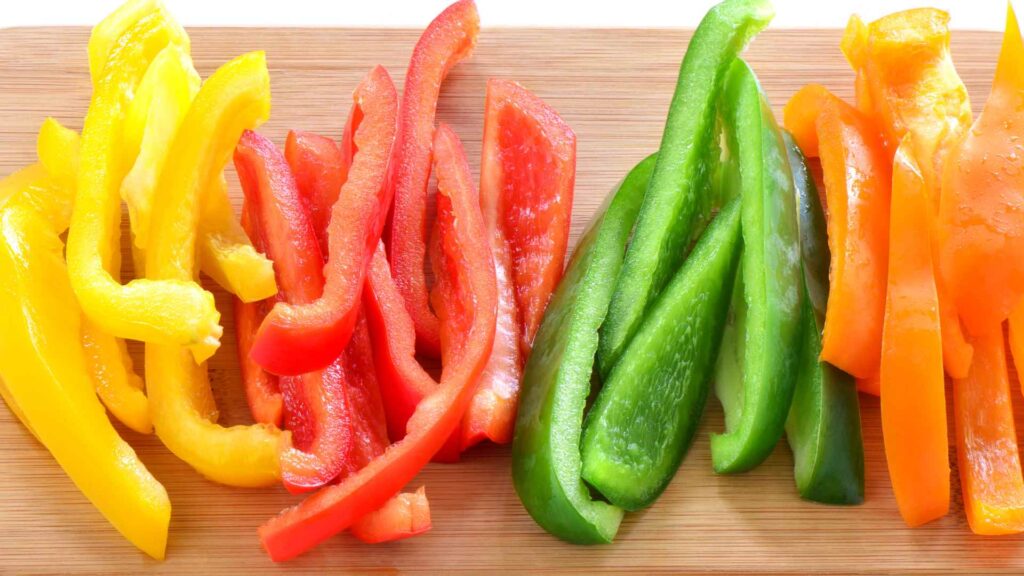
Slice the pepper open, pull out the stem and white central core, and brush away the seeds. A little soft white membrane left on the flesh is not an emergency, but removing the tougher structure produces a cleaner, easier-to-chew treat.
3. Cut for the dog in front of you
Dice it finely for toy breeds, seniors with dental disease, and dogs who gulp food. A healthy larger dog may manage a thin strip, but “large dog” does not automatically mean “careful chewer.”
4. Serve raw or gently cooked
Raw pepper offers crunch, while steaming or roasting without oil softens the skin for dogs who find it tough. Let cooked pieces cool before serving, and never hand over a pepper straight from a hot pan.
5. Offer the first piece slowly
Give one small bite and wait to see how your dog handles it. Stop if vomiting, diarrhea, painful gas, itching, facial swelling, or another unusual sign appears, and contact a veterinarian promptly for swelling or breathing trouble.
How much bell pepper is sensible?
There is no research-based serving chart that turns pepper slices into a prescription for every dog size. A few small pieces are enough for a trial, and even a large dog does not need half a pepper to enjoy the taste.
Keep all treats together below about 10 percent of daily calories, as recommended in the World Small Animal Veterinary Association’s treat guide. The remaining calories should come from a complete and balanced diet appropriate for the dog’s life stage and health.
Bell pepper is not calorie-dense, but too much fiber and unfamiliar plant material can still cause gas or loose stool. The 10 percent limit is a ceiling for all extras, not a reason to fill the entire allowance with vegetables.
Dogs on weight-loss plans, prescription diets, or tightly controlled feeding trials need more specific advice. Ask the treating veterinarian whether pepper is permitted and how it should be counted, since even a low-calorie extra can disrupt an elimination diet.
Plain peppers versus prepared dishes
A raw strip from the cutting board is not nutritionally equivalent to a pepper from fajitas, pizza, stir-fry, stuffed peppers, salsa, sausage, or a jar of antipasto. Prepared dishes often bring salt, oil, cheese, fatty meat, hot spices, onion, and garlic along for the ride.
Onion and garlic can damage canine red blood cells, whether fresh, cooked, or powdered. The FDA’s guide to potentially dangerous pet items identifies these allium foods as hazards and also explains why ingredient-level checking matters.
Fatty dishes can trigger vomiting or diarrhea and may contribute to pancreatitis in susceptible dogs. Very salty foods are another poor choice, particularly for dogs with certain heart, kidney, or blood-pressure concerns.
Jarred roasted peppers may be packed in salt-heavy brine, oil, garlic, or vinegar. If the ingredient list is not simply pepper and perhaps water, save it for the human plate.
What about spicy peppers?
Do not intentionally feed chili peppers to a dog. Capsaicin creates the burning sensation in hot peppers and can irritate a dog’s mouth and digestive tract, causing drooling, pawing at the face, vomiting, abdominal discomfort, or diarrhea.
A lick of mild salsa and a swallowed habanero are not the same exposure. If your dog eats a hot pepper, note the variety and amount, prevent more access, offer fresh water, and call the veterinarian if symptoms are more than mild or do not settle.
Do not force milk, oil, bread, salt, or another internet remedy. Dairy can add digestive trouble, oil can add a large fat load, and inducing vomiting at home can cause complications.
Special situations that change the answer
Sensitive stomachs: Raw pepper skin and fiber can be a lot for some dogs. Try a tiny peeled or softly cooked piece, or choose a familiar treat if the dog already struggles with recurring gastrointestinal signs.
Dental disease: A crunchy strip may hurt a dog with a broken tooth, sore mouth, or advanced dental disease. Soft cooked dice are easier, but mouth pain itself deserves veterinary attention.
Puppies: Puppies can sample a tiny plain piece once they handle solid food, but extras should not displace a growth diet. Small, soft pieces and close supervision matter more than creating an adventurous snack résumé.
Food-allergy trials: Do not add bell pepper unless the veterinarian supervising the trial approves it. One “harmless” bite can muddy the results and extend weeks of careful work.
Chronic disease: Dogs with pancreatitis, diabetes, kidney disease, heart disease, or other ongoing conditions need advice that fits their whole diet. Plain pepper may be acceptable in some cases, but the diagnosis and treatment plan get the deciding vote.
If your dog raided the peppers
Count what is missing and identify whether the dog ate plain sweet pepper, a spicy variety, a stem and core, or a seasoned dish. Check for missing skewers, plastic wrap, foil, toothpicks, or packaging too, because the nonfood item can be the most urgent part of the story.
Call your veterinarian promptly for choking, repeated retching, repeated vomiting, a swollen or painful abdomen, unusual weakness, trouble breathing, collapse, or an inability to keep water down. A swallowed large core or stem also merits a call, especially in a small dog.
If a healthy dog ate several pieces of plain bell pepper and is acting normally, monitor for gas, vomiting, or diarrhea and keep fresh water available. Skip further treats while the stomach settles, and seek advice if signs persist, worsen, or involve a very young, elderly, or medically fragile dog.
If the food contained onion, garlic, xylitol, grapes or raisins, or another recognized hazard, contact a veterinarian or animal poison service rather than waiting for symptoms. Keep the package and the dog’s approximate weight handy so the professional can assess the actual exposure.
Easy serving ideas
Use one or two tiny dice as training rewards, scatter a few pieces in a snuffle mat, or tuck them into a food puzzle that your dog already uses safely. For a soft topper, steam a little pepper, cool it, and mix a spoonful of finely chopped flesh through the regular meal.
For more crunchy options, compare the preparation notes for cucumbers, carrots, and zucchini. Rotate only foods your dog tolerates, and introduce one new item at a time so a stomach reaction has an obvious suspect.
Do not assume every ingredient in the produce drawer follows the same rules. Tomatoes require their own plant-part precautions, while onions are unsafe for dogs rather than another colorful topper.
Frequently asked questions
Can dogs eat red bell peppers?
Yes, the plain flesh of a red bell pepper is suitable for most healthy dogs in small amounts. Remove the stem, core, and seeds, then cut the flesh into bite-size pieces.
Can dogs eat green bell peppers?
Yes, green bell peppers are also nonspicy and can be served the same way. Their slightly bitter flavor may receive a less enthusiastic review from the dog, which is a preference issue rather than a safety problem.
Can dogs eat cooked peppers?
Plain steamed or roasted bell pepper is fine after it cools, and softening can help dogs who struggle with raw skin. Avoid oil, butter, salt, onion, garlic, hot spices, and sauces.
The bottom line
Plain bell pepper flesh can be a bright, crunchy occasional treat for most healthy dogs. Wash it, remove the stem, core, and seeds, cut it to a safe size, and begin with one small piece.
The kitchen rules do the real safety work: no hot peppers, no seasoned restaurant leftovers, and no oversized pieces for a determined gulper. When health conditions or a prescription diet are involved, let the dog’s veterinarian personalize the answer.