Can Dogs Eat Walnuts? Mold, Shell, and Toxicity Risks
Dogs should not be given walnuts as treats. A tiny piece of fresh, plain English walnut is unlikely to poison most healthy dogs, but mold, black walnuts, hard shells, choking, excess fat, and seasonings make “skip it” the practical answer.
If your dog found a walnut, identify where it came from before assuming it was pantry-safe. A fresh shelled baking walnut and a damp nut picked up beneath a tree are very different exposures.
Why the type and condition of the walnut matter
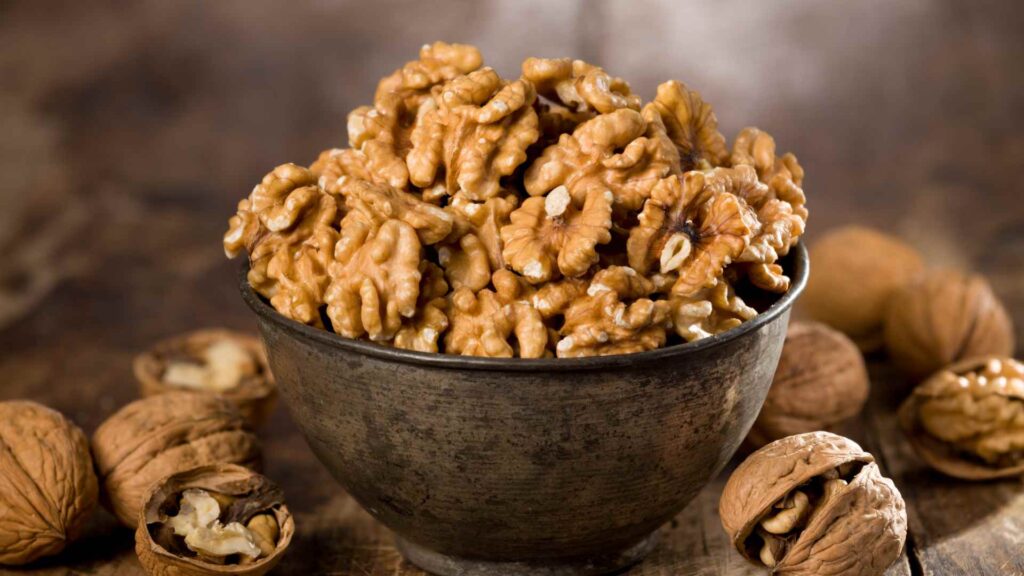
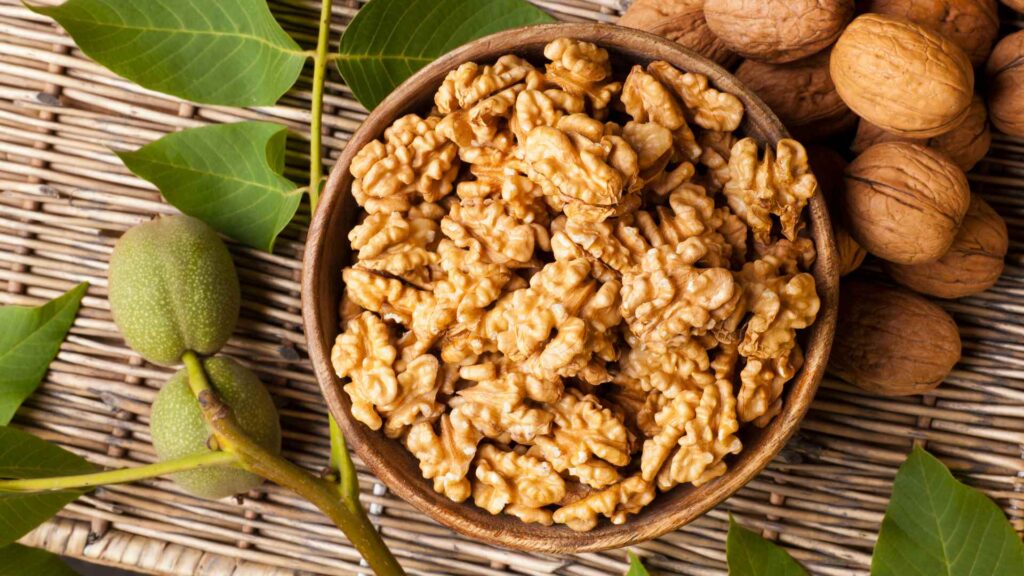
“Walnut” covers several species and an enormous range of conditions, from packaged English walnut pieces to black walnuts, shells, hulls, and old nuts hidden outdoors. A useful assessment asks what the dog swallowed, whether mold was possible, how much disappeared, and whether the dog is already symptomatic.
- Fresh shelled English walnut: Not a good treat, but a tiny plain piece is usually lower concern than the situations below.
- Black walnut: Avoid and call for veterinary advice, particularly after outdoor ingestion.
- Moldy or unknown walnut: Treat as urgent because tremorgenic mycotoxins may cause neurologic signs.
- Whole nut, shell, or hull: Raises choking, dental injury, and gastrointestinal obstruction concerns.
- Seasoned or coated walnut: Requires a label check for salt, chocolate, xylitol, garlic, onion, alcohol, and other hazards.
The most serious risk is mold, not “healthy fat”
Some molds produce tremorgenic mycotoxins, substances that overstimulate the nervous system. The Merck Veterinary Manual specifically identifies moldy walnuts and other moldy foods as possible sources.
Signs may begin within hours and can include vomiting, drooling, agitation, sensitivity to sound or touch, wobbliness, muscle tremors, an elevated body temperature, and seizures. A dog showing any of these signs needs emergency veterinary care, not home observation.
You cannot reliably clear a walnut by wiping off visible fuzz, and dangerous contamination is not always obvious. Discard old, damp, discolored, musty, or outdoor nuts where pets cannot retrieve them.
The ASPCA warns that moldy nuts, fallen fruit, garbage, and compost can expose dogs to fungal neurotoxins. A dog seen eating moldy material should prompt an immediate call even before symptoms appear.
Black walnuts deserve their own caution
Black walnuts often become a yard hazard after falling from trees, where moisture and damaged hulls make the exposure hard to characterize. The ASPCA classifies black walnut as toxic to dogs and notes tremors and seizures with moldy nuts or hulls.
Do not spend precious time trying to identify the tree from a phone photo while a dog develops signs. Bag a sample safely, keep it away from other pets, and call the veterinarian or animal poison control.
Make the yard less interesting than the nut
Rake fallen nuts and hulls frequently during the drop season, paying special attention after rain when damp organic material begins to decay. Use a lidded outdoor container instead of an open bucket that simply moves the snack bar closer to nose height.
Fence off the area beneath a productive tree if cleanup cannot keep pace, and supervise dogs that scavenge or swallow objects. A basket muzzle conditioned with professional guidance can add protection for determined foragers without replacing training or yard maintenance.
Check mulch, wood chips, compost, and squirrel caches around sheds and fences, since the obvious tree is not the only source. Do not use walnut shells as decorative mulch in a pet-accessible area.
Teach a reliable “leave it” and trade found objects for a safe reward rather than chasing the dog. Chasing can turn a walnut into a prize that must be swallowed before the human catches up.
Why the clinic may recommend observation or tests
The veterinarian’s recommendation depends on the nut source, possible mold, time since ingestion, dog size, symptoms, and whether a shell or hull was swallowed. They may advise monitored observation, examination, decontamination, imaging, temperature checks, blood work, or treatment for tremors and seizures.
That range is not inconsistency, because a fresh shelled crumb and a moldy black walnut are different clinical problems. Calling early gives the team more options and avoids waiting until neurologic signs or obstruction make the decision urgent.
Shells and whole walnuts can block the gut
A walnut shell is hard, angular, and poorly digestible, while an intact nut may be large enough to lodge in the throat or digestive tract. Risk depends on the piece, dog, and location, so there is no honest “it will definitely pass” promise.
- Gagging, coughing, frantic pawing at the mouth, or difficulty breathing can signal choking.
- Repeated vomiting, appetite loss, lethargy, abdominal pain, or a swollen belly can occur with obstruction.
- Straining or producing little stool does not prove where an object is located.
- Sharp shell fragments may injure the mouth or gastrointestinal lining.
Call promptly after a shell or whole-nut ingestion, especially for a puppy, small dog, enthusiastic gulper, or dog with previous gastrointestinal surgery. Do not feed bread, pumpkin, oil, or another bulky food in an attempt to “push it through.”
Fat, calories, and pancreatitis
Walnuts pack a large amount of fat and energy into a small handful. One crumb does not guarantee pancreatitis, but a rich food raid can cause vomiting or diarrhea and is a poor gamble for dogs that need low-fat food.
The Merck Veterinary Manual describes dietary indiscretion and large amounts of table scraps as suspected pancreatitis risk factors. Dogs with prior pancreatitis, high blood triglycerides, obesity, diabetes, or a prescribed low-fat diet should not be offered walnuts.
Pancreatitis can cause appetite loss, vomiting, lethargy, diarrhea, dehydration, and abdominal pain, but symptoms overlap with many other illnesses. Veterinary examination and testing are needed rather than a diagnosis made from a pantry raid alone.
Coated walnuts can hide a second emergency
Chocolate walnuts, candied nuts, trail mix, baked goods, spiced nuts, and salad toppings are recipes, not single ingredients. Chocolate, raisins, macadamia nuts, xylitol, alcohol, onion, garlic, and excess salt all change the response.
Check the complete package and the foods mixed into the bowl. Our guides to chocolate and macadamia nuts explain two common trail-mix emergencies, but a mixed exposure should be assessed as one event.
What to do if your dog ate a walnut
- Remove access. Keep the dog away from the tree, compost, bowl, package, and remaining nuts.
- Identify the exposure. Note walnut type if known, freshness, mold, shell or hull, coating, and other ingredients.
- Estimate amount and time. Save a sample or label and record the dog’s weight and medical conditions.
- Call for anything beyond a tiny fresh shelled crumb. Mold, black walnut, shell, a whole nut, mixed recipes, or symptoms deserve prompt professional advice.
- Follow the monitoring plan. Watch digestion, coordination, temperature, behavior, appetite, and comfort for the period the veterinarian recommends.
Do not induce vomiting, give hydrogen peroxide, or administer human medicine unless a veterinary professional directs you. A neurologic toxin and a hard foreign body create different risks, so one home protocol cannot safely cover both.
Go now for these signs
Seek emergency care for tremors, seizures, wobbliness, collapse, extreme agitation, repeated vomiting, difficulty breathing, a painful or swollen abdomen, or inability to keep water down. Bring the nut, package, vomited material if safely collected, and details about the yard or compost source.
Safer rewards with less baggage
Dogs do not need nuts to obtain protein, fat, vitamins, or minerals when they eat a complete food. A piece of regular kibble, a sliver of carrot, or a veterinarian-approved commercial treat is easier to assess and much harder to confuse with a moldy yard find.
If you are comparing nuts, read the dedicated guides to nuts in general, pecans, and almonds. “Not classically toxic” still does not erase choking, fat, seasoning, and calorie concerns.
The World Small Animal Veterinary Association recommends keeping all treats within 10% of daily calories. Walnuts are a particularly inefficient use of that small budget.
Store baking walnuts in a sealed labeled container and follow the package’s temperature guidance, since high-fat nuts can become rancid and mold can develop under poor conditions. Never dump questionable pantry nuts into compost or a backyard pile that the dog can raid later.
When discarding them, use a closed trash container and wipe up crumbs beneath shelves. Prevention is wonderfully boring, which is exactly what you want from a walnut safety strategy.
Frequently asked questions
Can dogs eat English walnuts?
A tiny fresh shelled piece is unlikely to poison most healthy dogs, but intentional feeding is not worth the fat, choking, and mold uncertainty. Choose a simpler treat.
Can dogs eat cooked walnuts?
Cooking does not remove the calorie, fat, shell, or seasoning concerns, and it is not a reliable fix for mycotoxins. Assess the whole recipe rather than the cooking method.
Can puppies eat walnuts?
No useful benefit justifies offering them to a puppy. Small body size and eager gulping make shells, whole nuts, and rich foods even less appealing.
Are walnut leaves safe?
Do not encourage chewing any part of a walnut tree or eating fallen yard debris. Contact the veterinarian after ingestion because species, contamination, pesticides, and swallowed plant material all matter.
The bottom line
Walnuts are not a sensible dog treat, and outdoor, black, moldy, whole, or shelled nuts can create urgent problems. Identify the source, save a sample, call promptly when the exposure is uncertain, and treat tremors, seizures, choking, repeated vomiting, or abdominal pain as emergencies.