Can Dogs Eat Cranberries? Safe Forms and the UTI Reality
Dogs can eat a few plain cranberries, but the fruit is an optional tart treat, not a urinary-tract treatment. Fresh or unsweetened frozen berries are the simplest choice, while dried fruit, juice, sauce, supplements, and holiday recipes each need a separate ingredient and medical check.
First, separate the berry from the health claim
A plain cranberry is generally not toxic to dogs, and a small serving may be tolerated by a healthy adult. The more important questions are whether your dog likes the tart flavor, whether the product is truly plain, and whether you are hoping the fruit will solve a medical problem.
The American Kennel Club’s veterinarian-informed cranberry guide also distinguishes small servings of plain fruit from cranberry sauce, dried-fruit mixes, juice blends, and urinary-health claims. That distinction prevents one simple “yes” from being stretched across very different products.
- Usually simplest: washed fresh berries or plain frozen berries, chopped or mashed as needed.
- Check carefully: dried cranberries, sauce, juice, baked goods, trail mix, and supplements.
- Do not rely on: cranberries to diagnose, prevent, or cure a urinary tract infection.
- Call promptly: if the product contained raisins, grapes, xylitol, alcohol, or another hazardous ingredient.
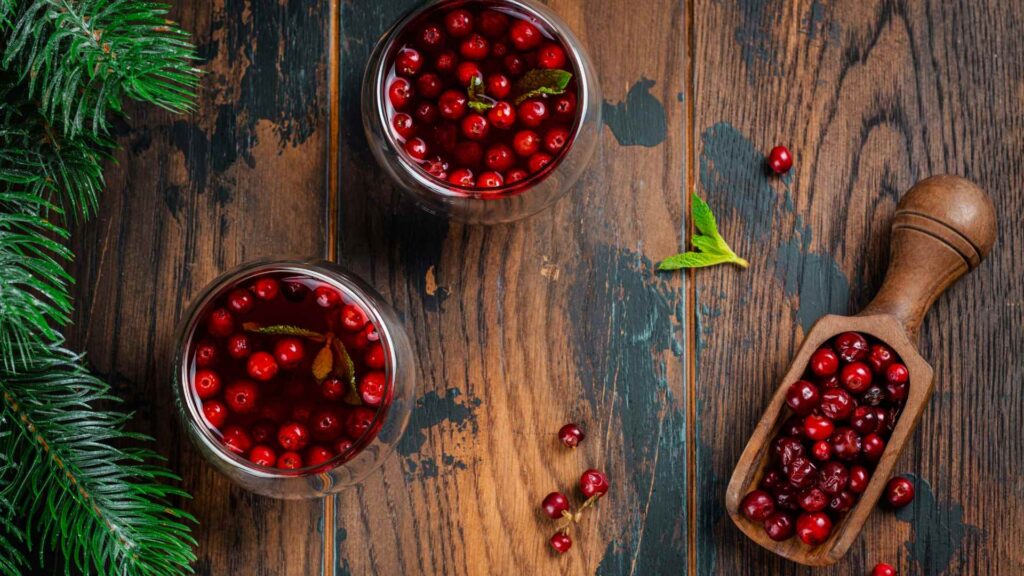
What cranberries add to the bowl
Cranberries contain carbohydrate, fiber, vitamin C, and an assortment of plant compounds, including proanthocyanidins. The fruit is low in fat, but dried and sweetened products can become much more calorie-dense.
Dogs eating a complete and balanced diet should already receive the nutrients they need, and dogs can synthesize vitamin C under ordinary conditions. A berry can provide variety, but it does not “boost immunity” in a clinically predictable way.
Fiber can alter stool quality, yet cranberries are not a dependable treatment for diarrhea or constipation. Too many tart berries may produce vomiting, gas, abdominal discomfort, or loose stool instead.
If your dog enjoys fruit, compare portion, texture, and sugar rather than chasing a “superfood” ranking. Our guides to blueberries and apples cover two other options with their own preparation rules.
Can cranberries prevent or treat a dog’s UTI?
The confident answer online is much stronger than the canine evidence. Cranberry compounds may interfere with adhesion of some bacteria under certain conditions, but that mechanism does not prove that feeding whole fruit prevents an infection in a particular dog.
The Merck Veterinary Manual states that evidence supporting cranberry extract for bacterial UTIs in animals is lacking. It also emphasizes that urinary infections and recurrences require appropriate diagnosis and investigation.
A randomized controlled clinical trial in dogs with acute spinal-cord injury did not demonstrate a benefit from oral cranberry extract, although the study had limited statistical power. That result does not prove cranberry can never help any subgroup, but it does rule out pretending the question is settled.
Whole cranberries, cranberry juice, and standardized extracts also are not interchangeable. Products vary in concentration and composition, so a study of one extract cannot be translated into a handful of berries or a splash of juice.
Urinary signs that need a veterinarian
- Frequent attempts to urinate or producing only small amounts.
- Straining, crying, or obvious discomfort while urinating.
- Blood, cloudiness, or a strong new odor in urine.
- New accidents, genital licking, fever, lethargy, vomiting, or reduced appetite.
- Inability to pass urine, which is an emergency.
These signs can result from bacterial infection, bladder stones, inflammation, anatomic problems, cancer, prostate disease, neurologic dysfunction, or other causes. Cranberry cannot tell those possibilities apart, and delaying care may allow pain or infection to worsen.
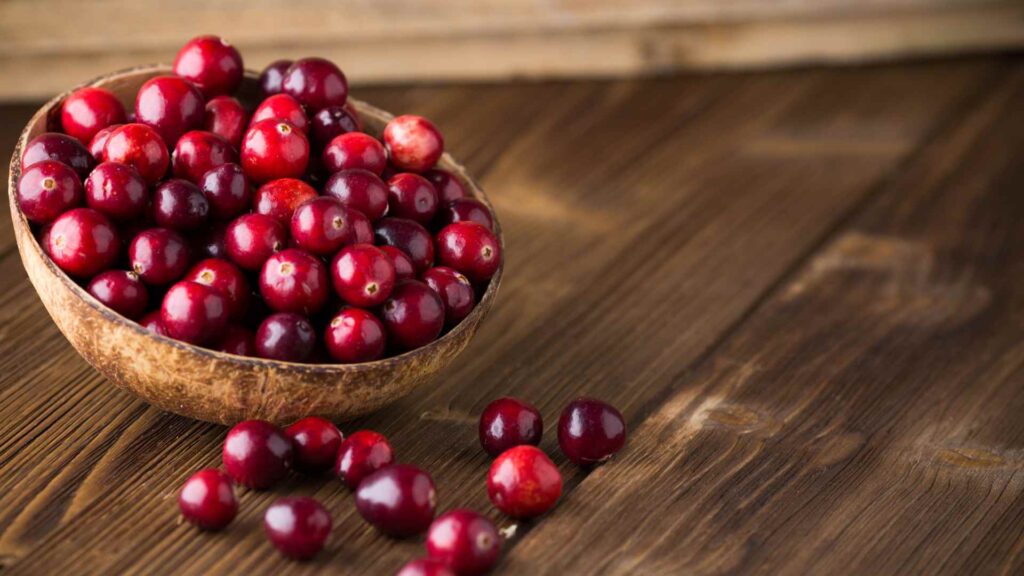
Fresh, frozen, dried, sauced, or juiced?
Fresh cranberries
Wash fresh berries under running water, discard spoiled fruit, and chop or mash them for a small dog or fast eater. Their tartness means many dogs will politely return them to the floor.
Frozen cranberries
Plain frozen berries are acceptable once cut to a safe size, but a hard whole sphere can be swallowed or challenge damaged teeth. Thawing or mashing is the gentler option for toy breeds and seniors.
Dried cranberries
Dried fruit has less water and a more concentrated calorie and sugar load, and many products are sweetened. Trail mixes may combine cranberries with raisins, chocolate, macadamia nuts, or other ingredients dogs should not eat.
Read every line of the label, because a red dried fruit is not always cranberry. If raisins or grapes were eaten, use our grape and raisin guide for context while contacting a veterinarian or animal poison-control service immediately.
Cranberry sauce
Sauce is usually high in added sugar and may contain raisins, currants, alcohol, orange peel, nuts, or sweeteners. A lick of plain conventional sauce may only cause digestive upset, but a recipe review is essential after a stolen holiday bowl.
Cranberry juice and juice cocktail
Juice is not a good routine dog drink because products may contain added sugar, grape juice, xylitol, or other sweeteners and provide no chewing or satiety. Fresh water remains the correct hydration choice.
Cranberry supplements
A supplement is a concentrated product, not a serving of fruit, and quality, active compounds, dose, and added ingredients vary. Human gummies and powders may contain xylitol or nutrients that are inappropriate at the labeled human dose.
Use a supplement only after a veterinarian defines the goal and checks it against urinary diagnosis, stone type, kidney function, diet, and medication. “Made for pets” does not substitute for evidence or product evaluation.
How much cranberry can a dog eat?
There is no universal berry count that accounts for dog size, calorie needs, medical history, product form, and the rest of the diet. Start with half of a chopped berry for a small dog or one berry for a larger dog, then wait to judge tolerance.
Those amounts are cautious introductions, not preventive UTI doses or daily prescriptions. Stop if your dog dislikes the fruit or develops vomiting, diarrhea, gas, itching, or discomfort.
All treats together should remain a small share of the dog’s daily calories, with complete and balanced food supplying the essential nutrition. Dried cranberries and sauces need even tighter portions because concentration and added sugar change the calorie equation.
Cranberries and urinary stones
Urinary stones are not one disease, and different mineral types form under different conditions. Changing urine chemistry without knowing the stone type can interfere with a carefully designed therapeutic diet or monitoring plan.
Do not add cranberries or cranberry supplements to “acidify the urine” on your own. Dogs with a history of calcium oxalate, struvite, urate, cystine, or unknown stones need individualized guidance based on testing.
A urinary prescription diet works only when fed as directed, and extra foods can alter nutrient intake or urine targets. Ask the treating veterinarian whether any cranberry product fits the plan before opening it.
Holiday hazards that happen to include cranberries
Cranberry-orange relish, stuffing, fruitcake, muffins, and glazed meat can place safe fruit beside unsafe or excessively rich ingredients. The full recipe matters more than the cranberries that happen to be visible.
- Grapes, raisins, and some currants: risk acute kidney injury in dogs.
- Xylitol: can cause rapid hypoglycemia and liver injury.
- Alcohol: can cause vomiting, incoordination, depressed breathing, coma, and other serious signs.
- Chocolate and cocoa: contain methylxanthines that dogs metabolize poorly.
- Onion and garlic: can injure red blood cells and cause anemia.
- Rich fat and sugar: may trigger substantial gastrointestinal upset and are risky for some medical conditions.
A trace of cinnamon in an otherwise dog-safe recipe is different from loose powder or essential oil, while nutmeg is a separate spice with separate risks. Our cinnamon guide helps untangle that common holiday pairing.
Dogs who need more caution
Dogs with urinary disease: Do not replace urine testing, culture, imaging, antibiotics, pain control, or prescription food with cranberries. The diagnosis determines the treatment.
Dogs with diabetes or obesity: Fresh berries may fit some plans, but dried and sweetened products can add concentrated carbohydrate and calories. Ask before making them routine.
Dogs with chronic digestive disease: Tart fruit and sudden fiber may worsen vomiting or diarrhea. Follow the existing veterinary nutrition plan.
Dogs on elimination diets: Cranberries can compromise a controlled food trial if they were not approved. Supplements may also contain flavorings or proteins not obvious on the front label.
Puppies and toy breeds: Whole berries can be an awkward size and extras have little room in a growth diet. Chop, mash, or simply choose the puppy’s regular food as a reward.
What to do after a cranberry-product raid
A healthy dog who eats a few plain fresh cranberries and acts normal can usually be monitored for digestive upset. Remove the rest, offer water, and note the amount and time.
For sauce, dried fruit, juice, supplements, baked goods, or trail mix, save the package or recipe and inspect it for raisins, grapes, xylitol, alcohol, chocolate, macadamia nuts, onion, garlic, and medications. Call immediately when any hazardous ingredient is present or the contents are uncertain.
Seek urgent veterinary care for choking, trouble breathing, collapse, seizures, repeated vomiting, inability to urinate, a painful abdomen, or profound weakness. Do not induce vomiting unless a veterinary professional gives specific instructions.
Quick cranberry questions
Can dogs drink unsweetened cranberry juice?
It offers no proven urinary advantage for most dogs and may still be acidic or blended with other juices. Water is the appropriate drink unless a veterinarian prescribes something different.
Can cranberries cure a UTI?
No, and urinary signs cannot confirm that a bacterial infection is even present. A veterinarian may need urinalysis, culture, imaging, or other testing before selecting treatment.
Are cranberries better than bananas?
Neither is universally better, and both are optional treats with different flavor, sugar, and texture. Our banana guide covers peel and portion issues.
Can dogs take human cranberry gummies?
Do not give them without veterinary approval because gummies may contain xylitol, high vitamin doses, or other active ingredients. Product labels and concentrations vary widely.
The tart but simple conclusion
A few plain cranberries can be a safe occasional treat for many dogs, but there is no need to turn snack time into urinary medicine. Choose the simplest form, keep portions small, inspect mixed products carefully, and let veterinary testing lead any decision about infection or stones.