Can Dogs Eat Persimmons? Ripe Flesh, Seeds, Skin, and Products
Many healthy dogs can eat a tiny piece of ripe persimmon flesh after the stem, leafy cap, skin, and every seed are removed. Whole fruit, hard seeds, unripe astringent flesh, large portions, dried or sweetened products, choking, obstruction, sugar, and medical diets change the answer.
The safe part is soft ripe flesh
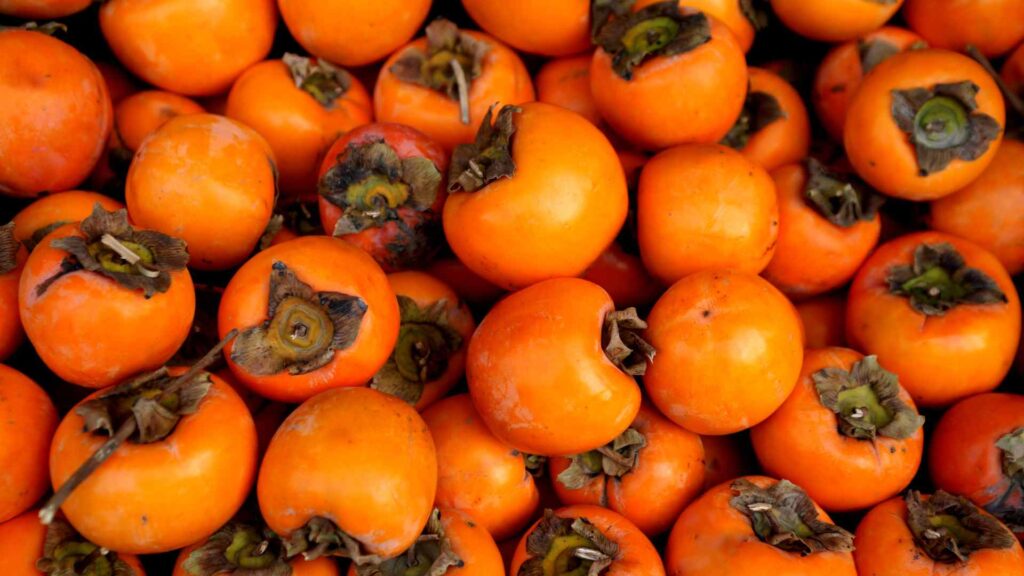
Choose a known edible persimmon that is ripe for its variety, sound, and free of mold or fermentation. Remove the calyx, stem, skin, and seeds before cutting a small piece.
Fuyu-type persimmons can be firm when ripe, while Hachiya-type fruit is strongly astringent until very soft. Variety and ripeness matter more than a generic orange color.
A dog does not need persimmon for vitamins, antioxidants, immunity, hydration, or digestion. Complete food already supplies balanced nutrients.
Seeds and whole fruit create physical risk
Persimmon seeds are hard and can be swallowed with little chewing. They are not a recommended food and may contribute to choking or gastrointestinal obstruction.
A whole persimmon also includes a tough leafy cap, stem, skin, seeds, and a large load of fruit. Dogs that gulp can swallow the package faster than they chew it.
Merck’s obstruction guide lists vomiting, appetite loss, abdominal pain, lethargy, and shock among possible signs.
Repeated retching, vomiting, swelling, pain, refusal to eat, or inability to keep water down needs prompt care. Do not push seeds through with bread, oil, pumpkin, or extra fiber.
How to prepare a first taste
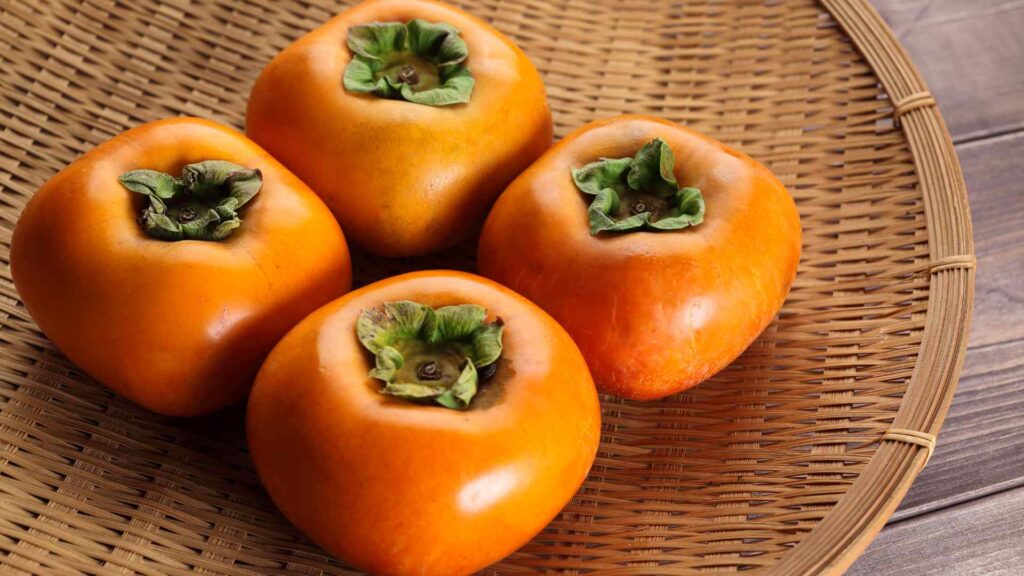
Wash your hands, rinse the fruit, and work on a clean board. Cut away the stem and leafy cap, peel the fruit, open it fully, and inspect every section for seeds.
Dice the flesh into a piece small enough for your dog to swallow comfortably. Offer it by itself so any stomach reaction is not confused with several new foods.
Start once, not every day for a week. Watch appetite, comfort, stool, and any itching or swelling before deciding whether the fruit agrees with this individual dog.
Seedless on the label still deserves checking
Some marketed persimmons are commonly seedless, but growing conditions and pollination can affect whether seeds develop. Slice the fruit rather than trusting appearance or a store sign.
A seed hidden in soft flesh can surprise a fast eater. The safest routine is inspection, not a guess about variety.
If a dog swallows a seed, call the veterinarian with the dog’s weight, seed count, and time. Whether monitoring or an examination is appropriate depends on the actual case.
Choking and obstruction are different emergencies
Choking affects the airway and may cause sudden distress, gagging, frantic pawing, or collapse. A dog unable to breathe needs immediate emergency help.
An intestinal obstruction may develop later as swallowed material travels through the digestive tract. Early signs can be vague, so repeated vomiting or worsening abdominal discomfort should not be dismissed as too much fruit.
Small dogs, dogs with previous intestinal surgery, and dogs known to swallow objects deserve a lower threshold for advice. An intact seed that passes one dog may not pass another.
Orchards, yards, and fallen fruit
A tree can turn one stolen snack into repeated exposure. Pick up fallen fruit and block access during harvest, especially when seeds, stems, or spoiled fruit are scattered underfoot.
Do not let a dog drink from buckets used to collect or wash fruit. Residues, fermentation, insects, cleaning products, and standing water add risks unrelated to persimmon flesh.
Compost deserves the same barrier as the tree. A persimmon mixed with corn cobs, pits, bones, moldy scraps, or packaging becomes a garbage raid, not a fruit question.
Frozen fruit and smoothies
A small thawed piece of prepared flesh is easier to chew than a large frozen chunk. Hard frozen fruit can be gulped and can be unfriendly to damaged teeth.
A smoothie may contain grapes, raisins, chocolate, coffee, xylitol, protein powders, supplements, or high-fat dairy. Check every ingredient and do not judge it by the persimmon alone.
Commercial puree, baby food, and fruit pouches also require a complete label review. The absence of visible seeds does not guarantee the product is suitable for a dog.
When fruit is not the main concern
A ripped produce bag, missing absorbent pad, broken skewer, or swallowed sticker changes the call. Tell the clinic about missing nonfood material even when the fruit amount seems small.
Fruit served in a cocktail raises alcohol concerns, while chocolate-dipped fruit raises chocolate concerns. Sugar-free glaze or jam requires an immediate sweetener check for xylitol.
If the product contains grapes or raisins, contact a veterinarian or animal poison service promptly. Do not wait for symptoms or treat it as ordinary mixed fruit.
Special health situations
A dog on an elimination trial should not receive persimmon unless the supervising veterinarian included it. One bite can muddy the interpretation of a carefully controlled food trial.
Dogs with diabetes need reliable calorie and carbohydrate planning. Sweet fruit added casually can interfere with that plan even when the fruit is not inherently poisonous.
Dogs with kidney, liver, pancreatic, or gastrointestinal disease may have individualized limits on fat, fiber, minerals, or calories. The prescription diet takes priority over novelty.
Dental pain and swallowing disorders make texture more important. A soft fruit can still be gulped, and sticky dried pieces can be awkward to manage.
Monitoring a minor flesh exposure
For one tiny prepared piece in a comfortable healthy dog, monitor without adding rich foods or remedies. Keep regular water available and feed the normal complete meal schedule.
Write down the time and what was eaten so details do not blur if symptoms appear. A clear timeline helps the veterinary team make a more useful recommendation.
Mild loose stool that resolves is not proof the fruit improved digestion. It is evidence that the extra food affected the gut, and future servings should be reconsidered.
Unripe and astringent fruit
Astringent persimmons contain high levels of soluble tannins before ripening, creating a dry puckering sensation. That is a reason to avoid unripe fruit rather than a home treatment target.
A dog that bites unripe fruit may drool, paw at the mouth, refuse food, vomit, or develop diarrhea. Large or symptomatic exposures deserve a veterinary call.
Do not attempt to ripen fruit quickly with alcohol or household chemicals where a dog can reach it. Spoiled or fermented fallen fruit introduces separate risks.
Skin, stem, and garden access
Washed skin is not known as a classic canine poison, but it is tougher and less predictable to chew than peeled flesh. Removing it makes portioning simpler.
The woody stem and leafy calyx are not treats. Fallen fruit beneath a tree may also bring insects, pesticides, fertilizer, mulch, mold, and repeated seed exposure.
FDA produce guidance recommends rinsing fruit under running water and preventing cross-contamination from raw animal foods. Do not use soap or bleach.
Sugar, fiber, and portions
Ripe persimmon is sweet and fiber-rich, so a large amount can cause gas, loose stool, vomiting, or unwanted calories. More fiber is not automatically better.
The WSAVA treat guide recommends keeping extras below 10 percent of daily calories. One tiny cut piece is enough for a first taste.
There is no evidence-based persimmon-per-pound chart. Fruit size, seed count, calories, dog health, and complete diet vary.
Dogs with diabetes, obesity, intestinal disease, swallowing trouble, or prescription diets need personalized advice. Puppies need room for complete growth nutrition.
Dried, canned, and baked persimmon
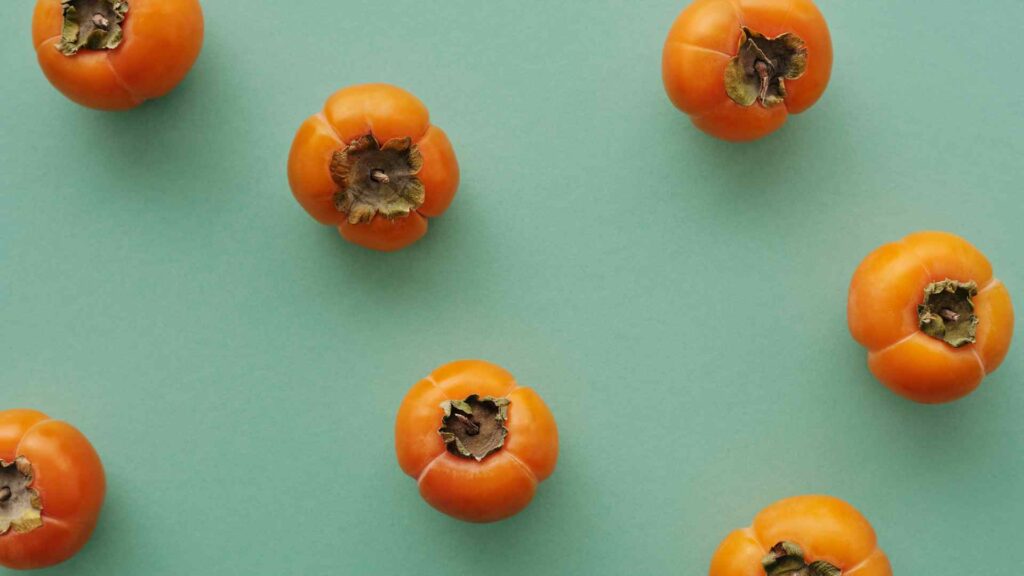
Dried persimmon concentrates sugar and calories and becomes chewy or sticky. A tiny piece is not automatically toxic, but fresh prepared flesh is easier to portion.
Canned fruit may be packed in juice or syrup. Read the label for sugar, xylitol, spices, alcohol, and other fruit.
Persimmon bread, pudding, cookies, jam, smoothies, and desserts may add raisins, chocolate, macadamias, nutmeg, raw dough, dairy, alcohol, or sweeteners. Evaluate the complete recipe.
The apricot guide covers a different fruit with a hard cyanogenic pit. Do not transfer apricot toxicology to persimmon seeds.
The cherry guide explains why a true stone fruit needs different pit precautions.
The fig guide covers another sweet, seed-rich fruit and its processed forms. Similar texture does not make the plants identical.
What to do after a persimmon raid
- Remove access and identify ripe or unripe fruit, seeds, stem, calyx, skin, dried fruit, canned product, dessert, or packaging.
- Estimate fruit and seeds missing, time, dog weight, symptoms, conditions, medications, and normal diet.
- Save labels and recipes, noting syrup, xylitol, raisins, chocolate, nuts, alcohol, spices, and raw dough.
- Call promptly for swallowed seeds or whole fruit, obstruction signs, dangerous co-ingredients, large amounts, or medical restrictions.
A healthy adult dog that ate one tiny seedless peeled ripe piece and remains comfortable can usually be monitored. Keep normal water available and return to complete food.
Do not induce vomiting or give salt, oil, charcoal, laxatives, antacids, or human medicine unless directed.
Frequently asked questions
Are persimmon seeds poisonous?
The practical concern is their hard foreign-body potential, not a reason to invent a universal poison dose. Remove every seed and call if one was swallowed.
Can dogs eat persimmon skin?
Skip it. Peeling makes chewing, seed inspection, and portioning more predictable.
Can persimmon treat constipation?
No. Constipation may involve dehydration, pain, medication, pelvic disease, or obstruction, and extra fruit can delay care.
The bottom line
A tiny piece of ripe, peeled, seedless persimmon flesh may be an occasional extra for some healthy dogs. It is not vitamin, fiber, or digestive therapy.
Seeds, whole fruit, stems, unripe astringent flesh, large portions, processed products, medical diets, and packaging change the answer. Treat obstruction signs promptly.