Can Dogs Eat Refried Beans? Fat, Salt, Alliums, and Labels
A tiny lick of plain refried beans may be tolerated by a healthy dog, but most recipes are not suitable treats. Lard or oil, sodium, onion, garlic, chile, cheese, canned labels, large portions, gas, medical diets, and the preparation of the underlying beans all change the answer.
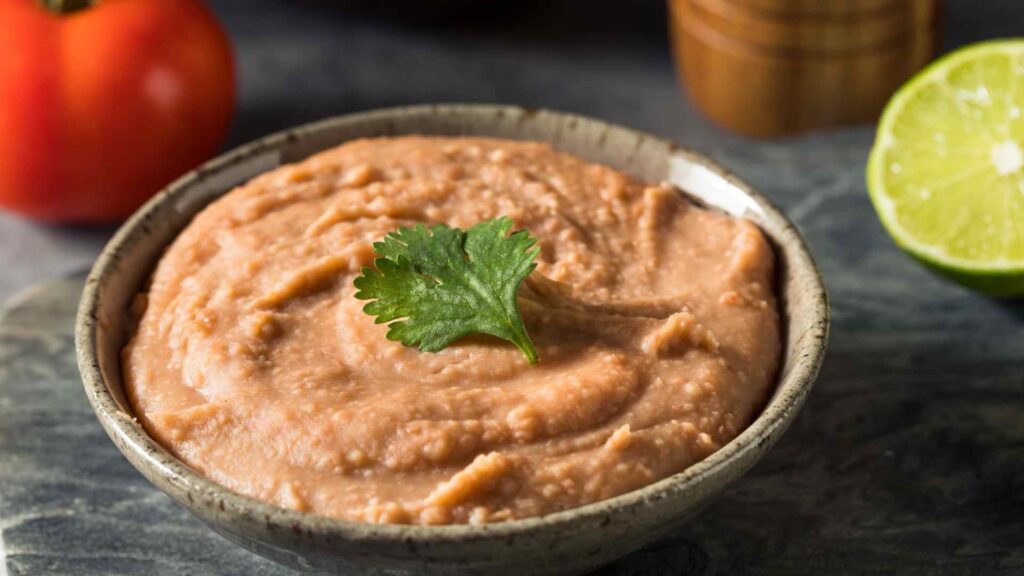
Refried does not necessarily mean fried twice
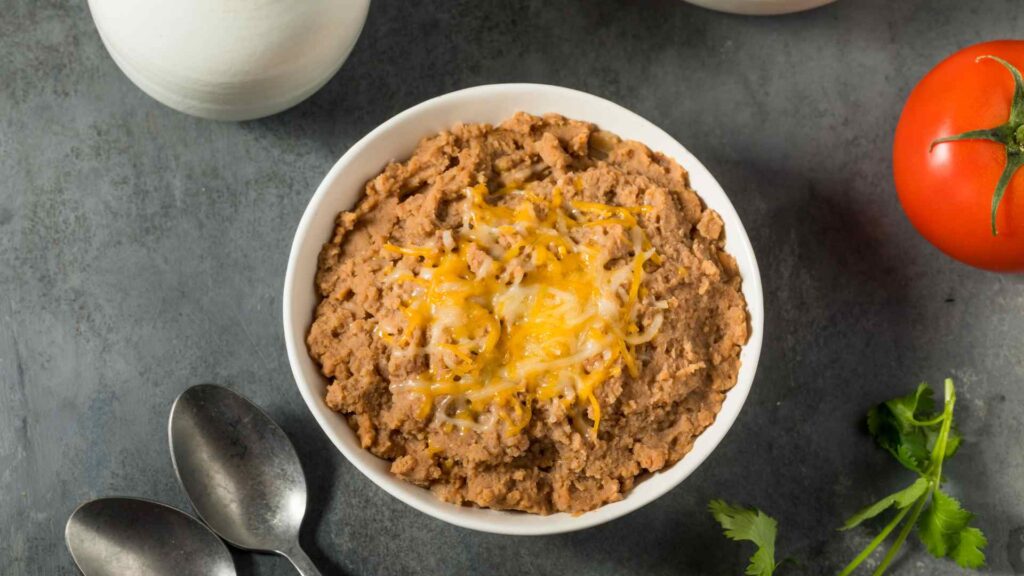
Refried beans are cooked beans mashed and cooked again, often with lard, oil, broth, onion, garlic, salt, or chile. Pinto beans are common, but black or other beans may be used.
A homemade spoon of fully cooked beans mashed with water is different from restaurant beans finished with bacon fat and cheese. Get the actual recipe.
Fat, sodium, and seasonings
Lard, bacon grease, oil, and cheese add fat and calories. A large rich serving is more concerning for a dog with pancreatitis history or a low-fat prescription.
Canned refried beans can be convenient but label-specific. Vegetarian does not mean onion-free, garlic-free, low-sodium, or low-fat.
Spicy versions may add jalapeño, chile powder, hot sauce, or pepper extract, which can irritate the mouth and gastrointestinal tract.
A practical label check
- Identify regular, vegetarian, fat-free, spicy, restaurant, homemade, or canned refried beans.
- Check bean type and preparation, then flag lard, oil, bacon, sodium, onion, garlic, chile, cheese, xylitol, and broth.
- Estimate amount, time, dog weight, symptoms, medical conditions, medications, and normal diet.
- Account for cans, sharp lids, foil trays, plastic tubs, spoons, glass, wrappers, and meal co-ingredients.
- Call for significant Alliums, large fatty or salty amounts, unsafe bean preparation, symptoms, medical restrictions, or missing packaging.
The kidney bean guide explains raw lectin and cooking concerns when that bean is used. The recipe layer still needs separate evaluation.
Pinto beans are a common base, but the label or cook still needs to confirm preparation. Do not assume all mashed beans share one cooking history or ingredient list.
Fully cooked plain beans are the only sensible form
A suitable bean should be soft all the way through and served without salt, oil, broth, onion, garlic, chile, or sauce. Cut or mash a few beans for a small dog or gulper.
Kidney beans are optional extras, not a protein replacement. A complete dog food already balances amino acids, fats, vitamins, minerals, and calories.
A few beans may be tolerated, while a bowl can cause gas, abdominal noise, loose stool, vomiting, or appetite changes. Introduce only a tiny amount when the veterinarian approves it.
Raw kidney beans contain phytohaemagglutinin
Raw and improperly cooked kidney beans can contain high levels of phytohaemagglutinin, a lectin. Red kidney beans are a prominent food-safety concern, but other dry beans also require proper cooking.
FDA’s natural-toxins guide says high PHA levels in raw beans can cause nausea, severe vomiting, and diarrhea, while canned and properly cooked kidney beans contain low levels.
Human outbreak data does not provide a validated universal canine bean count. Dog size, bean type, preparation, amount, time, and symptoms must guide professional advice.
Do not taste a suspicious bean to decide whether it is safe. If dry, soaked, raw, or undercooked beans were eaten, call with the cooking method and amount.
Slow cookers can leave dry beans underprocessed
Health Canada’s lectin guidance recommends soaking dry red kidney beans, discarding soak water, and boiling vigorously for at least 10 minutes. It warns that slow cookers may not get hot enough.
A slow-cooked chili is not cleared merely because it cooked for hours. Ask whether dry beans were presoaked and boiled appropriately before slow cooking.
Do not use the microwave, warm-water soak, dehydration, or pressure guesswork as a substitute for a validated preparation method. Canned beans are already heat-processed.
If a dog eats undercooked beans, remove access and call rather than waiting for forceful vomiting or diarrhea. Save a sample and recipe.
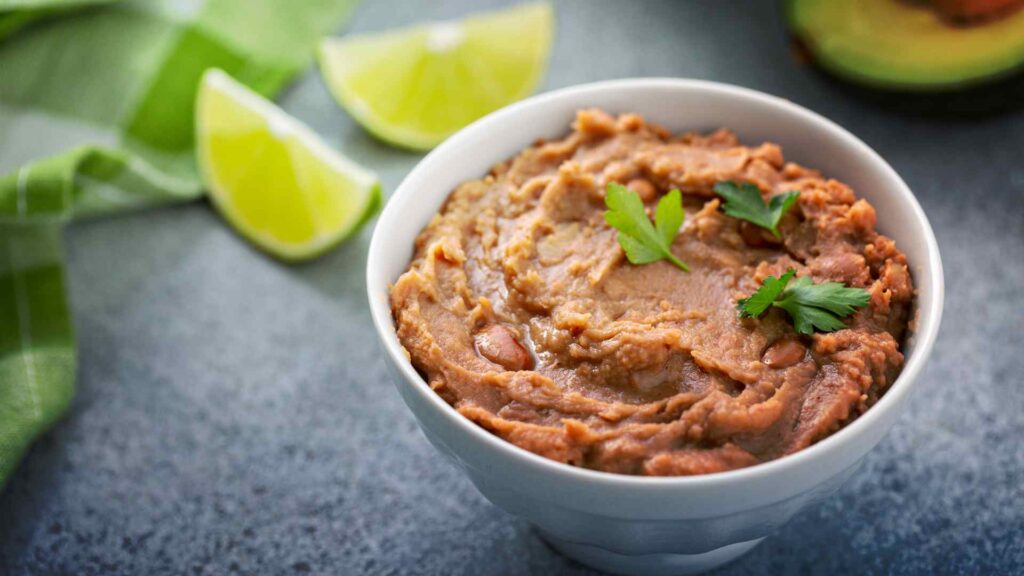
Canned kidney beans are cooked but may be salty
Canning heat adequately reduces lectins, but the liquid may contain sodium, sugar, calcium chloride, spices, or other ingredients. Read the label.
Draining and rinsing can remove some surface brine, but it does not turn a seasoned product into a prescription food. Choose no-salt-added plain beans when available.
Merck’s salt guide explains that excessive sodium is particularly hazardous when fresh water is restricted. One rinsed bean is not salt poisoning, but a can raid deserves calculation.
Dogs with heart disease, kidney disease, high blood pressure, or sodium restrictions need personalized advice. Leave normal fresh water available unless directed otherwise.
Chili and baked beans are mixed dishes
Chili commonly contains onion, garlic, chile, salt, tomatoes, fatty meat, stock, beer, chocolate, and spices. The kidney beans may be the least important ingredient.
Merck’s Allium guide explains that cooked and powdered onion or garlic can damage red blood cells and signs may be delayed.
The onion guide covers cumulative intake and delayed anemia signs. Save the seasoning packet, canned chili label, or restaurant recipe.
Baked beans may add brown sugar, molasses, bacon, mustard, ketchup, onion, garlic, and sweeteners. Sugar-free versions require an immediate xylitol check.
Bean salads may include onion, garlic, raisins, macadamias, avocado, cheese, vinegar, oil, and skewers. Identify every component.
Gas and fiber are dose-dependent
Kidney beans contain fermentable carbohydrate and fiber, so larger portions commonly cause gas or stool changes. More fiber is not automatically better for constipation or diarrhea.
Do not use beans to treat constipation, weight, diabetes, anal-gland problems, or chronic intestinal disease. These conditions require diagnosis and a complete dietary plan.
The WSAVA treat guide recommends keeping extras below 10 percent of daily calories. Beans share that allowance with all treats and toppers.
There is no evidence-based bean-per-pound chart. One soft cut bean is enough for a first taste in a healthy dog with veterinary approval.
Protein claims miss the whole diet
Kidney beans contain plant protein, but they do not provide a complete canine amino-acid and nutrient plan on their own. Adding a scoop can dilute the nutrient density of complete food.
Puppies, pregnant dogs, working dogs, and recovering dogs need carefully balanced nutrition rather than improvised bean protein. Long-term homemade diets require formulation by a veterinary nutrition specialist.
The chickpea guide covers another legume with different preparation and product questions. Hummus rules do not substitute for kidney-bean rules.
The lima bean guide addresses its own raw-legume concerns. Do not group all beans under one toxin or cooking shortcut.
Allergy and medical diets
A one-time loose stool does not prove kidney-bean allergy. Recurrent itching, ear disease, vomiting, or diarrhea needs veterinary evaluation and sometimes a controlled elimination diet.
Dogs on renal, cardiac, diabetic, gastrointestinal, weight-loss, urinary, or elimination diets should not receive unapproved beans. Plain does not mean compatible with every prescription plan.
Storage, cans, and pantry raids
Refrigerate cooked beans promptly in shallow covered containers and discard spoiled leftovers. Mold, slime, fermentation, sour odor, or repeated warming are reasons to throw food away.
Cans, sharp lids, pull tabs, glass jars, bags, clips, and desiccants may be swallowed during a raid. Account for the package as well as the beans.
Repeated vomiting, retching, abdominal pain, appetite loss, swelling, or inability to keep water down can indicate obstruction or serious gastrointestinal illness. Seek prompt care.
What to do after a kidney-bean incident
- Identify dry, soaked, raw, undercooked, fully boiled, canned, slow-cooked, chili, baked beans, or salad.
- Save labels and recipes, including soaking, boiling, slow-cooker steps, sodium, onion, garlic, xylitol, alcohol, meat, and spices.
- Estimate amount, time, dog weight, symptoms, conditions, medications, water access, and normal diet.
- Account for cans, lids, tabs, jars, glass, bags, clips, desiccants, skewers, and other ingredients.
- Call promptly for raw or undercooked beans, uncertain slow-cooker preparation, dangerous co-ingredients, significant symptoms, medical restrictions, or missing packaging.
A healthy adult dog that ate a few soft fully cooked plain beans and remains comfortable can often be monitored. Keep normal water available and return to complete food.
Do not induce vomiting or give salt, oil, charcoal, laxatives, antacids, or human medicine unless a veterinarian directs it.
Red and white kidney beans
Red kidney beans are the best-known PHA concern, but white kidney beans such as cannellini are also Phaseolus vulgaris and require proper cooking. Color is not a substitute for preparation.
Black beans, pinto beans, navy beans, and other legumes have their own composition and product questions. Do not use advice for one bean as a universal raw-legume clearance.
Canned mixed beans are heat-processed, but they may share salty brine and seasonings. Read the whole can and rinse only after confirming ingredients are otherwise suitable.
A practical dry-bean workflow
Sort dry beans and discard stones or damaged foreign material, then soak according to validated guidance. Keep the soaking bowl and discarded water away from dogs.
Boil the pre-soaked beans vigorously for the recommended time before any lower-temperature cooking stage. Do not taste-test undercooked beans or offer one to a dog.
If the pot never reached a reliable boil, treat the batch as inadequately prepared. More time at a warm slow-cooker temperature is not the same as the required high-heat step.
Kitchen equipment, altitude, bean age, and recipe can affect cooking time, but softness alone does not document the initial boil. When in doubt, do not feed the batch.
Diet-associated heart-disease claims need context
A few kidney beans as an extra are not the same exposure as a complete diet formulated with pulse ingredients high on the list. Treat-level advice should not be turned into a claim that one bean causes dilated cardiomyopathy.
The FDA’s DCM update describes a complex whole-diet issue involving formulation, ingredient proportion, genetics, and other factors. It does not label legumes inherently toxic.
If beans appear prominently in the dog’s main food, discuss the complete product and diet history with the veterinarian. Do not add taurine or change diets abruptly based on a treat exposure.
Symptoms after unsafe preparation
Nausea, repeated vomiting, diarrhea, abdominal pain, weakness, or dehydration after raw or undercooked beans deserves prompt veterinary advice. Bring the beans and preparation history if possible.
A normal first hour does not prove the batch was safe, and severe vomiting can dehydrate a small or medically fragile dog quickly. Follow professional monitoring instructions.
Tremors, collapse, breathing difficulty, a swollen abdomen, or inability to keep water down is urgent. Another ingredient or foreign object may be involved.
Preventing pantry raids
Store dry beans in secured containers that cannot shatter, and keep bags, clips, and desiccants out of reach. A dog can swallow packaging while eating the beans.
Move soaking bowls away from counter edges and secure compost containing discarded beans, onion skins, coffee grounds, bones, corn cobs, and moldy food.
Label frozen cooked portions clearly so seasoned chili is not mistaken for plain beans. Household meal prep is safer when dog-approved and human-seasoned containers are visibly different.
Frequently asked questions
Are canned kidney beans safe?
They are cooked, but check sodium and seasonings, drain and rinse, and keep any approved portion tiny.
Can a slow cooker make dry kidney beans safe?
Do not rely on slow cooking alone. Use a validated soak-and-boil method before slow-cooker recipes.
Are kidney beans poisonous to dogs?
Fully cooked plain beans are not generally treated as poisonous, while raw or undercooked beans present lectin risk. No universal canine threshold replaces case-specific advice.
The bottom line
A few soft fully cooked plain kidney beans can be an occasional extra for some healthy dogs. They are not protein, fiber, or digestive therapy.
Raw or undercooked beans, uncertain slow-cooker preparation, canned sodium, chili Alliums, large portions, medical diets, and packaging change the answer. Call promptly when preparation is unsafe or unclear.