Can Dogs Eat Popcorn? Kernels, Toppings, and Safe Sharing
Most healthy dogs can eat a few pieces of completely plain, air-popped popcorn. Sort out every unpopped or partly popped kernel first, serve only a little, and skip butter, oil, salt, cheese powder, caramel, chocolate, xylitol-sweetened coatings, and flavored microwave bags; the toppings and hard kernels create the real problems.

The movie-night answer
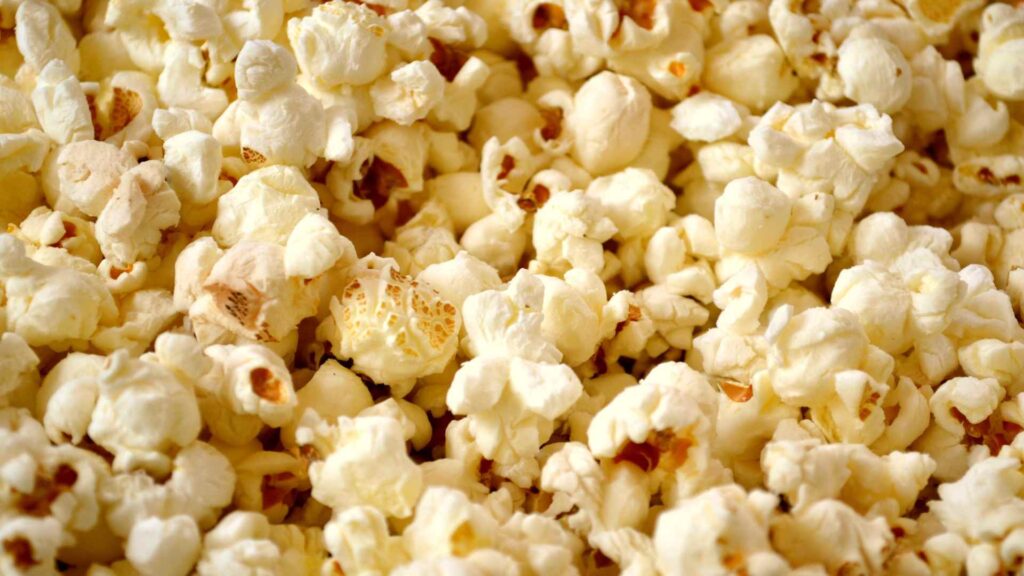
A few fluffy white pieces from an air popper are unlikely to harm a healthy adult dog. Popcorn is optional entertainment, not a dietary need, so there is no reason to negotiate with a bowl that contains hard kernels or rich coatings.
The veterinarian-reviewed PetMD popcorn guide makes the same distinction between plain air-popped pieces and unpopped kernels or heavily topped popcorn. That ingredient-level answer is much more useful than declaring all popcorn safe or all popcorn toxic.
If one plain piece bounces onto the floor and disappears, a healthy dog will usually be fine. If a bag vanishes, the dog swallowed kernels, or the popcorn carries chocolate or xylitol, stop the movie and investigate.
Unpopped kernels are not tiny treats
Unpopped and partly popped kernels are hard enough to lodge between teeth, injure gums, fracture a damaged tooth, or become choking hazards. Small dogs and determined gulpers have less room for error, but larger dogs can swallow hard kernels too.
Multiple kernels may also travel as indigestible foreign material and contribute to an obstruction. The Merck Veterinary Manual’s obstruction overview lists vomiting, appetite loss, abdominal pain, dehydration, and lethargy among concerning signs.
Before sharing, move the popped corn into a separate bowl by hand and leave the bottom layer behind. Do not simply scoop from the top of a microwave bag, where a surprise half-kernel can hitch a ride.
If a kernel becomes stuck between teeth, do not dig with a sharp tool or force open a painful mouth. Call the veterinarian if the dog paws at the face, drools, bleeds, refuses food, chatters the jaw, or seems painful.

Butter, oil, and salt change the snack
Movie-theater popcorn and many microwave products absorb large amounts of butter-flavored fat or oil. A few crumbs are unlikely to trigger a crisis, but a substantial raid can cause vomiting or diarrhea and is a poor choice for dogs with pancreatitis or fat-sensitive digestive disease.
Salt adds another concern, particularly when a dog eats a large volume or has limited access to fresh water. The Merck Veterinary Manual’s salt toxicosis review describes vomiting, diarrhea, weakness, poor coordination, tremors, and seizures after excessive sodium chloride exposure.
One salted piece is not equivalent to salt poisoning, and a healthy dog with water available is usually resilient after a trace exposure. Bag-sized consumption, very salty specialty popcorn, restricted water, symptoms, or heart and kidney disease deserves a call for individualized advice.
A topping-by-topping reality check
Cheese and ranch powders
These seasonings can add fat, sodium, dairy, onion powder, and garlic powder. The guide to cheese for dogs explains why lactose tolerance and fat vary, but powdered blends create an even less predictable product.
Caramel and kettle corn
Caramel corn combines sugar with butter or oil and often salt, while kettle corn adds sugar and salt to popped kernels. A tiny stolen piece is usually a digestive issue rather than a poisoning emergency, but neither belongs in the dog’s regular treat rotation.
Chocolate drizzle
Chocolate contains methylxanthines that dogs metabolize poorly, with dark and baking chocolate generally more concentrated than milk chocolate. Read the separate chocolate safety guide and call promptly with the product, amount, dog weight, and time.
Sugar-free coatings
Check for xylitol, which may also be labeled birch sugar. The FDA’s pet hazard guide explains that xylitol can cause dangerous hypoglycemia and liver injury in dogs, so suspected ingestion needs an immediate veterinary or poison-control call.
Savory and spicy blends
Barbecue, bacon, jalapeño, garlic, pizza, truffle, and hot-sauce flavors are recipe problems. Garlic and onion can damage red blood cells, hot peppers can irritate the mouth and gut, and bacon flavor often brings fat and salt rather than a harmless aroma.
Microwave bags and packaging
A greasy microwave bag smells more exciting than the remaining popcorn and may be swallowed in strips or chunks. Paper, plastic lining, twist ties, clips, and multipack wrappers can choke or obstruct even when the food exposure itself is modest.
Store cooling bags and serving bowls beyond the dog’s reach, and empty trash into a secured bin. Do not let a dog lick the inside of a bag, where concentrated seasoning, grease, and hard kernels collect.
Call a veterinarian after suspected packaging ingestion, especially if a large piece is missing or the dog is small. Do not wait for vomiting if the swallowed object may still be removable before it travels farther.
How much plain popcorn is sensible?
Start with one fully popped piece, then offer only a few more if the dog chews comfortably and has no health reason to avoid extras. A handful is a human measure that can mean wildly different things, so stop before the dog gets a personal bowl.
The UC Davis School of Veterinary Medicine treat guidance places plain air-popped popcorn among low-calorie examples but keeps all extras below 10 percent of daily calories. The remaining 90 percent or more should come from a complete and balanced diet.
Low calorie does not make popcorn a weight-loss treatment or an unlimited snack. Portion control, the whole diet, body condition, activity, and veterinary guidance determine whether a dog loses weight safely.
Popcorn also should not be prescribed as a fiber remedy for constipation or diarrhea. Digestive signs have many causes, and hard kernels or seasonings can make the situation less tidy.

Dogs who should skip popcorn
Dogs with dental disease: Hard kernels can worsen pain or damage compromised teeth. Even fluffy pieces can wedge around crowded or diseased teeth, so choose an approved soft treat instead.
Dogs with swallowing problems or a history of choking: Tiny light pieces are easy to inhale when a dog gulps. Follow the veterinarian’s texture recommendations rather than experimenting during movie night.
Dogs with pancreatitis: Buttered, oily, cheesy, and caramel popcorn conflict with low-fat feeding. Even plain popcorn should be cleared with the treating team if extras are tightly controlled.
Dogs with heart, kidney, or sodium restrictions: Salted popcorn can undermine a therapeutic diet. Plain popcorn may still be an unapproved extra, so ask first.
Dogs on elimination diets: Flavors and cross-contact can introduce ingredients the trial is designed to exclude. Use only the treats listed by the supervising veterinarian.
What to do after a popcorn raid
Identify the product, toppings, amount, time, dog weight, and number of missing unpopped kernels. Check the floor and trash for packaging, clips, foil, flavor packets, and any other snack that vanished at the same time.
Call immediately for xylitol, a meaningful chocolate exposure, swallowed packaging, choking, or a large amount of heavily salted or fatty popcorn. Keep the package so the professional can calculate from the real ingredient list instead of a flavor name.
Seek urgent care for trouble breathing, repeated gagging or retching, repeated vomiting, abdominal pain or swelling, marked lethargy, weakness, tremors, seizures, collapse, or inability to keep water down. Dental pain, bleeding, facial swelling, or persistent pawing at the mouth also needs attention.
If a healthy dog ate a few plain popped pieces and remains normal, provide fresh water and monitor for digestive upset. Skip additional treats and call if signs develop or persist.
Do not induce vomiting or give salt, hydrogen peroxide, milk, oil, or another home remedy unless a veterinary professional directs you. The right response depends on whether the problem is a toxin, fat and salt, choking, or a foreign object.

A safer movie-night routine
Pop a small unsalted batch separately, hand-sort a few fluffy pieces, and place them in the dog’s normal treat container before human toppings appear. This removes the temptation to share from a bowl where kernels and coatings are hard to track.
If you want crunch without corn, compare tiny pieces of properly cut carrot, though whole or frozen carrots create their own choking and dental risks. No snack is improved by skipping preparation.
Frequently asked questions
Can dogs eat microwave popcorn?
Most microwave popcorn contains oil, salt, butter flavor, or seasonings, so it is not the best choice. If sharing popcorn, air-pop it plain and inspect every piece for hard kernel material.
Can dogs eat popcorn every day?
There is no need to make it daily, and repeated treats can crowd out balanced food. Occasional plain pieces are a better fit for a healthy dog who chews safely.
What about popcorn stuck in teeth?
Do not probe with a sharp object or force a painful dog to cooperate. Call the veterinary clinic if the piece does not dislodge easily with normal chewing or if there is drooling, bleeding, swelling, pawing, or refusal to eat.
The bottom line
A few completely plain, air-popped pieces are acceptable for many healthy dogs. Hand-sort the serving, discard every hard or partial kernel, and keep the portion small.
Buttered, salted, flavored, caramel, chocolate, and sugar-free popcorn require ingredient-specific caution, while bags and kernels add physical hazards. After a substantial raid, save the package and call for veterinary advice rather than guessing.