Can Dogs Eat Edamame? Beans, Pods, and Safety Explained
Yes, most healthy adult dogs can eat a few plain, cooked edamame beans. Remove the pod, skip salt and seasonings, and treat the beans as an occasional extra rather than a nutritional upgrade.
Can dogs eat edamame safely?
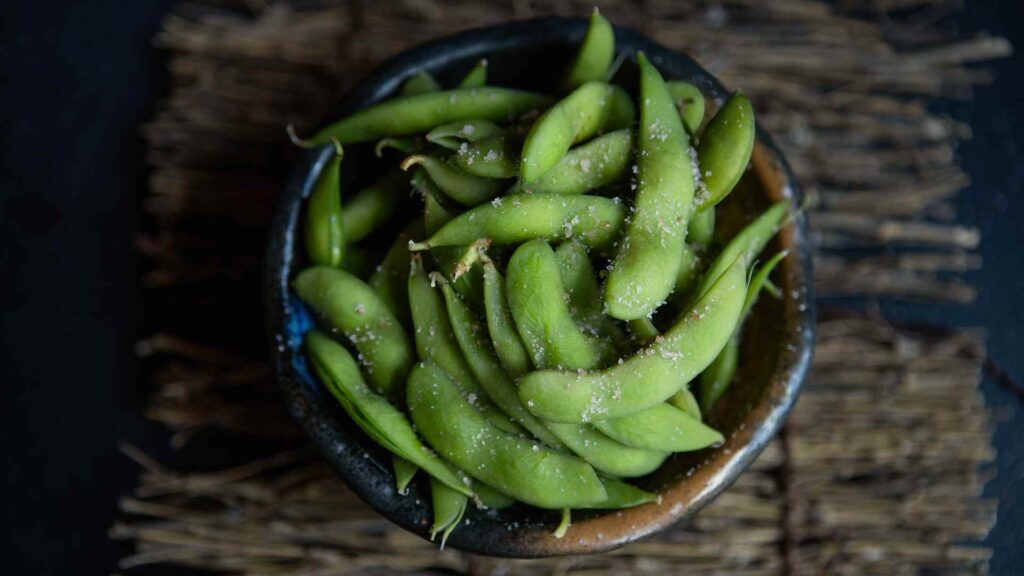
Edamame is the name for immature soybeans, usually sold fresh or frozen in fuzzy green pods. The bean itself is not known as a canine toxin, but the way it is prepared changes the answer quickly.
A bean or two from a plain bowl is very different from restaurant edamame coated in salt, garlic, chili oil, or soy sauce. If your snack came from a takeout container, the safest move is to keep the dog out of the bowl.
Dogs do not need edamame to obtain protein, fiber, vitamins, or minerals when they already eat a complete and balanced diet. Think of it as a tiny taste experience, not a supplement with a green cape.
The quick safety checklist
- Offer only the shelled green beans, never the fibrous pod.
- Cook or thaw the beans until soft, then let them cool.
- Serve them plain, with no salt, butter, oil, garlic, onion, or spicy seasoning.
- Start with one bean and watch for vomiting, diarrhea, itching, or swelling.
- Count edamame with every other treat and table scrap in the daily treat budget.
That last point matters more than it sounds. The World Small Animal Veterinary Association guide to dog treats recommends keeping treats below 10 percent of daily calories so the main diet can do its job.
What edamame offers, and what it does not
Prepared edamame contains plant protein, fiber, carbohydrate, and fat, along with micronutrients. The USDA food-composition resources are useful for checking what a human food contains, but nutrient presence does not automatically make that food necessary or therapeutic for a dog.
A complete dog food is formulated to supply nutrients in suitable amounts and proportions. A handful of soybeans cannot replace that balance, and adding more nutrient-rich extras can quietly add calories while displacing the food that was designed for the dog.
Fiber can change stool consistency, but it is not automatically a cure for constipation or diarrhea. A dog with repeated straining, blood in the stool, vomiting, pain, or ongoing diarrhea needs veterinary advice rather than a home experiment with beans.
If you are looking for lower-calorie crunchy options, compare edamame with plain green beans for dogs or carrots for dogs. Your veterinarian can help choose treats that fit your dog’s weight, medical history, and regular diet.
The pod is the awkward part
People usually squeeze edamame beans out of the pod because the pod is tough and unpleasant to chew. Dogs, admirably unconcerned with dining etiquette, may gulp the entire thing.
A swallowed pod can cause choking or gastrointestinal trouble, especially in a small dog or a dog that bolts food. Large pieces of indigestible material can also contribute to an obstruction, although one chewed pod will not cause a blockage in every dog.
Watch for repeated vomiting, loss of appetite, abdominal swelling or pain, unusual tiredness, or difficulty passing stool. The Merck Veterinary Manual overview of digestive disease lists vomiting, abdominal distention, pain, dehydration, appetite loss, and abnormal stools among important gastrointestinal signs.
Trouble breathing, frantic pawing at the mouth, blue or pale gums, collapse, or an inability to swallow is an emergency. Go to an emergency veterinary clinic immediately rather than waiting to see whether the pod moves.

Seasonings can turn a harmless bean into a bad idea
Salt and soy sauce
Edamame served at restaurants is often generously salted, and packaged snack versions may contain even more sodium. One stolen salted bean is unlikely to poison a healthy large dog, but there is no reason to make salty edamame a regular treat.
Soy sauce is especially concentrated and belongs in the human pantry, not the dog bowl. See our separate guide to soy sauce and dogs for the sodium-specific concerns.
Garlic and onion
Garlic and onion are not harmless flavor dust. The ASPCA list of people foods to avoid explains that Allium plants can irritate the gastrointestinal tract and damage red blood cells, with risk depending partly on the amount eaten.
If the ingredient list includes garlic, onion, their powders, or a seasoning blend you cannot identify, do not share it. Our guide to onions and dogs explains why a flavored serving calls for a different response than plain beans.
Butter, oil, and spicy coatings
Rich fats can trigger digestive upset, and they are a poor choice for dogs that need a fat-restricted diet. Chili heat may also cause mouth discomfort, drooling, vomiting, or diarrhea without adding anything useful for the dog.
How much edamame can a dog have?
There is no evidence-based universal bean count for every dog. A Chihuahua, a Labrador, a puppy, and a dog with pancreatitis should not receive the same portion just because the beans are the same size.
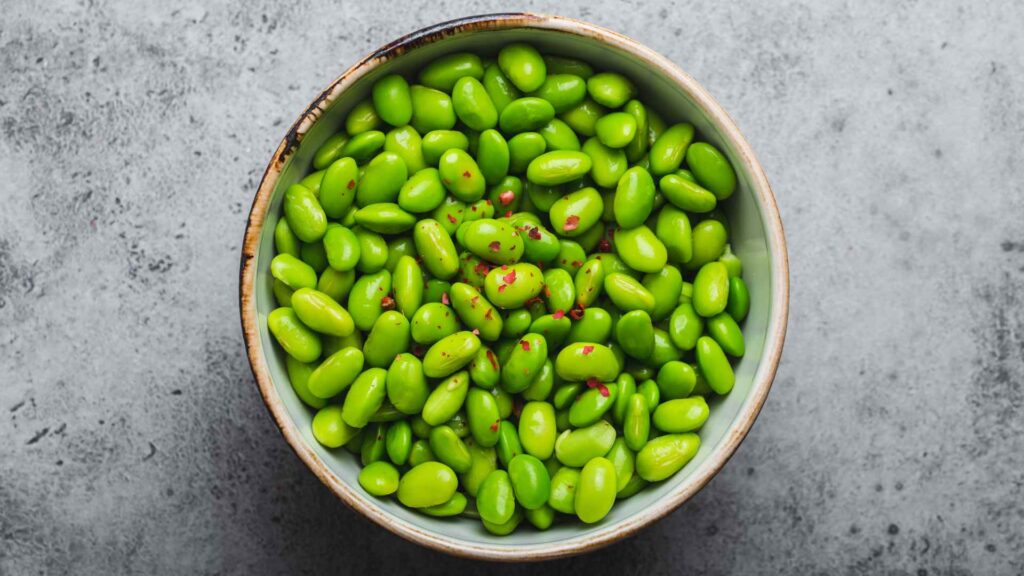
For a healthy adult dog trying edamame for the first time, one shelled bean is a sensible test portion. If there is no reaction, a few beans on a later occasion may fit within the dog’s treat allowance, but a bowlful is needlessly generous.
Use the 10 percent treat ceiling as a limit, not a target. Dogs with obesity, a prescription diet, chronic gastrointestinal disease, pancreatitis, kidney disease, or another condition should follow the treating veterinarian’s plan.
A simple preparation method
- Choose plain fresh or frozen edamame with no sauce or seasoning.
- Steam or boil until the beans are tender, following the package directions.
- Cool completely and squeeze every bean out of its pod.
- For a small dog or eager gulper, mash or split the bean before serving.
- Offer one bean by hand or mix a tiny amount into the regular meal, then refrigerate leftovers promptly.
Do not rely on a dog to shell the pods. The whole point of preparation is to remove the part most likely to become a choking or digestive problem.
Can dogs eat raw or frozen edamame?
A hard frozen bean can be uncomfortable to chew and may be gulped whole, so thaw or cook it first. Cooking also produces a softer, easier-to-portion snack.
Raw soybeans are tougher and less appealing than cooked edamame, and there is no benefit to serving them raw. Plain, tender, cooled beans are the practical choice.
Soy allergy and sensitive dogs
Soy can be a food allergen for some dogs, but itching after one snack does not prove an allergy. The Merck Veterinary Manual guide to allergies in dogs notes that food allergy diagnosis generally requires a controlled elimination diet and a deliberate challenge under veterinary guidance.
Possible food-reaction signs include itching, recurrent skin or ear problems, vomiting, and diarrhea. Facial swelling, widespread hives, breathing difficulty, weakness, or collapse after eating requires urgent veterinary care.
Do not give edamame during a veterinary elimination-diet trial unless the veterinarian specifically approves it. An unplanned soybean treat can muddy the results and force everyone back to day one.
Puppies, seniors, and dogs with medical conditions
Puppies need a diet formulated for growth, and their small calorie budget leaves little room for extras. A tiny taste of a soft shelled bean is unlikely to be useful enough to justify replacing a familiar training treat.
Senior dogs are not automatically unable to eat edamame, but dental disease, swallowing problems, chronic illness, and prescription diets change the calculation. Soft texture helps with chewing, yet it does not erase ingredient or calorie concerns.
Dogs with past pancreatitis, chronic enteropathy, food allergy, obesity, or a diet prescribed for kidney, liver, urinary, or heart disease should get individualized advice. In those cases, even a technically non-toxic snack may clash with the medical plan.
What to do if your dog ate edamame
Plain shelled beans
If a healthy dog ate a modest amount of plain shelled edamame and is acting normally, remove the remaining food and monitor. Provide normal access to water, keep meals routine, and call your veterinarian if vomiting, diarrhea, pain, swelling, or unusual behavior develops.
Pods
Call your veterinarian for advice if pods were swallowed, especially if the dog is small, swallowed several pods, or has a history of obstruction. Seek urgent care for choking, repeated vomiting, a painful or swollen abdomen, severe lethargy, or inability to keep water down.
Flavored edamame
Save the package or take a clear photo of the ingredient list, then estimate how much was eaten and when. Contact a veterinarian or pet poison service promptly if it contains onion, garlic, an unknown sweetener, or a large amount of salt.
Do not induce vomiting or give salt, oil, milk, or hydrogen peroxide unless a veterinary professional specifically instructs you. Home remedies can add a second problem to the first one.
Frequently asked questions
Can dogs eat edamame every day?
Edamame is better kept occasional because it is an extra, not a complete food. If you need a daily training reward, reserve a measured portion of the dog’s regular kibble or ask your veterinarian for a suitable low-calorie option.
Is edamame better than peas for dogs?
Neither food is universally better. Both add calories and fiber, and the right choice depends on preparation, portion, tolerance, and the dog’s main diet, so compare the details in our peas for dogs guide.
Can dogs eat edamame skin?
The thin skin around an individual soybean is not the same as the thick green pod. The bean’s skin can remain, but the outer pod should be removed.
Does edamame make dogs gassy?
It can. Soybeans contain fiber and fermentable carbohydrates, so a larger portion may lead to gas or loose stool in some dogs.
The bottom line
Plain, cooked, shelled edamame can be an occasional treat for many healthy adult dogs. Keep the serving tiny, avoid every seasoning, and let a complete dog food remain the nutritional main event.
The moment pods, xylitol, onion, garlic, heavy salt, or worrying symptoms enter the story, stop treating it as a snack question and call a veterinary professional. That is the useful line between a funny stolen bean and a problem worth acting on.