Can Dogs Eat Sourdough Bread? Baked Bread vs. Raw Dough
A small piece of fully baked, plain sourdough is usually low risk for a healthy dog, but raw sourdough dough is an emergency. Yeast dough can expand and produce alcohol in the stomach, while salt, raisins, nuts, xylitol, garlic, mold, and bread bags create separate hazards.
Baked bread and raw dough are not the same exposure
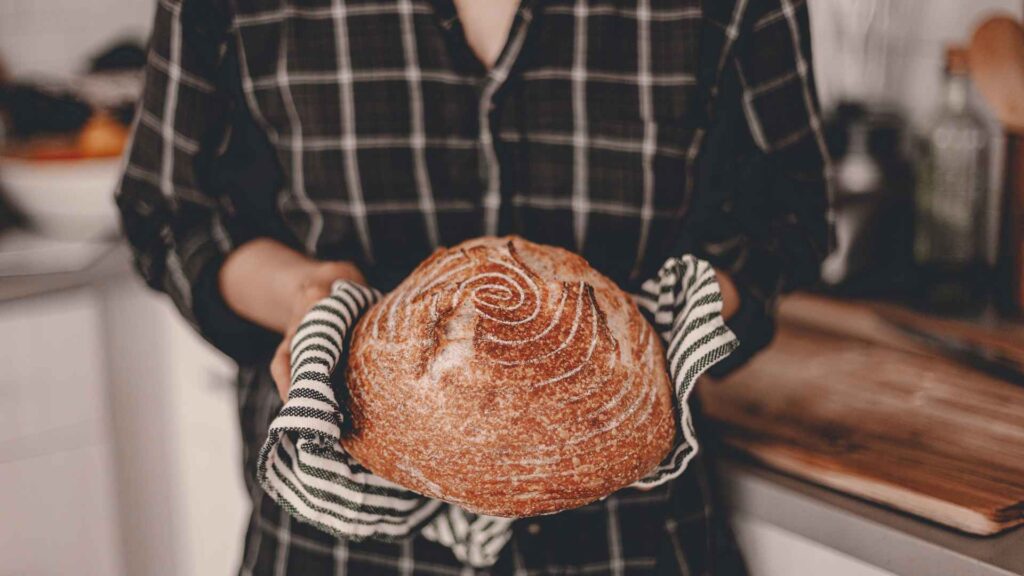
Baking changes the dough’s structure and stops active fermentation, so one plain cooled crumb is different from a swallowed dough ball. Bread still adds calories and salt without filling a canine nutritional need.
Raw fermenting dough can continue expanding in the warm stomach and can produce ethanol. Call an emergency veterinarian immediately after any meaningful or uncertain raw yeast-dough exposure rather than waiting for the abdomen to swell.
Why raw dough is urgent
The Merck Veterinary Manual explains bread-dough toxicosis, including gastric distention and ethanol production. Both the mechanical expansion and alcohol can become life-threatening.
A swollen or painful abdomen, repeated unproductive retching, restlessness, drooling, weakness, wobbliness, sleepiness, low body temperature, breathing changes, collapse, or seizures requires emergency care. Symptoms may evolve as fermentation continues.
Do not feed another meal to “push it through,” make the dog exercise, massage the abdomen, or induce vomiting unless the veterinarian directs it. Expanding dough and altered consciousness increase aspiration and injury concerns.
What about sourdough starter?
Active starter contains flour, water, microorganisms, and fermentation products, and it may be fed with additional flour shortly before exposure. A substantial starter theft deserves a prompt call because activity, acidity, alcohol, amount, and added ingredients vary.
Discarded starter recipes may include sweeteners, butter, chocolate, raisins, onion, garlic, or other mix-ins. Keep the starter jar, recipe, feeding ratio, time since feeding, and estimated missing amount for triage.
A practical answer for baked sourdough
If a healthy dog ate one small plain, fully baked piece and is acting normal, remove the loaf and observe. Serve no more on purpose, because bread can displace balanced food and encourage counter theft.
Call after a large quantity, symptoms, mold, dangerous mix-ins, a medically restricted dog, missing packaging, or uncertainty about whether the product was completely baked. A gummy underbaked center is not automatically raw dough, but describe it accurately.
Salt varies widely
Sourdough recipes and commercial loaves differ in sodium, and artisanal crusts may be topped with coarse salt. Check sodium per serving and estimate the fraction of the loaf missing rather than judging by taste.
One baked bite is unlikely to cause salt toxicosis in a healthy dog, but a large salty loaf or salt-heavy discard recipe deserves advice. Marked thirst, vomiting, wobbliness, tremors, unusual behavior, or seizures is urgent.
Our salt guide explains why concentrated exposure differs from normal dietary sodium. Do not force excessive water or attempt rapid correction at home.
Raisins and grapes
Raisin sourdough is not plain bread, and even a partial slice can contain an uncertain number of raisins. Grape and raisin toxicity is unpredictable enough that prompt veterinary guidance is appropriate after any known ingestion.
The ASPCA lists grapes, raisins, yeast dough, xylitol, and several other food hazards. Our raisin guide covers the specific response.
Nuts, seeds, and inclusions
Macadamia nuts are hazardous to dogs, while large hard nuts can choke or obstruct and fatty nuts may upset the stomach. Walnut pieces also require attention to mold and the source of the nut.
Seeded bread may contain whole sunflower, sesame, flax, or pumpkin seeds that are not inherently toxic in ordinary baked amounts, but a dense seedy loaf adds calories and can be difficult for a sensitive dog to tolerate.
Report the exact nut or seed rather than saying “multigrain.” A bakery label, recipe, or photo can prevent the wrong ingredient from driving the advice.
Xylitol and sweetened loaves
Low-carb, keto, sugar-free, specialty, and homemade breads may use xylitol. The FDA advises immediate veterinary contact if a dog may have eaten xylitol, also called birch sugar or wood sugar.
Do not assume fermentation removes xylitol or that a baked product is safer. Save the complete ingredient list and the package weight, then call before symptoms such as weakness, stumbling, collapse, or seizures appear.
Garlic, onion, cheese, and savory breads
Garlic sourdough, onion loaves, focaccia-style bread, pizza crust, and cheesy toast can contain concentrated powders, salt, butter, oil, and rich toppings. Cooking does not make garlic or onion safe.
Our garlic guide explains delayed red-blood-cell injury. Pale gums, weakness, fast breathing, dark urine, yellow tissues, or collapse can appear after the original bread raid is forgotten.
Chocolate, coffee, and dessert sourdough
Chocolate chips, cocoa, coffee, espresso powder, alcohol-soaked fruit, and rich frosting turn a loaf into a mixed exposure. The relevant details are ingredient type, concentration, amount missing, dog’s weight, and time.
Do not wait for chocolate or caffeine signs such as restlessness, rapid heart rate, tremors, overheating, or seizures. Contact veterinary help with the recipe and product labels.
Mold and old bread
Visible mold means the entire loaf should be discarded securely, not trimmed for the dog. The Merck Veterinary Manual describes illness from mold-produced toxins, and contamination may extend beyond the spot you can see.
Vomiting, agitation, wobbliness, tremors, overheating, or seizures after moldy food is urgent. Save the package and a safe photo, but do not handle mold unnecessarily or offer more bread to compare reactions.
Gluten, wheat allergy, and celiac claims
Most dogs do not need a gluten-free diet simply because sourdough contains wheat. Gastrointestinal or skin signs cannot diagnose wheat allergy from one bread exposure, and unnecessary restriction can complicate a proper elimination trial.
A small number of dogs can have specific gluten-related disease, and dogs on a veterinary elimination or therapeutic diet should receive no unapproved bread. Follow the treating team’s plan rather than using sourdough as a digestive test.
Sourdough is not a probiotic for dogs
A fully baked loaf should not be treated as a live probiotic product, and raw starter is not a safe shortcut to gut health. Fermentation marketing does not turn table bread into treatment for diarrhea, constipation, yeast, allergies, or inflammation.
The UC Davis treat guidance recommends keeping extras to a small share of calories. Complete dog food should remain the foundation, especially for puppies and dogs with disease.
Crust, texture, and choking
A hard crust, toasted end, or large dry piece can be gulped and lodge in the throat, especially in a small dog or one with dental or swallowing disease. Tear any veterinarian-approved taste into tiny soft pieces.
Coughing, gagging, pawing at the mouth, blue or pale gums, breathing difficulty, or collapse is an emergency. Do not blindly sweep the mouth, because an object can be pushed deeper or a frightened dog can bite.
Bread bags, ties, and bakery hardware
Thin bread bags can suffocate a dog that pushes its head inside, and swallowed plastic can obstruct the digestive tract. Twist ties, clips, parchment, foil, labels, and proofing cloth are separate foreign-body risks.
The FDA warns that food bags can wrap around a pet’s nose and mouth. Cut empty bags before secure disposal and store cooling loaves beyond reach.
Special-risk dogs
Dogs with pancreatitis, diabetes, kidney or heart disease, food allergy trials, obesity, or prescription diets may need stricter limits. Buttered toast and rich sandwich scraps add more fat, salt, cheese, meat, or sauce than the bread alone.
Puppies need nutrient-dense growth food, while seniors may have dental or swallowing problems. Ask before making bread a daily pill wrapper or breakfast ritual.
What to do after a bread theft
- Determine fully baked bread, underbaked loaf, active starter, discard batter, or raw yeast dough.
- Save the recipe and package, including every flour, sweetener, fruit, nut, seasoning, and topping.
- Estimate the amount, time, dog’s weight, conditions, medicines, symptoms, and missing packaging.
- Call immediately for raw dough, starter in quantity, xylitol, raisins, macadamias, mold, serious symptoms, or foreign material.
- Separate pets and monitor individually while following the veterinary team’s instructions.
Do not induce vomiting, give salt, force water, or use mustard, oil, milk, charcoal, or hydrogen peroxide unless a veterinarian specifically directs treatment. Raw dough and altered awareness make improvised care especially risky.
Monitoring a plain baked bite
Watch appetite, vomiting, stool, abdominal comfort, thirst, coordination, breathing, and energy. Keep normal food and water available, and prevent access to the remaining loaf and trash.
Call if signs develop, the quantity estimate changes, or packaging is missing. A dog that seems merely sleepy after possible raw dough or alcohol exposure needs urgent assessment, not a nap.
Bakery questions that speed up triage
Ask whether the loaf was fully baked, whether commercial yeast was added, and which sweeteners, fruits, nuts, spices, and toppings were used. Request the loaf weight and ingredient card when available.
For raw dough, note how long it had fermented, whether it was refrigerated or warm, and how much remained. These details help the veterinary team assess expansion and ethanol risk without delaying emergency travel.
Storage after baking
Cool bread where the dog cannot reach it, then store it dry and inspect it before use. Refrigeration can slow some spoilage but does not make visible mold safe to trim and share.
Bottom line
A small fully baked plain sourdough piece is usually low risk but nutritionally unnecessary. Raw dough is an emergency, and salt, raisins, nuts, xylitol, Alliums, mold, choking, starter, rich toppings, and packaging can turn a simple bread theft into a very different case.