Can Dogs Eat Melon? Safe Types, Rind, Seeds, and Storage
Yes, most healthy dogs can eat a few small pieces of plain melon flesh. Cantaloupe, honeydew, and seedless watermelon flesh are reasonable occasional treats, but remove every rind, scoop out mature seeds, cut the fruit for the individual dog, and discard spoiled or moldy melon.
Which melons does this answer cover?
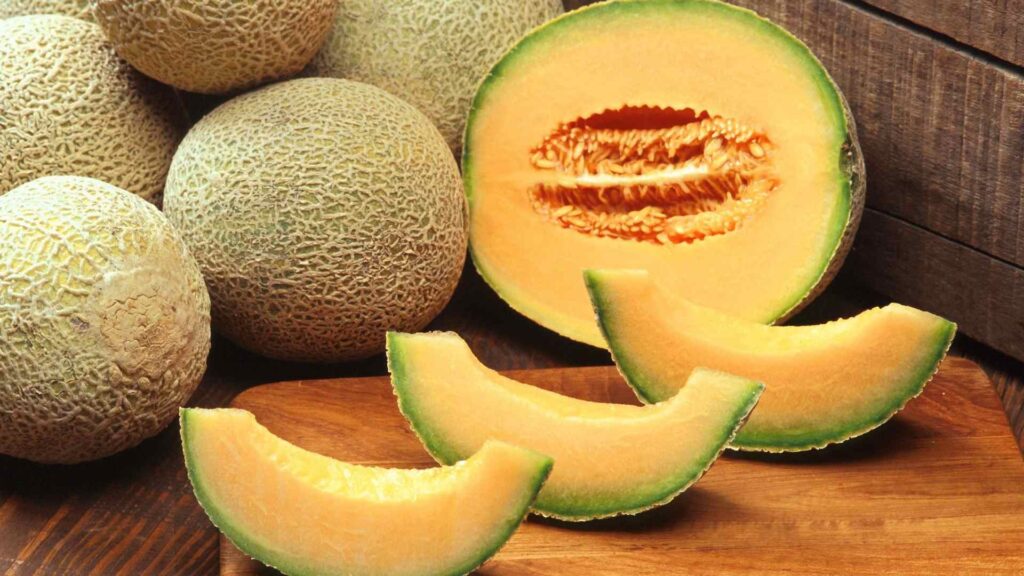
“Melon” usually means sweet fruits in the cucurbit family, including cantaloupe, honeydew, watermelon, canary melon, Galia, Santa Claus melon, and similar ripe dessert melons. Their plain flesh is not recognized as toxic to dogs, although sugar, texture, serving size, and tolerance still matter.
Bitter melon is a different food with pharmacologically active compounds and limited canine feeding evidence. Do not assume it follows the same rules as ripe honeydew or cantaloupe, and do not use bitter melon to change a dog’s blood sugar without veterinary direction.
A product labeled “melon flavor” tells you almost nothing about its safety. Candy, drink mix, gummies, syrup, baked goods, and supplements need a complete ingredient-label review rather than a verdict based on the flavor name.
A quick tour of the common choices
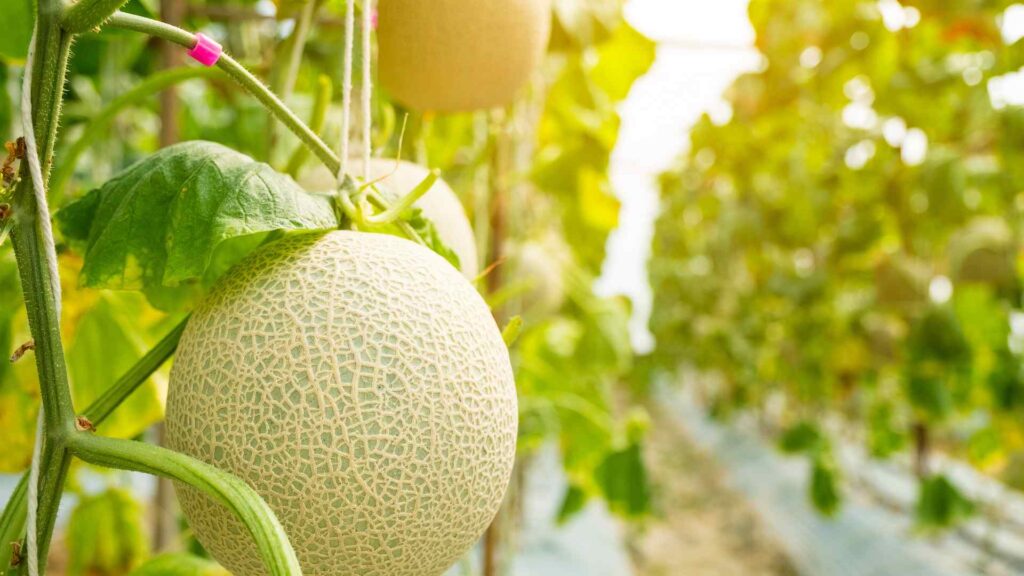
Cantaloupe: Serve only the orange flesh after removing the netted rind and seed cavity. The rind’s rough surface makes careful washing before cutting especially important, even though the rind will not be fed.
Honeydew: Remove the smooth rind and central seeds, then cut the pale flesh into small pieces. A sweeter taste does not make it a better reward, so keep the amount modest.
Watermelon: Use rind-free flesh and remove mature black seeds. Small undeveloped white seeds in a seedless variety are less concerning, but a seedless label never makes the rind edible.
Galia, canary, and similar specialty melons: Treat them like other sweet melons only when the fruit is correctly identified, ripe, fresh, and unseasoned. Remove rind and seeds rather than experimenting with unfamiliar plant parts.
For details that go beyond this overview, use the dedicated guides to watermelon for dogs and cantaloupe for dogs. Their rinds and seed structures differ enough to deserve their own preparation notes.
Rind is the big physical hazard
Melon rind is firm, fibrous, and difficult to break down. A dog may gulp a curved strip or large chunk that lodges in the throat, stomach, or intestine.
Rind is not made safe by chopping it into a smoothie, freezing it, or leaving a thin green edge on the flesh. Cut generously inside the rind and inspect every piece before serving.
The Merck Veterinary Manual describes gastrointestinal obstruction as an emergency that commonly causes vomiting and appetite loss, with possible abdominal pain, dehydration, lethargy, or shock. Some swallowed objects require endoscopic or surgical removal.
A rind scrap that is tiny relative to a large dog may pass without incident, while the same piece can be significant for a toy breed. Amount, shape, dog size, symptoms, and time since ingestion guide the response.
Seeds deserve a proportionate answer
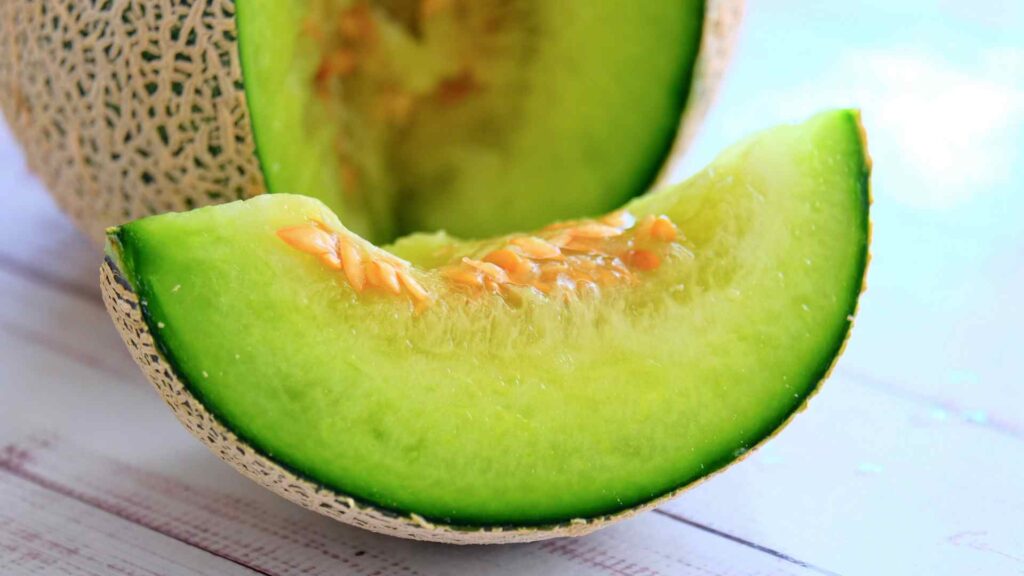
Mature melon seeds are not a useful dog treat, so scoop them out. A few accidentally swallowed seeds are usually more likely to pass or cause mild stomach upset than to create a poisoning emergency.
A dense clump of seeds and stringy pulp is different from one stray seed. Remove the entire central cavity from cantaloupe and honeydew, and pick mature dark seeds from watermelon flesh.
Very small dogs and dogs that gulp food have less margin for error. Seed removal also makes it easier to see the fruit’s condition and cut consistent pieces.
How to prepare melon without making a project of it
First, wash your hands, rinse the intact melon under running water, and clean the knife and cutting surface. The FDA’s produce-safety advice specifically calls for rinsing melons because bacteria on the outside can transfer to the flesh during cutting.
Do not wash produce with soap, detergent, or bleach. A clean produce brush can help with a firm rind, especially the netted surface of cantaloupe, without turning the kitchen into a chemistry experiment.
Cut the melon open, discard the rind and seed cavity, then inspect the flesh for mold, slime, fermentation, or an odd smell. Make small, soft pieces that the dog can chew and swallow comfortably.
Offer one piece first and wait to see how the dog responds. Vomiting, gas, loose stool, itching, or facial swelling means melon should not be offered again without guidance.
Piece size beats a universal serving chart
There is no medically required melon portion, and “one cube” is meaningless unless the cube has dimensions. A first taste should be smaller than the dog’s usual training reward and easy to flatten with gentle finger pressure.
Cut tiny dice for toy breeds and puppies, and use small bite-sized pieces even for large dogs that inhale food. Supervise instead of tossing slippery cubes into the air.
The UC Davis veterinary treat guide recommends that at least 90 percent of calories come from complete and balanced food. Melon shares the remaining allowance with chews, table scraps, dental products, and every other reward.
Dogs with diabetes, obesity, chronic digestive disease, or a prescription diet need individualized advice. “Fruit sugar is natural” is a description, not permission to ignore the feeding plan.
Fresh, frozen, dried, canned, or blended?
Fresh: Plain fresh flesh gives the best control over ripeness, rind, seeds, and piece size. It is the default choice for a dog allowed melon.
Frozen: Frozen chunks become harder and more slippery, so they are not suitable for dogs with dental disease or swallowing problems. Use tiny pieces and partially thaw them rather than handing over a rock-hard cube.
Dried: Water removal concentrates sugar and calories into a small chewy portion. Commercial dried fruit may also carry added sugar, preservatives, or a mixed-fruit ingredient list.
Canned: Melon packed in syrup or sweetened juice is not a sensible dog treat. Even fruit packed in water needs label checking and careful draining, while fresh fruit is simpler.
Blended: Plain melon purée can be served in a tiny amount, but smoothies often add grapes, sweeteners, yogurt, protein powders, caffeine, chocolate, or supplements. Review the entire recipe.
Melon is not hydration or vitamin therapy
Melon contains water, but a few treat pieces cannot correct dehydration, heat illness, prolonged vomiting, or diarrhea. Fresh water is the routine hydration source, and an ill dog needs treatment directed at the cause.
Dogs can synthesize vitamin C and should receive necessary nutrients from a complete diet. Melon does not boost immunity, treat inflammation, improve vision, or replace a balanced ration simply because its human nutrition panel looks colorful.
Weakness, collapse, heavy panting that does not settle, repeated vomiting, tacky gums, or refusal of water warrants prompt veterinary attention. Do not force fruit or liquid into a dog that is poorly responsive or struggling to swallow.
Storage matters more than people expect
Refrigerate cut melon promptly in a clean covered container. The CDC’s Listeria prevention guidance lists cut melon kept in the refrigerator for more than a week among foods to avoid for people at higher risk, which is a useful reminder that cut fruit is perishable.
Discard melon that is moldy, slimy, fizzy, leaking, or fermented-smelling. Cutting around visible mold does not make a soft, water-rich fruit a sensible pet snack.
Keep rinds, produce stickers, plastic wrap, skewers, and food bags away from the dog. A determined scavenger may swallow the packaging while chasing the scent.
What to do after a melon raid
After several rind-free pieces of fresh flesh, remove the rest and monitor a healthy dog for vomiting, diarrhea, gas, or discomfort. Skip additional treats and provide normal access to water.
After rind, a large seed mass, moldy fruit, packaging, or a skewer, call a veterinarian with the dog’s weight, amount, shape, time, and symptoms. Do not feed bread, oil, pumpkin, or more fruit to push a suspected obstruction through.
Seek urgent care for choking, breathing trouble, repeated gagging or retching, repeated vomiting, a painful or swollen abdomen, marked lethargy, inability to keep water down, or collapse. Early imaging can be far more useful than waiting to inspect the stool.
For sweetened or mixed products, save the package and check for xylitol or birch sugar, grapes or raisins, chocolate, alcohol, caffeine, and macadamia nuts. Do not induce vomiting unless a veterinary professional directs it for that exact exposure.
When another fruit makes more sense
A dog that dislikes melon loses nothing by skipping it. Properly prepared mango, orange flesh, or pomegranate each comes with different preparation and tolerance questions.
Cucumber is botanically related and similarly crisp, but its lower sweetness does not make it medical food. Review the cucumber preparation guide before offering peel, seeds, or large rounds.
The bottom line
Most healthy dogs can enjoy small pieces of washed, fresh cantaloupe, honeydew, watermelon, or another correctly identified sweet melon. Serve only plain flesh, remove rind and mature seeds, cut for the dog’s chewing style, and count it within the treat budget.
Do not use melon as hydration, vitamin, blood-sugar, or weight-loss therapy. Rind, oversized pieces, spoiled fruit, and complicated products are the real troublemakers, while a modest bite of fresh flesh is usually just a bite of fruit.