Can Dogs Eat Okra? Plain Pods, Seeds, and Recipe Risks
Yes, most healthy dogs can eat a small amount of plain okra. Wash it, trim the stem cap, and cut the pod crosswise into small pieces; raw okra can be chewy and stringy, while plain steamed or boiled okra is usually easier to manage.
The short answer, minus the superfood sales pitch
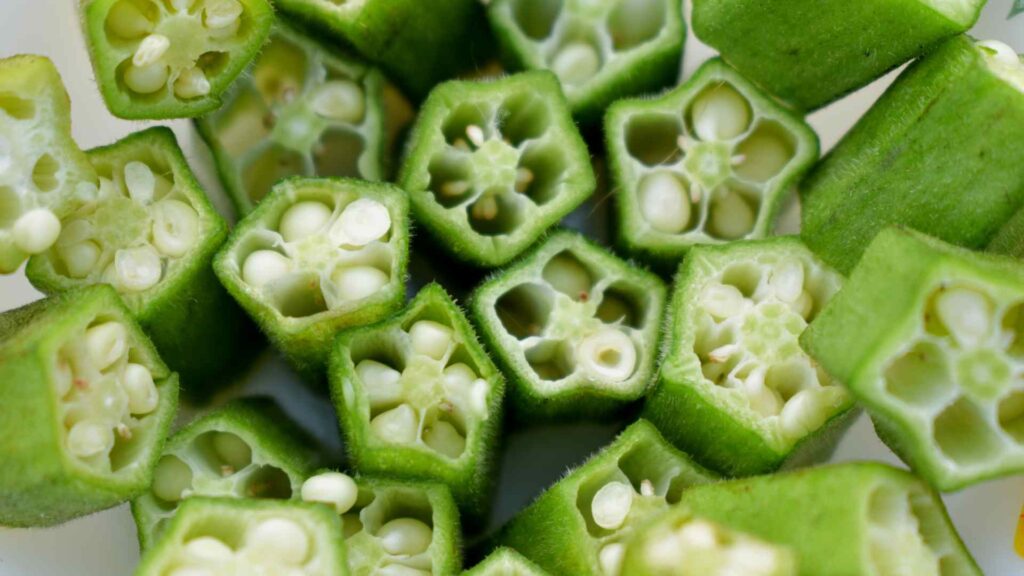
Plain okra pods and their soft internal seeds are not known to be toxic to dogs. The practical concerns are fibrous texture, piece size, digestive tolerance, and all the ingredients people commonly cook around them.
Okra does not need to become a routine part of a dog’s diet. Complete and balanced dog food supplies required nutrients, so a dog who treats okra like a green insult is not missing a health intervention.
Do not use okra to treat constipation, diabetes, high blood sugar, obesity, inflammation, or another medical condition. A human nutrition study or an eye-catching fiber claim is not a canine treatment plan.
Raw versus cooked okra
Raw okra: Fresh raw pod is crisp but can be tough, ridged, and stringy, especially when large or mature. Choose a small tender pod, remove the hard cap, and slice it into thin rounds rather than handing it over whole.
Steamed or boiled okra: Plain cooking softens the fibers and can make chewing easier. Cool it fully, drain it, and cut it again because a soft whole pod can still be gulped.
Roasted okra: A piece cooked without oil or seasoning may be acceptable, but crisp dried edges can be harder than expected. Most human recipes add enough fat, salt, or spice to make sharing unnecessary.
Frozen okra: Commercial plain frozen okra is usually blanched and can be cooked without seasoning. Do not offer rock-hard frozen pieces, which raise dental and choking concerns.
What about the seeds and the slippery texture?
The round white seeds inside a normal edible okra pod are part of the vegetable and are not considered a canine toxin. There is no need to scrape every seed away from a few properly cut pieces.
Mature, dried okra pods have harder seeds and a woodier shell, so they belong in a seed packet or compost bin rather than a dog bowl. Food preparation guidance for tender pods should not be stretched to dried garden material.
Okra’s mucilage creates the familiar slippery liquid during cooking. That texture is not toxic, but it can make a large piece easier for an eager dog to gulp without chewing.
A five-minute preparation routine
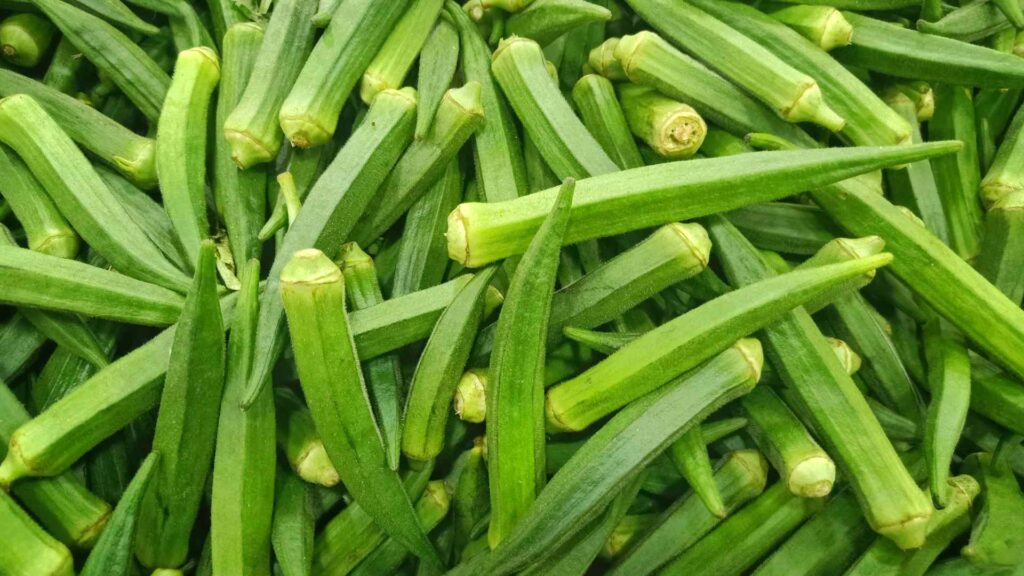
Choose firm green pods without mold, slime, dark wet spots, or a fermented odor. The FDA’s produce-safety guidance recommends rinsing produce under running water and keeping it separate from raw meat, poultry, and seafood.
Wash your hands, rinse the pod, and trim off the tough stem cap without cutting into spoiled tissue. Do not use soap, bleach, or detergent on the vegetable.
Slice raw pod into thin rounds, or steam it until tender and cool completely before cutting. Offer one small piece on its own so any digestive response is easy to interpret.
Watch the dog chew and swallow rather than tossing a slick round across the room. Smaller pieces are especially important for puppies, toy breeds, senior dogs, and pets that eat as if the bowl might escape.
Why a whole pod can be a problem
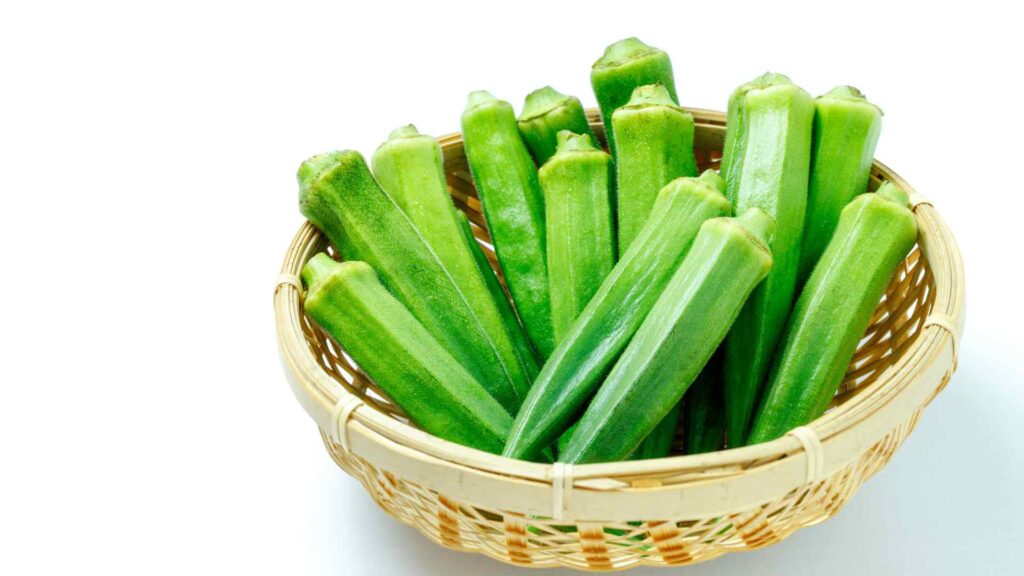
A whole okra pod is tapered, fibrous, and easy to seize lengthwise. It can lodge in the throat or arrive in the stomach as a poorly chewed wad.
Cutting does not merely make the treat look tidy; it reduces the amount of material that must bend and break during swallowing. For dogs with known swallowing disorders, follow the texture specified by their clinician instead of improvising with vegetables.
The Merck Veterinary Manual’s obstruction review lists vomiting, appetite loss, abdominal pain, dehydration, and lethargy among possible signs. A lodged object can damage tissue and may require endoscopy or surgery.
How much is enough?
There is no evidence-based okra quota for dogs, and counting pods ignores their wildly different sizes. Begin with one thin round and keep any later serving small enough to remain an occasional taste.
The World Small Animal Veterinary Association treat guide recommends keeping treats at no more than 10 percent of daily calories. Okra shares that allowance with chews, training rewards, table scraps, and toppers.
More fiber is not automatically better. A sudden pile of okra can lead to gas, loose stool, abdominal discomfort, or vomiting, particularly in a dog already eating a fiber-appropriate complete diet.
Dogs on calorie-controlled, prescription, elimination, or gastrointestinal diets need approval before any extra ingredient. The issue may be calories, nutrient balance, fiber level, food-trial integrity, or simply knowing exactly what the dog ate.
Fried okra is a different proposition
Fried okra adds oil, batter, salt, and often a seasoning blend. Greasy food commonly causes digestive upset, adds substantial calories, and is an especially poor choice for a dog with pancreatitis or a prescribed low-fat diet.
One dropped fried round is unlikely to poison most healthy dogs, but that is not a reason to serve a basket. Remove access, check the seasoning, and monitor for vomiting, diarrhea, reduced appetite, or abdominal pain.
Breading can include onion powder, garlic powder, pepper, dairy, or allergens. Restaurant staff may not have an exact recipe, so uncertainty should push the decision toward skipping it.
Pickled okra is mostly a brine question
Pickled okra typically carries substantial sodium plus vinegar, garlic, chili, dill, sugar, or other spices. Fresh or plainly cooked okra avoids the ingredient detective work.
A small plain-tasting pickled piece may cause no problem in a healthy dog, while a jar raid or brine exposure warrants a label-based call. Water access, dog size, amount, sodium content, and medical history all affect risk.
The same logic applies to other brined vegetables, and the guide to pickles for dogs explains why cucumber and brine need separate answers. Fermentation does not turn a salty human condiment into canine probiotic therapy.
Gumbo: inventory the whole pot
Gumbo can contain onion, garlic, sausage, salt, roux, butter or oil, hot pepper, seafood shells, and bones. The okra may be safe by itself while the finished dish is unsuitable.
The ASPCA’s people-food safety page explains that onion and garlic can damage canine red blood cells and that excessive salt can cause serious signs. Powders and concentrated seasonings count, even when no visible onion slice remains.
Review the site’s specific garlic guidance if garlic appears in a recipe. Red blood cell effects can be delayed, which makes prompt, amount-based veterinary advice more useful than waiting for a dramatic symptom.
Okra is not a glucose or digestive treatment
Claims that okra water lowers blood sugar are not a basis for changing a dog’s diabetes care. Insulin dose, meal composition, timing, glucose monitoring, and illness management belong with the veterinarian overseeing the case.
Do not add okra water to a bowl to force fiber or fluids into a sick dog. Refusing water, repeated vomiting, weakness, collapse, or altered behavior needs assessment, not a vegetable infusion.
Likewise, constipation has many possible causes, including dehydration, pain, swallowed material, medication effects, and obstruction. Adding fibrous food without understanding the cause can delay useful care.
Who should be more cautious?
Dogs with swallowing or dental problems: Raw pods may be too tough, and soft whole pods may still be gulped. Use only an approved texture and stop if the dog coughs, gags, or struggles.
Dogs with chronic digestive disease: New fiber can aggravate gas, vomiting, or diarrhea. Do not use okra as a home trial during an active flare.
Dogs with urinary stone restrictions: Therapeutic diets are designed around specific mineral and urine goals. Ask before adding vegetables instead of reasoning from a general “healthy food” list.
Puppies and very small dogs: Growing puppies need almost all calories from balanced puppy food, and their okra pieces must be tiny. A whole pod is never an age-appropriate chew.
What to do after accidental ingestion
After a few small pieces of plain raw or cooked okra, remove the rest and monitor a comfortable dog. Mild gas or one soft stool may settle, but persistent or worsening signs deserve a call.
After a whole pod or several large pieces, watch for repeated gagging, retching, vomiting, appetite loss, abdominal pain, or lethargy. Breathing trouble, collapse, a swollen painful abdomen, or repeated unproductive retching requires urgent care.
For fried, pickled, or stewed okra, save the label or recipe and estimate the amount and time. Check for onion, garlic, xylitol or birch sugar, alcohol, excessive salt, fatty meat, bones, skewers, and packaging.
Do not induce vomiting or give peroxide, salt, oil, milk, charcoal, or a high-fiber meal unless a veterinary professional directs it for this case. The wrong home response can increase aspiration or obstruction risk.
Other green options
If okra’s texture is unpopular, compare plain zucchini, bell pepper, carrot, or peas. None needs to be sold as therapy, and each still requires species-specific preparation.
The bottom line
Plain okra can be an occasional treat for many healthy dogs. Wash it, remove the tough cap, cut the pod small, and choose gentle cooking when raw fibers are too chewy.
The seeds inside a tender pod are not the villain; whole pods, oversized pieces, sudden fiber, fried coating, salty brine, and gumbo ingredients are the more useful concerns. Okra can provide variety, but it should never moonlight as diabetes, constipation, or weight-loss treatment.