Can Dogs Have Soy Sauce? Sodium, Marinades, and Spill Triage
Dogs should not be given soy sauce as a treat or topper. One small lick is unlikely to cause salt poisoning in most healthy dogs, but a bowl, bottle, marinade, or concentrated spill can deliver substantial sodium, especially to a small dog or one without reliable access to fresh water.
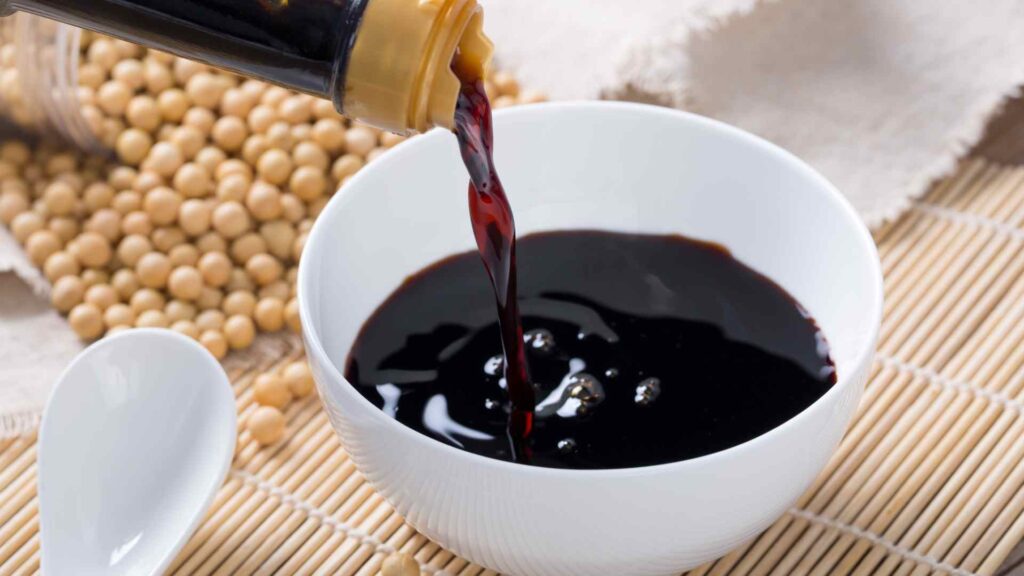
The issue is sodium, not soy panic
Soy sauce is a fermented condiment built to taste salty and intense in small human portions. Dogs do not need that flavor boost, and the concentrated sodium makes plain food or a dog-specific treat the easier choice.
A lick from the edge of a plate and drinking from a dipping bowl are meaningfully different exposures. Product sodium, amount consumed, dog weight, water access, health history, and symptoms determine urgency.
Soy itself is not the main acute concern in ordinary soy sauce, though an individual dog can have an adverse food reaction. Do not confuse a possible allergy with salt toxicosis, which involves excessive sodium and fluid balance.
Read sodium per serving, then count servings
The Nutrition Facts panel lists sodium for one labeled serving, which may be only a tablespoon. A dog that tips a dipping dish or chews a bottle cap can consume several servings before anyone notices.
The FDA sodium-label guide explains how to use the listed serving size and milligrams to compare packaged foods. Human Daily Value percentages are not canine dose limits, so report milligrams and amount to the veterinarian instead of converting the percentage yourself.
Measure what remains when practical, photograph the bowl, and keep the bottle. A brand name alone is less useful than the exact formulation and estimated volume missing.
Low-sodium soy sauce is still soy sauce
“Reduced sodium” usually means less sodium than that brand’s standard version, not a sodium-free product. It can remain far saltier than anything a dog needs as a routine topping.
Compare actual milligrams per serving rather than trusting front-label language. Tamari, shoyu, coconut aminos, liquid aminos, and gluten-free sauces also require their own label check.
Coconut aminos may contain less sodium than some soy sauces, but “less” does not mean unlimited or medically suitable. Added sugar, flavoring, garlic, and serving size can still matter.
What salt toxicosis looks like
The Merck Veterinary Manual explains that excessive sodium chloride, especially when water is limited, can cause salt toxicosis. In dogs, vomiting may progress to weakness, diarrhea, muscle tremors, and seizures.
Early signs can overlap with ordinary stomach upset, so exposure history matters. Unusual thirst, repeated vomiting, wobbliness, confusion, tremors, seizures, collapse, or abnormal behavior after a meaningful salty exposure deserves prompt veterinary attention.
Salt toxicosis is diagnosed with history, examination, and laboratory testing, not by taste or a universal spoon threshold. A small dog, water-deprived dog, or dog with kidney, heart, endocrine, or neurologic disease needs a lower threshold for calling.
Water helps, but DIY overwatering can hurt
After a small lick, allow normal access to fresh water and observe. Do not force the dog to drink, syringe water into the mouth, or encourage frantic consumption of an enormous volume.
In established hypernatremia, sodium and water balance may need slow, monitored correction because rapid shifts can contribute to brain swelling. That is why a concerning exposure belongs with a veterinarian rather than a homemade gallons-per-hour plan.
Do not withhold water from a comfortable dog after a minor lick unless a veterinarian specifically directs it. The safe middle ground is normal access plus early professional advice when the amount is substantial or symptoms appear.
Marinades are more than salty liquid
Teriyaki, stir-fry sauce, bulgogi marinade, and dipping sauces may add garlic, onion, chili, sugar, alcohol, sesame oil, citrus, and sweetener. Inventory the full recipe rather than stopping at soy sauce.
Garlic and onion can damage canine red blood cells, with signs potentially delayed. Use the focused garlic and onion guides when either ingredient appears.
Sugar-free specialty sauces deserve a xylitol or birch sugar check, though xylitol is not a standard soy-sauce ingredient. Alcohol-containing marinades, spicy oils, and unknown restaurant sauces warrant product-specific guidance.
Foods carrying soy sauce
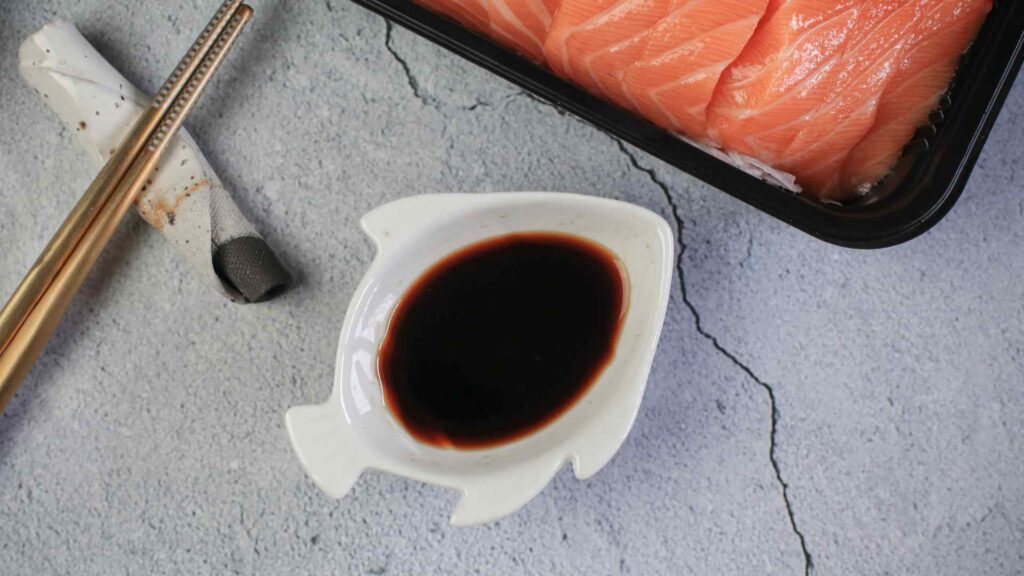
Sushi: Soy sauce can accompany raw fish, avocado, spicy mayonnaise, tempura, wasabi, and pickled ginger. The fish guide explains raw pathogen, parasite, species, and bone concerns.
Fried rice: Onion, garlic, oil, egg, meat, and large portions complicate the bowl. One grain carrying a trace of sauce differs from eating the takeout carton.
Noodles: Sauce may collect at the bottom, making the last bites saltier than they look. Packaging, chopsticks, and skewers add foreign-body hazards.
Jerky: Dried meat concentrates ingredients and may combine soy sauce with garlic, onion, sugar, and smoke flavor. Do not use human jerky as routine dog treats.
Glazed meats: Fat, bones, skewers, and sauce all matter. Processed meats already high in sodium, such as hot dogs, do not become safer with a salty glaze.
Dogs who should avoid even casual sharing
Dogs with heart disease, kidney disease, high blood pressure, fluid-balance disorders, or a prescribed sodium-restricted diet should not receive soy sauce. Their veterinary plan outranks a general internet assurance about one lick.
Puppies and toy breeds have small body mass and little room for condiment calories or sodium. Older dogs may have undiagnosed or managed disease that makes salty foods a poor gamble.
Dogs on elimination diets should avoid soy-containing extras unless soy is part of the approved plan. A food trial cannot answer useful questions when unrecorded sauces keep appearing.
What to do after a soy-sauce spill
For one small lick by a comfortable healthy dog, remove access, offer normal fresh water, and monitor for vomiting, diarrhea, unusual thirst, weakness, or behavior change. Skip other salty treats that day.
For a dipping bowl, bottle, concentrated marinade, uncertain amount, small dog, limited water access, or relevant medical condition, call promptly. Give the brand, nutrition panel, milligrams per serving, amount missing, time, dog weight, and symptoms.
Seek emergency care for repeated vomiting, marked weakness, wobbliness, tremors, seizures, collapse, or altered awareness. Do not wait for every sign to appear.
Do not induce vomiting or give salt, peroxide, charcoal, sports drinks, broth, diuretics, or homemade electrolyte solutions unless directed. The ASPCA people-food guide also lists excessive salt among serious pet hazards.
Soy-sauce varieties still need numbers
Dark, light, double-fermented, sweet, mushroom, seasoned, and aged soy sauces are culinary categories, not canine safety tiers. Color does not reliably reveal sodium, and a sweeter sauce can still carry substantial salt.
Tamari may contain little or no wheat, which matters to a person avoiding gluten, but it does not make the condiment low sodium or dog food. Shoyu and regional sauces likewise vary by recipe and brand.
Packets create a special estimation problem because several may disappear at once along with plastic or foil. Count unopened packets, estimate how many were punctured, and report swallowed packaging as a separate concern.
Soy allergy is a different timeline
A dog with a diagnosed soy allergy or an elimination diet should avoid soy sauce even when sodium exposure is small. Possible food-reaction signs include itching, recurrent ear or skin trouble, vomiting, or diarrhea rather than the neurologic pattern expected in severe hypernatremia.
Facial swelling, hives, collapse, or breathing trouble after any food is an emergency. Do not attempt to diagnose an allergy from one episode or start over-the-counter medication without veterinary dosing advice.
Preventing the counter-surfing version
Refrigerate products when the label directs, wipe bottle threads, and store packets, takeout containers, and dipping dishes behind a closed door. A push-top bottle is not secure when a dog can puncture it.
Clear leftovers before leaving the room, especially after sushi, barbecue, or stir-fry meals where multiple sauces and skewers are present. Empty food bags and sauce packets belong in a lidded bin.
When caregivers share feeding duties, write sodium restrictions where everyone can see them. “Just a splash” can become several splashes when nobody realizes the dog already received one.
Why home dose tables mislead
Published toxicology thresholds describe sodium chloride under particular conditions, while a sauce label lists sodium and a dog may have eaten an uncertain volume. Converting between those numbers without accounting for water access, formulation, and health creates false precision.
A clinician can decide whether history alone supports observation or whether examination and serum electrolytes are warranted. The useful owner job is preserving evidence, not solving fluid therapy on a kitchen calculator.
If the spill occurred outdoors, in a car, or during travel, confirm that fresh water was actually available rather than assuming the dog drank earlier. Heat, exercise, vomiting, and diarrhea can alter hydration context, so include them when describing the exposure.
Bring the dog’s current medication list as well. Diuretics and diseases affecting thirst, urination, kidneys, or circulation can change how a veterinary team evaluates a salty-food incident.
The bottom line
Do not use soy sauce as a dog-food topper. One lick is usually low risk for a healthy dog, while a bowl, bottle, salty marinade, water limitation, small body size, or underlying disease can change the situation quickly.
Keep normal water available after a minor exposure but do not force large amounts. Read the label, count servings, check garlic and onion, and let the actual sodium dose and the dog’s condition determine the call.