Can Dogs Eat Eggshells? Fragments, Calcium, and Raw Egg Risks
A few tiny eggshell fragments accidentally stuck to cooked egg are usually low risk for a healthy dog, but deliberately feeding shells as calcium is a different decision. Sharp pieces, choking, raw-egg contamination, constipation, mineral imbalance, and an improperly formulated homemade diet all deserve attention.
Accident versus supplement
- One tiny cooked shell fleck: usually monitor for gagging or digestive upset.
- Several jagged shells: call if the dog is small, has swallowing disease, or develops signs.
- Raw eggs and shells from the trash: consider bacterial contamination, spoiled food, and packaging.
- Ground eggshell powder: use only in a recipe formulated for the individual dog by a qualified veterinary nutrition professional.
- Membrane, joint, or calcium supplement: assess the full product, dose, quality, and medications rather than treating it as kitchen waste.
Save the carton or supplement and note amount, time, dog weight, symptoms, conditions, medications, diet, and missing trash. Separate shell from raw egg, cooked egg, powder, membrane, and multi-ingredient products in the history.
Why a tiny accidental fragment is usually different
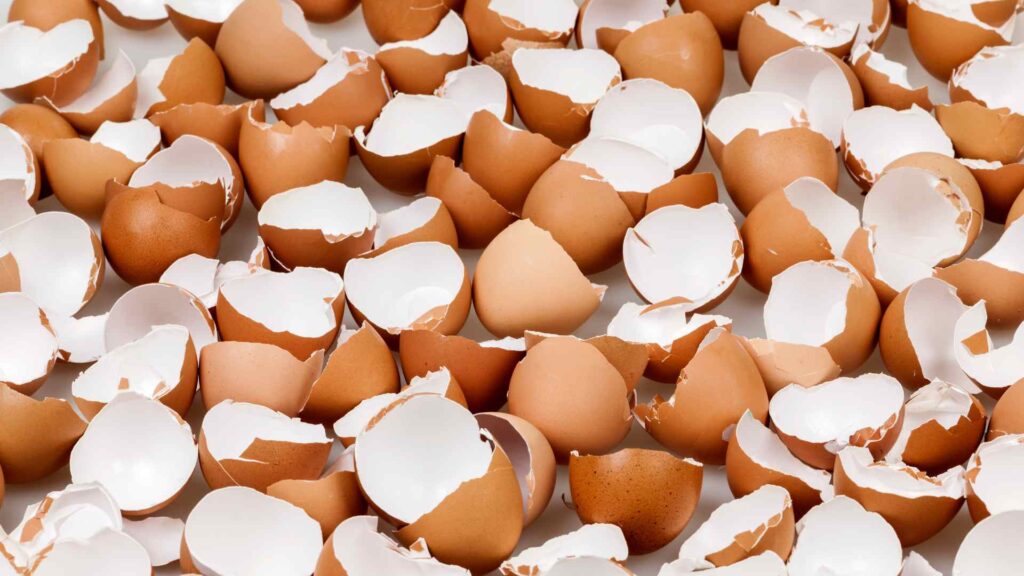
Eggshell is mostly mineral material and is not generally treated as a poison. A tiny fragment from a fully cooked egg will often pass without trouble in a healthy dog.
That reassurance does not extend to handfuls of jagged shell, a whole egg swallowed rapidly, or daily calcium supplementation. Form, amount, sharpness, contamination, and the dog’s digestive history change the question.
Our egg guide covers cooked and raw eggs, seasoning, allergy, and shell context. This guide focuses on the shell as foreign material and mineral source.
Sharp edges and choking
Broken shells can have sharp points that irritate the gums, tongue, throat, stomach, or intestines. Large curved pieces can also lodge in the mouth or trigger gagging in a small or fast-eating dog.
Do not blindly sweep the mouth or pull a deeply lodged piece from the throat. Continuous coughing, pawing at the mouth, blue or gray gums, or difficulty breathing is an emergency.
Call for repeated vomiting, drooling, blood from the mouth, abdominal pain, black or bloody stool, refusal to eat, straining, or marked lethargy. Do not induce vomiting because sharp fragments can injure the esophagus on the way back up.
Raw shell can carry contamination
Fresh eggs with clean, uncracked shells can still contain or carry Salmonella, and raw egg handling can contaminate hands, counters, utensils, bowls, and other food. Trash eggs add spoilage and mixed-waste risks.
The FDA egg safety guide recommends refrigeration, thorough cooking, and washing hands, utensils, equipment, and work surfaces with hot soapy water after raw egg contact. Follow the same household precautions after a dog raids raw eggs.
Dogs may show vomiting, diarrhea, appetite loss, feverish behavior, abdominal pain, or lethargy, while some exposed dogs show few signs and still spread organisms. Young, elderly, pregnant, or immunocompromised people should avoid contaminated bowls and feces.
Cook eggs until white and yolk are firm when sharing any plain egg, and wash the serving bowl promptly. Our cooked egg guide covers portions and preparation.
Eggshell calcium is not a universal recipe
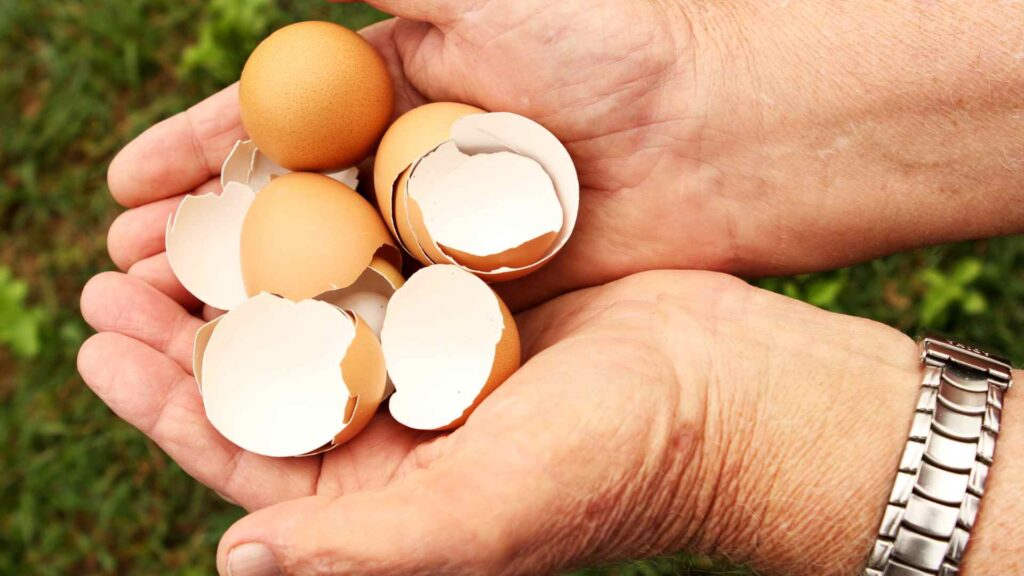
Ground eggshell can supply calcium in some professionally formulated homemade diets, but the correct amount depends on the entire recipe, ingredient weights, life stage, energy intake, phosphorus, and the dog’s health. A teaspoon copied from the internet cannot balance every batch.
Calcium and phosphorus must be provided in appropriate amounts and proportion, and excess calcium can be especially harmful during growth. Large-breed puppies have little margin for improvised mineral supplementation.
The FDA complete-and-balanced pet food guide explains how nutritional adequacy is established and why table scraps can unbalance a diet. A complete commercial food already includes formulated minerals and generally should not receive eggshell calcium.
Dogs with kidney disease, urinary stones, parathyroid disease, skeletal disease, pregnancy, lactation, or prescribed diets need individualized planning. Do not add calcium because a blood value looked low without the veterinarian interpreting the cause.
Why measuring shell powder is harder than it looks
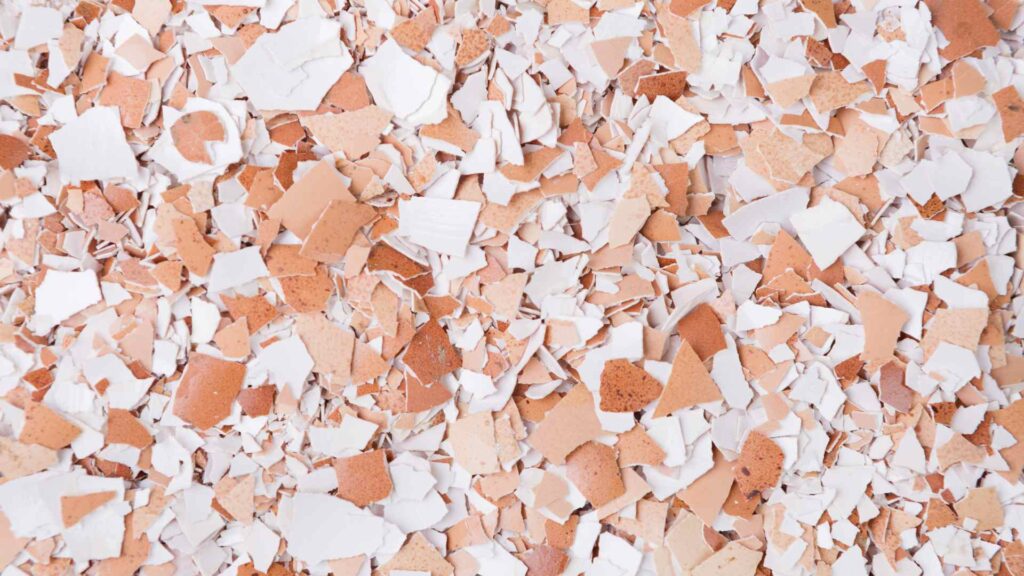
Shell size, thickness, membrane removal, grinding fineness, packing, moisture, and spoon technique change how much mineral fits into a household measure. A coarse teaspoon and a tightly packed fine powder are not equivalent.
Professionally formulated recipes use weights and a defined ingredient specification, not a handful of shells from mixed egg sizes. Changing meat, organs, grains, yield, or portion size can change the calcium requirement.
If a veterinary nutritionist includes eggshell, ask for exact preparation, gram weight, batch size, storage, brand or source, substitutions, and recheck schedule. Do not double the powder when doubling only one recipe ingredient.
Too much can cause digestive and mineral problems
A sudden large amount of shell powder may cause vomiting, constipation, chalky stool, abdominal discomfort, or appetite changes. Chronic excess can disrupt mineral balance and skeletal development rather than simply passing harmlessly.
Call after a supplement or powder raid with the product concentration, ingredient list, container size, amount left, time, and dog weight. Capsules and flavored powders may contain vitamin D, xylitol, herbs, or other minerals that change urgency.
Repeated straining, severe abdominal pain, inability to pass stool, vomiting, weakness, collapse, or abnormal thirst and urination warrants prompt evaluation. Do not add oil, milk, laxative, or more fiber without instructions.
Shell membrane is not proven joint treatment
Eggshell membrane supplements are marketed for joints, mobility, skin, and connective tissue, but a few studies or ingredient compounds do not establish that a kitchen membrane treats arthritis in an individual dog. Product extraction, dose, quality, and evidence matter.
Stiffness, limping, reluctance to jump, or exercise intolerance can come from arthritis, injury, neurologic disease, nail problems, infection, or other causes. A veterinary examination should define the problem before supplements replace proven pain management.
Tell the veterinarian about every supplement, including chews and powders, because products add calories and can interact with diet or medication plans. Do not stop prescribed treatment in favor of membrane.
Trash raids are mixed exposures
Kitchen trash containing shells may also hold raw meat packaging, bones, onion, garlic, coffee grounds, grapes, raisins, chocolate, xylitol products, skewers, foil, string, and moldy food. The shell may be the least urgent item.
Secure the bin, photograph the spill, inventory what is missing, and call with the maximum plausible exposure. Do not wait for symptoms when a high-risk toxin or sharp object could have been swallowed.
Plastic egg cartons, foam trays, cardboard, labels, clips, and garbage bags can choke, obstruct, or suffocate. Report every missing piece and keep food waste in a lidded pet-proof container.
If a formulated recipe uses eggshell
- Use the exact egg source or standardized powder specified by the veterinary nutritionist.
- Follow the cooking or sanitation, drying, membrane removal, grinding, and storage instructions exactly.
- Weigh the powder in grams with an appropriate scale instead of estimating a spoon.
- Prepare the full recipe by weight and do not make ingredient substitutions without approval.
- Attend recommended weight, growth, blood, urine, and diet rechecks.
The World Small Animal Veterinary Association nutrition FAQ emphasizes complete diet assessment and controlled extras. Mineral supplementation belongs inside formulation, not beside it.
Homemade diets need the whole calculation
Adding eggshell to meat does not by itself create a complete diet. Dogs also need appropriate essential amino acids, fatty acids, trace minerals, vitamins, energy, and fiber or carbohydrate choices tailored to the complete recipe.
Online recipes often drift when owners swap meats, change fat percentages, cook off different amounts of water, or measure finished portions by volume. Each change can alter energy and nutrient density even when the bowl looks nearly identical.
A veterinary nutritionist can formulate for body weight, life stage, disease, medications, food preferences, and realistic preparation habits. The recipe should state ingredient weights, cooking yields, supplement products, storage, daily amount, and how often it needs reassessment.
Bone meal, dairy, multivitamins, and bone broth are not interchangeable with eggshell powder. They contribute different minerals and other nutrients, so substituting one calcium source for another can unbalance the formulation.
Storage and kitchen handling matter
Do not save damp shells at room temperature in an open bowl where bacteria, insects, and mold can grow. If a formulated recipe calls for shell, follow its exact sanitation, heat, drying, grinding, container, and expiration instructions.
Keep shell powder in a clearly labeled pet-proof container away from flour, powdered sugar, and human supplements. A mix-up can cause both a dosing error for the dog and unwanted calcium in family food.
Clean grinders and food-preparation surfaces after use, especially when the shells contacted raw egg. People at greater risk from foodborne illness should not handle raw shell or contaminated pet bowls without appropriate precautions.
Discard any batch with moisture, an unusual odor, visible growth, insects, or uncertain storage history. Replacing questionable powder is safer than trying to rescue it with extra heat.
What to do after an eggshell exposure
Secure remaining shell and trash, identify raw fragments, cooked flecks, coarse shell, powder, membrane, or supplement, and estimate amount and time. Record dog weight, diet, conditions, medications, symptoms, and every co-exposure or missing object.
Call for choking signs, sharp or large amounts, supplement raids, raw-food illness, medical vulnerability, dangerous trash ingredients, packaging, or significant symptoms. Do not induce vomiting or force food, oil, milk, calcium, or laxative unless a veterinarian directs you.
Bottom line
A tiny eggshell fleck on cooked egg is usually low risk, but jagged shell, raw contamination, large amounts, and powder raids need closer assessment. Deliberate eggshell calcium belongs only in a complete veterinary-formulated recipe, never a universal online dose.