Can Dogs Eat Brown Sugar? Spills, Baked Goods, Dough, and Xylitol
A tiny lick or pinch of ordinary brown sugar is unlikely to poison most healthy adult dogs, but brown sugar is not a useful treat. A large amount can cause digestive upset and add excessive calories, while baked goods, raw dough, chocolate, raisins, macadamias, xylitol, alcohol, and swallowed packaging may be the real danger.
Begin with the product, not the color
- A small spill of ordinary brown sugar: usually monitor a healthy dog.
- A bag or packed cup: assess quantity, medical conditions, and packaging.
- Sugar-free or reduced-sugar recipe: check immediately for xylitol.
- Cookie, cake, glaze, sauce, or oatmeal: review every ingredient.
- Raw yeast dough: call promptly because fermentation and expansion are separate hazards.
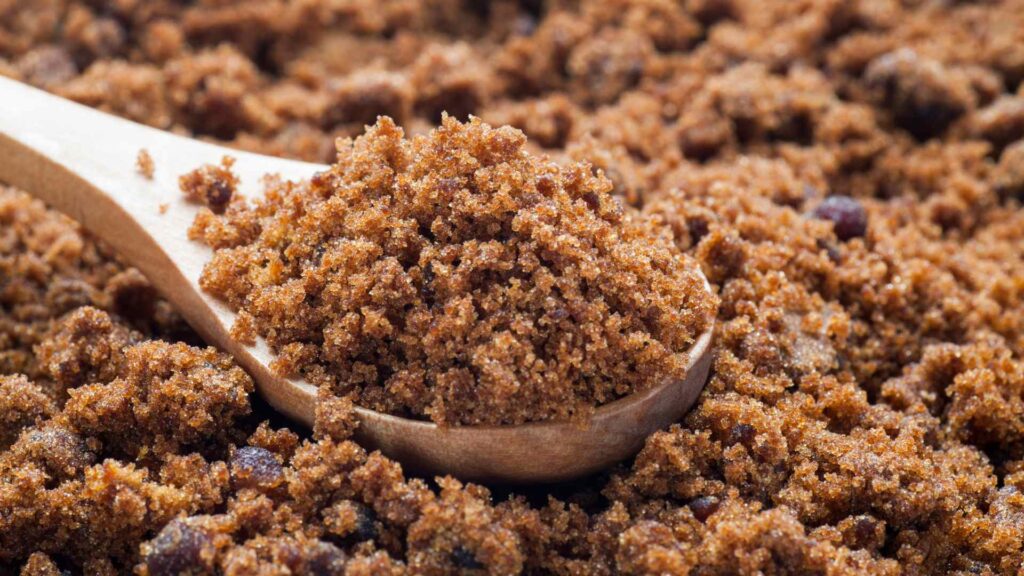
Brown sugar is generally sucrose mixed with molasses, whether naturally retained or added back during processing. The molasses changes flavor and moisture, not the basic truth that this is concentrated added sugar.
Ordinary brown sugar is not xylitol
Brown sugar and xylitol are different sweeteners, and ordinary brown sugar does not become xylitol because it looks granular. Confusion matters because their canine risk profiles are radically different.
The Merck Veterinary Manual xylitol review explains that xylitol can cause profound low blood sugar in dogs and sometimes liver injury. Check sugar-free, keto, low-carb, dental, and specialty products rather than assuming every brown sweetener is ordinary sugar.
Confirmed xylitol exposure is an immediate call even before symptoms. Weakness, vomiting, incoordination, tremors, seizures, or collapse can follow hypoglycemia.
Sugar adds calories without balancing a diet
Brown sugar provides quickly available carbohydrate but no reason to feed it to a healthy dog. It cannot build useful energy reserves, improve athletic performance, or replace complete nutrition.
The UC Davis veterinary treat guideline recommends keeping all treats and extras below 10 percent of daily calories. Added sugar can use that allowance without offering meaningful satiety or balanced nutrients.
Repeated sugary treats contribute to calorie excess and can complicate weight or diabetic management. A small accidental lick is proportionally different from a daily spoonful.
Brown sugar is not a home treatment for low blood sugar
Weakness, tremors, collapse, or seizures can have many causes, and forcing sugar into a dog’s mouth can cause aspiration or delay emergency care. Hypoglycemia treatment depends on cause, severity, and the dog’s ability to swallow.
Follow real-time veterinary instructions for a diabetic dog, puppy, or suspected xylitol exposure. Do not improvise an oral brown-sugar dose or change insulin on your own.
A large sugar raid can upset digestion
A big amount can cause vomiting, diarrhea, gas, thirst, or abdominal discomfort from the osmotic load and sudden diet change. The missing bag or container may create a foreign-object problem too.
Repeated vomiting, severe diarrhea, marked pain, weakness, dehydration, a swollen abdomen, or inability to keep water down warrants a call. Puppies, tiny dogs, and medically fragile animals deserve a lower threshold.
Cookies and cakes hide more important ingredients
Brown-sugar cookies, cakes, blondies, and bars can contain butter, chocolate, cocoa, raisins, currants, macadamias, coffee, alcohol, nut butter, or sugar substitutes. The recipe matters more than the sugar shade.
Our chocolate guide explains why cocoa type and amount matter. Our grape and raisin guide covers the unpredictable kidney risk from dried grapes.
Brownies and blondies are not interchangeable because one may contain cocoa and the other white chocolate or macadamias. Save the package or recipe and estimate how many pieces are missing.
Raw cookie batter and raw flour
The FDA raw-flour safety guidance explains that flour is raw and can carry harmful bacteria until cooked. Raw egg creates another food-safety issue, and batter may include chocolate or xylitol.
A lick is not guaranteed to cause infection, but raw batter should not be offered. Call after a large amount, especially for a puppy, pregnant dog, senior, or immunocompromised animal.
Yeast dough is a different emergency
Raw yeast dough can expand in the stomach and produce ethanol during fermentation. Sugar in the recipe can feed that process, but the live dough is the key exposure.
The Merck Veterinary Manual bread-dough review describes abdominal distention, unproductive retching, lethargy, incoordination, weakness, low body temperature, seizures, or coma. Call immediately and do not wait for the dough to rise.
Do not induce vomiting or give cold water unless a veterinary professional directs it. Sticky expanding dough can be difficult to remove and neurologic signs increase aspiration risk.
Glazes, barbecue sauce, and savory recipes
Brown sugar appears in ham glaze, barbecue sauce, baked beans, teriyaki, bacon, and sweet potatoes. Those dishes can add onion, garlic, salt, fat, mustard, alcohol, bones, or skewers.
Our onion guide explains why cooked and powdered onion remains relevant. Rinsing visible sauce away does not prove ingredients mixed through the food are gone.
A tiny glazed crumb is different from eating a rack of ribs with bones and foil. Count the nonfood objects and save the full recipe.
Oatmeal and breakfast bowls
Brown-sugar oatmeal may also contain raisins, xylitol sweetener, milk, butter, nuts, chocolate, or hot liquid. Cinnamon itself is not the only issue in a prepared bowl.
Hot food can burn the mouth, while a paper cup, lid, or spoon may be swallowed. Check temperature and packaging after a counter raid.
Molasses is not a mineral supplement
Brown sugar contains some molasses, but a sensible treat amount cannot correct iron or mineral deficiency. Increasing the dose adds sugar faster than it provides any useful treatment.
Dogs with anemia, weakness, poor appetite, or weight loss need a diagnosis. Home sweeteners can mask signs and disrupt a balanced medical plan.
Caramel, candy, diabetes, and pantry raids
Caramel and toffee combine cooked sugar with butter, cream, salt, chocolate, nuts, or flavoring and can become extremely hot and sticky. Their texture can burn, choke, adhere to teeth, or trap wrapper material.
Sugar-free caramel needs a xylitol check, while chocolate-covered pieces require cocoa assessment. Hard candy can crack teeth or lodge in the throat, and lollipop sticks add a sharp foreign object.
A dog with diabetes should follow a measured meal, insulin, exercise, and treat schedule. Report a meaningful sugary meal and its timing to the managing clinic rather than changing insulin on your own.
For an overweight dog, brown sugar is a poor bargain because it adds calories with almost no chewing time or satiety. Use part of the measured complete food for rewards when appropriate.
Brown sugar is often stored with plastic softeners, clips, moisture disks, or airtight lids. Those nonfood items may be more obstructive than the sugar itself.
Discard sugar contaminated by insects, rodent waste, cleaning chemicals, mold, or unknown moisture. A dog should not clean up pantry food people consider unsafe.
Repeated feeding changes the concern
A one-time pinch is unlikely to alter long-term health, while frequent sugary snacks can quietly increase calorie intake and crowd out balanced food. Dental disease, obesity, and diabetes are managed through the whole diet, not one ingredient in isolation.
Keep a shared household treat log if several people feed the dog. Small extras from multiple hands can become a substantial daily amount.
Dental health and sticky food
Sugar is not a direct canine poison, but sticky sweets cling to teeth and add unnecessary fermentable carbohydrate. They do not clean teeth or freshen breath.
Use brushing, veterinary dental care, and properly evaluated dental products. Do not rely on hard sugar chunks, caramel, or baked snacks.
What to do after a brown-sugar raid
- Identify ordinary sugar, sugar-free substitute, baked good, raw batter, yeast dough, sauce, glaze, or candy.
- Record amount, time, dog weight, symptoms, conditions, and medications.
- Save labels for xylitol, chocolate, raisins, macadamias, alcohol, onion, garlic, and caffeine.
- Count missing bags, clips, tubs, lids, foil, wrappers, skewers, and desiccant packets.
- Call promptly for xylitol, raw yeast dough, dangerous co-ingredients, packaging, a large amount, or significant symptoms.
A healthy adult dog that licks a tiny spill of ordinary brown sugar and remains normal can usually be monitored with fresh water available. Return to the normal complete diet.
Do not induce vomiting or give insulin, sugar syrup, charcoal, or human medicine unless a veterinarian directs it. The actual product and symptoms determine the response.
Frequently asked questions
Is brown sugar toxic to dogs?
Ordinary brown sugar is not a specific canine toxin, but it is unnecessary concentrated sugar. Large amounts and recipe ingredients can cause problems.
Is brown sugar the same as xylitol?
No. Xylitol is a distinct sweetener that can be acutely dangerous to dogs, so check sugar-free product labels immediately.
Can brown sugar help a weak dog?
Do not use it as a general low-blood-sugar treatment. Weakness or collapse needs immediate diagnosis and professional instructions.
What if my dog ate brown-sugar cookie dough?
Check raw flour, egg, chocolate, raisins, xylitol, and live yeast. A large amount or yeast dough deserves a prompt call.
The bottom line
One tiny lick of ordinary brown sugar is usually a minor event for a healthy adult dog. It offers no worthwhile nutritional or energy benefit.
Large amounts, xylitol confusion, baked goods, unsafe co-ingredients, raw flour, yeast dough, sauces, hot foods, and packaging change the answer. Read the recipe before blaming only the sugar.