Can Dogs Eat Banana Chips? Labels, Calories, and Choking
A small soft piece of plain unsweetened dried banana is unlikely to harm most healthy dogs, but banana chips are not all the same. Fried slices, added sugar, hard pieces, chocolate or yogurt coatings, xylitol, concentrated calories, rancid fat, mold, and packaging can turn a simple snack into a very different exposure.
Read the product name, then the label
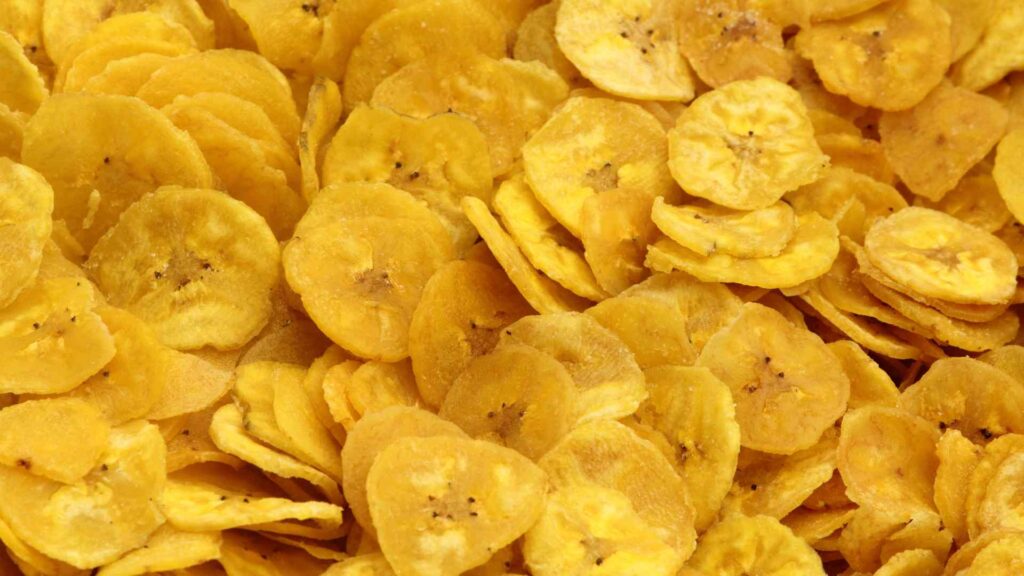
‘Banana chips’ may describe chewy dehydrated slices, crisp freeze-dried pieces, or bananas fried in coconut, palm, sunflower, or another oil. Some are glazed with sugar or honey, while others carry flavor powder, chocolate, yogurt-style coating, nuts, or sweetener.
A package marked natural or plant-based can still contain oil, sugar, salt, preservatives, and substantial calories. The ingredient list and nutrition panel are more useful than the front-label halo.
Save the bag and note the brand, serving size, amount missing, time, dog’s weight, symptoms, and whether a moisture packet or plastic piece disappeared. Product information lets a veterinary professional distinguish a plain slice from a mixed snack.
Drying concentrates the portion
Removing water shrinks the fruit without removing its natural sugar or calories. Several small chips can represent much more banana than their bowl space suggests, especially when they have also absorbed frying oil.
A dog does not need banana chips for potassium, energy, digestion, or exercise recovery. Complete dog food already supplies balanced minerals and energy, while extra concentrated fruit can crowd out the formulated meal.
The UC Davis dog treat guidelines advise that at least 90 percent of daily calories come from complete and balanced food. Every chip, training reward, topper, chew, and table scrap shares the remaining allowance.
For a small dog, one commercial serving may exceed a sensible extra-food budget before dinner begins. Do not copy the human serving size onto a canine snack plan.
Texture can be the immediate hazard
Hard curved chips can lodge in the throat, scrape the mouth, or be swallowed with little chewing. Large flat slices may soften slowly, while freeze-dried pieces can crumble into dry powder that encourages coughing in a fast eater.
Break a plain piece into a very small fragment appropriate to the dog’s mouth and chewing style, then supervise. Puppies, toy breeds, flat-faced dogs, seniors, dogs with dental pain, and habitual gulpers may be better served by a different reward.
Choking signs include gagging, pawing at the mouth, neck stretching, distress, inability to make normal sound, blue-gray gums, and collapse. Contact an emergency veterinary hospital immediately rather than waiting for the chip to dissolve.
Do not blindly sweep fingers through the mouth or pour water into a choking dog. Follow trained first-aid instructions from the emergency team while arranging transport.
Fried chips add fat
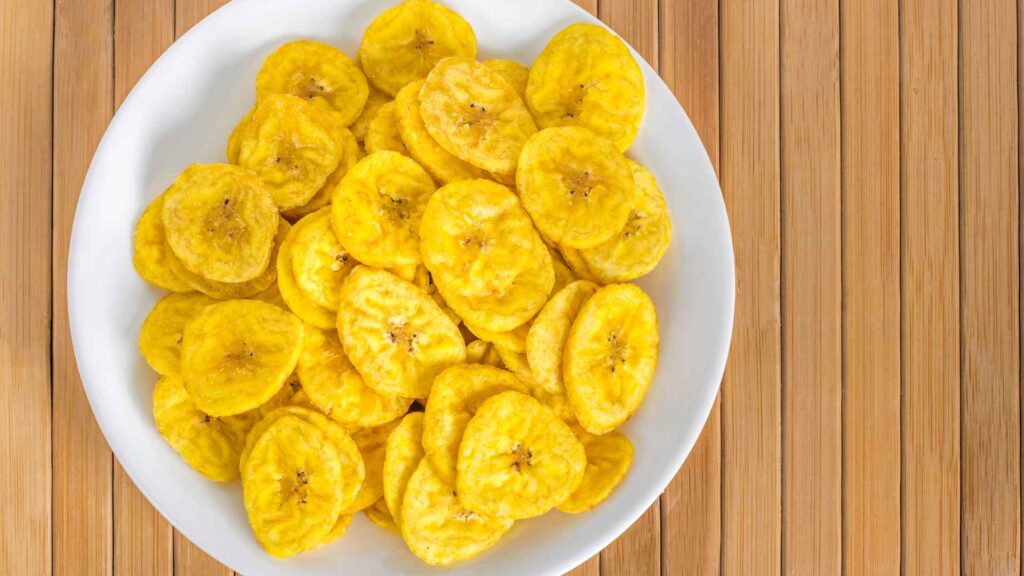
Crisp commercial chips are often fried, which increases fat and calories. A large bag raid can cause vomiting, diarrhea, abdominal discomfort, and a substantial dietary fat exposure.
High-fat dietary indiscretion is a concern in dogs susceptible to pancreatitis. The Merck Veterinary Manual’s pancreatitis review lists vomiting, poor appetite, weakness, dehydration, diarrhea, and abdominal pain among common severe signs.
Call promptly if the dog has previous pancreatitis, high blood fats, obesity, diabetes, or a prescribed low-fat diet. Seek urgent care for repeated vomiting, a painful or swollen abdomen, marked weakness, collapse, or inability to keep water down.
Sweetened and sugar-free need separate checks
Ordinary added sugar is not the same poison as xylitol, but it increases calories and may worsen stomach upset. Sticky glazes can also cling to teeth and make chips easier to swallow in clumps.
Check every sugar-free, no-sugar-added, keto, dental, or specialty product for xylitol, birch sugar, or wood sugar. The FDA warns that xylitol can trigger dangerous low blood sugar and liver injury in dogs.
A listed xylitol exposure is an immediate call even if the dog appears normal. Do not calculate safety from the chip count because product concentration and absorbed dose may be uncertain.
Our sugar guide explains the ordinary-sugar distinction, while the gummy bear guide covers label-specific sugar-free emergencies.
Chocolate, yogurt, and trail mix
Chocolate-covered banana chips add methylxanthines and fat, and darker chocolate generally carries more risk per ounce than milk chocolate. Save the cocoa percentage and product weight rather than reporting a generic coating.
A yogurt-style coating may contain dairy, sugar, oil, or confectionery ingredients rather than plain yogurt. Dogs with lactose intolerance, milk-protein allergy, pancreatitis history, or a therapeutic diet should not receive it casually.
Trail mix can add raisins, grapes, macadamia nuts, chocolate, caffeine pieces, salted nuts, or xylitol-sweetened components. Inventory every missing ingredient and report the entire mix.
For plain fresh fruit context, see our banana guide. Fresh softness does not make a banana peel or oversized piece appropriate, but it avoids the calorie concentration and oil found in many chips.
Rancidity, mold, and storage
Fried chips can become rancid when exposed to heat, air, light, or time. Discard products with a stale paint-like odor, bitter taste, oily off-smell, damaged seal, moisture, insects, or an expired storage history.
Mold is not a harmless surface garnish. Moldy fruit snacks and compost can expose dogs to tremorgenic mycotoxins, so wobbliness, tremors, agitation, vomiting, or seizures after spoiled food requires emergency care.
Keep chips in their sealed original package inside a closed cabinet. An open bowl invites both overeating and humidity that changes texture and spoilage risk.
Packaging and moisture packets
Plastic bags, zipper strips, foil lining, clips, labels, and moisture-absorbing packets may disappear during a raid. These can choke, obstruct the intestine, or expose the dog to packet contents that need identification.
The FDA’s dangerous-items guide warns that swallowed food packaging and household objects can cause choking or gastrointestinal blockage. Report missing material separately from the fruit.
Repeated vomiting, appetite loss, abdominal pain, drooling, straining, lethargy, or reduced stool after a bag disappears may signal obstruction. Do not induce vomiting or pull film or string protruding from the mouth or rectum.
What to do after a bag raid
- Remove the product and packaging, then save the ingredient list, nutrition panel, lot code, and remaining pieces.
- Estimate the amount, timing, dog’s weight, symptoms, and whether hard chips were gulped or powder was inhaled.
- Check for frying oil, xylitol, chocolate, dairy coating, raisins, grapes, nuts, caffeine, salt, mold, and missing packets.
- Call for xylitol, chocolate, dangerous trail-mix ingredients, a large fatty portion, symptoms, high-risk history, or swallowed packaging.
- Seek emergency care for choking, collapse, seizures, severe weakness, repeated vomiting, tremors, or marked abdominal pain.
Do not induce vomiting or give oil, salt, hydrogen peroxide, bread, milk, or human medicine without veterinary direction. Hard pieces and packaging can make home vomiting particularly unsafe.
A sensible way to offer one
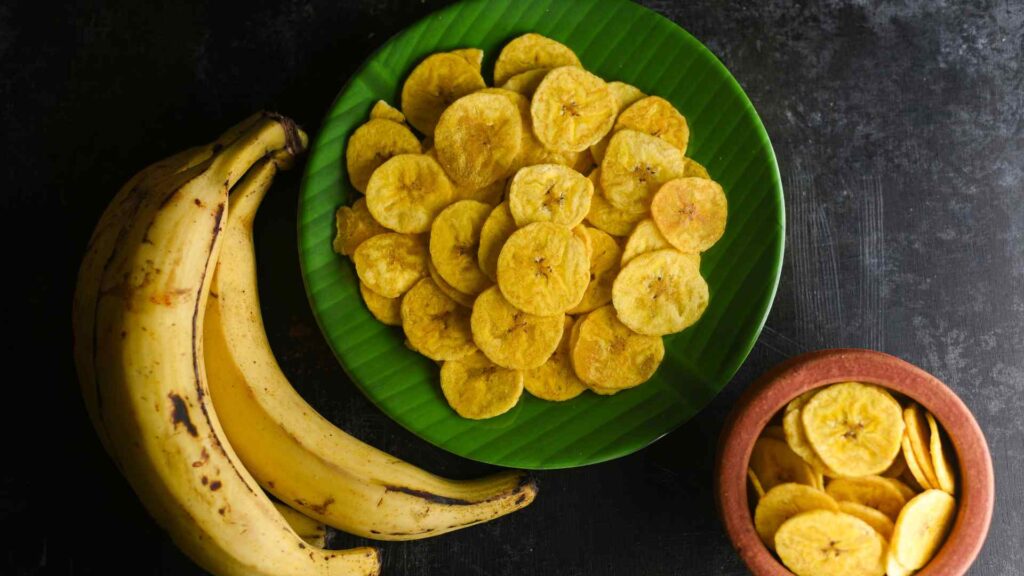
If a veterinarian approves banana for a healthy dog, choose a plain unsweetened non-fried product with one recognizable ingredient. Break off a tiny piece, soften it if needed, supervise chewing, and count the calories.
Stop after the first small trial if gas, diarrhea, vomiting, itching, or discomfort follows. There is no nutritional reason to train the digestive tract to tolerate a product that causes signs.
Regular kibble is the easiest reward to budget, and a tiny piece of familiar fresh fruit may be simpler to inspect. Do not use a hard banana chip as a dental cleaner or long-lasting chew.
Homemade chips still need a plan
Home dehydration gives you ingredient control, but it does not erase calorie concentration or choking risk. Slice evenly, use clean equipment, dry according to a tested appliance method, cool fully, and store in a sealed container for an appropriate period.
Do not brush slices with oil, syrup, honey, sugar, salt, chocolate, spice blends, or sugar-free sweetener. Discard any batch that stays unexpectedly damp, develops condensation, smells fermented, or shows mold.
Air-fryer and oven recipes can produce brittle or sharp edges, while under-dried centers may spoil sooner. Inspect each piece and break off only a tiny soft fragment rather than handing over a full round.
Diabetes, teeth, and prescribed diets
Dogs with diabetes, obesity, pancreatitis history, dental disease, swallowing trouble, kidney disease, or a therapeutic diet should receive only clinician-approved treats. A fruit label does not override an individualized carbohydrate, fat, calorie, or texture restriction.
Hard chips do not clean teeth and can fracture vulnerable teeth. Brown staining, bad breath, pain, chewing on one side, dropped food, or reluctance to eat deserves a veterinary dental examination rather than a crunchier snack.
Frequently asked questions
Are freeze-dried banana chips safer than fried chips?
They usually avoid frying fat, but they remain concentrated, dry, calorie-containing pieces that can choke. Check the full label and cut them for the individual dog.
Can dogs eat sweetened banana chips?
Skip them. Added sugar provides no canine benefit, and sugar-free substitutes require an urgent xylitol label check.
My dog ate one plain chip. What now?
For a comfortable healthy dog, label review and observation may be enough. Call if it was hard and gulped, coated, fried, moldy, sugar-free, mixed with hazards, or followed by symptoms.
The bottom line
Plain banana itself is not the main problem in banana chips. Concentrated calories, frying fat, hardness, sweeteners, coatings, trail-mix companions, spoilage, and packaging decide whether the exposure is minor or urgent.
Choose a tiny soft plain piece only if it fits the dog’s plan, and skip claims about potassium, energy, digestion, or teeth. Labels and portion control are more useful than the fruit pictured on the bag.