Can Dogs Eat Blue Cheese? Fresh Crumbs, Spoilage, and Mold Risks
A tiny crumb of ordinary, properly stored blue cheese is unlikely to poison most healthy dogs, but it is not a good planned treat. Fat, sodium, lactose tolerance, milk-protein allergy, sauces, Alliums, amount, packaging, and genuinely spoiled or extra-moldy food all matter, while the intended blue culture should not be treated as proof of tremorgenic poisoning.
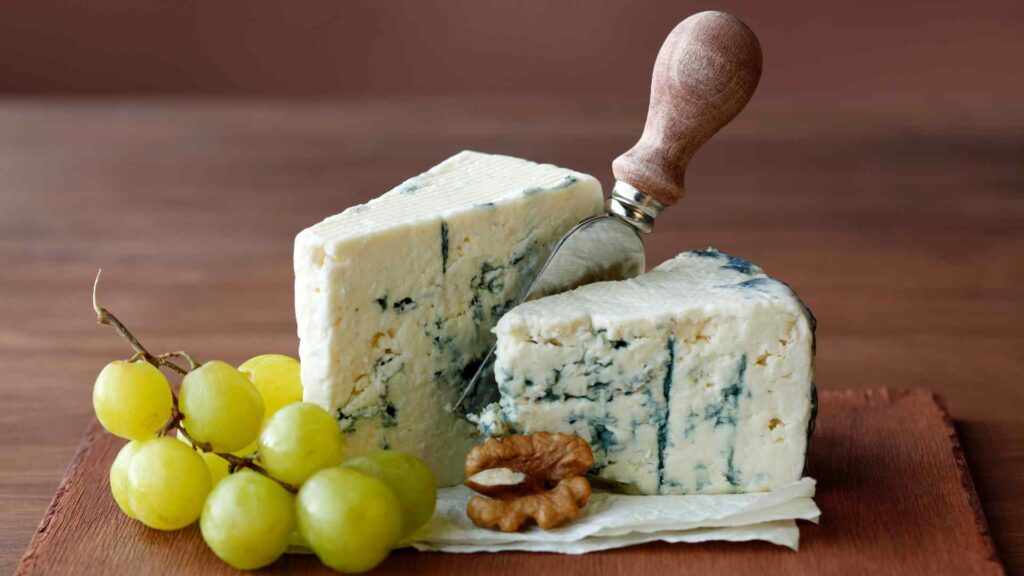
The blue veins and spoiled mold are not the same question
Blue cheese is intentionally made with selected cultures under controlled food-production conditions. That fact does not make it a dog food, but it also does not justify claiming that every ordinary blue vein will poison a dog.
The higher-risk history is access to food that is old, visibly spoiled beyond its intended appearance, stored improperly, mixed into trash, or growing uncontrolled mold. Compost and garbage may contain multiple moldy foods and foreign objects, so the whole raid matters.
What veterinary toxicology actually says about tremorgenic molds
The Merck Veterinary Manual review links canine tremorgenic neuromycotoxicosis to mold growth and mycotoxin production in foods such as dairy products, nuts, pasta, and compost. It also notes that no simple cause-and-effect or dose-effect relationship has been established for individual tremorgens.
Merck discusses penitrems, roquefortine C, verruculogen, and related compounds, while cautioning that roquefortine C may not be the key tremorgen in suspected cases. That nuance is why an ordinary crumb and a moldy garbage haul should not receive the same alarmist script.
The ASPCA moldy-food alert advises prompt contact after a pet eats moldy food because vomiting, diarrhea, tremors, seizures, and increased body temperature can develop. Active tremors, marked sensitivity to sound or touch, wobbliness, fever, or seizures require emergency care.
A small fresh crumb versus a spoiled wedge
For a healthy adult dog that swallowed one fresh crumb, no packaging, and no seasoned sauce, ordinary observation may be reasonable after checking with the veterinarian if the dog has medical restrictions. Do not promise zero risk, and do not manufacture a poisoning diagnosis from the cheese’s normal appearance.
Call promptly for a large amount, visibly spoiled food, trash or compost exposure, uncertain mold, neurologic signs, repeated vomiting, abdominal pain, a high-risk dog, dangerous co-ingredients, or missing packaging. Save a sample or photo only if it can be handled safely.
Cheese boards hide the real inventory
A board may include grapes, raisins, macadamias, chocolate, onion jam, garlic spread, cured meat, alcohol, olives, skewers, knives, foil, and plastic wrap. Count everything missing rather than stopping at the blue cheese.
The site’s sour-cream guide helps separate dairy tolerance from fat and flavored dips. That same ingredient-by-ingredient thinking is useful for blue-cheese dressing.
The everyday issues are fat, sodium, and tolerance
Blue cheese is typically salty and richly flavored, so a small crumble can carry more sodium and fat than its size suggests. Wedges, crumbles, reduced-fat products, dressings, and restaurant portions vary.
Merck’s salt toxicosis guide explains that excessive sodium becomes especially hazardous when water is restricted. Neurologic signs can occur in severe cases.
One fallen crumble is not salt poisoning, but a missing wedge or tub in a small dog deserves prompt label-based advice. Save the nutrition panel and estimate the cheese, sauce, and packaging missing.
Dogs with heart disease, kidney disease, high blood pressure, or sodium-restricted diets need an earlier call. Leave normal fresh water available unless the veterinarian directs otherwise.
Lactose intolerance and milk-protein allergy
Blue cheese may contain less lactose than milk, but amount and individual tolerance vary. A sensitive dog can develop gas, bloating, loose stool, or vomiting.
Milk-protein allergy is an immune problem involving proteins such as casein or whey, not the milk sugar lactose. Lactose-free cheese does not solve a diagnosed dairy allergy.
Merck’s food-allergy guide lists dairy among common canine allergens and supports elimination followed by rechallenge for diagnosis.
The dairy guide separates lactose, allergy, fat, sodium, sugar, and product forms. Blue cheese is not a calcium prescription simply because it is cheese.
Fat and calorie density
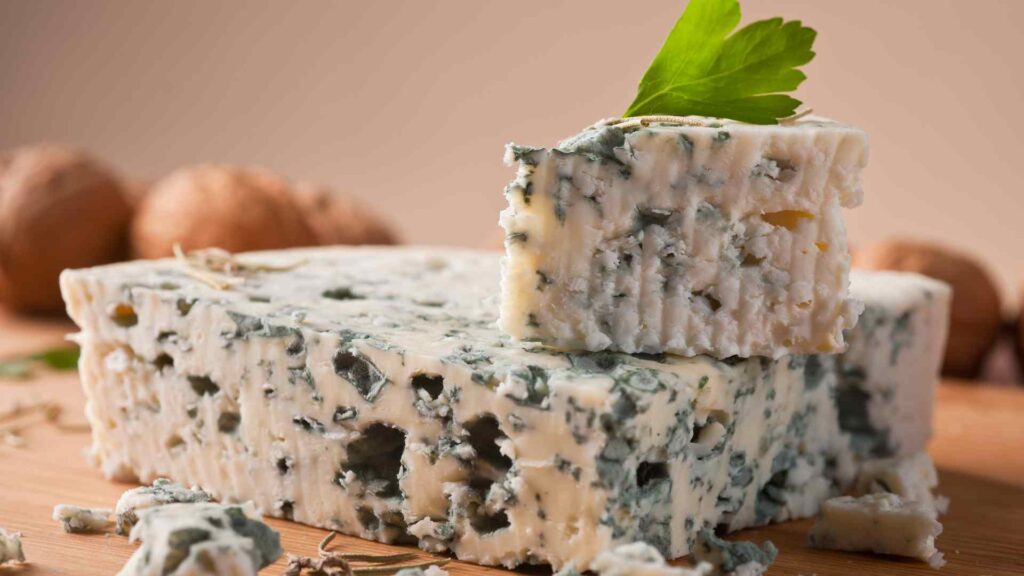
Blue cheese can add substantial fat and calories in a few spoonfuls. Reduced-fat labeling does not remove sodium, milk proteins, brine, or every flavoring.
A large rich serving is more concerning for dogs with prior pancreatitis or prescribed low-fat diets. Merck’s pancreatitis guide covers vomiting, abdominal pain, weakness, dehydration, and appetite loss.
The WSAVA treat guide recommends keeping all extras below 10 percent of daily calories. Blue cheese can consume that allowance quickly.
Do not use blue cheese to help an underweight dog gain or to add protein. Weight loss and recovery feeding need balanced, cause-specific plans.
Dressings, dips, and sauces are separate recipes
Blue-cheese dressing or dip may combine cheese with mayonnaise, sour cream, cream, oil, salt, herbs, and flavorings. It should not be poured over dog food, and scraping away the surface does not remove ingredients mixed through it.
A dog that empties a dressing cup needs case-specific advice, particularly when small, medically fragile, or on a low-fat or sodium-restricted diet. Report the recipe, label, missing amount, and container.
Do not counter a salty sauce with forced water, sports drinks, broth, or home electrolyte mixtures. Leave normal water available unless the veterinarian directs otherwise.
Mold and spoilage need context
Blue cheese is intentionally cultured, but that is not permission to feed a slimy, foul-smelling, improperly stored, or unexpectedly discolored product beyond its normal veining. Discard questionable cheese.
Visible unintended mold can produce digestive upset or expose a dog to unknown contaminants. Do not cut one patch away and offer the remaining block as a pet snack.
FDA storage guidance recommends keeping the refrigerator at 40°F or below and refrigerating perishables promptly. Follow the blue cheese label after opening.
Salads, burgers, and cheese boards
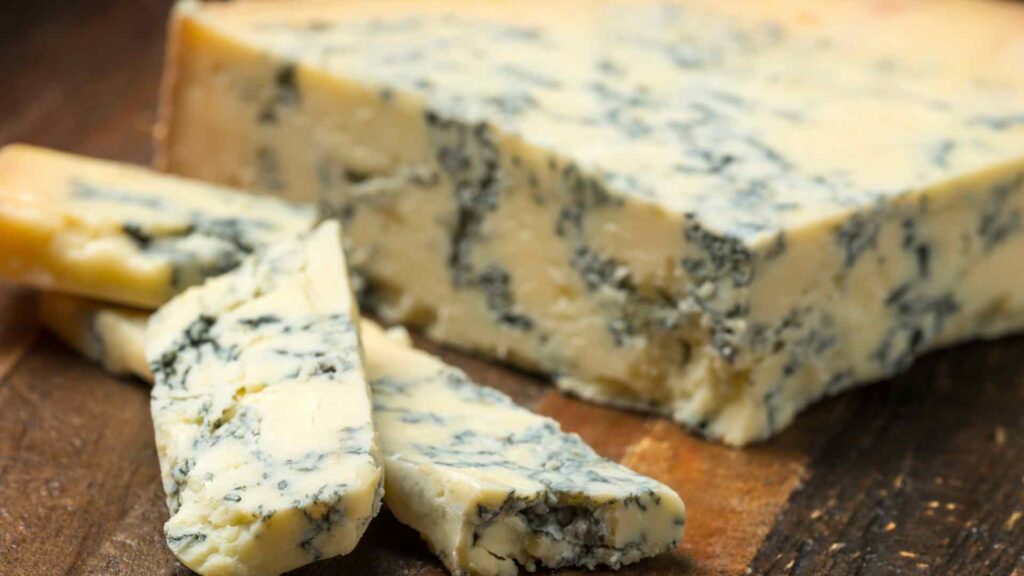
A wedge salad, burger, steak topping, or cheese board can combine blue cheese with onion, garlic, dressing, bacon, cured meat, grapes, raisins, olives, alcohol, and skewers. The complete plate matters more than one crumble.
The olive guide separates plain pitted flesh from pits, sodium, stuffing, brine, and oily marinades. An olive pit adds choking and obstruction risk.
The onion guide covers cooked, raw, powdered, and cumulative Allium exposure. Delayed red-blood-cell injury means a normal first hour is not enough reassurance.
Blue-cheese dip, pasta, pizza, pastry, and stuffed meat may add garlic, onion, butter, oil, nuts, alcohol, or raw dough. Ask for the recipe.
Herb blue cheese can include garlic, chives, chile, pepper, or concentrated seasoning. Read the label rather than assuming every herb is decorative.
Raw-milk and food-safety questions
Blue cheese can be made with pasteurized or unpasteurized milk. Pasteurization reduces pathogen risk but does not change the sodium, fat, lactose, allergy, or calorie issues.
FDA raw-milk guidance explains that unpasteurized milk products can carry pathogens. Do not intentionally feed raw-milk blue cheese to a dog.
Dogs can spread foodborne organisms through saliva, stool, bowls, hands, and kitchen surfaces. Clean the raid area and protect vulnerable household members.
Packaging and serving hazards
Plastic tubs, peelable film, foil blocks, vacuum bags, brine pouches, lids, skewers, toothpicks, and salad containers may disappear during a raid. Count every piece.
Repeated vomiting, retching, abdominal pain, appetite loss, swelling, or inability to keep water down can indicate a foreign body. Sharp foil or glass requires faster assessment.
What to do after a blue cheese raid
- Identify plain block, crumbles, flavored blue cheese, brine, salad, dip, pastry, or mixed dish.
- Photograph ingredients and nutrition facts, including sodium, fat, milk source, onion, garlic, olives, and seasonings.
- Estimate cheese and brine missing, time, dog weight, symptoms, conditions, medications, diet, and water access.
- Account for tubs, lids, film, foil, bags, glass, skewers, toothpicks, olive pits, and other packaging.
- Call for large salty or rich amounts, brine, Alliums, significant symptoms, medical restrictions, or missing objects.
A healthy adult dog that ate one tiny plain crumble and remains comfortable can often be monitored. Keep normal water available and return to the complete diet.
Do not induce vomiting or give salt, oil, charcoal, lactase, antacids, electrolyte drinks, or human medicine unless directed.
Blue-cheese styles and recipes are not interchangeable
Traditional-style blue cheese may use sheep’s milk, goat’s milk, cow’s milk, or a blend depending on region and labeling. A different animal source does not guarantee lower lactose or freedom from allergy.
Pre-crumbled blue cheese may include anti-caking ingredients and can dry out faster after opening. Marinated cheese, spreads, and dressings can add oil, herbs, chile, garlic, and sometimes olives.
Reduced-fat blue cheese may compensate in texture or flavor while remaining salty. Compare the nutrition panel instead of assuming a wellness claim covers every concern.
Vegan blue cheese substitutes may use coconut oil, nuts, soy, starches, salt, and flavorings. They are not automatically low-fat, allergen-free, xylitol-free, or suitable for a prescription diet.
Serving size has no universal dog chart
Blue cheese brands and crumbles differ in density, sodium, and fat, while dogs differ in calorie needs and disease. A one-size cheese chart would create false precision.
For a healthy dog that has already tolerated dairy, one accidental crumb can be monitored rather than repeated as a trial. There is no health reason to increase the portion.
Treat calories include every reward, chew, topper, and table scrap. A small dog can exceed its allowance with several human-sized pinches.
Skin and gastrointestinal signs
Gas or loose stool after blue cheese can reflect lactose, fat, salt, quantity, spoilage, or another salad ingredient. It does not automatically diagnose dairy allergy.
Recurrent itching, paw licking, ear trouble, skin infections, vomiting, or diarrhea should be documented and discussed with a veterinarian. Do not test suspected allergy by offering different cheeses.
Facial swelling, hives, breathing difficulty, collapse, or repeated vomiting requires urgent care. Severe reactions are not treated with unapproved human antihistamines at home.
Blue cheese in cooked foods and sauces
Baked blue cheese pasta can contain large amounts of oil, garlic, onion, tomatoes, chile, salt, and pasta. Heating the cheese does not remove these ingredients.
Spinach and blue cheese pastries add butter or oil, dough, onion, garlic, and sometimes nutmeg. Raw pastry dough also introduces uncooked flour and possible raw egg.
Blue cheese-stuffed meat may hide skewers, toothpicks, string, bones, and fatty drippings. A swallowed sharp object is more urgent than a cheese crumble.
Pizza may add onion, garlic, cured meat, olives, rich oil, and hot cheese that can burn the mouth. Evaluate the complete slice and its temperature.
Food safety after opening
Use clean utensils rather than hands that have handled raw meat. Cross-contamination can expose dogs and people to pathogens even when the blue cheese began as a pasteurized product.
Do not leave cheese at room temperature through a long party and then save it for a dog. Time and temperature rules apply to pets as well as people.
If a recall affects the brand or lot, follow recall instructions and discard or return the product. Do not divert recalled food into pet treats.
Calcium and medication myths
Complete dog food already contains calcium balanced with phosphorus and other nutrients. Adding salty cheese is not a safe way to correct a suspected mineral deficiency.
Too much calcium can be especially problematic during growth, depending on the complete diet and puppy size. Supplements should follow veterinary assessment rather than a cheese label.
Cheese is sometimes used to hide pills, but blue cheese’s crumbly texture and sodium make it a poor default. Ask whether the medication must be given with food and whether dairy fits the dog’s diet.
Preventing a repeat raid
Store blue cheese at the back of the refrigerator in its secured original container and wipe dressing or sauce spills. Keep foil blocks, tubs, and salad takeout boxes out of reach during cleanup.
At gatherings, collect plates, skewers, olive pits, and napkins before letting the dog enter the room. Management is more reliable than expecting guests to recognize every risky ingredient.
Frequently asked questions
Is one blue cheese crumble toxic?
Usually not, but sodium, fat, dairy tolerance, dog health, and recipe matter. A crumble and a tub of rich dressing are different exposures.
Does rinsing make blue cheese safe?
Rinsing may remove surface brine but does not erase sodium, fat, calories, lactose, or milk proteins.
Can blue cheese provide calcium?
Do not use it as calcium supplementation. Complete dog food supplies balanced minerals, and excess supplementation can be harmful.
The bottom line
A tiny plain blue cheese crumble is usually a minor accident for a healthy dog, but blue cheese is too salty and calorie-dense for routine treats. Lactose tolerance and milk-protein allergy are separate questions.
Dressings, large portions, spoilage, raw-milk products, salads, Alliums, olives, and packaging can change urgency. Skip calcium claims and evaluate the whole dish.