Can Dogs Eat Beans? A Practical Bean-by-Bean Guide
Dogs can eat small amounts of certain beans when they are fully cooked, plain, and soft. Black beans, pinto beans, navy beans, cannellini beans, and green beans are examples that may fit as occasional extras, while raw or undercooked dried beans, seasoned recipes, and anything merely called a “bean” without clear identification require more caution.
The answer depends on which bean you mean
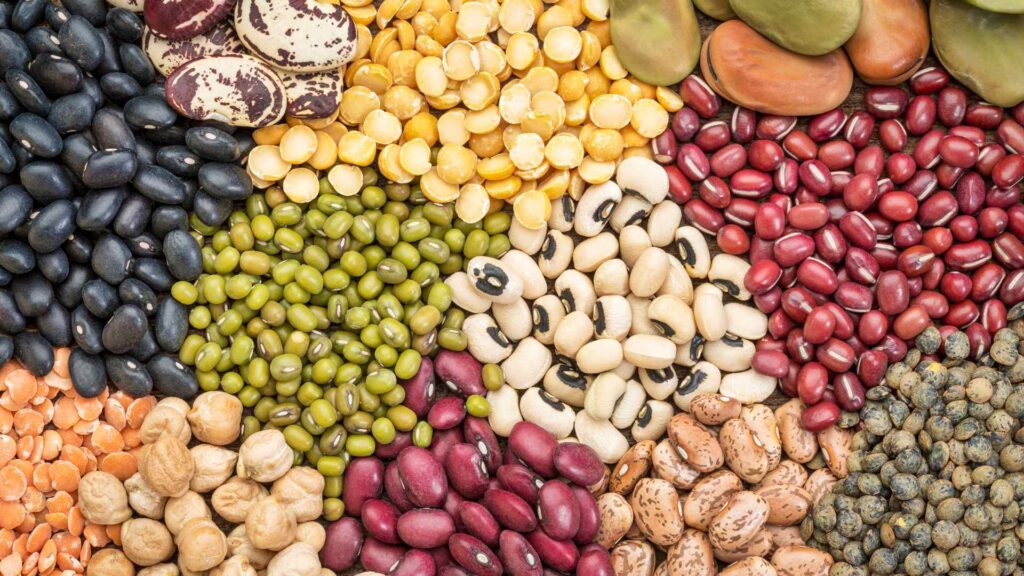
“Beans” covers many unrelated foods and preparations, so a useful answer begins with identification. A spoonful of plain cooked black beans is not equivalent to raw red kidney beans, salty baked beans, coffee beans, castor beans, or a pot of chili.
If you cannot identify the item, do not feed it and keep a sample or package if your dog ate some. Plant identification, preparation, quantity, and symptoms help a veterinarian decide whether home observation is reasonable.
Plain cooked edible beans that are usually reasonable
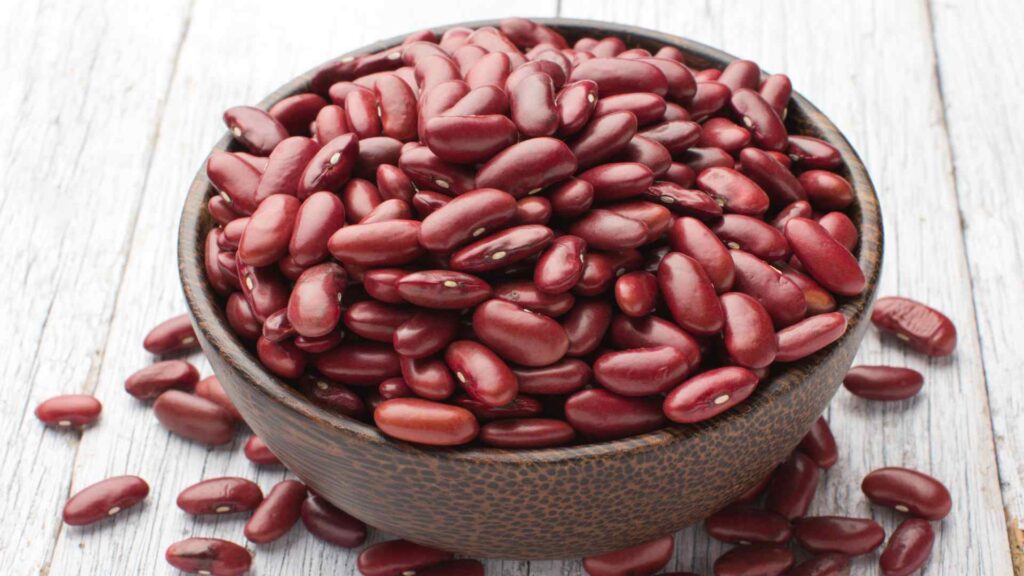
Common culinary beans such as black, pinto, navy, cannellini, great northern, and properly cooked kidney beans are not generally treated as canine poisons when served plain in a small amount. They should be soft enough to mash with a fork and free of salt, onion, garlic, butter, lard, chili, sauces, and sweeteners.
Green beans are also a common dog treat, though they are botanically and texturally different from a bowl of cooked dried beans. See our focused green bean guide for trimming, chopping, and preparation details.
Introduce any unfamiliar bean in a tiny amount because fermentable carbohydrates and fiber can cause gas, loose stool, or abdominal discomfort. A food can be non-toxic and still disagree with an individual dog.
Raw and undercooked dried beans are not a shortcut
Raw or undercooked beans can contain active lectins, including phytohaemagglutinin, at levels that cause marked gastrointestinal illness. The FDA identifies phytohaemagglutinin in raw or undercooked beans and notes that proper cooking reduces it to low levels, with red kidney beans being a prominent concern.
Do not let a dog chew dried beans from a pantry bag or sample beans that are still firm after cooking. Slow cookers may not reliably reach a sufficiently high temperature early in the process, so follow established human food-safety preparation instructions rather than improvising a dog recipe.
If a dog eats raw or undercooked kidney beans and develops vomiting, diarrhea, weakness, or abdominal pain, call a veterinarian. Keep the bean variety, cooking method, amount, and timing handy, because those details are much more useful than the word “beans.”
A practical bean-by-bean map
Black, pinto, navy, cannellini, and great northern beans
These familiar beans can be offered only after complete cooking and only without seasoning. Mash or chop them for a small dog, start with a taste, and stop if gas, loose stool, or vomiting follows.
Kidney beans
Fully cooked or canned kidney beans have far less active phytohaemagglutinin than raw or undercooked beans, according to FDA food-safety guidance. The safer practical choice is a few plain, very soft beans, never pantry-dry beans or a half-cooked batch.
Lima beans
Commercial lima beans should be thoroughly cooked before anyone eats them, and they are not the same as raw wild plant material. Our lima bean guide covers their preparation and product-specific cautions.
Soybeans and edamame
Plain mature soybeans or shelled edamame are different from salted pods, soy sauce, and heavily seasoned snacks. Dogs should not be given tough edamame pods, and our edamame guide explains why shelling and seasoning matter.
Chickpeas
Plain cooked chickpeas may be tolerated in small amounts, but hummus often contains garlic, salt, lemon, tahini, and oil. That ingredient problem is unpacked in our hummus guide.
Fava or broad beans
Do not generalize from common cooked beans to fava beans, especially if the dog has a medical condition or the beans are raw, dried, or from an unidentified plant. Ask your veterinarian before offering them because their natural compounds and the evidence in dogs are not interchangeable with pinto or black beans.
Baked beans, chili, and refried beans
The beans may be the least troublesome part of a prepared dish. Baked beans can contain substantial sugar, sodium, bacon, onion, garlic, mustard, or sweeteners, while chili may add Alliums, hot peppers, fatty meat, and other seasonings.
Refried beans commonly include salt and added fat, and restaurant recipes may contain onion or garlic. Read our refried bean guide, but rely on the current product label or restaurant ingredient information for an actual exposure.
The ASPCA notes that onion and garlic can cause gastrointestinal irritation and red blood cell damage in dogs depending on the amount ingested. Dried powders count, even when no vegetable pieces are visible.
Canned beans: convenient, but check the label
Canned plain beans are already cooked, which removes the raw-bean problem, but many contain added sodium. Compare labels, choose no-salt-added when possible, drain and rinse, and still keep the serving small.
Rinsing can remove surface brine but cannot turn a seasoned product into plain beans or guarantee a precise sodium reduction. Do not use canned beans containing onion, garlic, chili, bacon, artificial sweeteners, or a sauce unless your veterinarian has reviewed the ingredients.
The FDA sodium label guide explains that sodium is listed per serving, so multiply it by the servings actually eaten. This is particularly important when a small dog empties a can rather than tasting one bean.
What beans can do to the stomach
Beans contain fiber and carbohydrates that gut microbes ferment, which can mean impressive gas even when nothing toxic was eaten. Too much can also produce loose stool, urgency, vomiting, or a visibly uncomfortable abdomen.
A slowly introduced teaspoon-sized taste may be plenty for assessing tolerance, but there is no universal bean allowance for every dog. Body size, the rest of the meal, medical conditions, and the bean preparation all change what is sensible.
Severe or persistent abdominal swelling, repeated unproductive retching, collapse, or marked restlessness is not ordinary bean gas and needs emergency care. Do not wait for a food article to settle a dog who appears acutely ill.
Beans are extras, not a homemade protein replacement
Beans contain protein, fiber, and nutrients, but that does not make a bowl of beans a balanced replacement for dog food or meat in a home-prepared diet. Canine diets must supply essential amino acids, fatty acids, minerals, vitamins, and energy in appropriate proportions.
UC Davis advises that treats and other extras provide no more than 10 percent of daily calories, with the remaining 90 percent or more coming from a complete and balanced diet. That limit protects against nutrient dilution and applies even to foods that sound wholesome.
If you want beans to be a regular part of a home-cooked diet, ask a board-certified veterinary nutritionist to formulate the entire recipe. Internet substitutions can quietly unbalance calcium, phosphorus, trace minerals, or amino acids even when every ingredient is individually edible.
Dogs on special diets need a separate answer
Dogs with chronic gastrointestinal disease may not tolerate the extra fiber or fermentable carbohydrates. Dogs with kidney, heart, urinary, or endocrine conditions may have restrictions involving sodium, phosphorus, potassium, calories, or other nutrients that make a generic bean recommendation inappropriate.
Dogs on elimination diets should not receive a new bean unless the supervising veterinarian approves it, because one “healthy” extra can spoil the diagnostic trial. The same applies when a prescription diet is being used to manage stones, pancreatitis, food-responsive disease, or weight.
How to prepare a small bean taste
- Identify a familiar edible culinary bean, not a decorative seed, wild plant, or product with a bean-like name.
- Soak and cook dried beans according to established food-safety directions until completely soft, or choose plain no-salt-added canned beans.
- Drain and rinse, then serve cool with no salt, oil, butter, broth, sauce, onion, garlic, or spice blend.
- Mash one or two beans or chop them to suit the dog’s size and chewing style.
- Offer a tiny first taste and watch for gas, vomiting, diarrhea, itching, or other unusual signs before considering another occasion.
If your dog raided a bean dish
Remove access and collect the recipe, packaging, or leftovers. Estimate the amount, identify every ingredient, note whether the beans were raw or fully cooked, and check whether a can, plastic liner, lid, skewer, or other packaging was swallowed.
Call promptly for raw or undercooked kidney beans, an unknown plant or seed, a large amount of seasoned food, xylitol, significant onion or garlic, swallowed packaging, or symptoms. Bring a photo or sample when identity is uncertain.
Do not give mustard, salt, milk, oil, or hydrogen peroxide on your own to trigger vomiting. A veterinarian or animal poison-control service can decide whether decontamination is helpful and safe based on timing and the exact exposure.
Frequently asked questions
Can dogs eat beans every day?
A few plain cooked beans may fit some dogs, but daily feeding is unnecessary and can crowd out balanced food or cause ongoing gas. Regular inclusion belongs in a veterinarian-formulated diet, not an improvised topper routine.
Are canned beans toxic to dogs?
Plain canned beans are not automatically toxic, but added sodium and seasonings make labels important. No-salt-added beans that are drained, rinsed, and served sparingly are the simplest canned option for a healthy dog.
Can puppies eat beans?
A healthy puppy may tolerate a tiny piece of a plain fully cooked bean, but puppies have little room for nutritionally incomplete extras during growth. Keep the focus on a complete puppy diet and ask the veterinarian before making any topper routine.
Are coffee beans, cocoa beans, or castor beans included?
No. Those names do not make them interchangeable with cooked culinary legumes, and each presents a different hazard, with castor beans being especially dangerous because they can contain ricin.
Bottom line
Specific, fully cooked plain beans can be occasional extras for many healthy dogs, but raw kidney beans, unidentified seeds, salty canned products, and seasoned recipes require a different response. Identify the exact bean and preparation first, then keep portions modest and let a complete diet do the nutritional heavy lifting.