Can Dogs Eat Mustard? Forms, Risks, and Next Steps
Dogs should not be fed mustard as a condiment, powder, seed, oil, or home remedy. A tiny lick of ordinary prepared mustard usually causes no problem or brief stomach upset, but a larger amount, concentrated mustard product, concerning ingredients, or any symptoms deserves veterinary guidance.
Start with the form and the amount
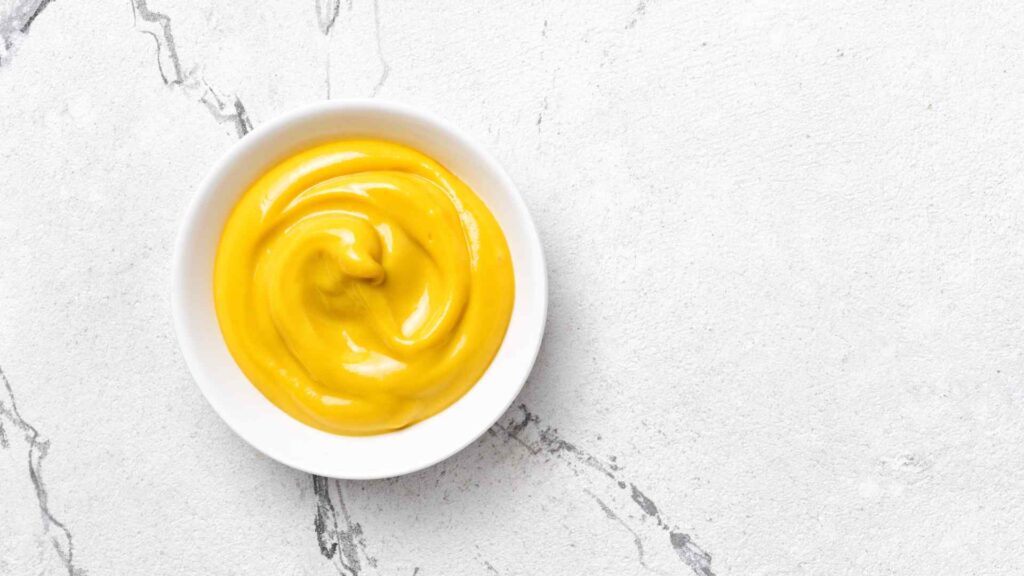
“Mustard” might mean yellow sandwich mustard, Dijon, whole-grain mustard, dry powder, seeds, greens, flavored sauce, essential oil, or a mustard-colored product. These are not equivalent, so keep the label and describe the exact item when you call for help.
For a tiny lick of standard condiment from a healthy dog, remove the food, offer normal access to fresh water, and observe. Call promptly if the dog is very small, has a relevant medical condition, ate a large or uncertain amount, swallowed packaging, or develops repeated vomiting, diarrhea, pain, weakness, tremors, or abnormal behavior.
Why prepared mustard is a poor dog snack
Most prepared mustard combines ground mustard seed with vinegar, water, salt, and seasonings. The pungent compounds can irritate the mouth and gastrointestinal tract, while sodium and recipe-specific ingredients add concerns without providing anything a complete dog food lacks.
The most likely result of a modest condiment theft is drooling, lip licking, nausea, vomiting, diarrhea, gas, or reduced appetite. Severity depends on concentration, amount per pound of dog, other ingredients, and the dog’s health.
Yellow, Dijon, whole-grain, and spicy mustard
Yellow mustard
Plain yellow mustard is usually less concentrated in flavor than dry powder, but it is still an acidic, salty condiment rather than a treat. A smear licked from a plate is generally much less concerning than a squeezed bottle or a pile of packets.
Dijon and brown mustard
Dijon and spicy brown products can be stronger and may contain wine, wine vinegar, extra spices, or more sodium. Alcohol content in a finished condiment may be low or absent depending on the recipe, but the actual label matters more than the style name.
Whole-grain mustard
Whole-grain mustard contains visible seeds suspended in condiment, yet it remains a seasoned sauce. Seeds do not make it wholesome for a dog, and a large serving can still irritate the stomach.
Hot mustard and mustard powder
Dry mustard powder and hot mustard pastes are concentrated and more likely to irritate the mouth, nose, and stomach. Prevent inhalation of airborne powder, rinse powder from fur with guidance if needed, and call for a meaningful ingestion rather than waiting for dramatic signs.
Mustard seeds, greens, and oil are different products
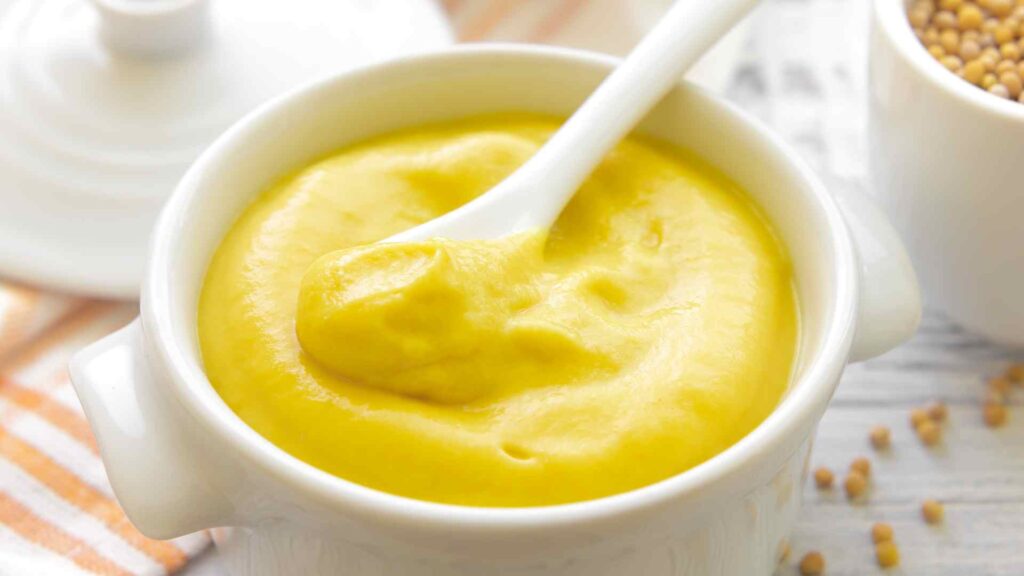
Culinary mustard seeds are the raw material for the condiment, but swallowing a concentrated quantity is not the same as licking a sandwich. Whole seeds can also be hard for a small dog to manage, while ground seed exposes more irritating compounds at once.
Mustard greens are leafy vegetables, not prepared mustard, but they still should not become an improvised supplement or large side dish. Plant identity, cooking, seasonings, and the dog’s medical diet matter, so ask the veterinarian before making them a regular food.
Mustard oil can mean a cooking oil, a flavoring, or a concentrated essential-oil product, and labels differ across countries. Do not apply it to a dog’s skin, add it to food, or use it for parasites, pain, digestion, or another medical purpose.
The Merck Veterinary Manual explains that concentrated essential oils can be absorbed through the skin and gastrointestinal tract and can cause significant toxicosis in animals. A spill on fur or exposure to a concentrated aromatic product merits immediate veterinary or poison-control advice.
The ingredient list decides the rest of the risk
Commercial mustard sauces can contain salt, sugar, honey, onion, garlic, chili, horseradish, dairy, alcohol flavorings, preservatives, or artificial sweeteners. Read every line, because the front label is marketing and the back label is the exposure record.
Salt
A small condiment lick is not automatically salt poisoning, but eating many packets, a bowl of sauce, or other salty foods at the same time changes the calculation. The Merck Veterinary Manual lists vomiting, diarrhea, weakness, tremors, poor coordination, and seizures among possible signs of excessive sodium intake.
Keep normal fresh water available unless a veterinarian gives different instructions, but do not force large amounts of water into a dog. Severe sodium disturbances require controlled correction, so kitchen “rehydration” experiments can make a dangerous situation harder to manage.
Onion and garlic
Some specialty mustards and mustard-based sauces contain garlic or onion powder. The ASPCA notes that Allium vegetables can cause gastrointestinal irritation and red blood cell damage in dogs, depending on dose.
Dried powder may be present without any visible pieces, and signs of red blood cell injury can be delayed. Report the exact ingredient list and amount rather than relying on how the dog looks during the first hour.
Xylitol and other sweeteners
Xylitol is not expected in every mustard, but sugar-free, low-sugar, keto, dental, or specialty sauces demand a careful label check. The FDA warns that xylitol can cause rapid, profound low blood sugar in dogs and may also cause liver injury.
Xylitol may appear as birch sugar, wood sugar, or birch bark extract. If any of those names appears, or the sweetener is unknown, call a veterinarian or emergency clinic immediately rather than waiting for weakness or seizures.
Honey mustard and mustard sauces
Honey mustard adds sugar and often oil, mayonnaise, salt, or dairy, while restaurant sauces may have undisclosed seasoning blends. A tiny lick is usually a monitoring situation, but a cup, bottle, or multiple packets can deliver a meaningful calorie, fat, sodium, and ingredient load.
Mustard barbecue sauce may also contain onion, garlic, hot pepper, smoke flavor, molasses, or sweeteners. Ketchup-based blends have their own ingredient issues, covered in our ketchup guide.
Do not assume “natural,” “organic,” “homemade,” or “gourmet” means safer. A homemade sauce can contain more concentrated mustard powder, garlic, alcohol, or salt than a mass-market bottle.
Never use mustard to make a dog vomit
Mustard is an old kitchen suggestion for inducing vomiting, but it is neither a reliable nor a safe home technique. The ASPCA Animal Poison Control Center specifically warns that mustard does not work for this purpose and advises contacting a veterinarian or poison control first.
Even hydrogen peroxide should be used only when a veterinary professional recommends it for that specific dog and exposure. Vomiting can be dangerous after caustic substances, sharp objects, some hydrocarbons, neurologic signs, breathing trouble, or when aspiration is a concern.
What to do after a mustard accident
- Take the condiment, powder, oil, dish, and packaging away from the dog.
- Save or photograph the complete ingredient list, Nutrition Facts panel, product name, and container size.
- Estimate the amount missing and note when it happened, without delaying a call to chase false precision.
- Check for missing packets, caps, foil seals, squeeze-bottle tips, skewers, or sandwich wrappers.
- Call your veterinarian, emergency clinic, or animal poison control for a large or unknown amount, concentrated product, xylitol, substantial Alliums, packaging ingestion, or symptoms.
Do not give milk, bread, oil, salt, or another condiment to “neutralize” mustard. Do not give human antacids, anti-diarrheal drugs, or pain medication unless the veterinarian prescribes the exact product and dose.
When monitoring at home may be reasonable
After one small lick of ordinary prepared mustard, an otherwise healthy dog who remains comfortable can usually be watched closely. Keep the day boring, continue the normal diet unless your veterinarian says otherwise, and avoid piling on rich treats while the stomach settles.
Monitoring is not the same as ignoring. Note vomiting, diarrhea, excessive drooling, repeated swallowing, refusal of food, abdominal pain, unusual thirst, weakness, pale gums, fast breathing, tremors, or poor coordination, and call if any appear.
When to seek urgent care
Seek urgent help for repeated vomiting, inability to keep water down, severe diarrhea, marked pain, weakness, collapse, tremors, seizures, breathing difficulty, pale or yellow gums, dark urine, or a swollen abdomen. Do the same when xylitol is possible or a packet, cap, skewer, or wrapper may have been swallowed.
Dogs with heart disease, kidney disease, pancreatitis, chronic gastrointestinal disease, diabetes, or a prescription diet deserve more cautious advice. Puppies and toy breeds also receive a larger dose per pound from the same spoonful.
Keep the sandwich in view
Mustard exposure often happens as part of a stolen sandwich, burger, hot dog, pretzel, or meat platter. Inventory the whole meal, including onion, garlic, cheese, fatty meat, raisins, skewers, foil, and wrappers, because the condiment may not be the main concern.
For common pairings, see our guides to hot dogs, pepperoni, and pickles. Those articles help separate a small food theft from a package, brine, or high-fat exposure.
Does mustard offer any benefit to dogs?
There is no good reason to use mustard as a digestive aid, detox, parasite treatment, appetite stimulant, or supplement. Even if a mustard compound is being researched in a laboratory, that does not establish a safe and effective household dose for dogs.
A complete and balanced dog food is designed to supply required nutrients without condiment experiments. If a dog needs nausea control, appetite support, pain relief, or dietary treatment, the useful next step is a diagnosis and veterinary plan.
Safer ways to include your dog
Offer part of the dog’s normal food, a veterinarian-approved treat, or a tiny piece of plain unseasoned cooked food that fits the dog’s diet. UC Davis recommends keeping treats and extras to no more than 10 percent of daily calories, leaving at least 90 percent for complete and balanced food.
Prevention is refreshingly low-tech: close the bottle, collect packets immediately, keep sandwiches away from counter edges, and use a lidded trash can. A dog who cannot reach the mustard cannot turn lunch into a toxicology quiz.
Frequently asked questions
Can dogs have a little yellow mustard?
A little accidental lick is unlikely to cause serious harm in most healthy dogs, but deliberately feeding it has no advantage. Check the label, remove access, watch for stomach upset, and call if the dog is small, medically vulnerable, symptomatic, or ate more than a lick.
Are mustard seeds poisonous to dogs?
A few stray culinary seeds are different from a mouthful or concentrated ground seed, and the likely concern is irritation rather than a universal poisoning outcome. Because quantity and product identity matter, call for a substantial seed or powder exposure.
Can dogs eat mustard greens?
Mustard greens are not the same product as condiment mustard, but they are unnecessary as a casual supplement and may be served with salt, fat, onion, or garlic. Ask your veterinarian before offering plain cooked greens, especially to a dog on a medical diet.
Can I use mustard to induce vomiting?
No. Mustard is not a dependable emetic and may worsen gastrointestinal irritation, so contact a veterinarian or animal poison-control service and follow their case-specific instructions.
Bottom line
Mustard belongs off the dog’s menu and out of the home-remedy cabinet. A tiny condiment lick is usually low risk, while a large amount, concentrated powder or oil, dangerous co-ingredient, swallowed package, or any significant symptom calls for prompt professional guidance.