Alcohol Poisoning in Dogs: What Counts and What to Do Now
Dogs should not drink alcohol, and any known exposure deserves an immediate call to a veterinarian or animal poison service. Ethanol, methanol, and isopropanol can be absorbed quickly, so identify the product, concentration, amount, time, dog weight, symptoms, skin exposure, and missing container without waiting for a homemade dose calculation.
Start with the product, not the word alcohol
“Alcohol” covers several chemicals with different sources and toxicities. The Merck Veterinary Manual alcohol review identifies ethanol, methanol, and isopropanol as the alcohols most often involved in companion-animal toxicosis.
- Ethanol appears in beer, wine, spirits, cocktails, some medicines, some sanitizers, fermenting fruit, and raw yeast dough.
- Isopropanol appears in rubbing alcohol, some sanitizers, and some alcohol-based grooming or flea products.
- Methanol may be present in windshield-washer fluids and certain industrial or contaminated products.
- Ethylene glycol in antifreeze is not beverage alcohol and requires its own emergency toxicology protocol.
Do not use the percentage on a beverage label to estimate safety at home. Concentration, amount, body size, stomach contents, co-ingredients, and route of exposure all matter, while the treatment window can be short.
Why prompt triage matters
Alcohols are rapidly absorbed through the gastrointestinal tract, and some can also be absorbed through skin. Merck reports that signs may begin within 30 to 60 minutes and that severe cases can progress to coma, seizures, respiratory depression, hypothermia, hypoglycemia, metabolic acidosis, or death.
A dog that looks normal immediately after a spill has not been cleared. Call while collecting details, and tell the clinic if the dog is a puppy, very small, elderly, diabetic, medically fragile, pregnant, or taking medication.
The ASPCA poison-control food guide lists vomiting, diarrhea, incoordination, depression, breathing difficulty, tremors, blood-pH changes, coma, and death among possible effects of alcohol-containing drinks or foods. Those signs justify emergency evaluation rather than observation at home.
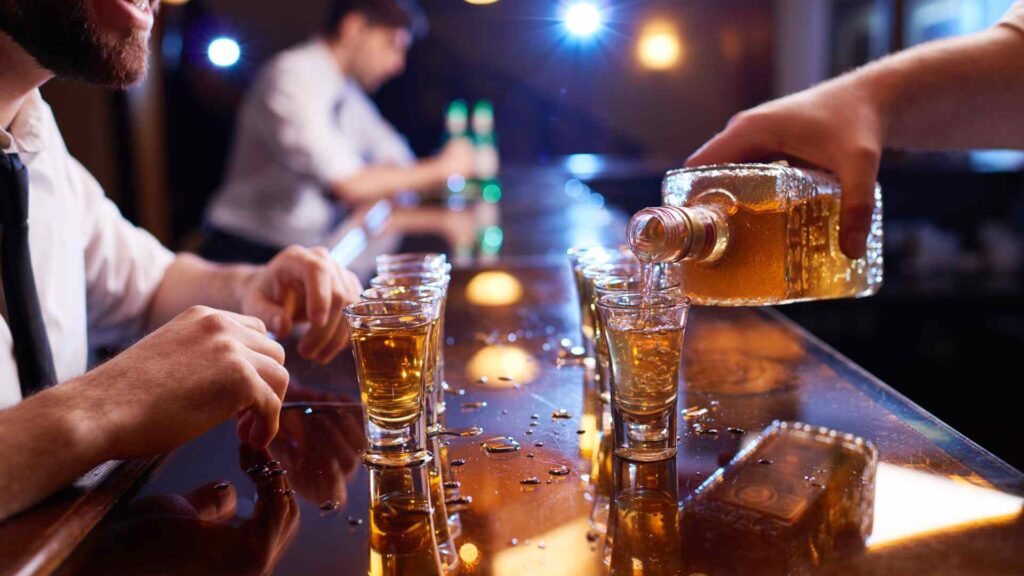
Beer, wine, spirits, and cocktails
A lick from the floor and a missing mixed drink are not equivalent, but neither should be dismissed without product and amount information. Spirits and concentrated cocktails can deliver much more ethanol per mouthful than ordinary beer.
Wine and grape-based drinks add an identification question, yet ethanol remains an urgent concern. Our grape guide explains why Vitis ingredients deserve prompt veterinary contact even when the dog has eaten grapes before without an obvious problem.
Cocktails may also contain chocolate, coffee or caffeine, xylitol, raisins, macadamias, cannabis, onion-infused ingredients, medications, or concentrated syrups. Save the complete recipe and all bottles instead of reporting only “a drink.”
Beer can include hops, and home-brewing supplies may expose a dog to concentrated hops, yeast, grain, cleaning chemicals, glass, caps, or tubing. Inventory the brewing area and report missing nonfood items.
Raw yeast dough can create alcohol inside the stomach
Unbaked yeast dough can expand in the warm stomach and produce ethanol during fermentation. This creates both distension and alcohol-toxicity concerns, so a swallowed ball of dough is not comparable to a bite of baked bread.
Merck’s bread-dough toxicosis review describes progressive abdominal distension and ethanol-related depression or incoordination. The pizza-crust guide separates baked crust from urgent raw dough exposure.
Do not feed bread to absorb alcohol or add more food to “push dough through.” Do not chill, massage, or press a swollen abdomen; call immediately.
Fermenting fruit, batter, desserts, and sauces
Overripe or spoiled fruit can ferment, particularly in compost, fallen-fruit piles, or sealed containers. A fruit raid can also include pits, cores, mold, pesticides, plastic, and other compost ingredients.
Our apple-juice guide distinguishes fresh juice from fermented cider, added sweeteners, mold, and containers. A sweet smell does not make a fermenting product harmless.
Rum cake, tiramisu, flambé sauce, liqueur chocolates, trifle, fondue, extracts, and alcohol-soaked fruit may retain alcohol depending on recipe and cooking. They can also contain chocolate, coffee, raisins, xylitol, macadamias, nutmeg, or fatty cream.
Unbaked batter may contain raw flour, raw egg, yeast, alcohol flavoring, or packaging. Use the recipe and preparation stage, not the finished dessert’s name, to describe the exposure.
Hand sanitizer, rubbing alcohol, and household products
Sanitizer and rubbing alcohol may contain ethanol or isopropanol at concentrations far above most beverages. Some products also contain fragrance, bitterants, moisturizers, or other active ingredients that need label-based assessment.
Isopropanol is not a safer substitute for ethanol. Merck describes it as more toxic than ethanol, and exposure can occur by ingestion or substantial skin contact.
Windshield-washer fluid can contain methanol and may include additional chemicals. Antifreeze, fuel additives, cleaners, mouthwash, perfume, medication, and veterinary sprays all require the exact product label or safety-data information.
For a skin spill, prevent licking and call for product-specific directions while moving the dog away from fumes. Do not apply another solvent, essential oil, or household cleaner to remove it.
Signs to watch for while help is being arranged
- Vomiting, diarrhea, drooling, or a strong product odor on the breath or coat.
- Wobbliness, disorientation, unusual sleepiness, weakness, tremors, or collapse.
- Slow or difficult breathing, a slow heart rate, pale or bluish gums, or poor responsiveness.
- A cold body, seizures, coma, or a swollen painful abdomen after raw dough.
A dog can aspirate vomit when coordination or consciousness is impaired. Keep the dog quiet, prevent falls, and do not put food, water, or medicine into the mouth of a drowsy or poorly coordinated animal.
What to do right now
- Remove access without exposing yourself, other pets, or children. Ventilate fumes if safe and keep the dog from licking contaminated fur.
- Photograph the front and back label, concentration, ingredients, package size, lot information, and remaining amount.
- Estimate the earliest and latest possible exposure times, the amount missing, dog weight, symptoms, health conditions, and medications.
- Call the veterinarian, emergency clinic, or animal poison service immediately and follow its transport or decontamination instructions.
- Bring the container or recipe in a sealed bag if the clinic says it is safe to transport.
Do not induce vomiting unless a veterinary professional specifically directs it for this dog and exposure. Alcohols absorb quickly, and a sleepy or uncoordinated dog has a serious aspiration risk.
Do not give salt, hydrogen peroxide, charcoal, coffee, milk, oil, bread, sports drinks, sugar syrup, cold showers, or human medicine. Activated charcoal does not reliably solve small-chain alcohol exposure, and improvised remedies can delay supportive care.
Why there is no responsible universal dose table
A table cannot safely combine beer, liquor, sanitizer, rubbing alcohol, washer fluid, fermenting dough, and mixed desserts. Product concentration and chemistry vary, and the dog’s condition can change the response before a neat calculation is finished.
Even Merck’s clinical toxicology discussion treats ethanol, methanol, and isopropanol separately. The useful home task is accurate product identification and fast professional contact, not deciding that an online threshold grants permission to wait.
Containers and party hazards
Glass can break, cans and caps can cut, and plastic cups, straws, pouches, corks, absorbent pads, and bottle seals may be swallowed. Missing packaging adds choking, laceration, or obstruction to the toxicology problem.
At gatherings, clear partly full cups instead of leaving them on the floor or a low table. Guests may not notice repeated small sips, so a shared timeline matters more than any one person’s estimate.
Keep sanitizer, washer fluid, rubbing alcohol, home-brewing supplies, extracts, medications, and cleaning products in closed storage. Child-resistant packaging is not necessarily dog-resistant.
What the veterinary team may need to evaluate
The clinic may assess body temperature, blood glucose, breathing, heart rate, hydration, neurologic status, acid-base balance, and the risk of aspiration. Product chemistry and signs determine which tests, monitoring, or supportive treatments are useful.
There is no universal antidote that makes every alcohol exposure disappear. Merck describes stabilization, temperature support, fluids, correction of metabolic abnormalities, seizure control, and breathing support as case-dependent parts of care.
A dog that becomes more alert still needs the discharge and monitoring plan the clinic provides. Delayed coughing, breathing effort, fever, vomiting, weakness, poor appetite, or recurrent wobbliness can signal a complication and should be reported.
Special situations that lower the threshold for concern
Puppies and toy dogs have less body mass and may be more vulnerable to low blood sugar and temperature loss. Diabetic dogs, animals with liver disease, and dogs already sedated by medication need individualized advice immediately.
Dermal exposure matters when a large area is soaked, the product is concentrated, or the dog can lick its coat. Eye exposure, inhaled fumes, burns, or a product containing several active ingredients should be described separately.
Frequently asked questions
What if my dog only licked a few drops?
Call with the product and concentration so the exposure can be interpreted proportionately. A few drops of a low-alcohol beverage are not the same as concentrated isopropanol, sanitizer, or an unknown fluid.
Can dogs drink nonalcoholic beer?
Human nonalcoholic beer may contain residual alcohol and ingredients that offer no canine benefit. Water is the routine drink, and any novelty product still needs a complete label review.
Can I wait until symptoms appear?
No. Absorption can be rapid, and the best options may depend on contacting a professional before the dog becomes depressed or uncoordinated.
Is cooked alcohol always gone?
No single cooking rule covers every recipe, pan, temperature, and time. Report the actual recipe and amount rather than assuming a flambéed or baked dish is alcohol-free.
The bottom line
Alcohol exposure in a dog is a call-now problem, not a home-monitoring experiment. Identify ethanol, methanol, isopropanol, raw yeast dough, fermenting food, or another product and let a veterinarian or poison specialist set the response.
Fast product details, calm transport, and avoidance of DIY vomiting are genuinely useful. A universal “safe sip” rule is not.