Can Dogs Eat Butternut Squash? Flesh, Rind, Seeds, and Recipes
Most healthy adult dogs can eat a small amount of butternut squash flesh when it is fully cooked, soft, cooled, and plain. Remove the tough rind, woody stem, seeds, and stringy center, cut the flesh for the dog’s size, and skip raw chunks, butter, oil, salt, sugar, spices, casseroles, soup, and pie filling.
Butternut squash in one clean bowl
- Wash the whole squash before cutting.
- Remove the stem, hard peel, seeds, and fibrous seed cavity.
- Steam, bake, or boil the flesh without seasoning or fat.
- Cook until soft, cool fully, then mash or cut into small pieces.
- Offer a little as an extra, not as a digestive treatment or meal replacement.
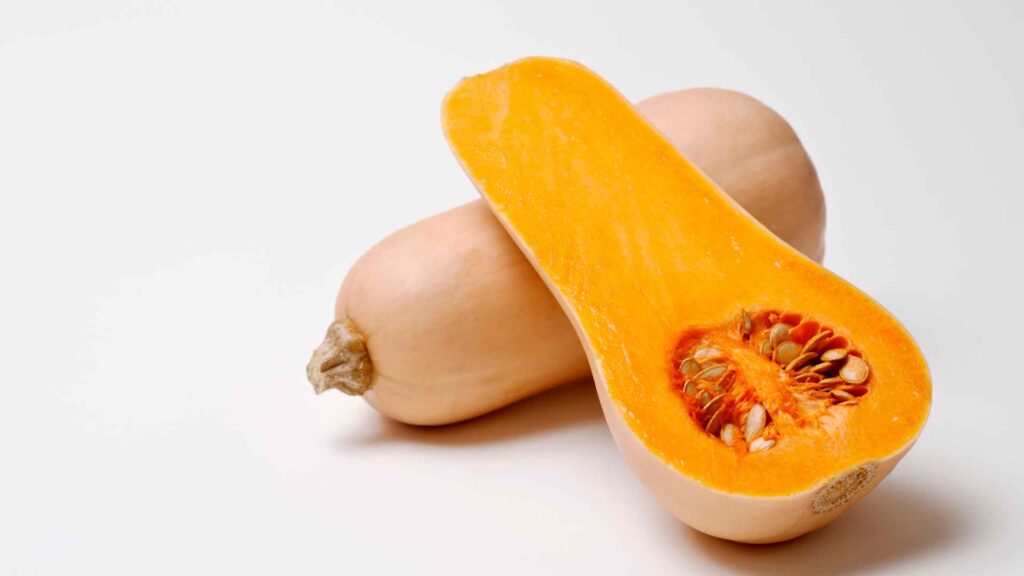
Butternut is a winter squash, which means it matures with dense flesh and a hard protective shell. That makes it very different to handle from young zucchini, even though both are called squash.
How to prepare it safely
The FDA produce-safety guidance recommends washing produce under running water before cutting and does not recommend soap or detergent. A knife can carry surface contamination into the flesh.
Stabilize the squash on a cutting board, remove the stem, peel it, split it, and scoop out every seed and stringy strand. Cook the orange flesh until a fork passes through easily.
Serve it plain after cooling. A soft mash can suit a small dog, while larger dogs still need pieces small enough that they cannot gulp a dense cube.
Do not hand over a raw squash as a chew toy. The rind, stem, shape, and hard flesh create dental, choking, and foreign-body problems without a useful benefit.
Raw flesh is not chemically poisonous, but it is a poor texture
A tiny shaving of familiar raw butternut flesh is unlikely to cause a specific toxicosis, but dense raw chunks are hard to bite and digest. Cooking makes the texture predictable and easier to portion.
A missing raw block should be assessed by its size, shape, dog, and symptoms. Repeated vomiting, gagging, drooling, appetite loss, abdominal pain, lethargy, bloating, or reduced stool needs veterinary advice.
Rind and stem belong in the trash
Butternut rind is a tough shell rather than a tender vegetable skin. Large strips or curved pieces can choke, lodge, or move slowly through the gastrointestinal tract.
The Merck Veterinary Manual obstruction review notes that vomiting and appetite loss are common signs, with abdominal pain, lethargy, diarrhea, dehydration, or shock also possible. Partial obstruction can produce less obvious or intermittent signs.
The woody stem is even less suitable and may splinter into irregular fragments. Remove it before cooking and keep it out of compost accessible to dogs.
Do not induce vomiting or try to push rind through with bread, oil, fiber, or another meal. A veterinary professional should evaluate the object, timing, dog size, and safest next step.
Seeds and stringy material
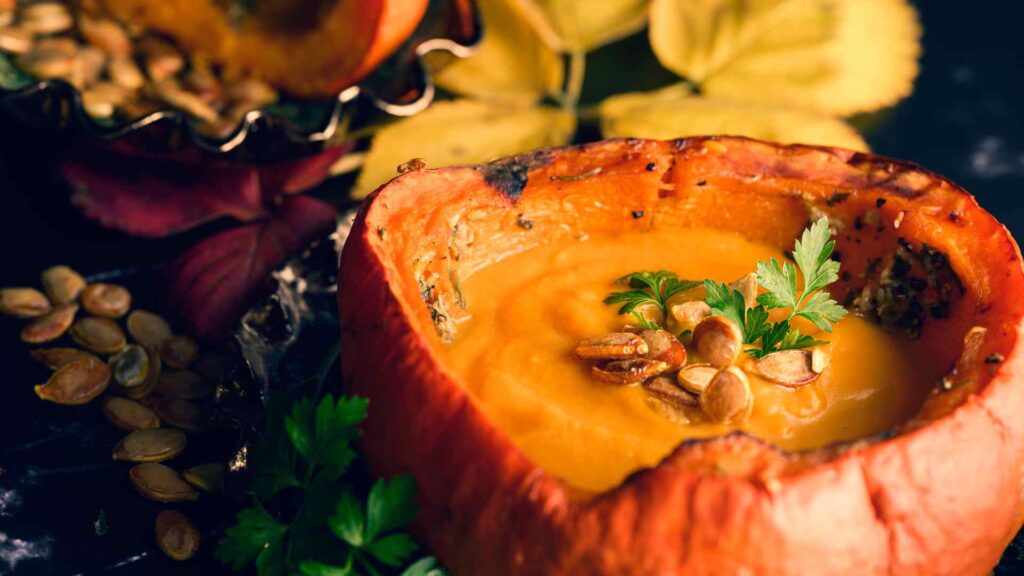
A stray seed is not a reason to predict poisoning, but mature squash seeds and their fibrous web are easy to gulp and add little to a treat. Remove them for a clean, consistent serving.
Roasted seeds are often coated with oil, salt, garlic, onion, chile, sugar, or spice. A missing bowl needs a review of the seasoning, quantity, bag or container, and symptoms.
Bitter squash is not dinner
Edible grocery butternut should taste mild and slightly sweet, not intensely bitter. Severe bitterness can signal unusually high cucurbitacins, defensive compounds found in some cucurbits and ornamental gourds.
The National Capital Poison Center toxic-squash review advises discarding very bitter squash and explains that cooking does not inactivate cucurbitacins. Its evidence concerns people, not a canine dose, but bitterness is a sensible warning not to feed the product to anyone.
Do not disguise a bitter piece with cheese or meat after the dog rejects it. Discard the entire squash safely and call if ingestion is followed by vomiting, diarrhea, pain, weakness, or marked lethargy.
Portion and calories
Butternut squash contains carbohydrate and calories, and a generous scoop can displace a surprising amount of complete food in a small dog. Start with one bite rather than a breed-size table that ignores the actual diet.
The UC Davis veterinary treat guideline recommends keeping all treats and extras below 10 percent of daily calories. At least 90 percent should come from complete and balanced food.
Dogs with diabetes, obesity, calorie restriction, or a prescription diet need individualized advice. Plain does not mean unlimited or appropriate for every medical plan.
Butternut squash is not a digestive prescription
Fiber can change stool, but no spoonful cures every case of constipation or diarrhea. Obstruction, infection, parasites, medication, pancreatitis, pain, and chronic disease can produce similar signs.
Do not keep increasing squash until the dog passes stool or diarrhea appears. Straining, vomiting, pain, appetite loss, blood, weakness, or persistent change needs veterinary assessment.
Butternut also does not hydrate a sick dog, boost immunity, treat inflammation, or correct a vitamin deficiency. A dog-safe taste is far too small and nutritionally incomplete to do those jobs.
Butter, oil, and creamy mash
People often mash butternut with butter, cream, cheese, oil, salt, or stock. Those additions raise fat, sodium, and calories and can irritate digestion.
Dogs with pancreatitis history, high triglycerides, obesity, heart disease, kidney disease, or a prescribed low-fat or low-sodium diet need extra caution. Repeated vomiting, abdominal pain, appetite loss, weakness, or dehydration after a rich serving warrants a call.
Roasted squash and seasoning
Roasted cubes may contain onion powder, garlic, pepper, chile, nutmeg, sage butter, maple syrup, honey, or brown sugar. A browned surface does not reveal what soaked into the flesh.
Our onion guide and garlic guide explain why dried, powdered, and cooked Alliums still matter. Save the recipe and spice blend after a pan raid.
Sugar-free glaze requires an immediate xylitol check. Specialty recipes can also add raisins, currants, chocolate, macadamias, alcohol, or fatty bacon.
Soup, curry, ravioli, and casseroles
Butternut soup commonly includes onion, garlic, stock, cream, butter, salt, and spices. Curry adds chile and concentrated seasonings, while ravioli brings pasta, cheese, sauce, and possible nut filling.
Holiday casseroles may include marshmallows, sugar, butter, pecans, raisins, and dessert spices. Scraping off the topping does not remove ingredients mixed through the dish.
Our marshmallow guide separates ordinary sugar and choking from xylitol or chocolate products. That label-level distinction matters on a casserole.
Frozen, canned, and baby-food versions
Plain frozen butternut can be cooked until soft, but seasoned steam bags may contain butter, sauce, or salt. Never offer a large frozen cube because hard slippery food can choke or damage teeth.
Canned puree should list butternut squash and perhaps water, not pie filling, syrup, salt, onion, or spice. Baby-food blends also require a fresh label check because they can add onion, garlic, meat stock, dairy, fruit, or starch.
For the broader family overview, our squash guide compares summer and winter varieties and bitter-gourd concerns. This page stays focused on butternut’s dense flesh and hard shell.
Who needs extra caution?
Puppies, toy breeds, fast eaters, and dogs with dental or swallowing disease face more risk from an oversized piece. Dogs with previous obstruction or gastrointestinal surgery deserve a lower threshold for calling after rind or stem ingestion.
Dogs in a strict elimination trial should receive no unapproved topper. A skin or digestive reaction after a casserole also does not prove squash allergy because dairy, meat, seasoning, and environmental allergens may be involved.
What to do after a squash raid
- Identify raw or cooked flesh, rind, stem, seeds, bitter squash, puree, soup, casserole, or frozen product.
- Estimate the amount and time, then record dog weight, symptoms, conditions, and medications.
- Save recipes and labels for broth, seasoning, sweeteners, dairy, nuts, raisins, and other add-ins.
- Check for missing foil, plastic wrap, cans, lids, skewers, bags, clips, and compost material.
- Call promptly for hard pieces, rind or stem, bitter squash, unsafe ingredients, packaging, a large amount, or significant symptoms.
A healthy adult dog that eats a small amount of plain soft cooked flesh and stays normal can usually be monitored. Keep water available and return to the usual complete meal.
Do not induce vomiting or give oil, milk, laxatives, charcoal, or human medicine unless a veterinary professional directs it. Object shape and symptoms can make home treatment unsafe.
Frequently asked questions
Can dogs eat butternut squash skin?
Do not feed the hard rind. Remove it before cooking because large pieces can choke or obstruct.
Can dogs eat raw butternut squash?
A tiny shaving is unlikely to be chemically toxic, but dense raw chunks are hard to chew and digest. Fully cooked plain flesh is the safer form.
Can dogs eat butternut squash seeds?
A stray seed is unlikely to poison a dog, but remove mature seeds and stringy material. Seasoned roasted seeds are a separate snack-food exposure.
Does butternut squash help constipation?
It is not a universal remedy. Persistent straining, pain, vomiting, appetite loss, or possible foreign-object ingestion needs veterinary guidance.
The bottom line
A small amount of soft, plain, fully cooked butternut squash flesh can be an occasional extra for many healthy adult dogs. Remove the rind, stem, seeds, and stringy center, then cut it appropriately.
Raw hard chunks, bitter squash, rich mash, soup, casserole, sugary glaze, unsafe seasonings, and packaging change the answer. Keep the food simple and leave treatment claims to the veterinary plan.